THE CITIES · EIGHT BASES
The cities and towns of North Carolina
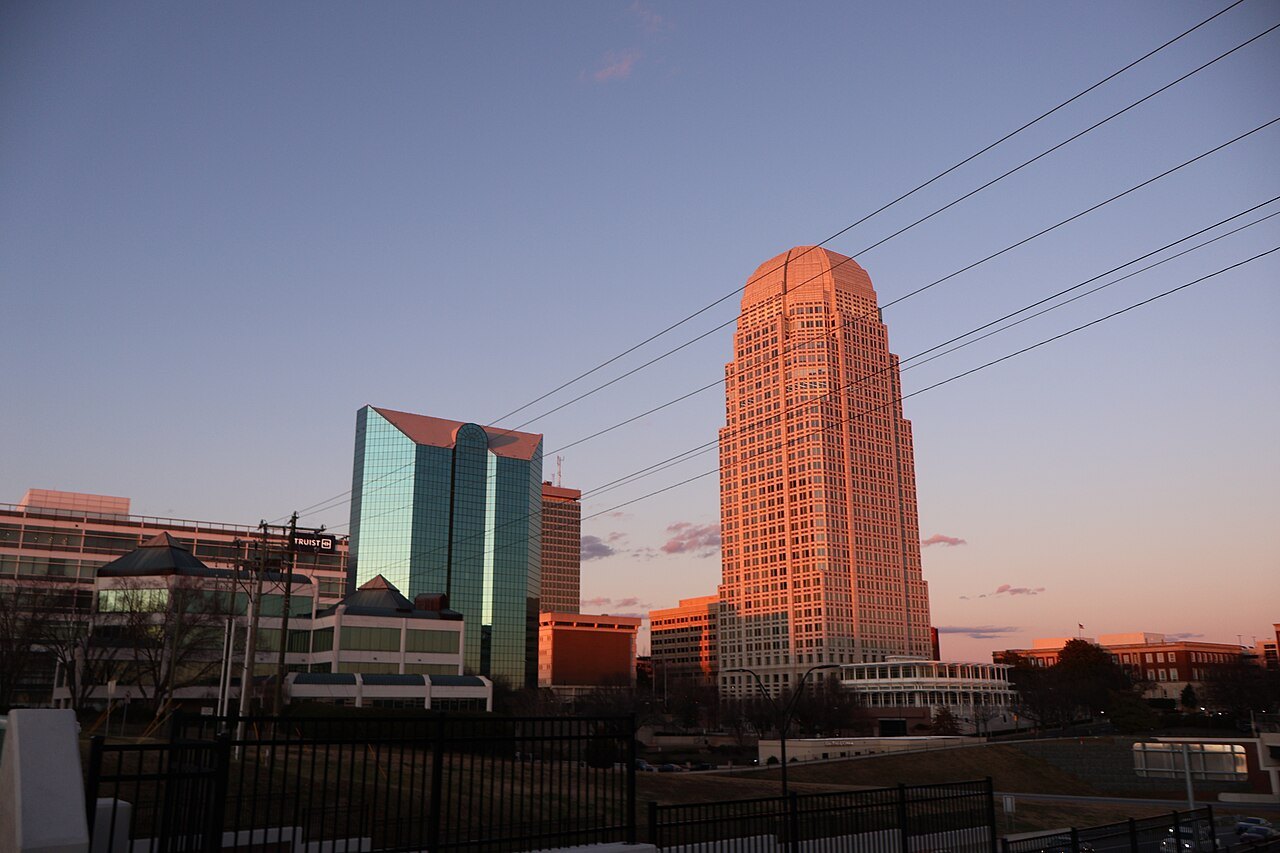
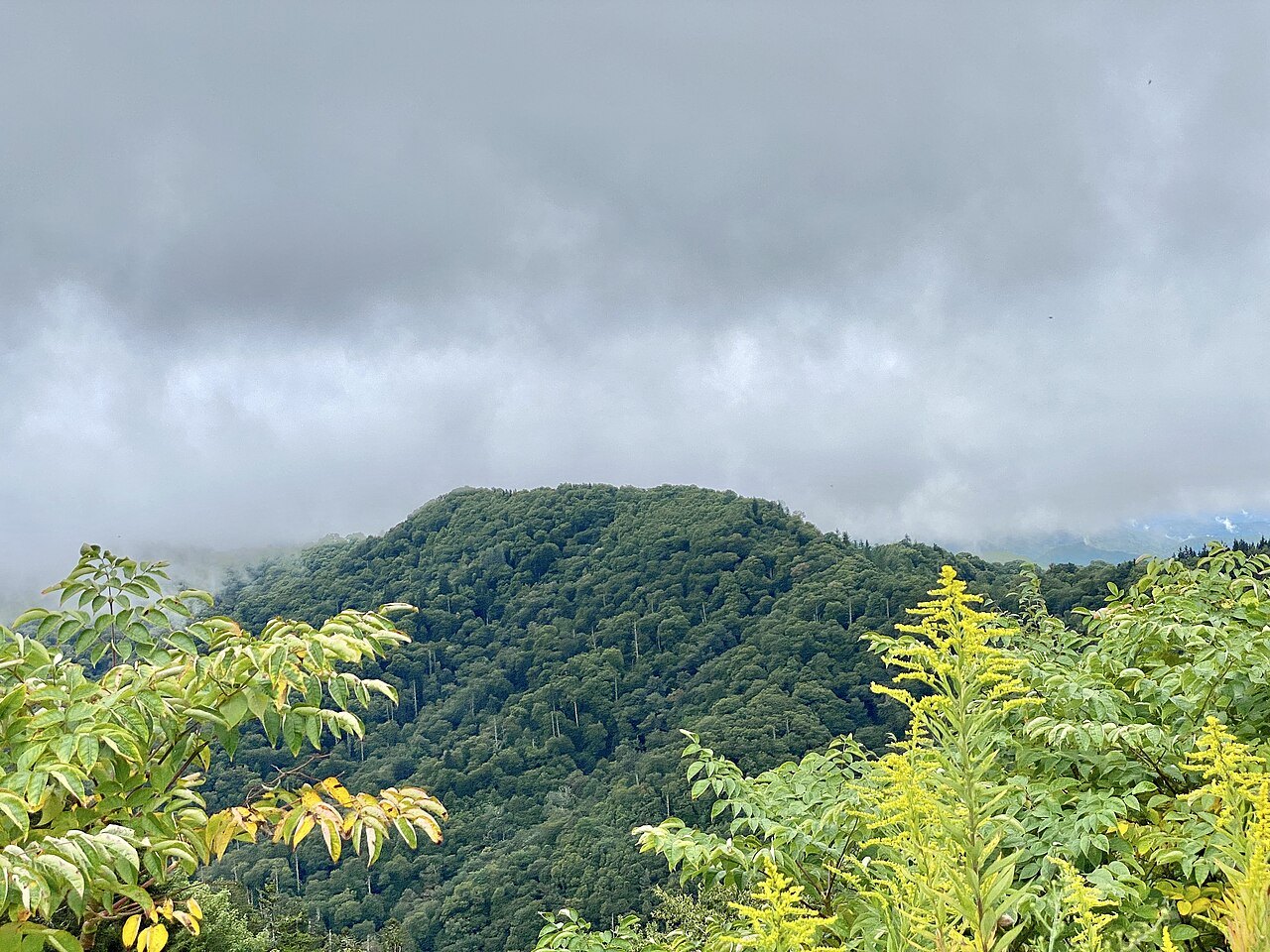
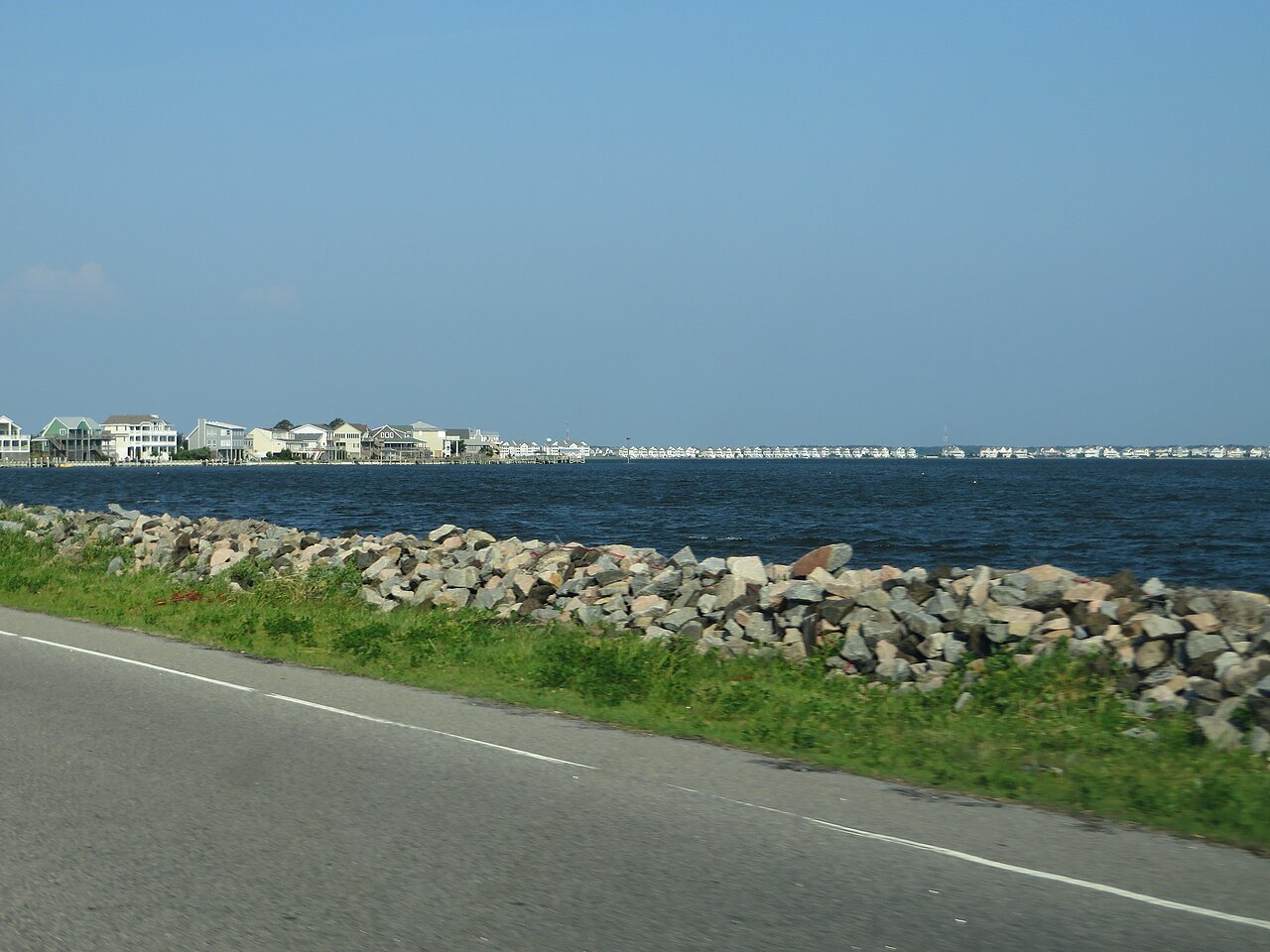
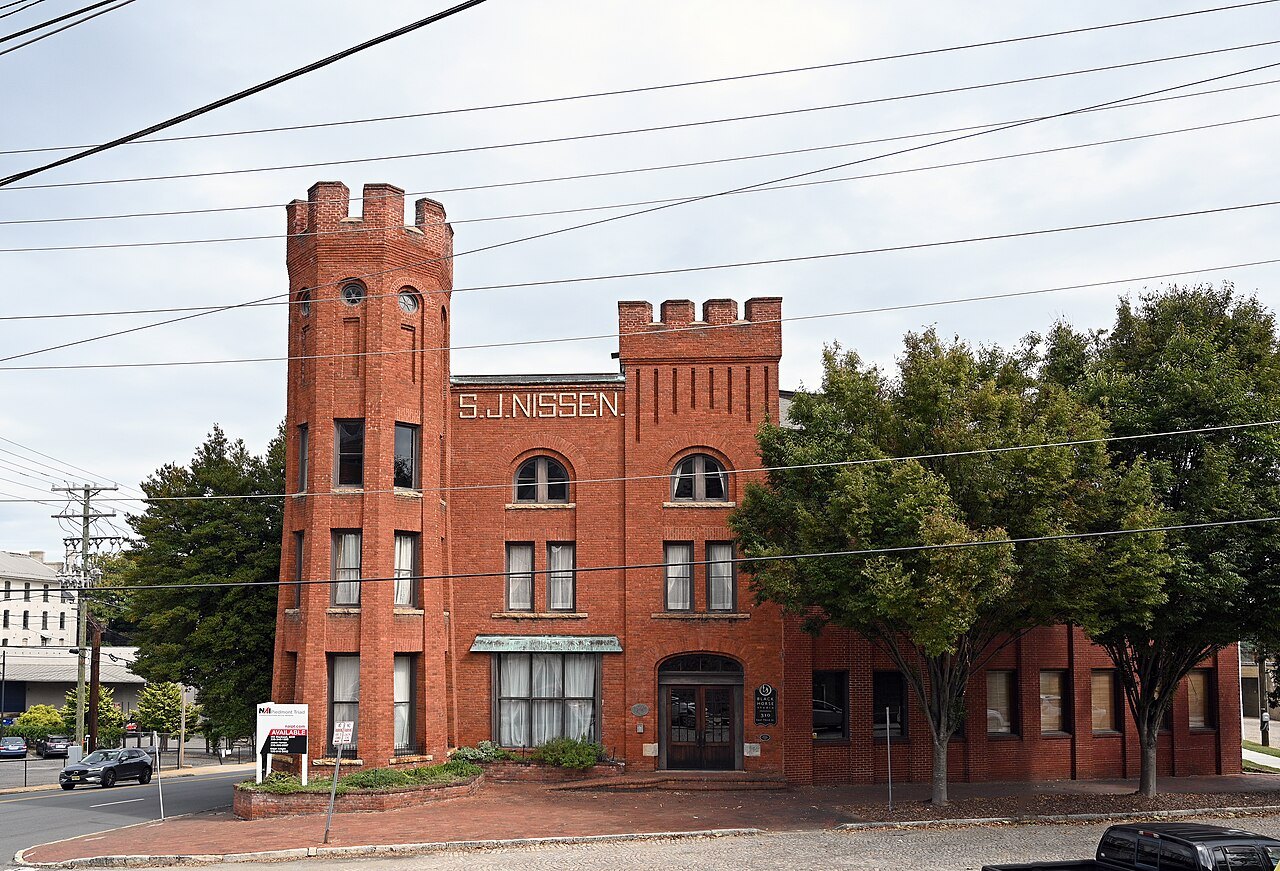
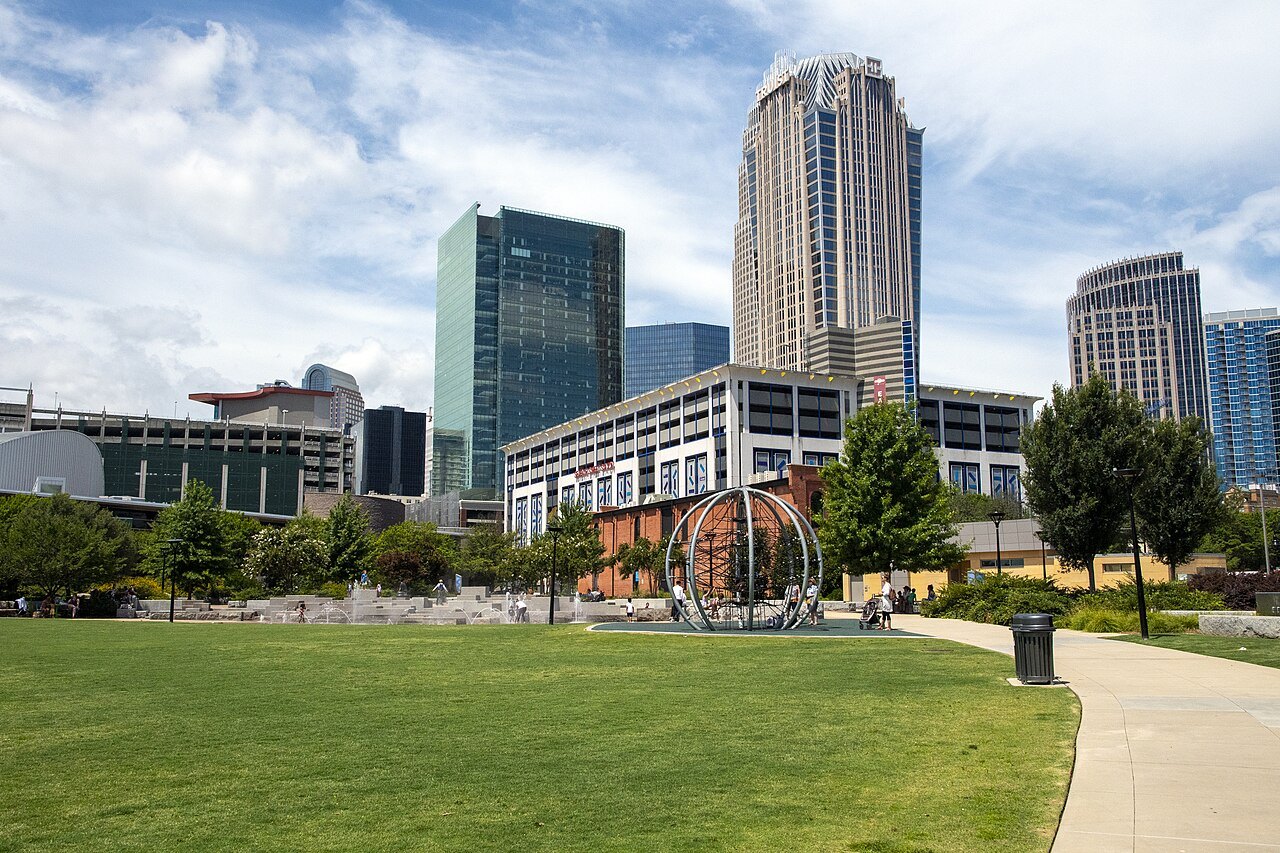
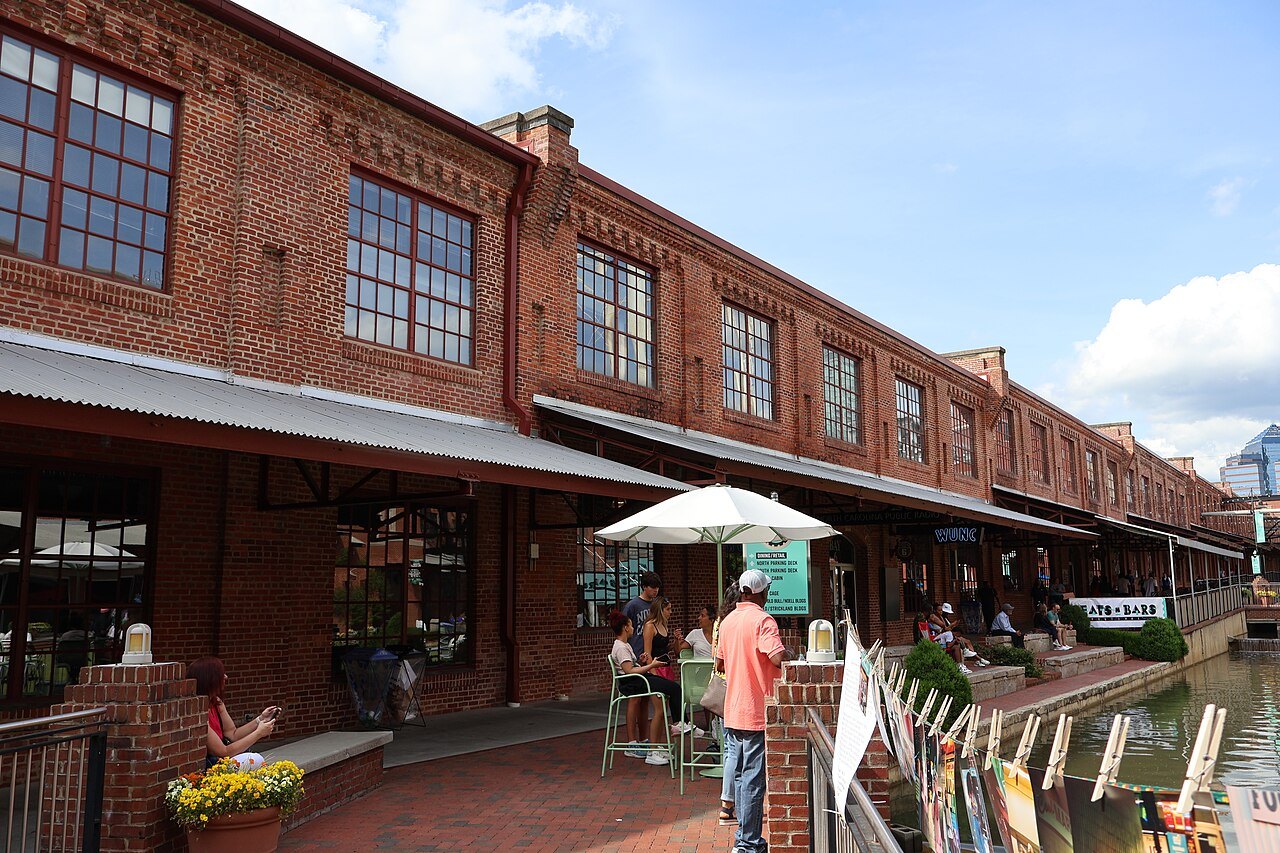
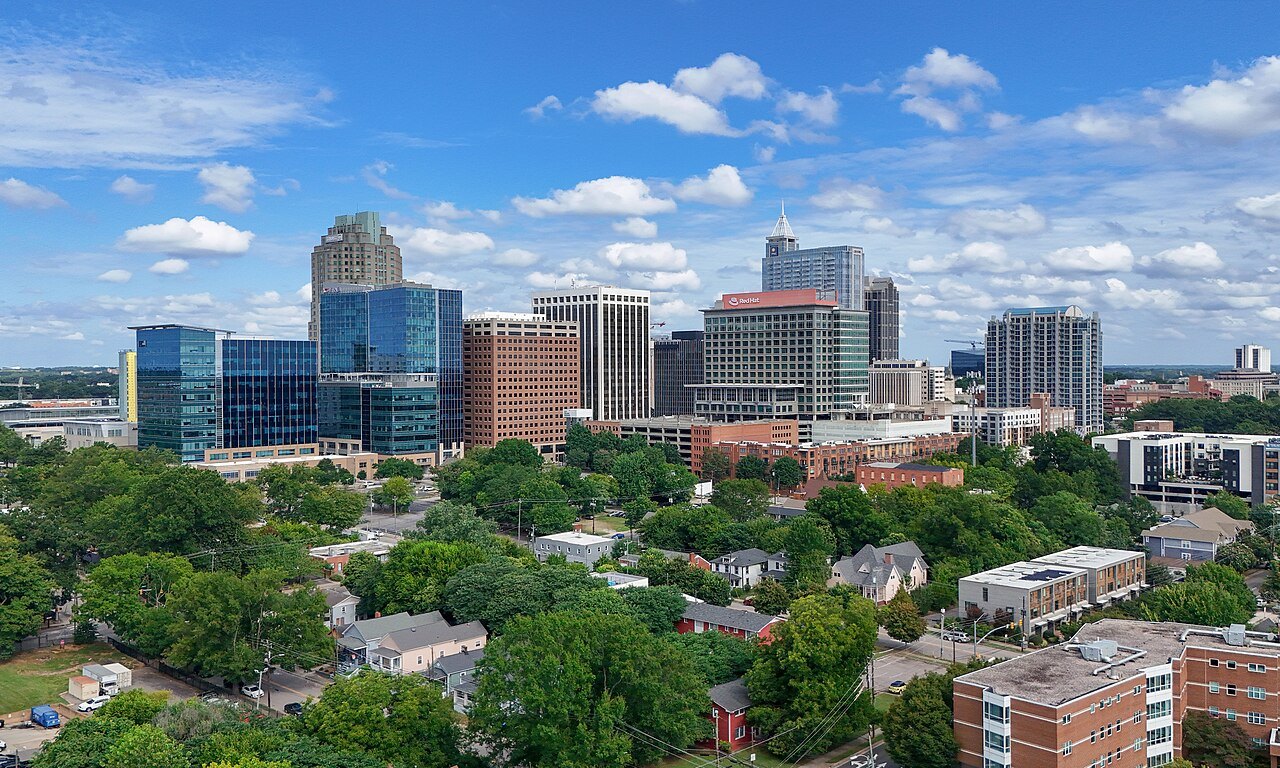
Photographs: DiscoA340, Wikimedia Commons, CC BY-SA 4.0 · w_lemay, Wikimedia Commons, CC BY-SA 2.0 · Ken Lund from Reno, Nevada, USA, Wikimedia Commons, CC BY-SA 2.0
Access North Carolina · Eight towns
Eight cities and towns, from Asheville in the mountains through Winston-Salem, Charlotte, Durham and Raleigh in the Piedmont to New Bern, Beaufort and Wilmington on the coast: the places to stay, and each one worth a day of its own.
The eight cities and towns
The Mountains
The Piedmont
The Coast
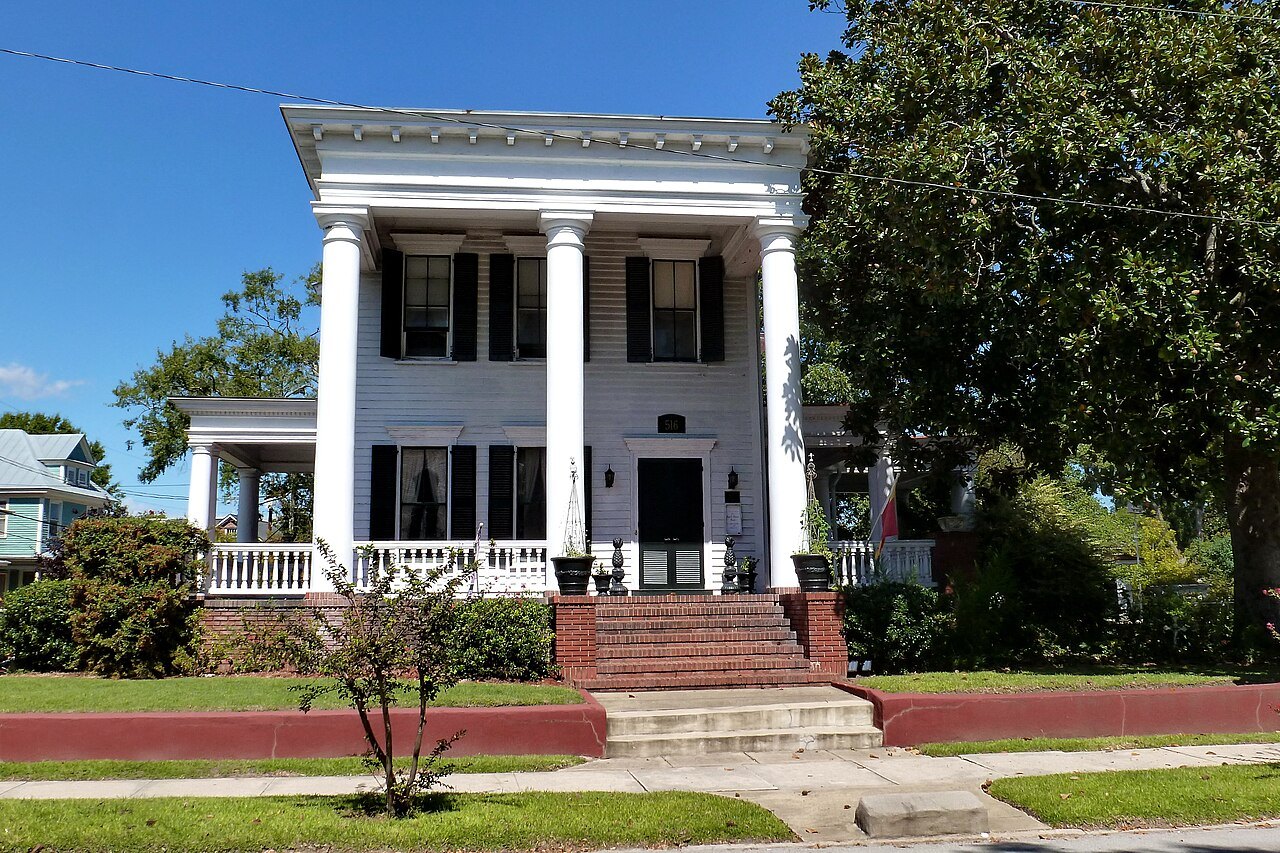
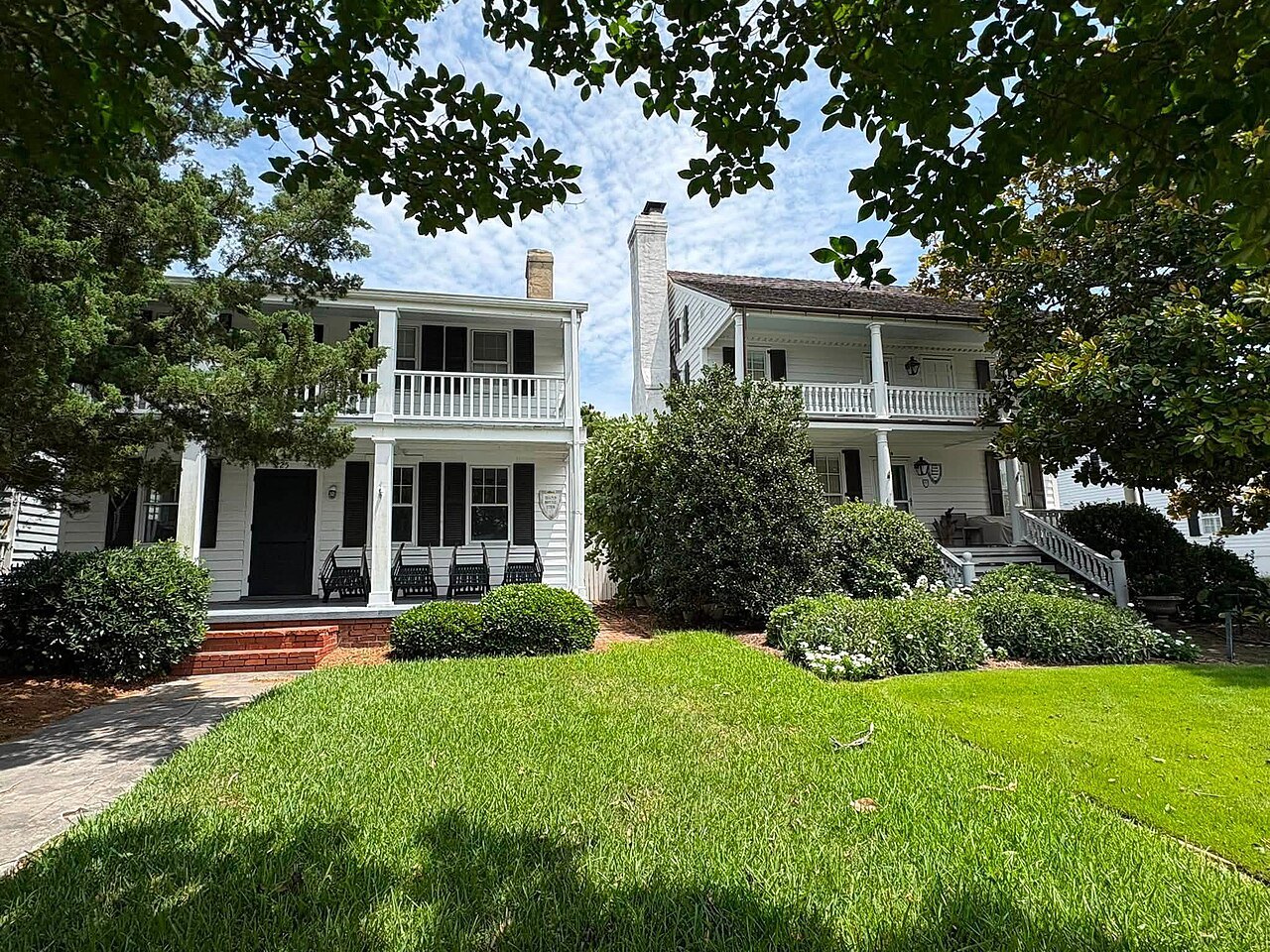
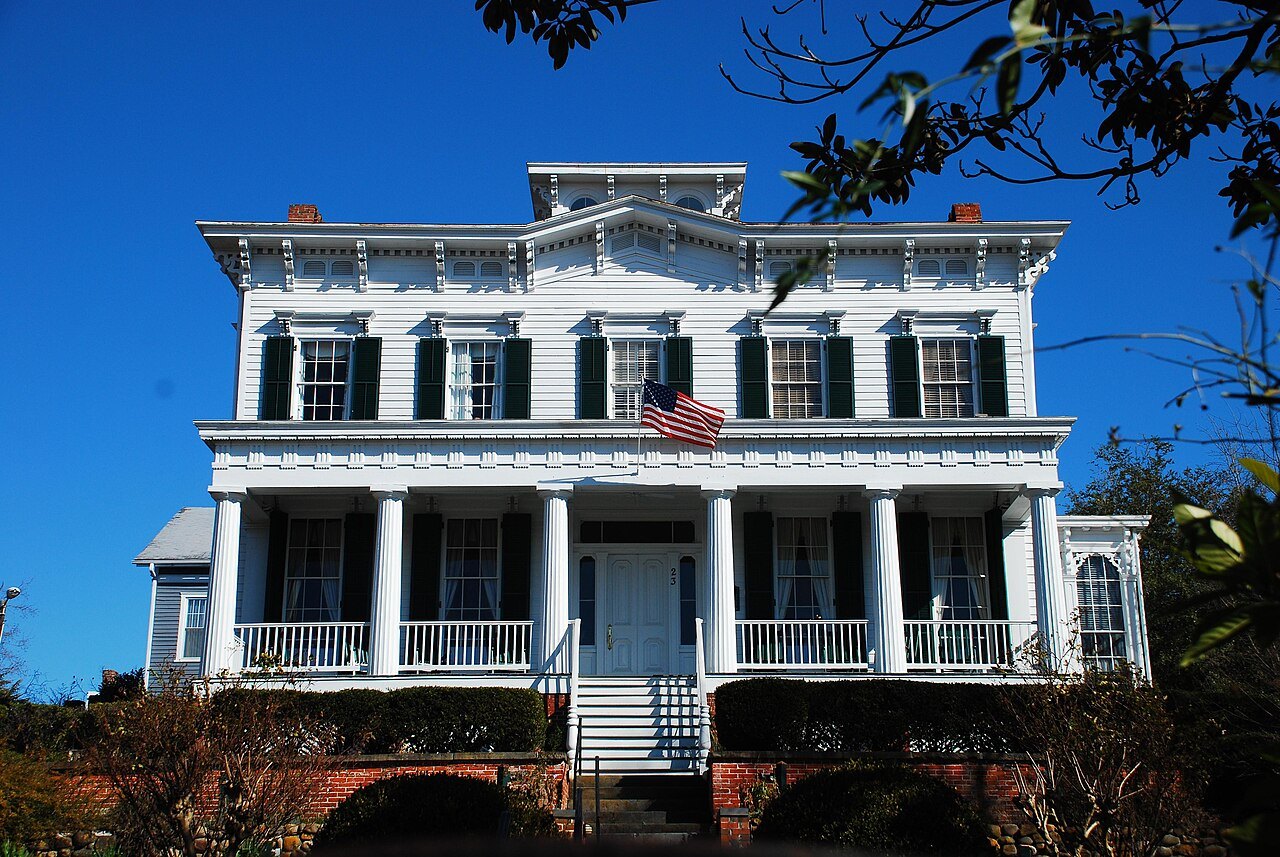
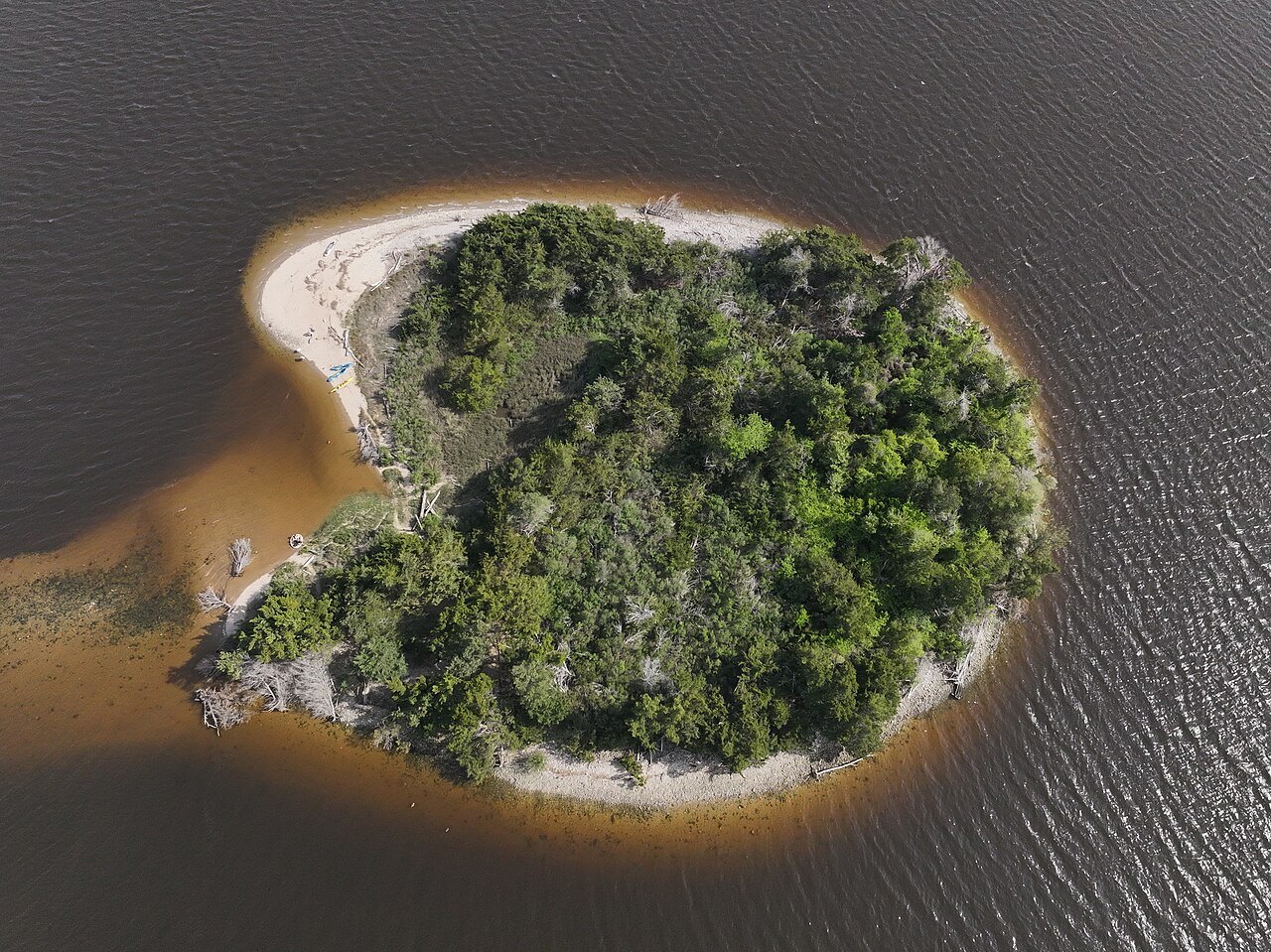
Cities as bases
North Carolina's great sights are mostly out in the country, on the Parkway, in the parks and on the islands, and its cities are where you sleep, eat and fill the days in between. But each of the eight on this site has its own story and its own landmarks, and several are among the most interesting old towns in the South.
They are grouped by region. The Piedmont, the most urban part of the state, has four of them, strung along I-40 and I-85; the mountains have one, Asheville, which serves the whole western end of the state; and the coast has three old ports, each the base for a stretch of shore. Where to Stay adds the smaller towns, from Blowing Rock to Ocracoke.
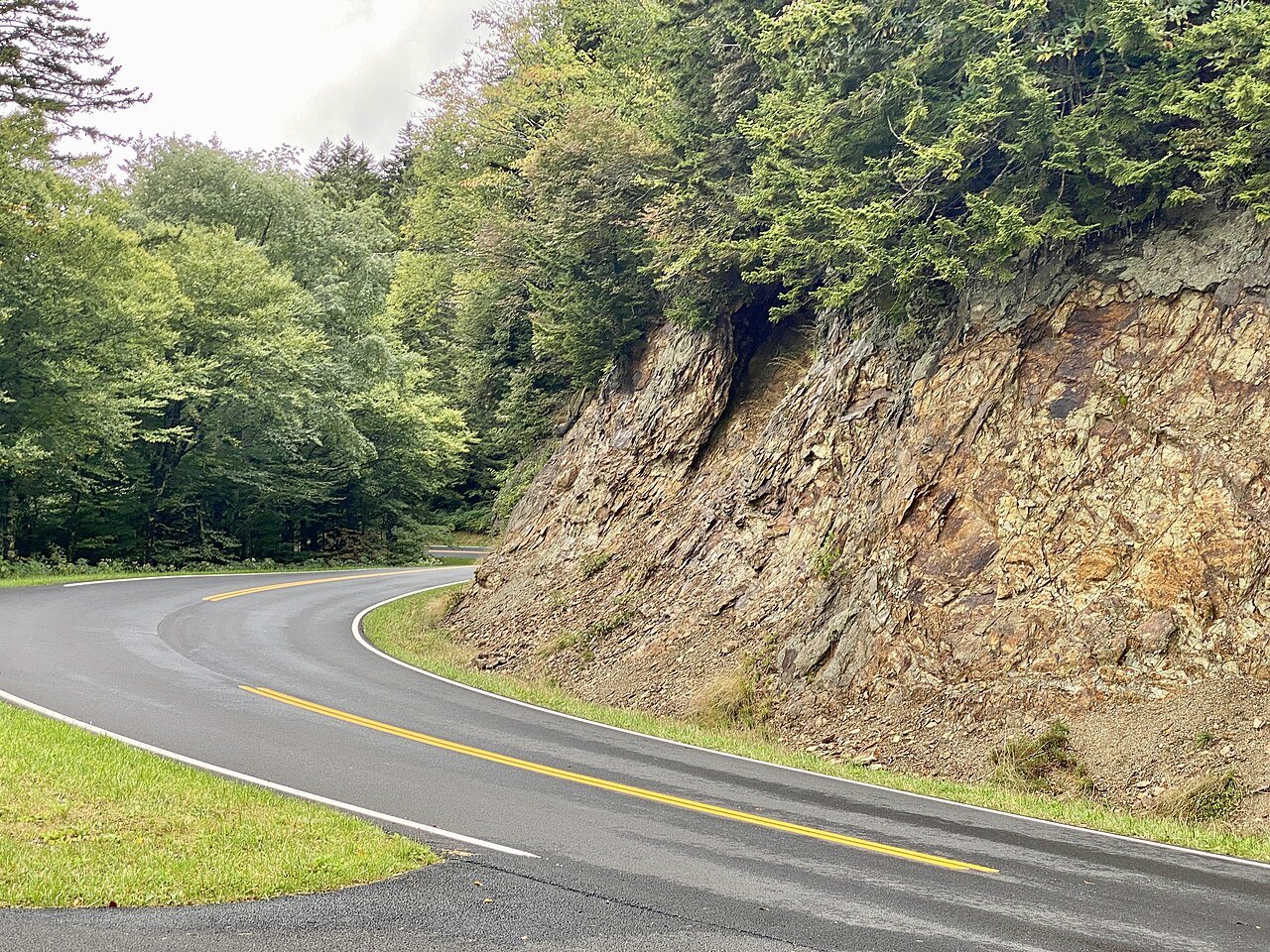
Asheville
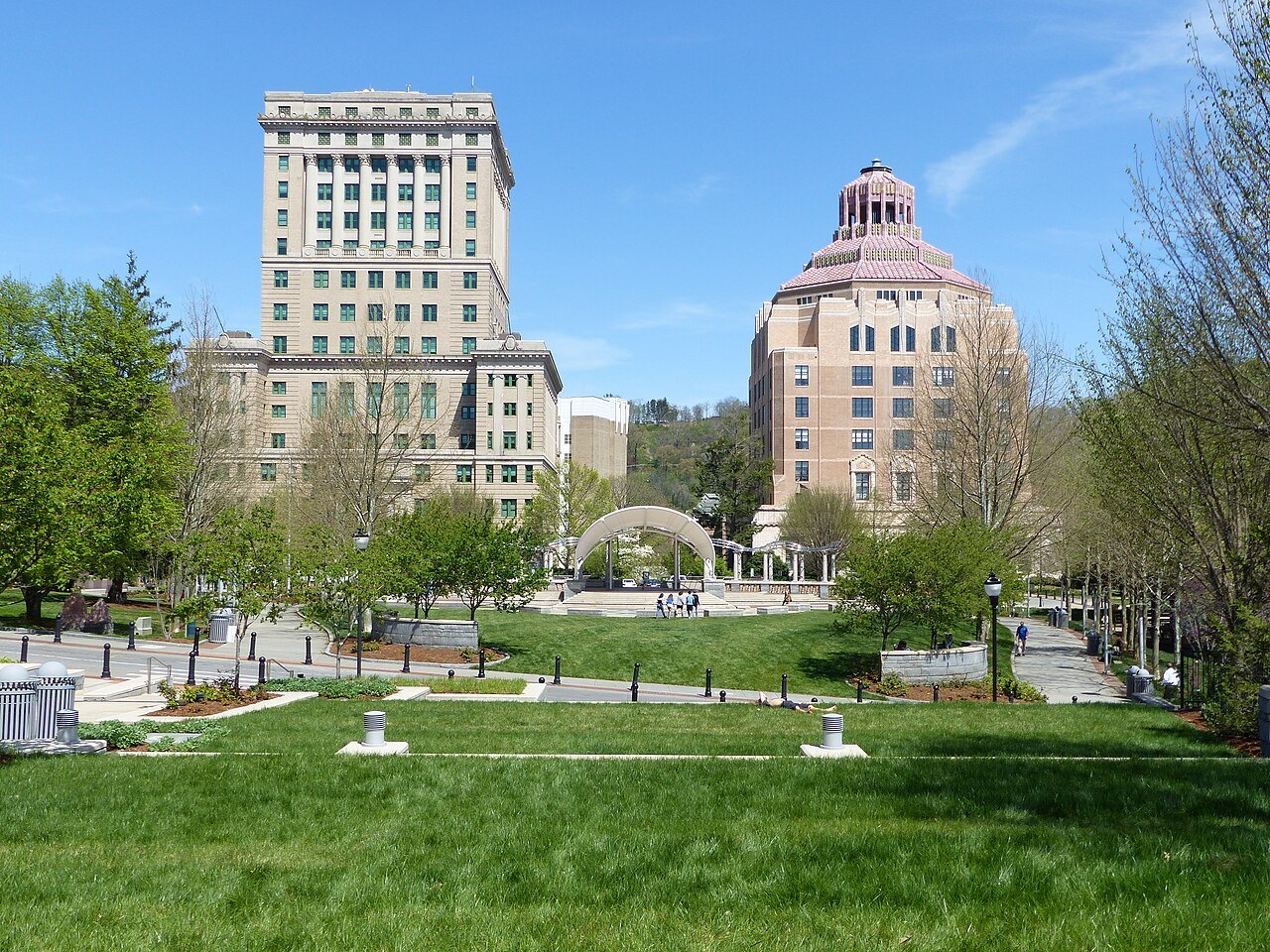
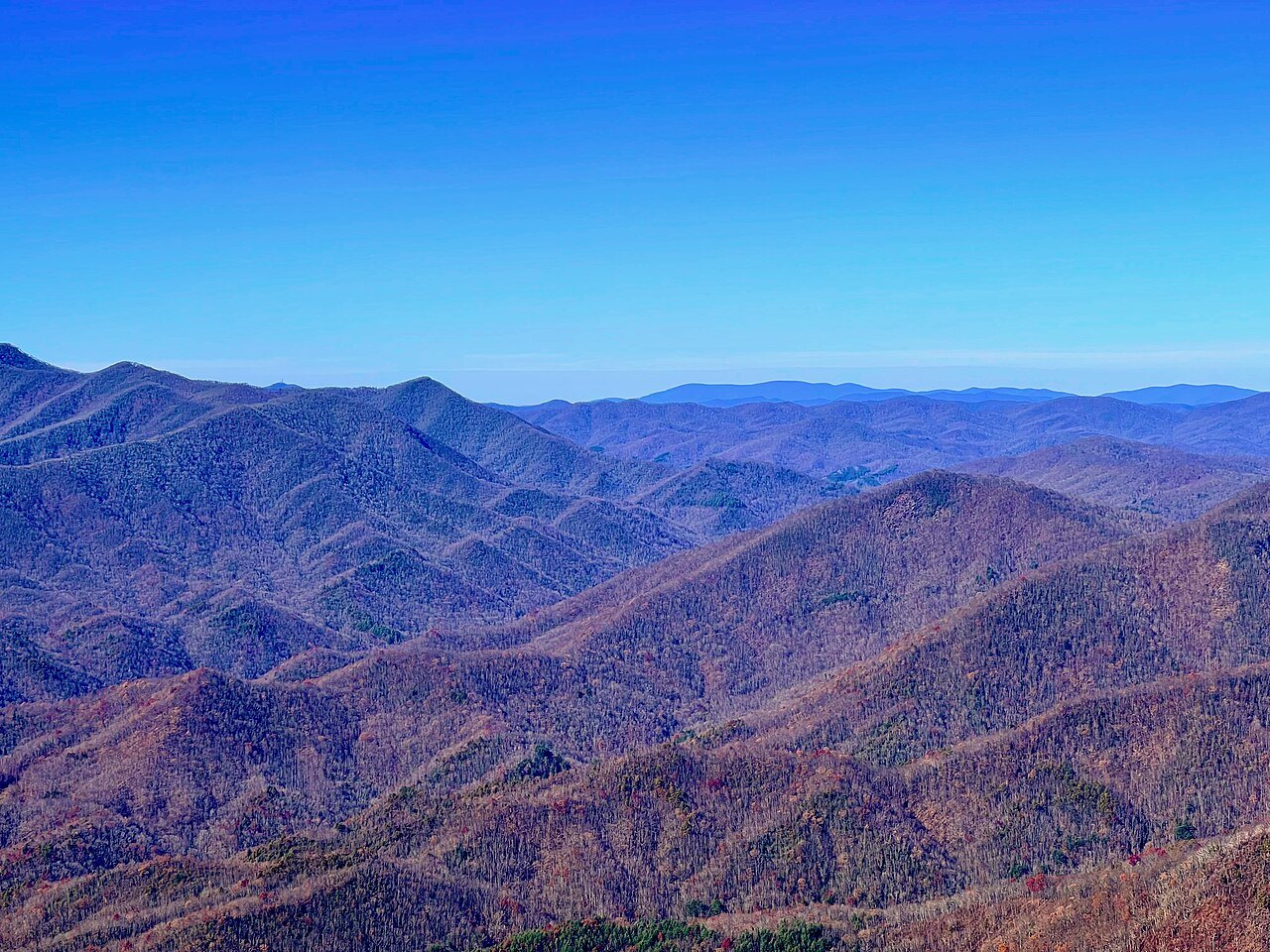
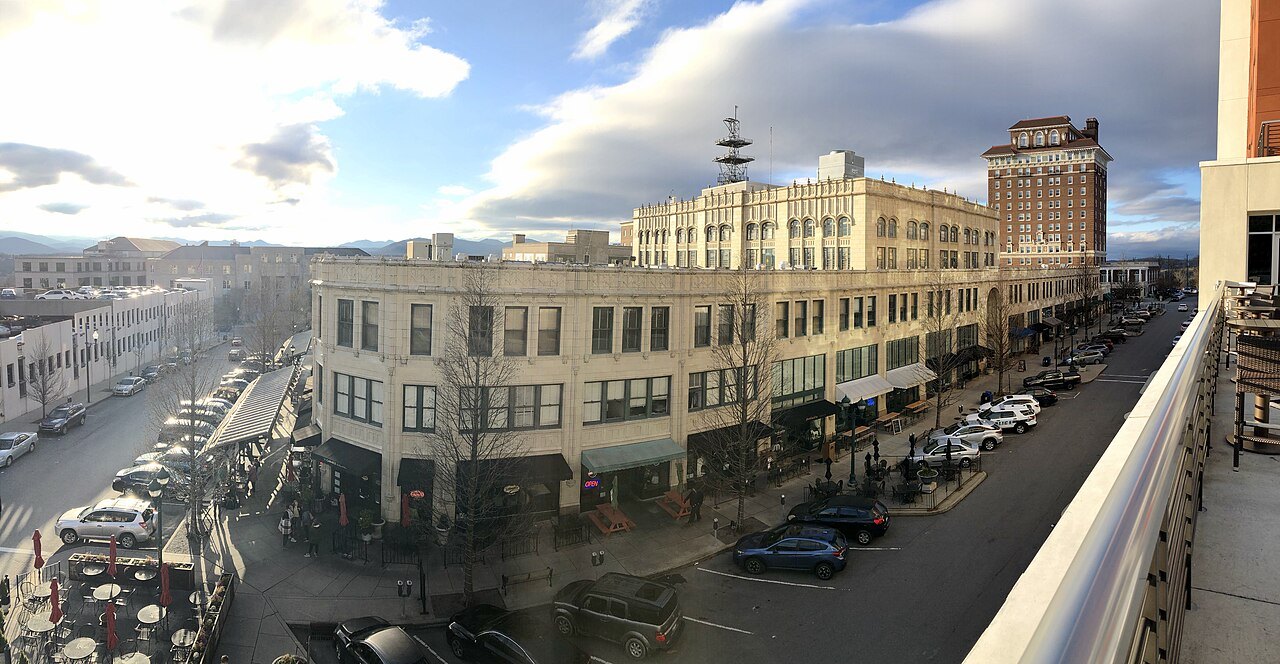
Asheville, where the French Broad and Swannanoa rivers meet, is the largest city of the mountains and the base for the Blue Ridge Parkway, Biltmore and the high peaks. A boom in the 1920s and the long slump that followed left it one of the most complete Art Deco downtowns in the country, and its River Arts District, crafts, music and breweries have made it famous. The Cherokee called the ground by the rivers Tokiyasdi, "where they race".
In September 2024 Hurricane Helene flooded both rivers and devastated the city and the country around it. Much has reopened and much is still rebuilding, and a visit now is part of the recovery.
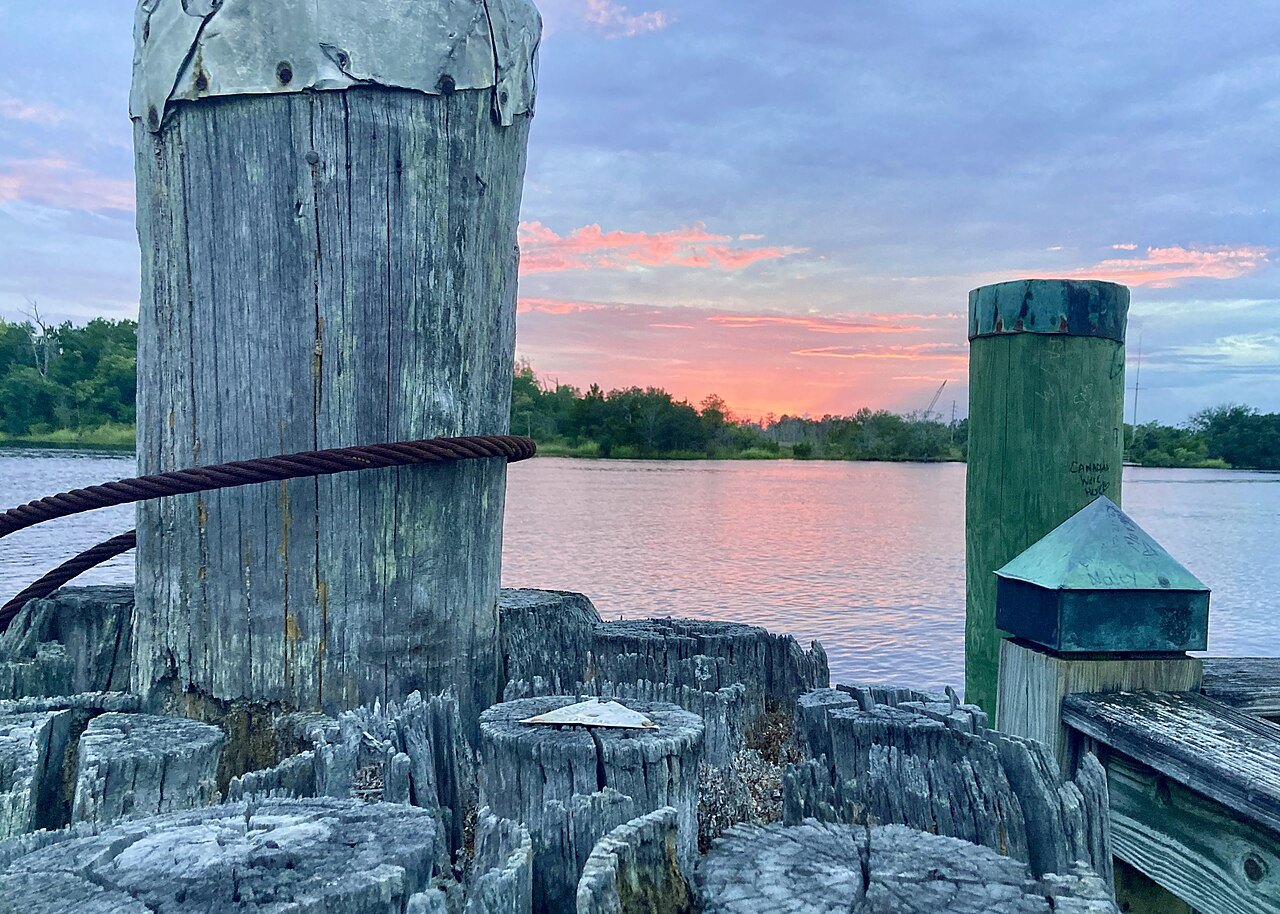
The Piedmont cities
Winston-Salem is two towns joined in 1913: Salem, the Moravian church town of 1766, kept whole as Old Salem, and Winston, which grew rich on Camel cigarettes and Hanes socks and built the tower that served as the model for the Empire State Building. It created the country's first arts council and is still known as a city of the arts.
Charlotte, the largest city in the state and the second banking center of the nation, grew up where two Native American trading paths crossed, and its Uptown towers stand over old gold mines. It has one of the busiest airports in the country, the NASCAR Hall of Fame and a string of museums, and it is the natural gateway for trips west to the mountains.
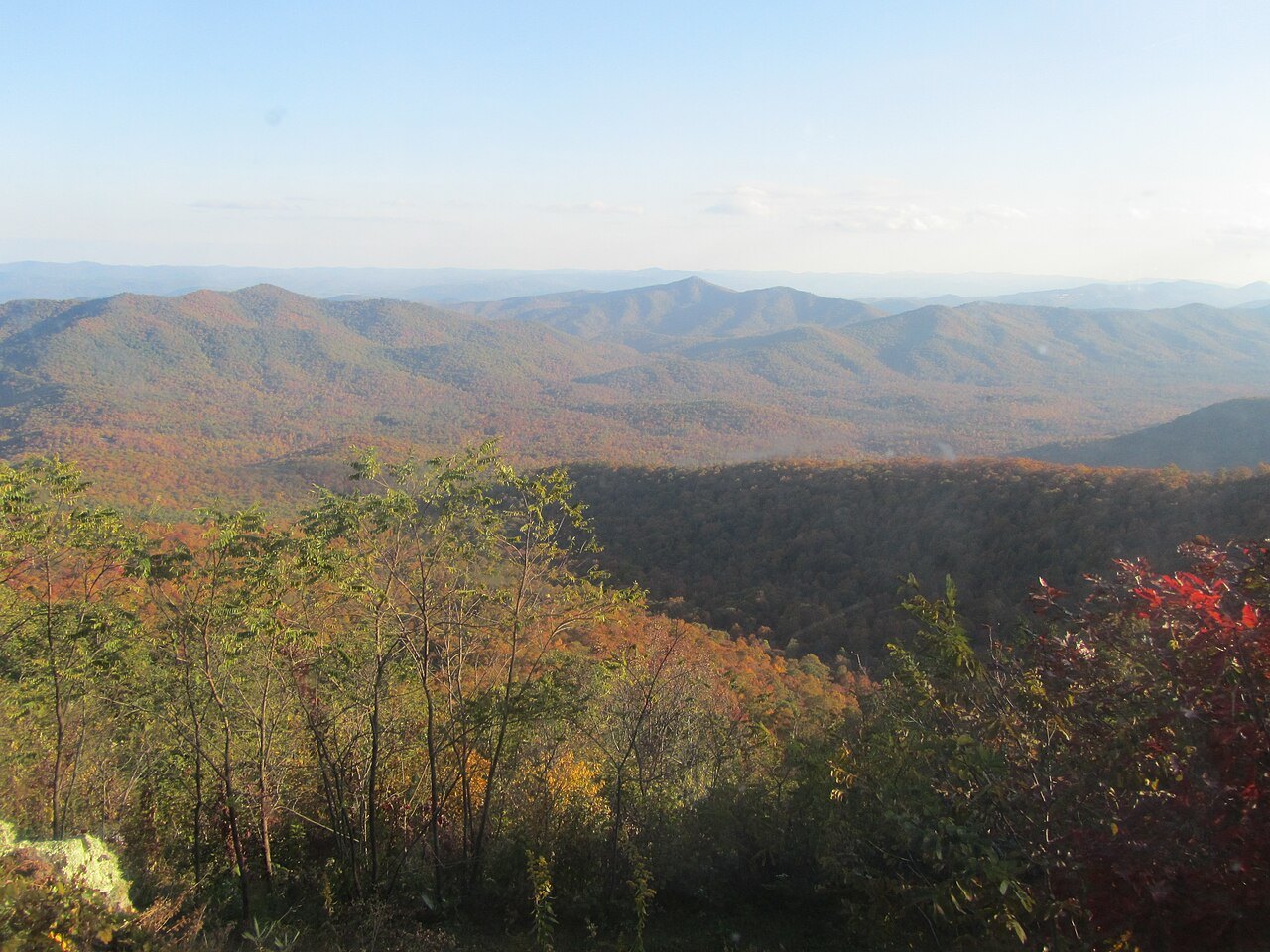
Durham grew from a railroad depot into the capital of the tobacco trade, and the Dukes' fortune built its university. Parrish Street was known across the country as Black Wall Street, and the old cigarette factories of the American Tobacco Campus are now full of restaurants, offices and theaters beside the Durham Bulls' ballpark.
Raleigh, the capital since 1792, was planned from nothing on a grid around its Capitol. It is the state's museum town, with the museums of natural sciences, history and art, and with Durham and Chapel Hill it forms the Research Triangle, around the largest research park in the United States.
The coastal towns
New Bern, founded in 1710 by Swiss and Palatine settlers where the Trent meets the Neuse, was the colonial capital and later the largest city in the state. It is the town of Tryon Palace, of four historic districts full of old houses, and of Pepsi-Cola, first mixed there by a local pharmacist.
Beaufort, the third-oldest town in the state, is a small old seaport beside Beaufort Inlet, with a maritime museum and a historic district, and boats to Cape Lookout and the wild horses of Shackleford Banks leave from the town. Blackbeard ran his flagship aground near the inlet in 1718.
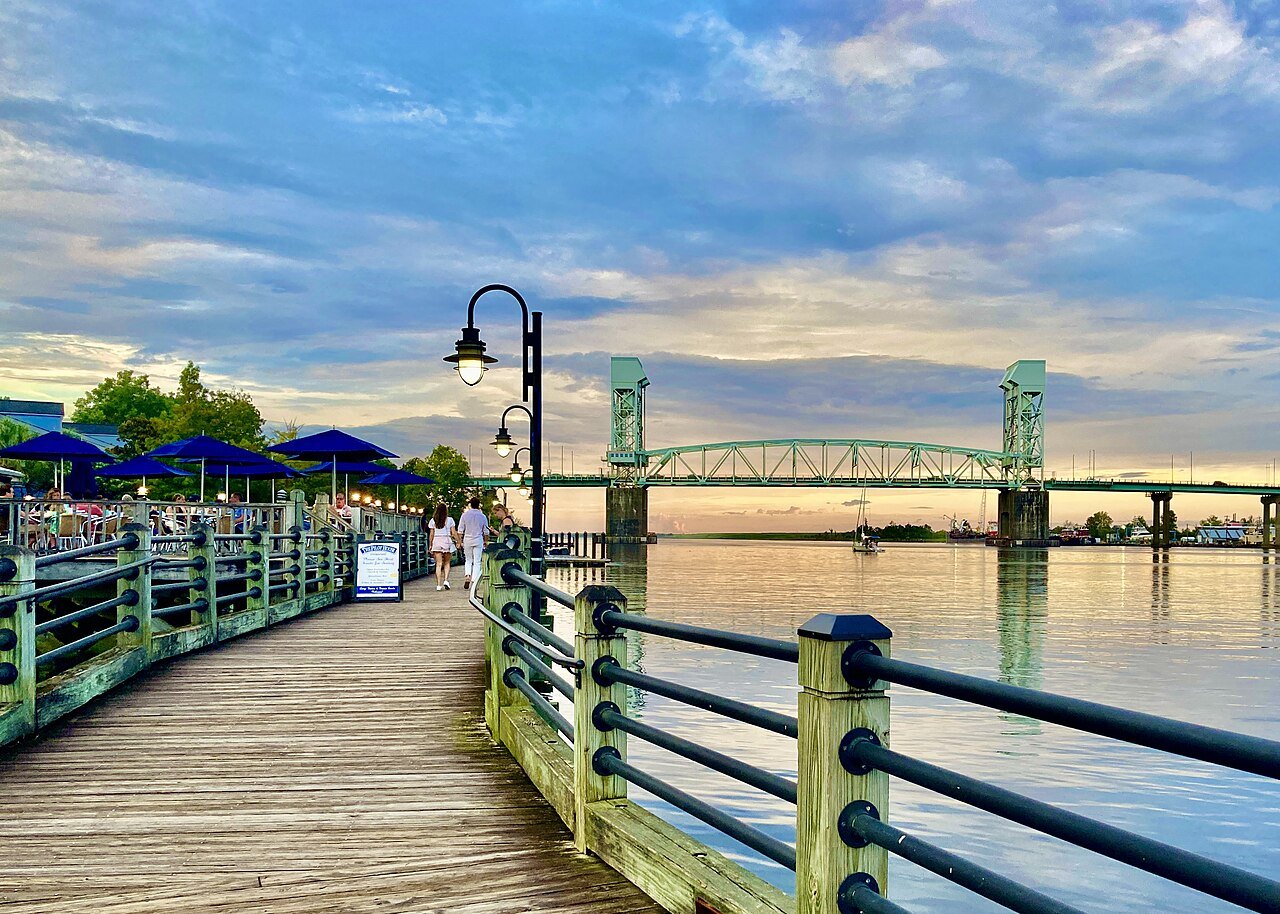
Wilmington, the old port on the Cape Fear River, has a long riverwalk past a downtown of antebellum buildings, the Battleship North Carolina across the water, and three beaches within reach. Its history includes the last Confederate port to fall and the coup of 1898, the only one in the country's history, and in recent decades a film industry.
Choosing a city
For a first trip, pair one mountain base with one coastal base and a night or two in the Piedmont between them: Asheville, then Winston-Salem or the Triangle, then the Outer Banks or Beaufort. For a short city break, Raleigh and Durham together have the most to see in the least driving, and the trains between Charlotte, Greensboro, Durham and Raleigh mean you can leave the car behind.
Each city page covers its history, its sights and neighborhoods, and how to get around, with links to the landmarks nearby. The landmarks page groups the twenty-one landmarks by region.
Small towns worth a stop
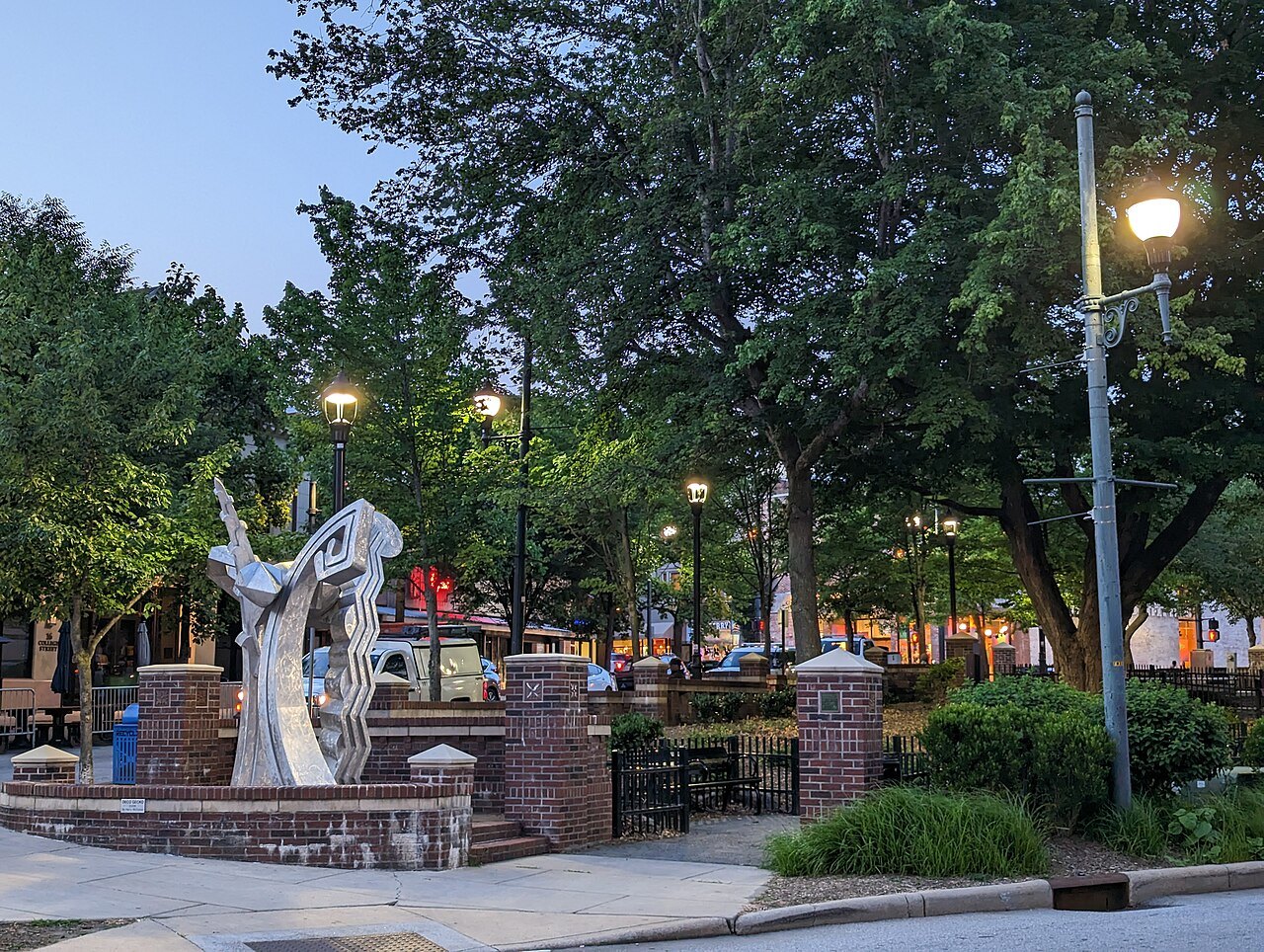
Between the cities, a string of small towns is worth knowing. In the mountains, Blowing Rock sits on the crest of the Blue Ridge, Boone is the college town of the High Country, Brevard stands at the gate of the Pisgah forest, Hendersonville lies south of Asheville on I-26, and Cherokee is the capital of the Eastern Band of Cherokee Indians at the edge of the Smokies. In the Piedmont, Chapel Hill is the university town of the Triangle, and Lexington is the capital of Piedmont barbecue.
Greensboro, the third-largest city in the state, lies between Winston-Salem and Durham where I-40, I-85 and I-73 meet. It is not one of this site's eight bases, but two of its sites are worth a detour: the International Civil Rights Museum, in the Woolworth's store where the famous lunch-counter sit-ins took place, and Guilford Courthouse National Military Park, where a battle of March 15, 1781, opened the campaign that ended the Revolutionary War. Greensboro's airport serves the Triad.
On the coast, Manteo, the county seat on Roanoke Island, is named for the Croatan man who crossed to England in 1584, Ocracoke's village wraps around its harbor at the end of the ferry, and Morehead City, next to Beaufort, is a working port and a base for deep-sea fishing. Wrightsville Beach, just east of Wilmington, is the old resort of the port city, and Beaufort's neighbors on the Crystal Coast, Atlantic Beach and the fort on Bogue Banks, lie just across the water. Farther down the coast, the little town of Calabash near the state line has been known for its fried seafood since the 1930s.
More for planning
Sources read for this page
- en.wikipedia.org/wiki/Asheville,_North_Carolina
- en.wikipedia.org/wiki/Winston-Salem,_North_Carolina
- en.wikipedia.org/wiki/Charlotte,_North_Carolina
- en.wikipedia.org/wiki/Durham,_North_Carolina
- en.wikipedia.org/wiki/Raleigh,_North_Carolina
- en.wikipedia.org/wiki/New_Bern,_North_Carolina
- en.wikipedia.org/wiki/Beaufort,_North_Carolina
- en.wikipedia.org/wiki/Wilmington,_North_Carolina
- en.wikipedia.org/wiki/Greensboro,_North_Carolina