THE COAST · NEW HANOVER COUNTY
Wilmington, the port on the Cape Fear
Photographs: Historicwilmingtonfoundation, Wikimedia Commons, Public domain · DiscoA340, Wikimedia Commons, CC BY-SA 4.0 · Idawriter, Wikimedia Commons, CC BY-SA 3.0
The cities · The Coast
The old port city of the Cape Fear River, between the river and the Atlantic: a long riverwalk past a downtown of antebellum houses that survived the Civil War, the last Confederate port to fall, a battleship across the water, its film studios, and three beaches within reach.
- The RiverwalkAlmost two miles of walkway along the Cape Fear through downtown, facing the battleship.
- Thalian HallThe city hall and opera house of the 1850s, built with the Thalian Association's help.
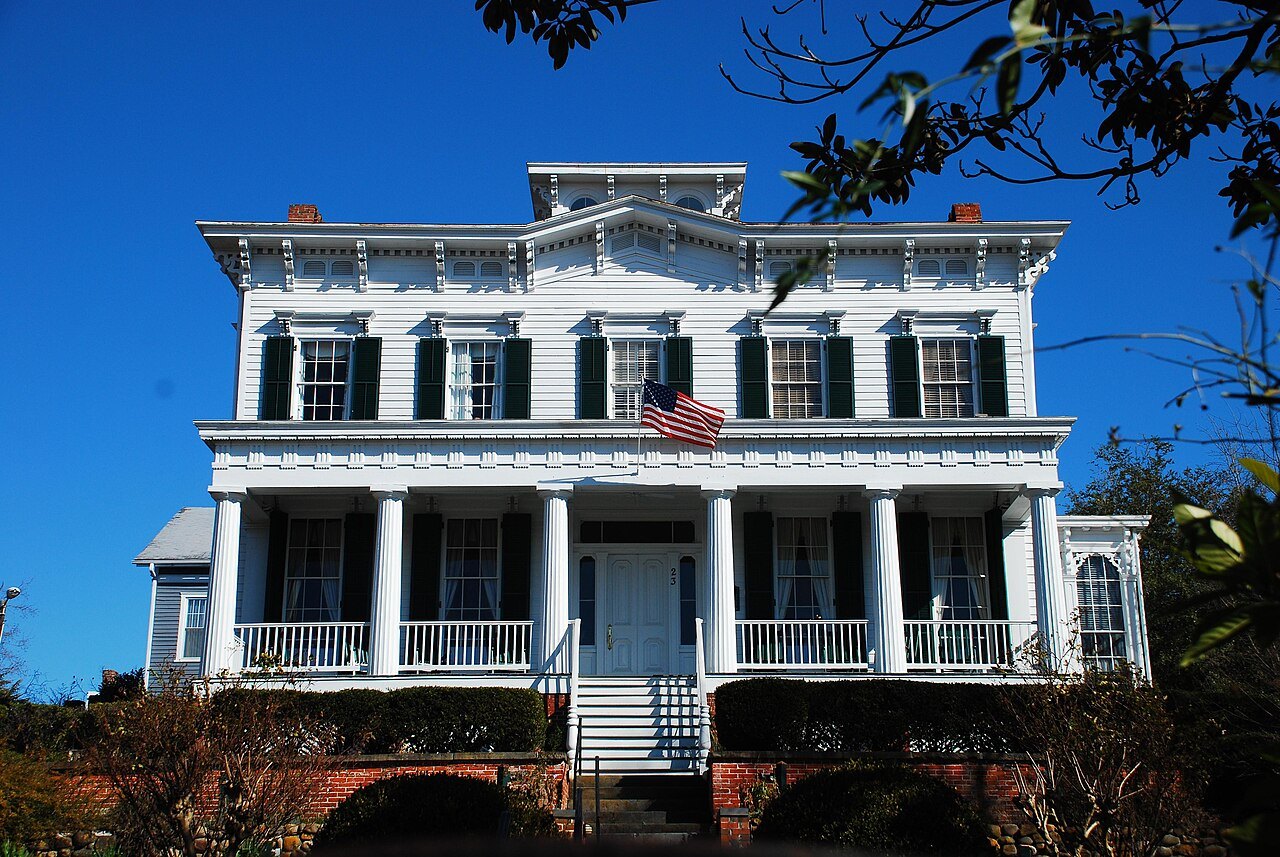
- The Bellamy MansionA historic mansion that is now a museum of history and the design arts.
- Oakdale CemeteryThe first rural cemetery in North Carolina, opened in 1855 by Burnt Mill Creek.
- The Cotton ExchangeOne of Wilmington's main shopping areas, along with Independence Mall.
- The beachesWrightsville Beach, Carolina Beach and Kure Beach, a short drive from the city.
Why it matters
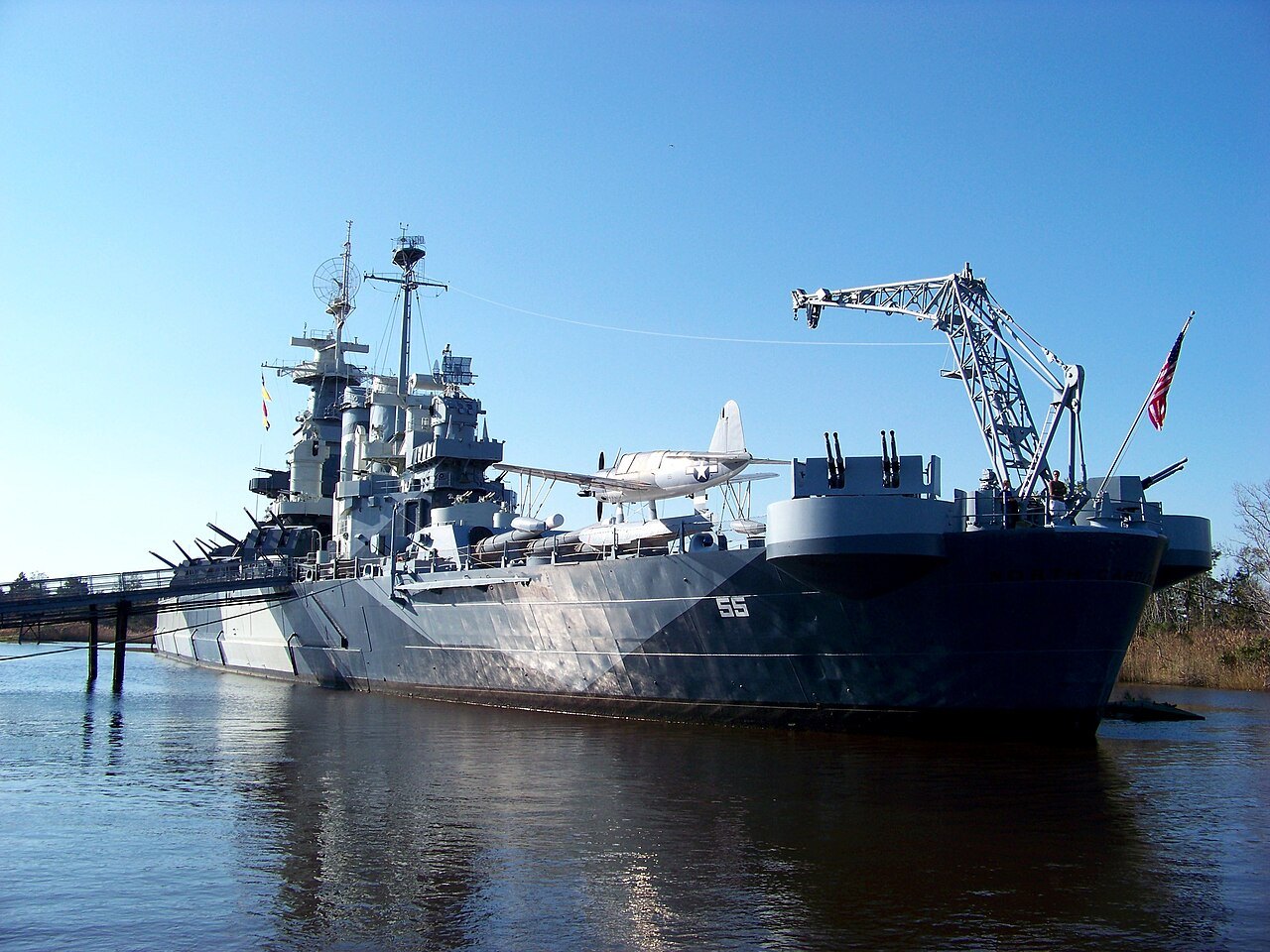
Wilmington is the eighth-largest city in North Carolina, with some 115,000 people living between the Cape Fear River and the Atlantic Ocean, and the principal city of the state's southern coast. It grew up as a commercial port in colonial times and is still a seaport, and it is the best base for the southern beaches and for the Battleship North Carolina, moored across the river from downtown.
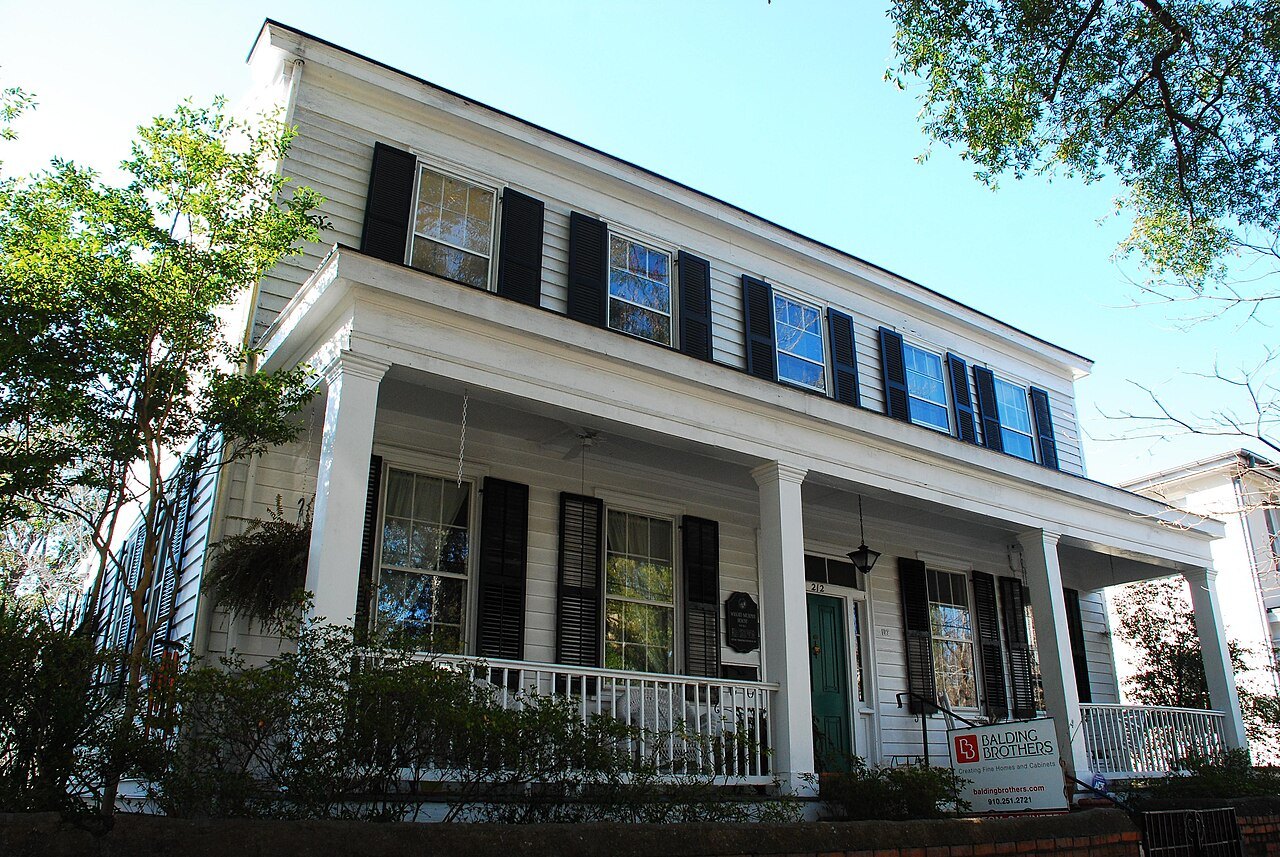
Because nearly all the fighting of the Civil War took place away from the city, many of its antebellum houses and public buildings survived, and a large downtown historic district runs back from the river.
A colonial port
People lived along the river for thousands of years before Europeans came, and Giovanni da Verrazzano is said to have been the first European to see the site. A settlement was founded in 1732 on the Cape Fear, where its northwest and northeast branches meet, and went through the names New Carthage, New Liverpool and Newton before it was named Wilmington in 1739 for Spencer Compton, Earl of Wilmington.
The port made the town a leader of the resistance to Britain. In October 1765 several hundred townspeople gathered against the Stamp Act, burned an effigy and drank to "Liberty, Property, and No Stamp Duty", and later staged a mock funeral for Liberty, who was found at the last moment to have a pulse.
Railroads, blockade runners and war
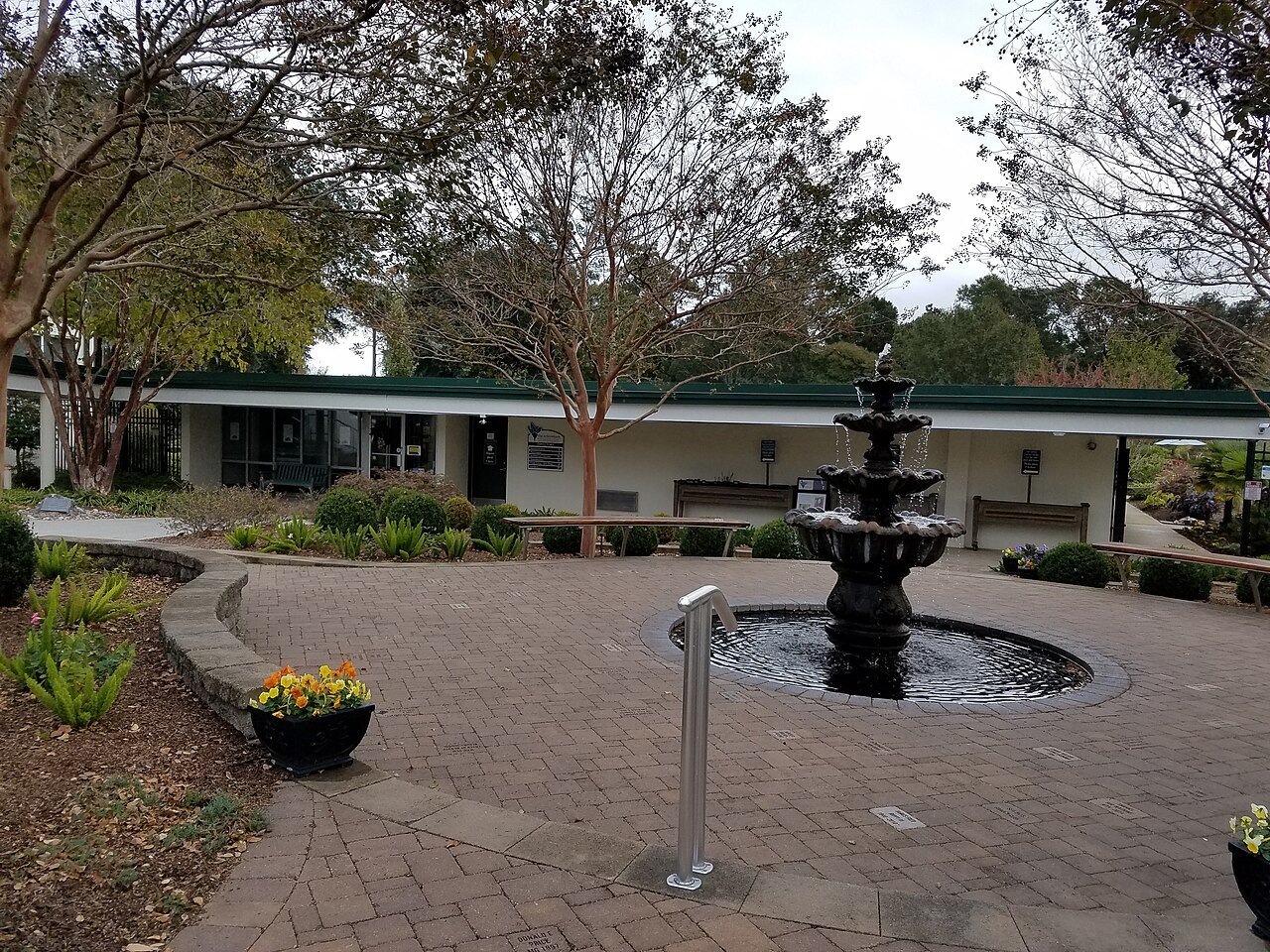
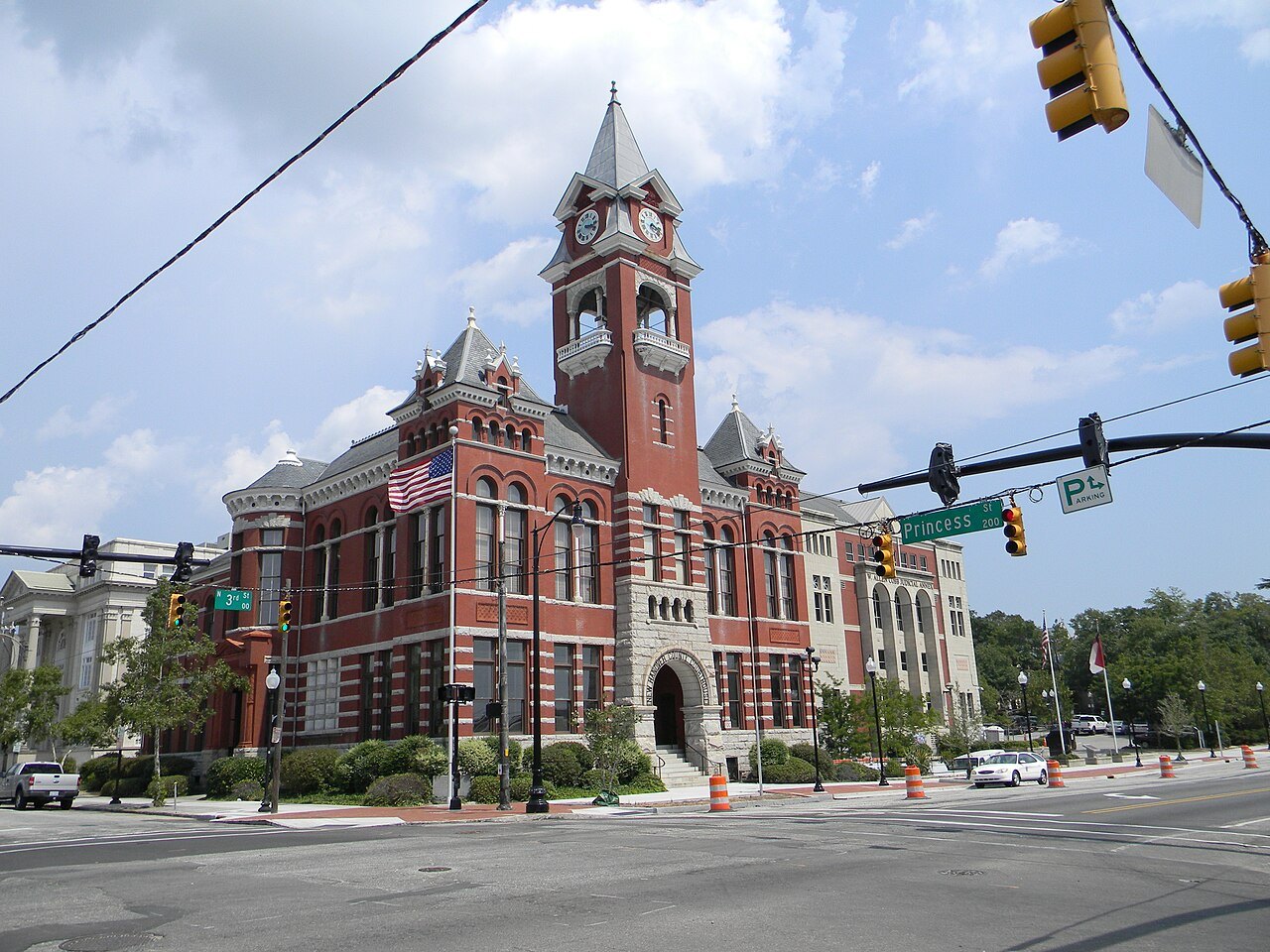
When the railroad from Wilmington to Weldon was finished in 1840, it was the longest single line of track in the world, and its steamboats and packet lines made Wilmington a main stopover on the coast. In the 1850s the city opened Oakdale Cemetery, the first rural cemetery in the state, and built its city hall with an opera house, Thalian Hall, attached.
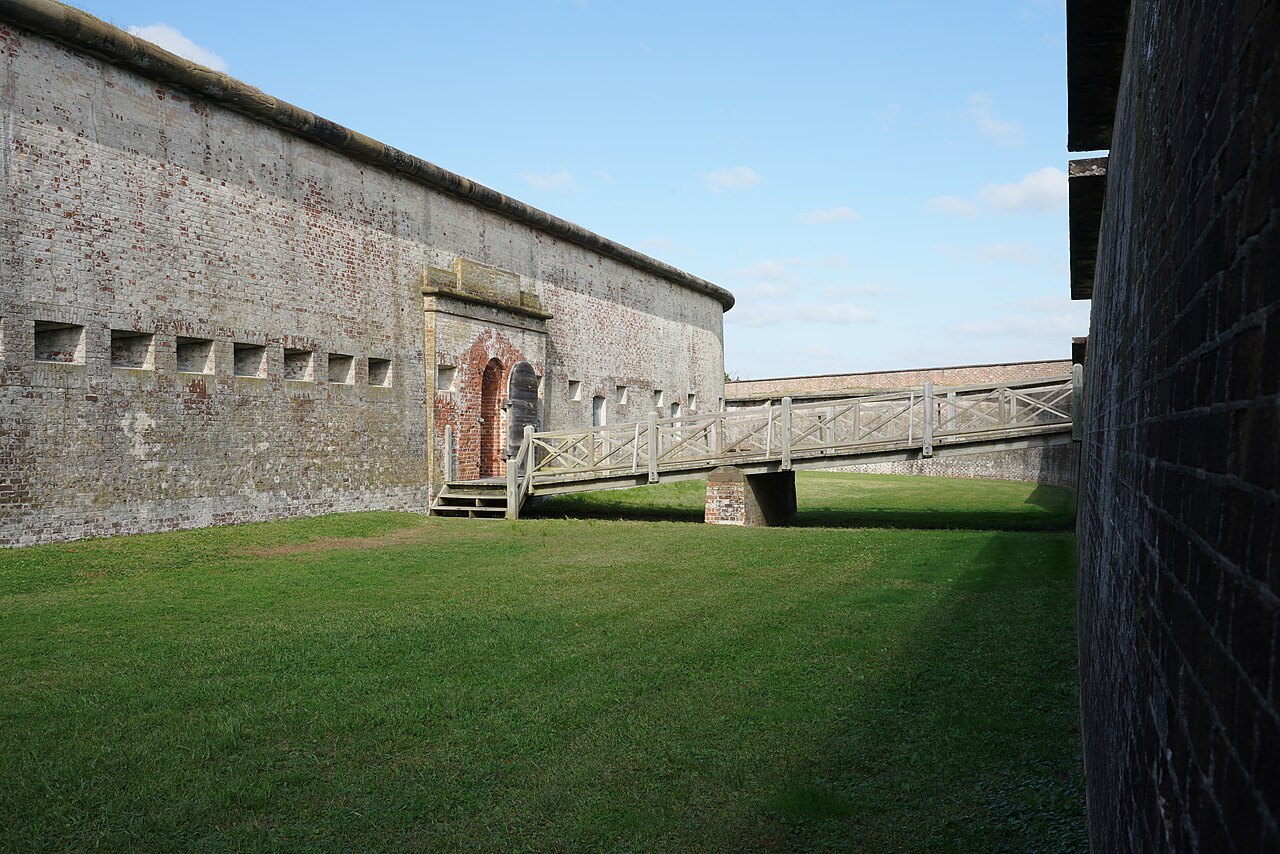
During the Civil War Wilmington was the main base of the blockade runners that brought supplies from England to the Confederacy. The fall of Fort Fisher in January 1865 closed the port, and the city was taken a month later, the last Confederate port to be captured. The war brought other hardships: in August 1862 a deadly outbreak of yellow fever, blamed at the time on a blockade runner, devastated the town.
1898
After the war Wilmington was the largest city in the state and a majority-Black, racially integrated, prosperous one, with Black aldermen, police officers and officials, a large share of the city's skilled craftsmen and businesses, and the only Black-owned daily newspaper in the state.
In November 1898, two days after an election, more than 1,500 armed white men led by Alfred M. Waddell burned that newspaper, forced the legitimately elected city government to resign at gunpoint and installed their own. It is the only such coup d'état in the history of the United States. White men killed an estimated 60 to more than 300 Black people, prominent Black citizens and white Republicans were banished, and more than 2,100 Black residents left the city for good. It is remembered as the Wilmington massacre.
The twentieth century
Charlotte overtook Wilmington as the state's largest city in 1910. The Bijou, which began as a tent in 1904, was for decades the oldest movie theater in the state. In World War II the North Carolina Shipbuilding Company built 243 ships here in five years, and three camps in the city held up to 550 German prisoners of war, and in 2020 Wilmington was named the country's first World War II Heritage City; in 2003 Congress had already named it a Coast Guard City.
Film changed the city. After a studio complex opened in 1984, Wilmington became a major center of American film and television; Blue Velvet, Teenage Mutant Ninja Turtles, The Crow and many television series were made in or near it, and today's studio, the largest film and television production facility in the country outside California, has the third-largest sound stage in the United States. The extension of I-40 to the city in 1990 brought rapid growth. In 2017 it emerged that a chemical called GenX, discharged by a plant upstream near Fayetteville, had been reaching the Cape Fear River, a main source of the region's drinking water, since 1980.
What to see
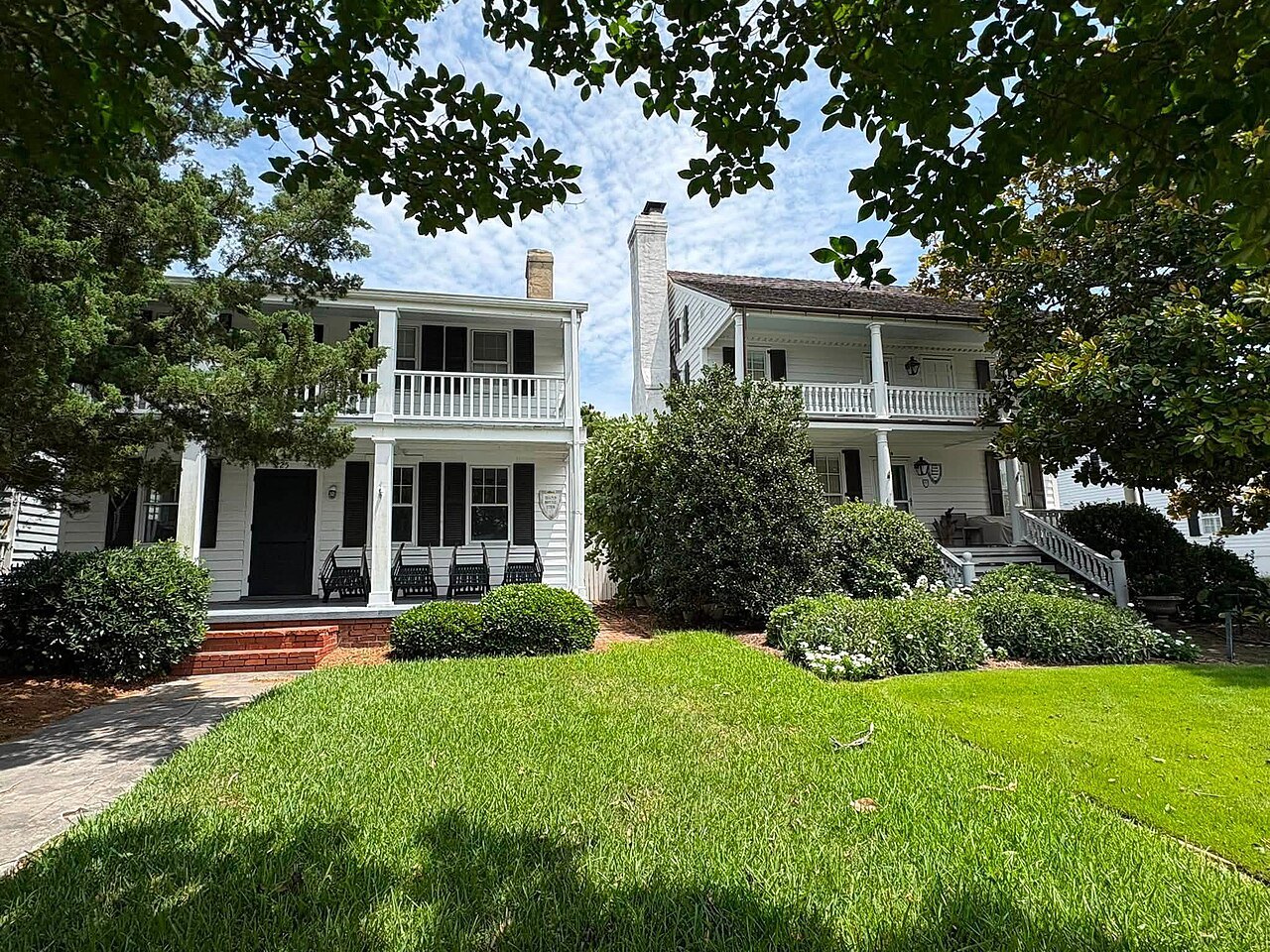
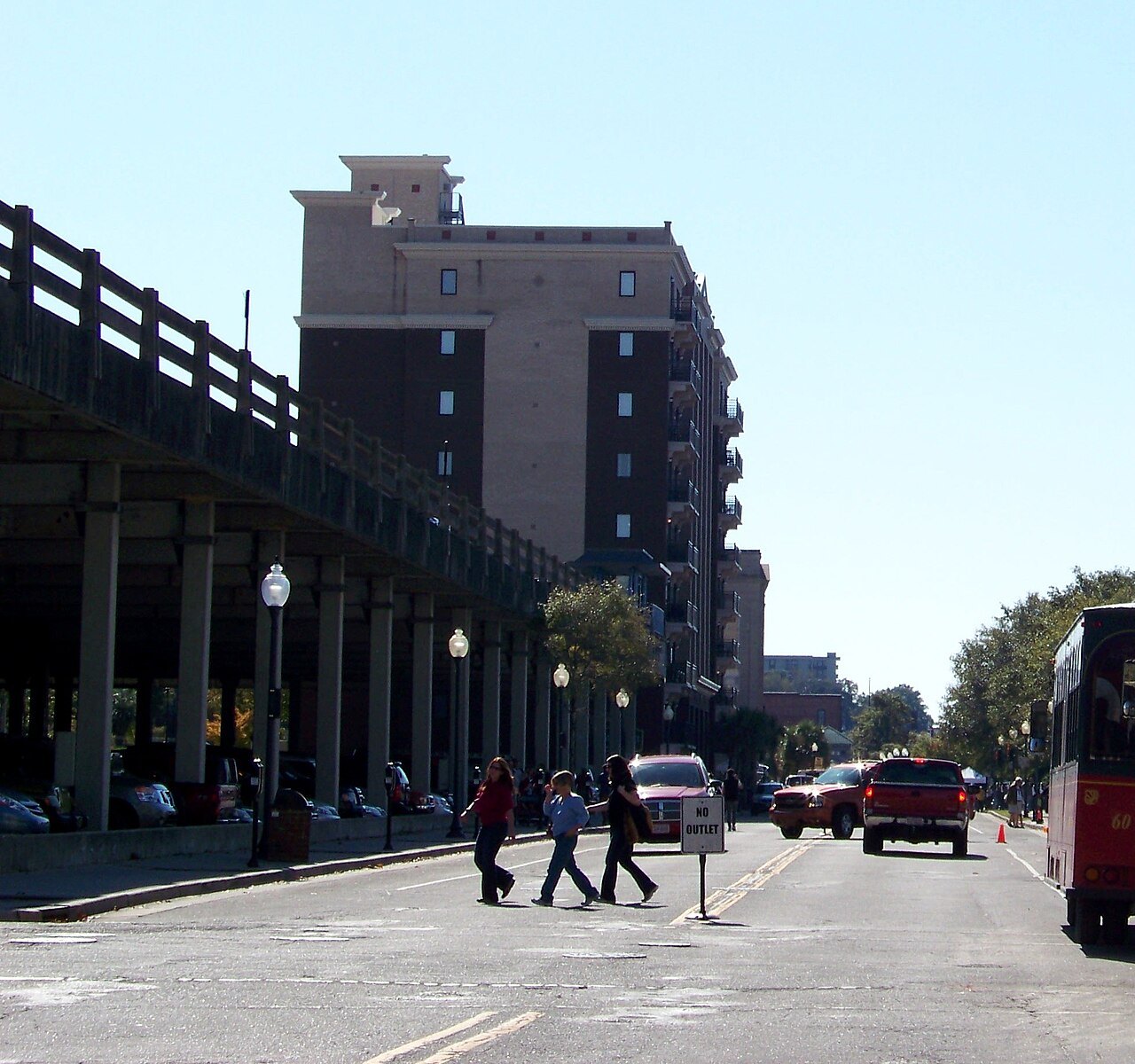
Downtown's riverwalk, almost two miles long, runs past the old port and the downtown shops, with the battleship across the water. Nearby are Thalian Hall, the Bellamy Mansion Museum of History and Design Arts, the Latimer House Museum and Gardens, and churches dating to 1797 and 1808. The Cameron Art Museum, the Cape Fear Museum of History and Science and the Children's Museum of Wilmington are all in the city, and the city is home to the University of North Carolina Wilmington.
The beaches are the other half of the visit: Wrightsville Beach is the one most people know, and Carolina Beach and Kure Beach add two more. In the lower Cape Fear, chains of islands made from dredging in the nineteenth century draw kayakers and birders.
Getting around
Wilmington International Airport lies just north of the city, and I-40 runs straight to Raleigh. Downtown is made for walking; you will need a car for the beaches, the battleship and the drive north to Fort Macon and the Crystal Coast. Hurricanes are part of life here: Florence in 2018 dropped more than twenty-three inches of rain over four days, so look at When to Come for the storm season.
Nearby