THE COAST · CARTERET COUNTY
Beaufort, the old port of the Crystal Coast
Photographs: Willthacheerleader18, Wikimedia Commons, CC0 · Willthacheerleader18, Wikimedia Commons, CC0 · Willthacheerleader18, Wikimedia Commons, CC0
The cities · The Coast
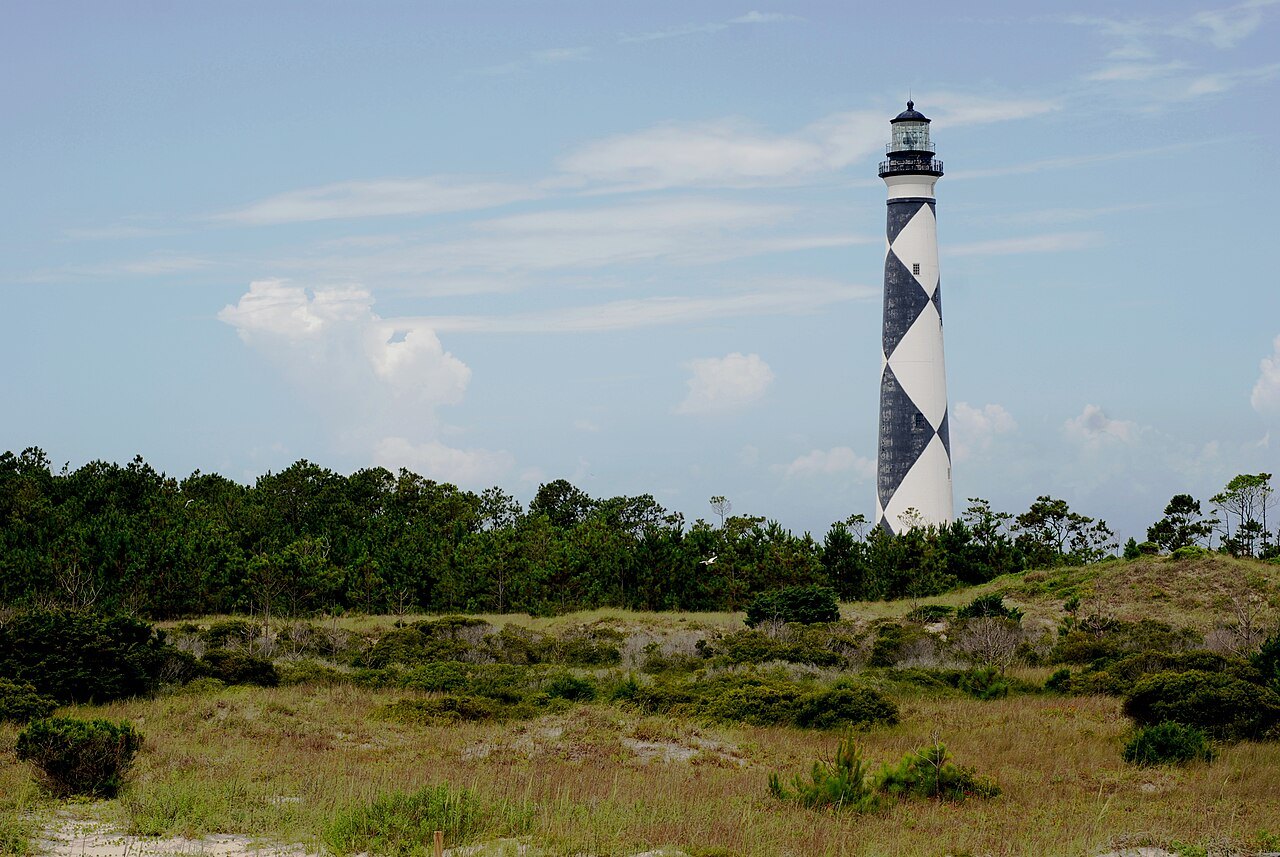
The third-oldest town in North Carolina, pronounced BOH-fert, laid out in 1713 on the site of a Coree village beside Beaufort Inlet: a small historic seaport with a maritime museum, an old burying ground, marine labs, and boats to the wild horses and the diamond lighthouse of Cape Lookout.
- The Beaufort Historic DistrictThe colonial and nineteenth-century streets of the old port, on the National Register.
- The Old Burying GroundThe town's historic graveyard, listed on the National Register of Historic Places.
- The North Carolina Maritime MuseumThe state museum of the sea and its boats, host of a wooden boat show.
- The Rachel Carson ReservePart of the state's coastal reserves, and one of the homes of the feral banker horses.
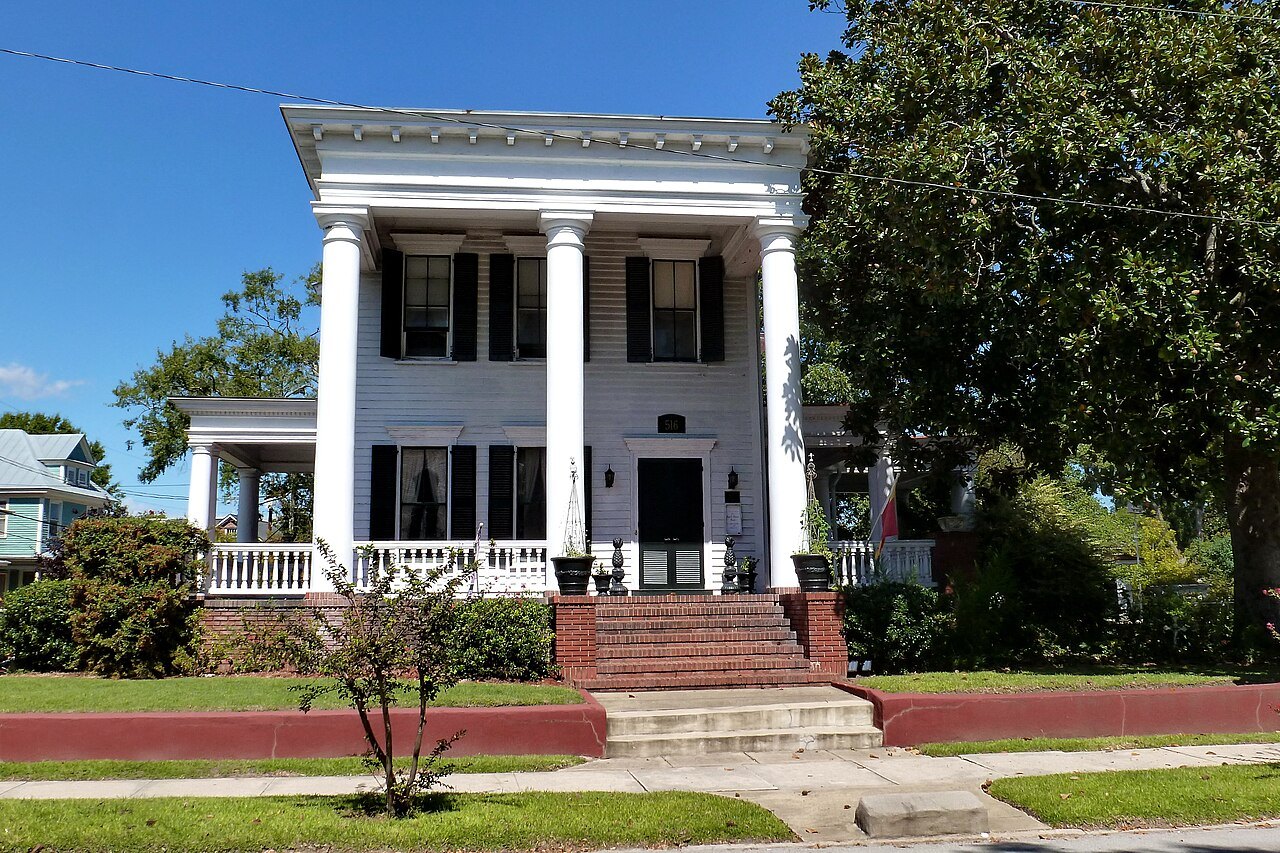
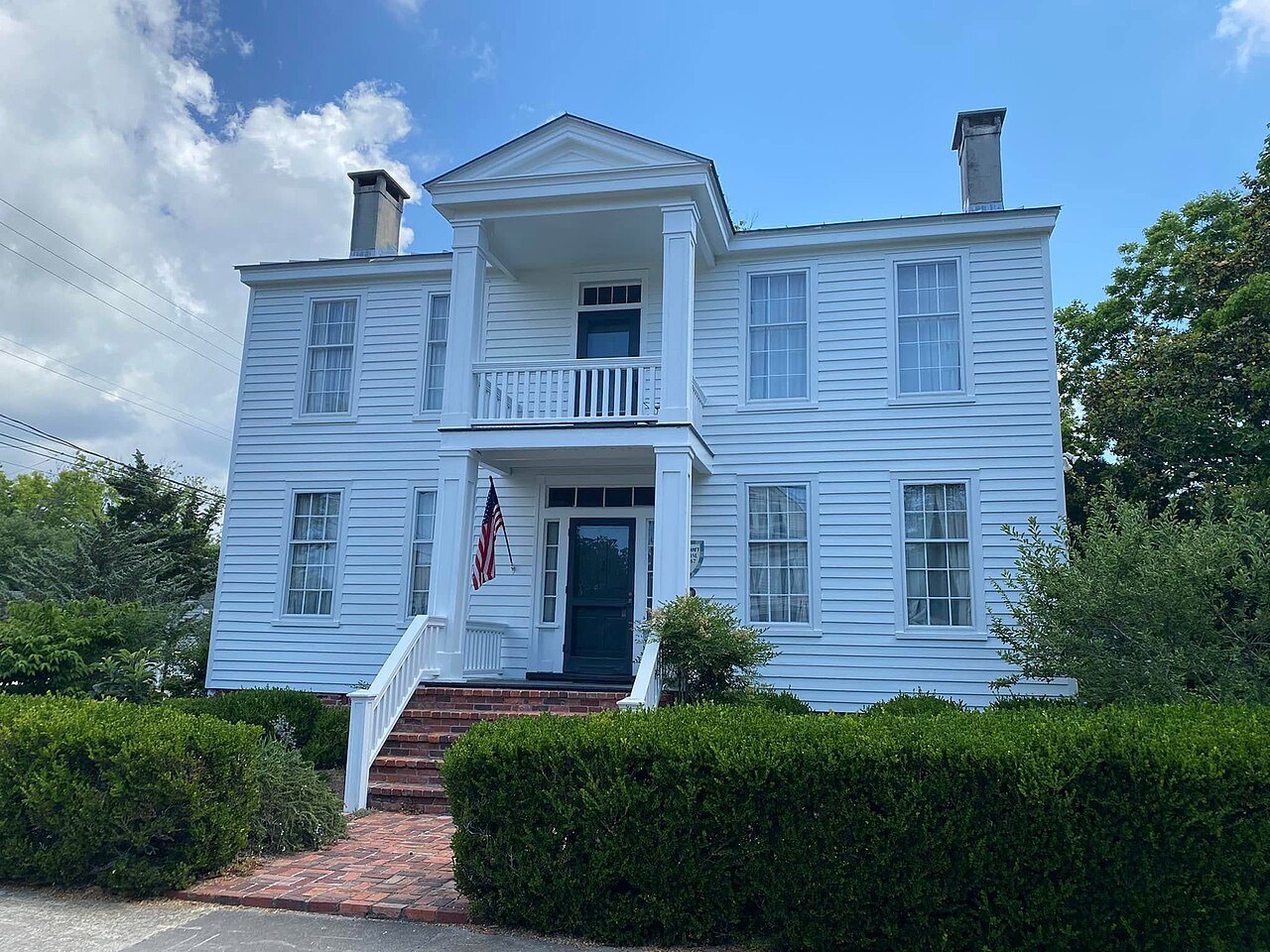
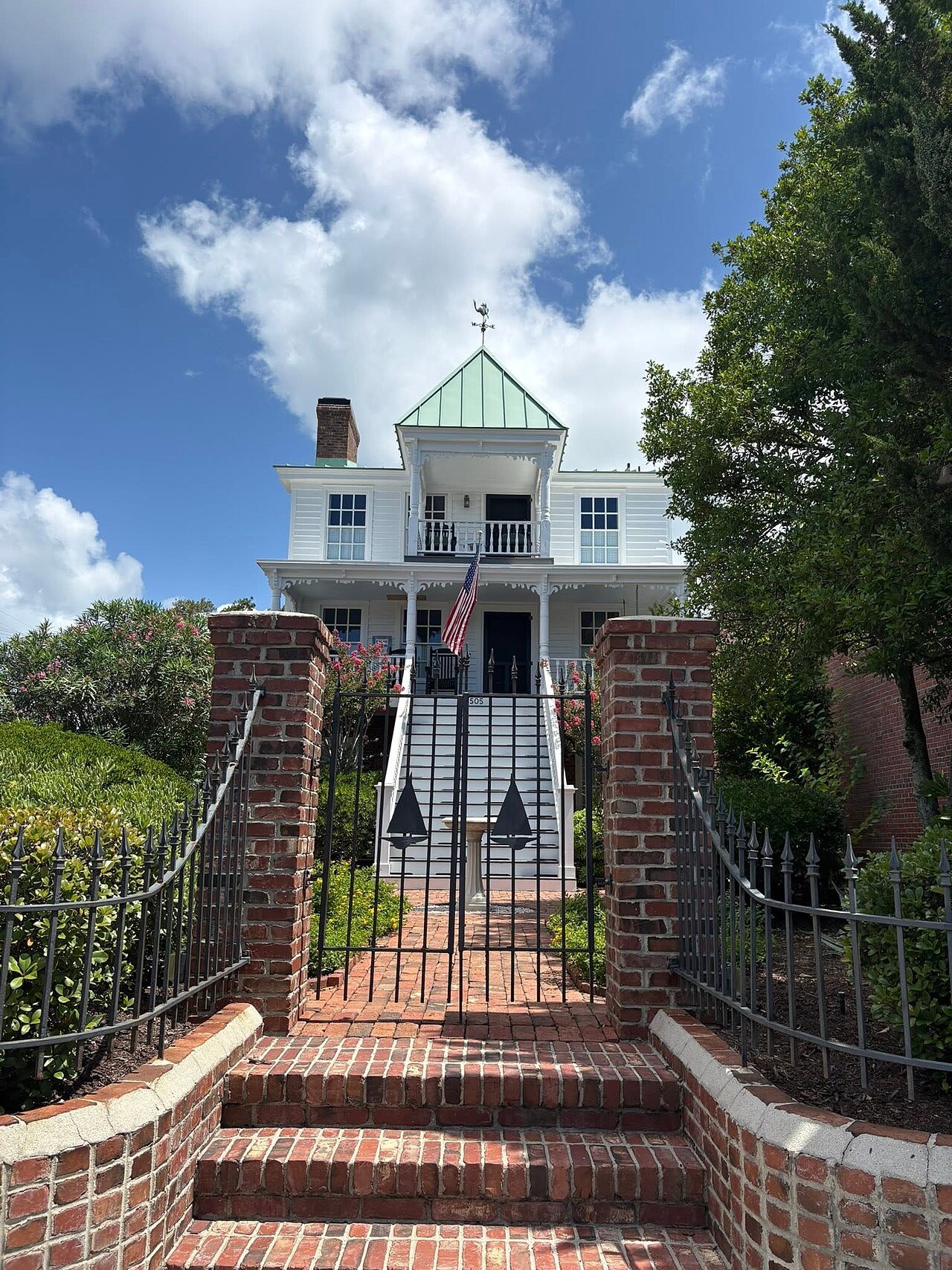
- The Jacob Henry HouseOne of the historic houses of the town listed on the National Register.
- Boats to the BanksFerries from the town to Shackleford Banks and the Cape Lookout seashore.
Why it matters
Beaufort, the county seat of Carteret County, is a town of about 4,500 people near Beaufort Inlet, the channel to the Atlantic, with the tidal Newport River on one side and the North River on the other. Founded around 1709, laid out in 1713 and incorporated in 1723, it is the third-oldest town in North Carolina, after Bath and New Bern.
It is small, old and made for walking, and in 2012 the readers of Budget Travel magazine named it America's Coolest Small Town. It is also the natural harbor for the southern Outer Banks: Cape Lookout and the wild horses of Shackleford Banks are reached by boat from here. Say it BOH-fert; the Beaufort in South Carolina is pronounced differently, and the two are sometimes confused.
Pirates and a colonial port
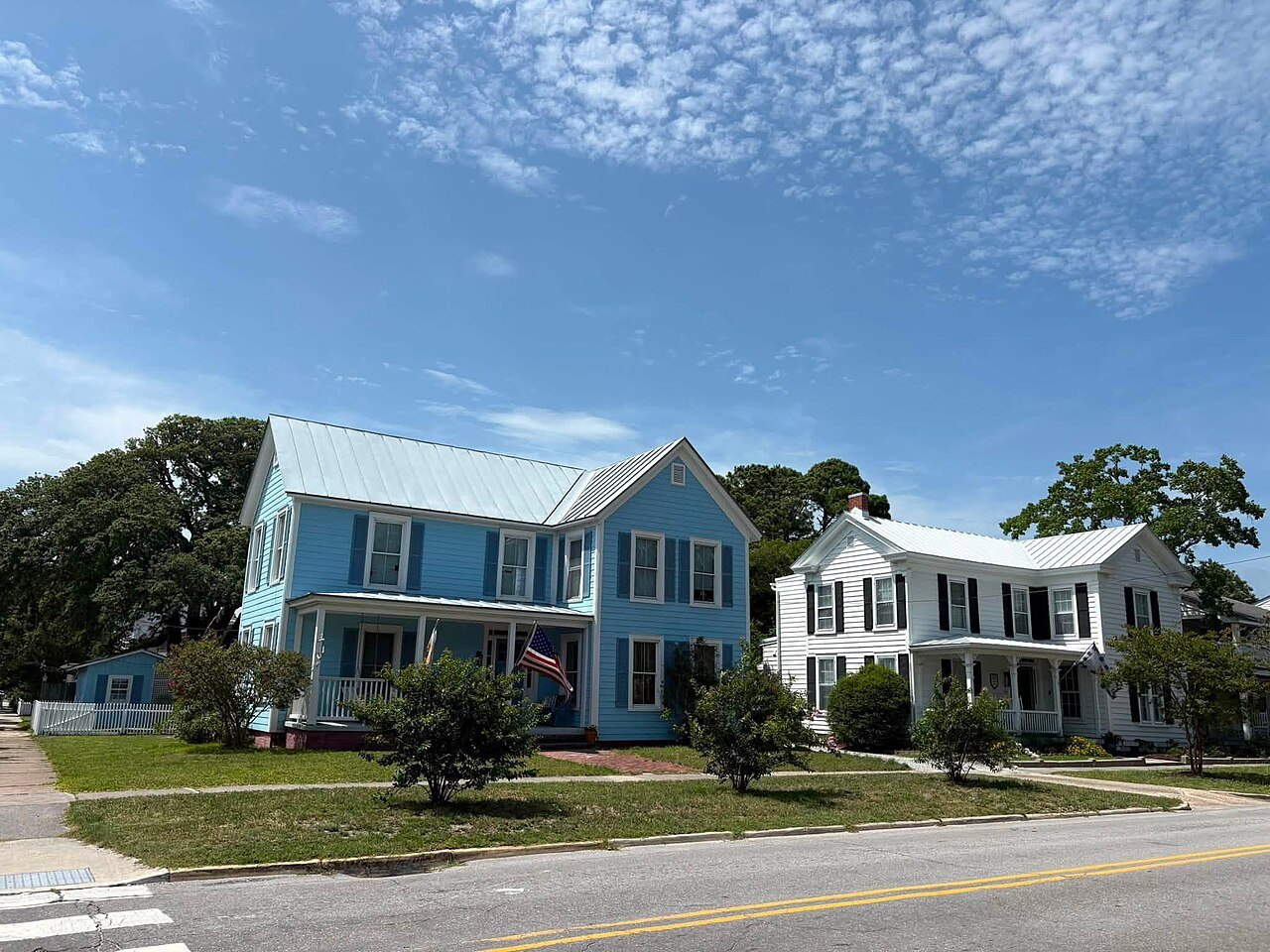
The town was built on the site of Cwarioc, a village of the Coree people, whose name survives in Core Sound and the Core Banks. It was laid out after the Tuscarora War, and on April 4, 1722, the proprietors' officials made it a port for unloading ships. In colonial times Port Beaufort shipped tar, pitch, turpentine, wooden wares and corn, above all to the West Indies.
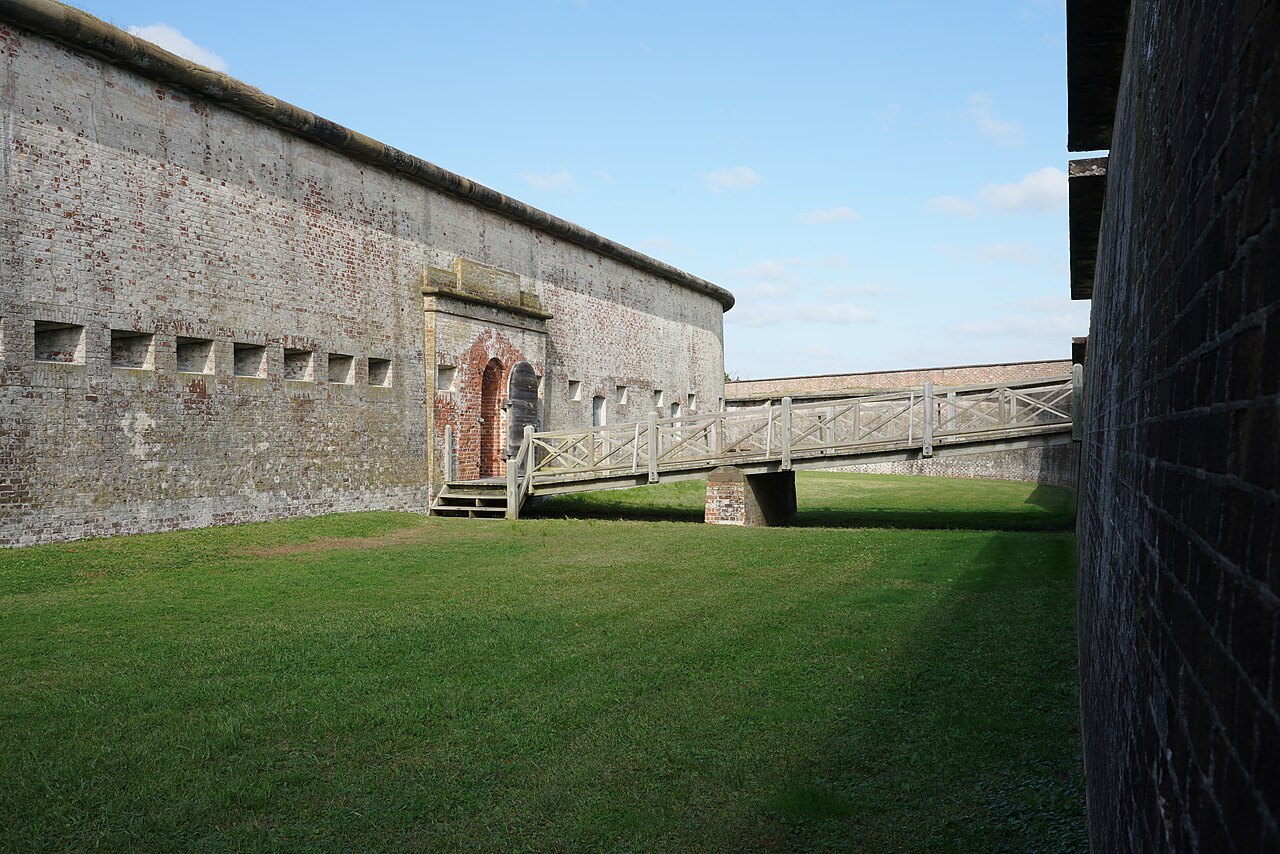
Pirates knew the inlet well. In June 1718 Blackbeard ran his flagship, the Queen Anne's Revenge, and his sloop Adventure aground near it; the wreck thought to be hers lies in shallow water off Fort Macon and was added to the National Register in 2004. In 1747 Spanish privateers briefly occupied the town, and in a hurricane of August 1750 at least three Spanish merchant ships ran aground on the coast, one of them, the El Salvador, sinking near Cape Lookout.
War and freedom
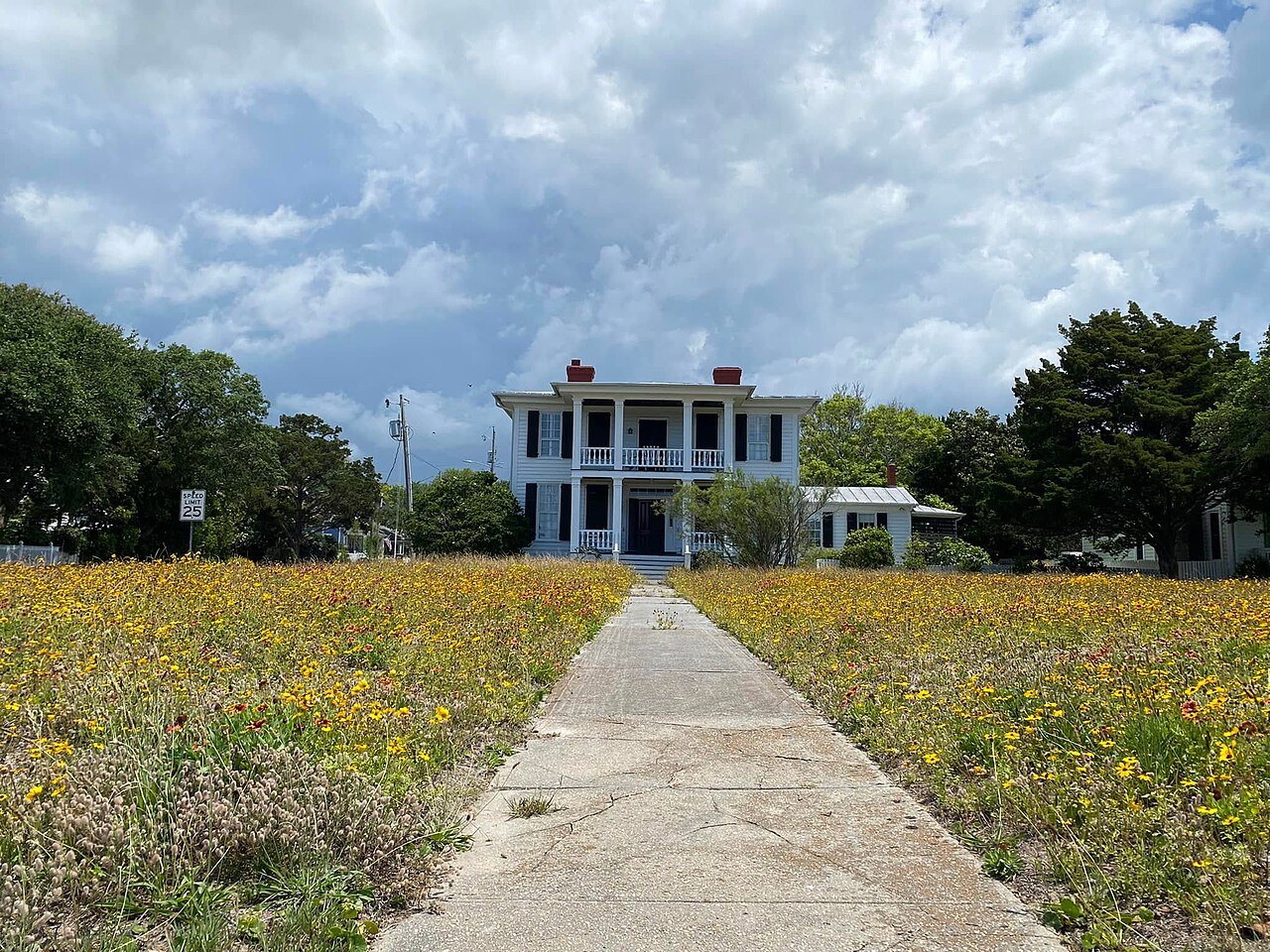
Beaufort grew slowly, but by the middle of the nineteenth century it had become a vacation town, home to prosperous merchants and hotelkeepers. In April 1861, as the Secession Crisis broke, local militia seized Fort Macon across the water; Union troops took the town back in March 1862 during General Burnside's expedition.
By 1863 Beaufort had become a refuge for people escaping slavery, and a camp called Union Town grew up on the north side of the town to shelter them. Federal troops stayed through Reconstruction until 1877. Railway tracks reached Beaufort in 1906, and trains began running in 1907.
What you see
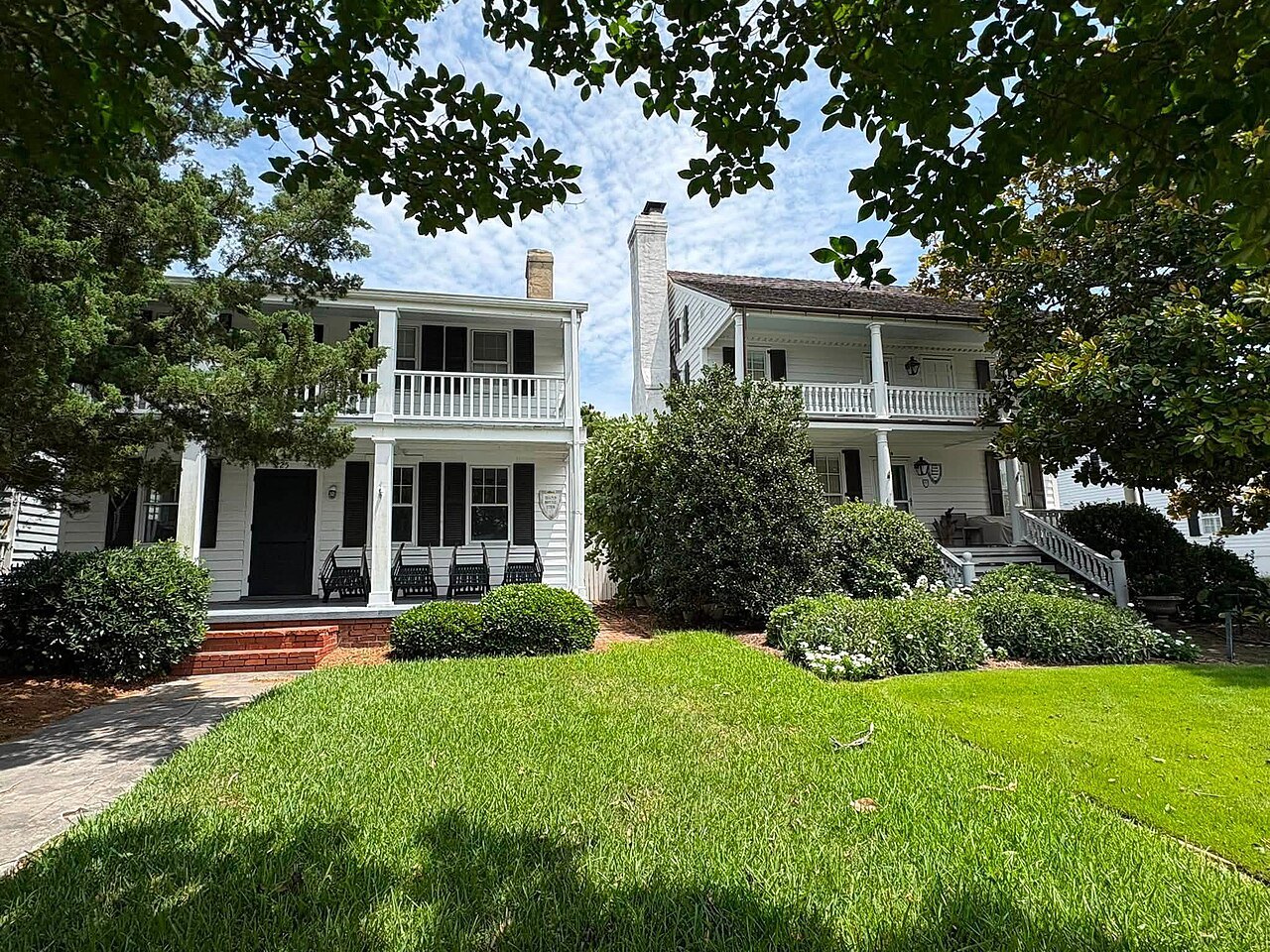
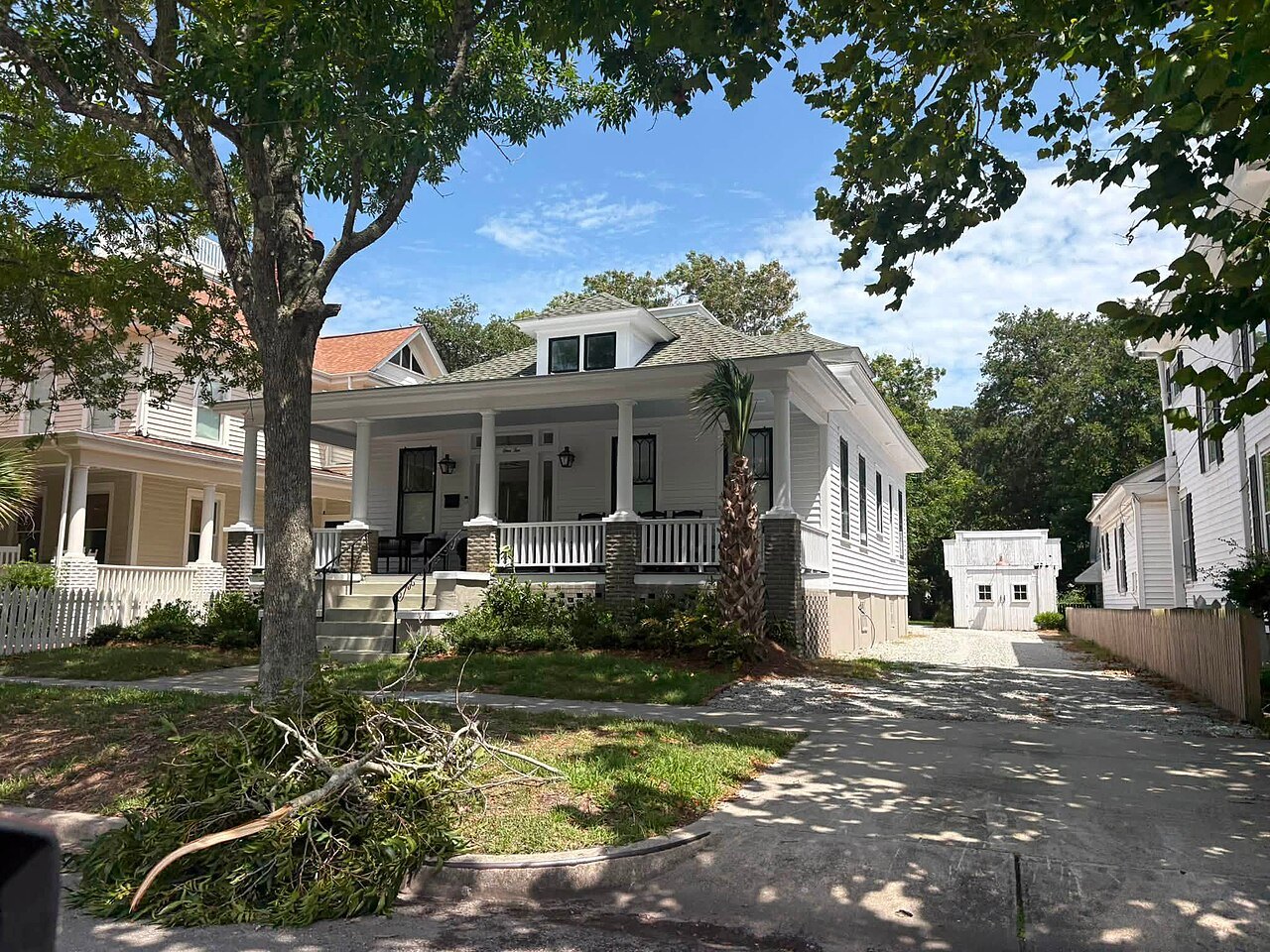
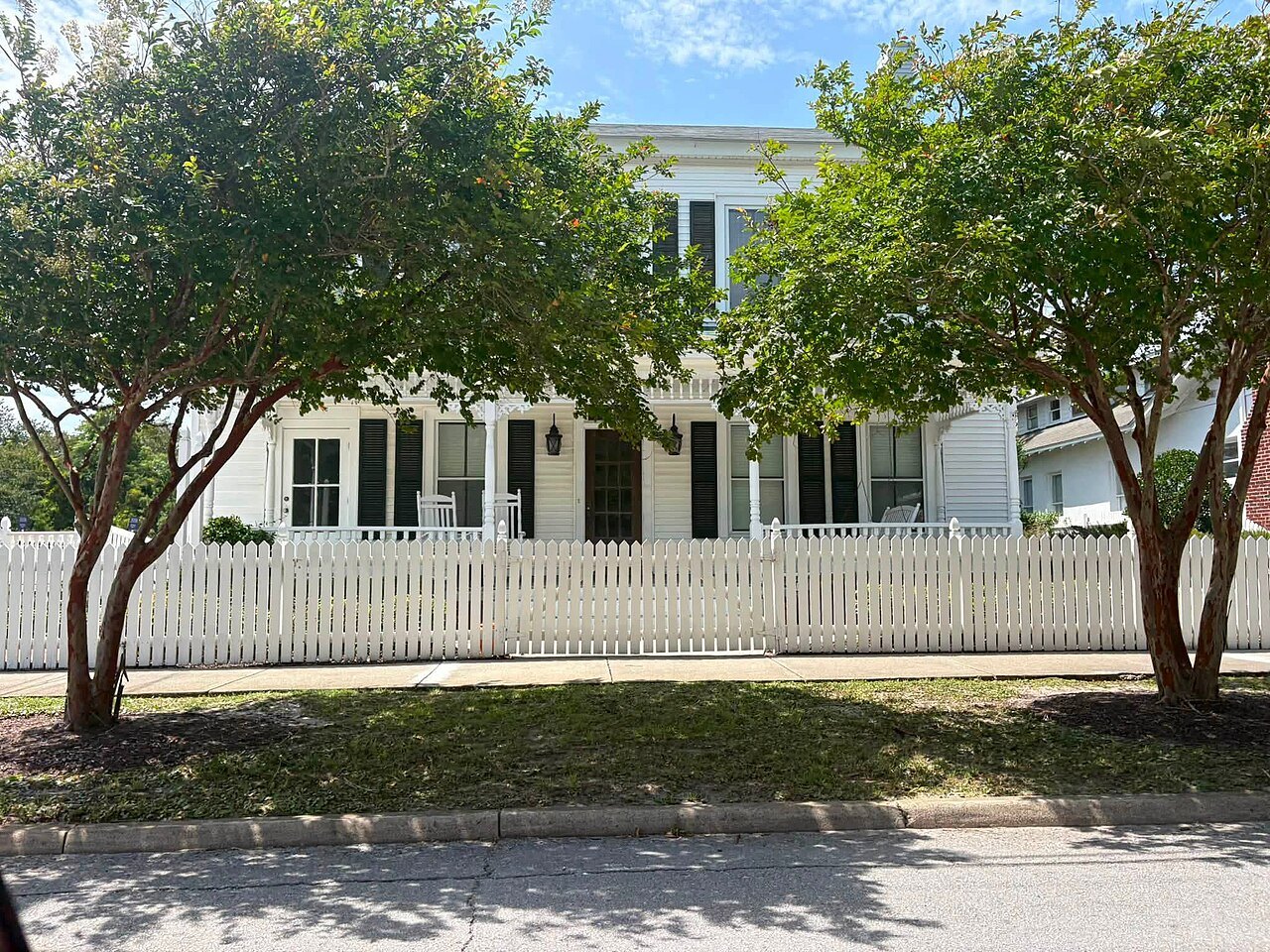
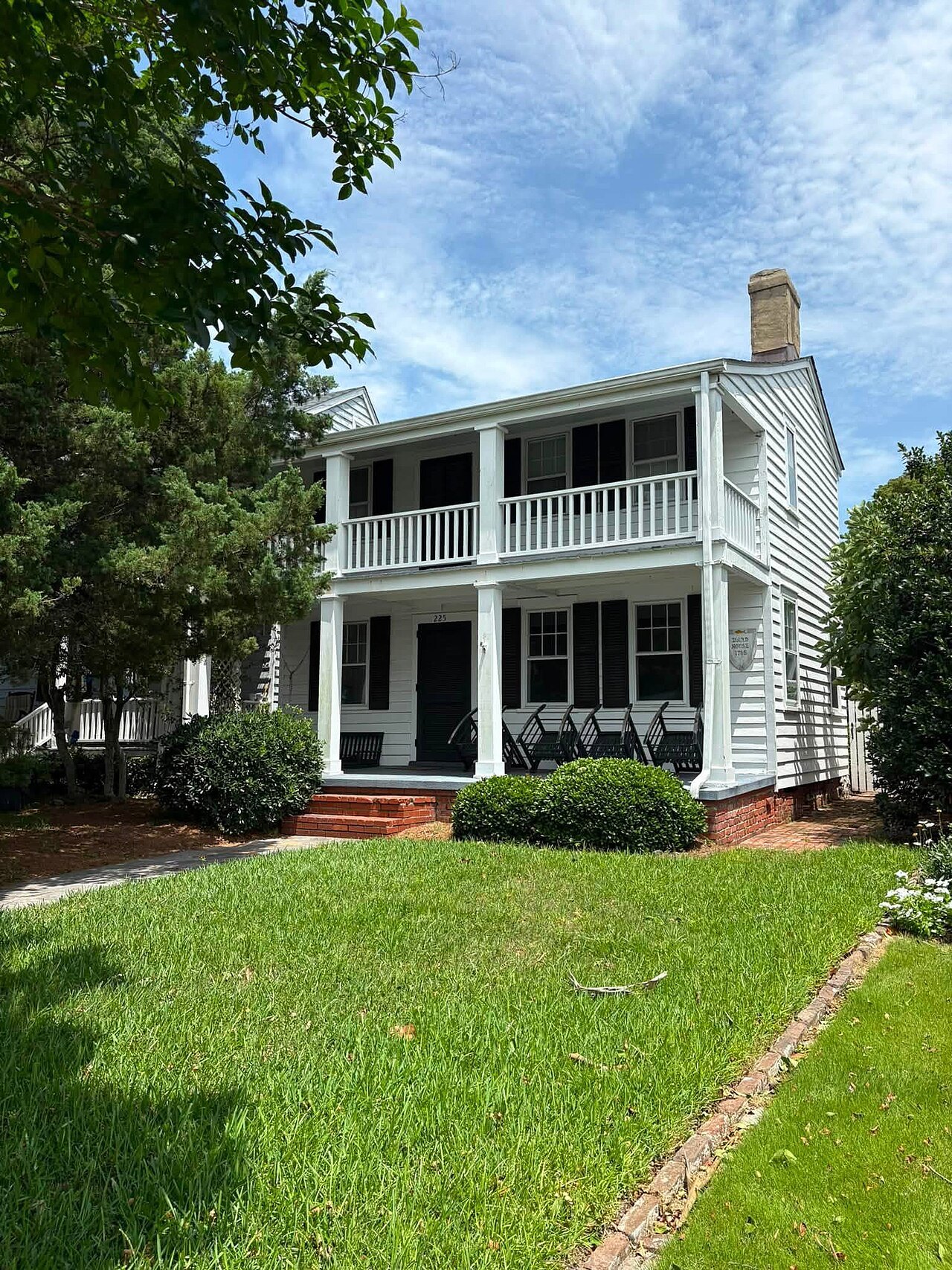
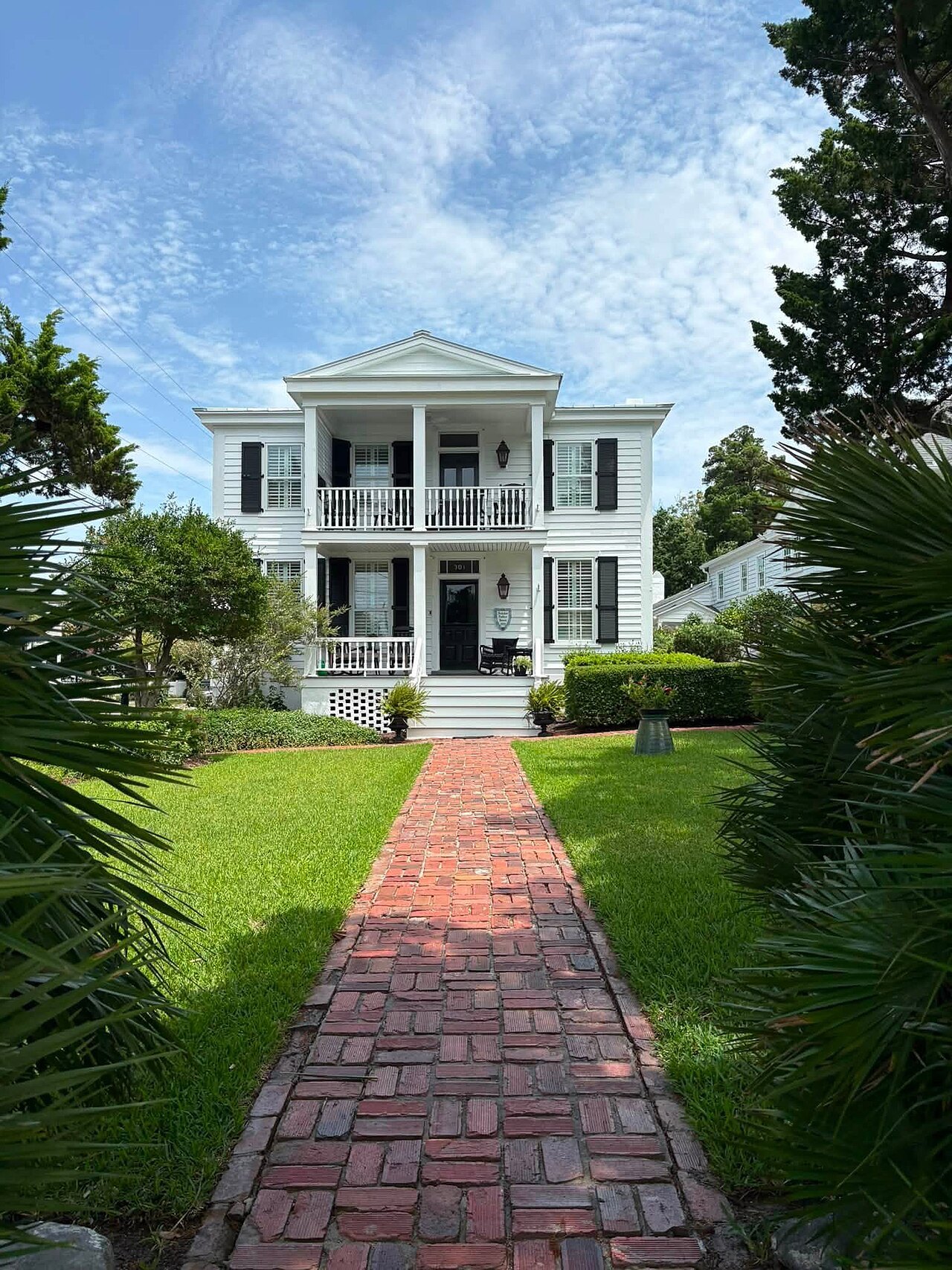
The Beaufort Historic District covers the old town, and several of its buildings are listed on the National Register on their own, among them the Duncan House, the Gibbs House, the Jacob Henry House and the Carteret County Home. The Old Burying Ground, the town's historic graveyard, is listed too.
The North Carolina Maritime Museum is the town's main museum, and it hosts a wooden boat show. The sea is also the town's work: the Duke University Marine Laboratory and the federal Center for Coastal Fisheries and Habitat Research are here, and the town was named a Tree City USA in 2015.
The Rachel Carson Reserve and the horses
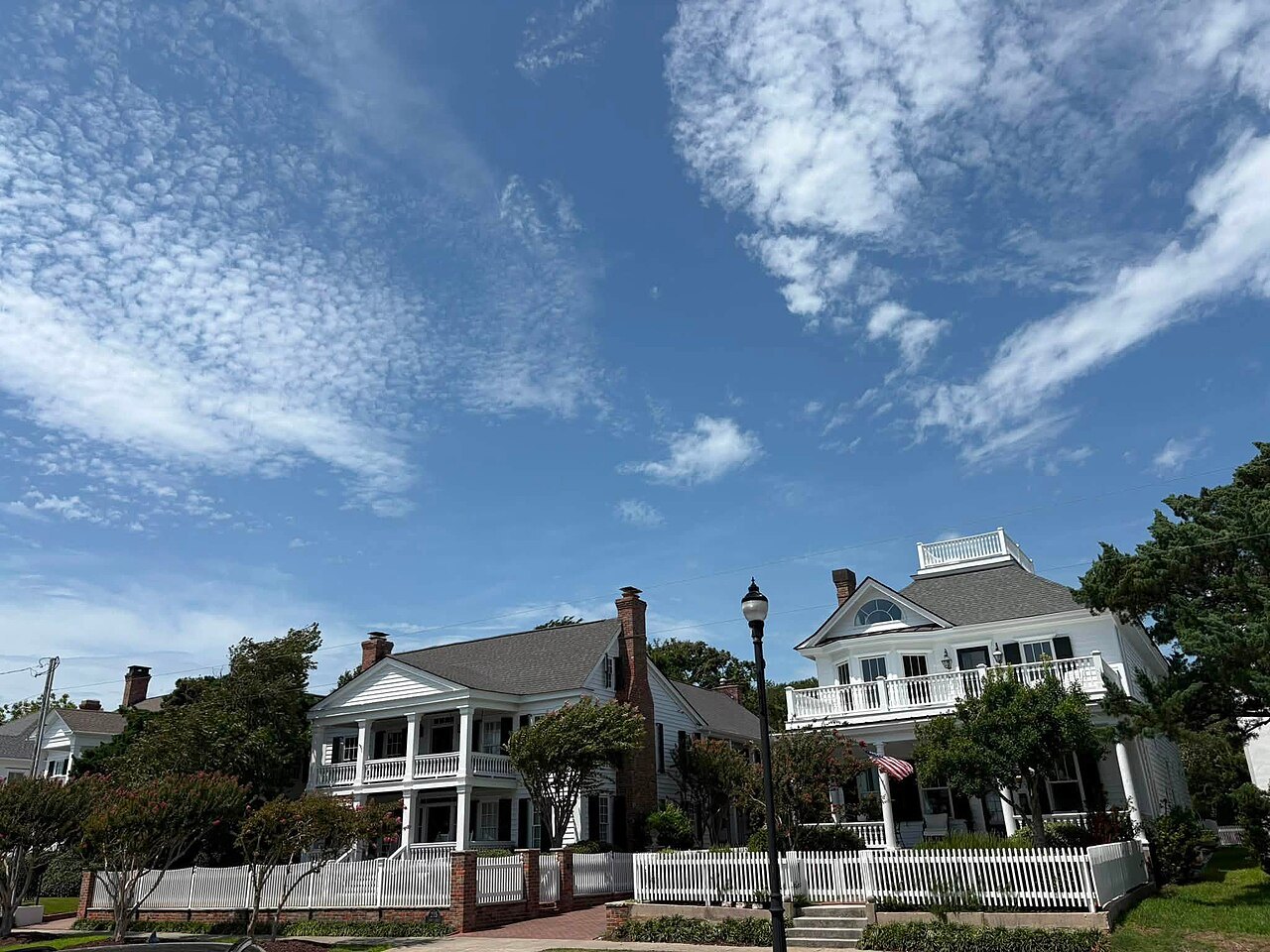
Beaufort is also home to the Rachel Carson Reserve, part of the state's coastal reserve system and of the national system of estuarine research reserves. It is one of the places on the Outer Banks where herds of feral horses live, the so-called banker ponies, which local legend says descend from Spanish mustangs washed ashore from wrecks.
More horses roam Shackleford Banks, part of the Cape Lookout National Seashore, which visitors reach by ferry from Beaufort, Morehead City or Harkers Island. The Park Service asks visitors to stay at least 50 feet from them.
Around the town
Morehead City, just across the Newport River to the west, is a working port and a base for deep-sea fishing, close to the edge of the continental shelf, where the Gulf Stream carries blue marlin and other billfish near the coast. It is home to the Big Rock Blue Marlin Tournament, founded in 1957, and to the marine science centers of the state's universities; beyond it, across Bogue Sound, lies Atlantic Beach and Fort Macon at the tip of Bogue Banks. These towns make up the Crystal Coast.
Morehead City itself was founded in the 1850s by investors who bought land at Shepard's Point to build a deep-water port on the channel of the inlet, and the wrecks that earned this coast the name Graveyard of the Atlantic make its waters a favorite of scuba divers.
To the east, Harkers Island is a community of fishing, boatbuilding and waterfowl decoy carving, with the Core Sound Waterfowl Museum and the visitor center of Cape Lookout National Seashore. Many islanders are descended from Banks families who fled there after the hurricane of 1899, and the Core Sound Decoy Festival, an annual event begun in December 1998 by the local carvers' guild, now brings more than 10,000 visitors. The Coree left a great mound of oyster shells at Shell Point, at the island's eastern end, and the island takes its name from Ebenezer Harker, who bought it in 1730 and built a plantation and a boatyard there.
Getting around
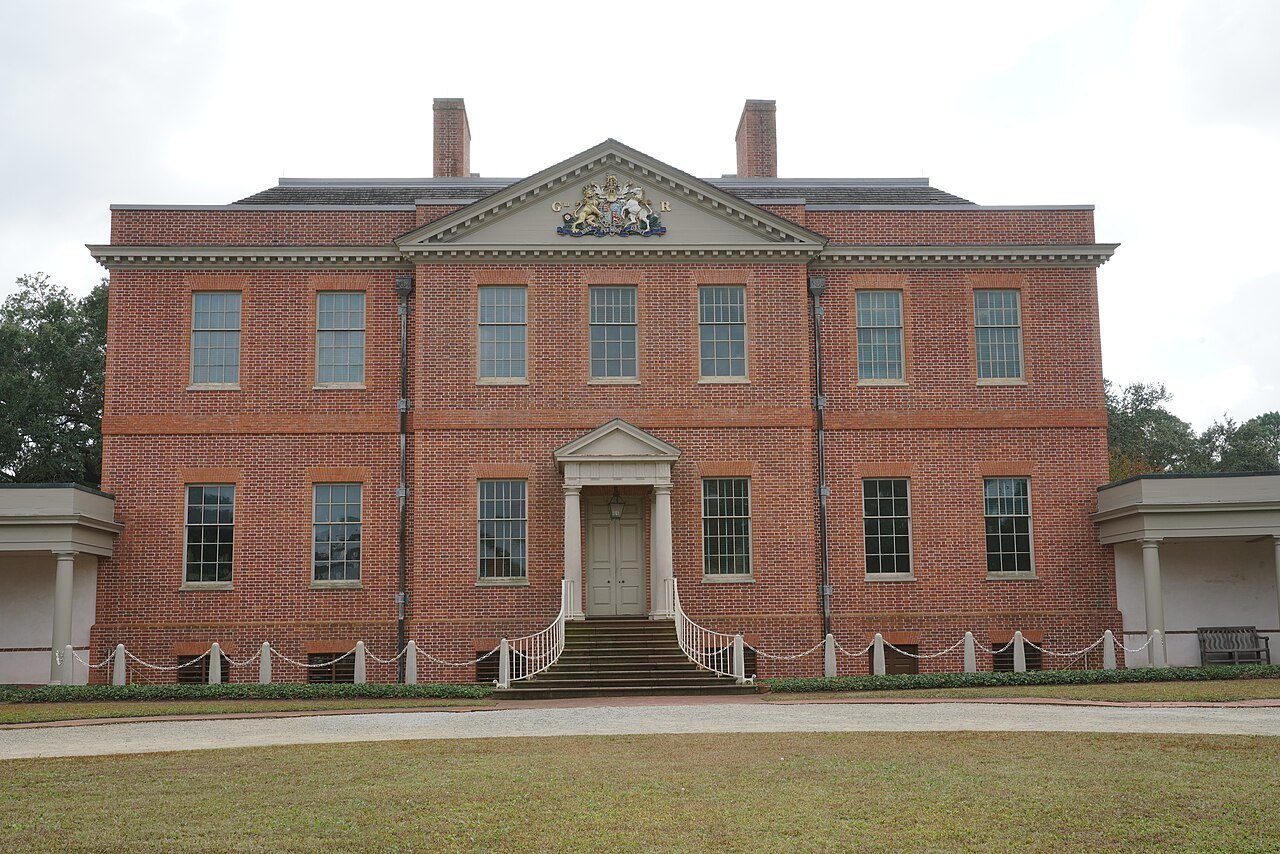
US 70 runs through Beaufort, west across the Newport River to Morehead City and northeast 31 miles to its end in the town of Atlantic, and the town has a small airfield, Michael J. Smith Field. Beaufort's festivals include a music festival, a pirate invasion and a wine and food festival. You need a car or a boat to go further; Tryon Palace in New Bern is an easy trip inland along US 70.
Nearby