PLANNING · WHEN TO COME
When to come to North Carolina
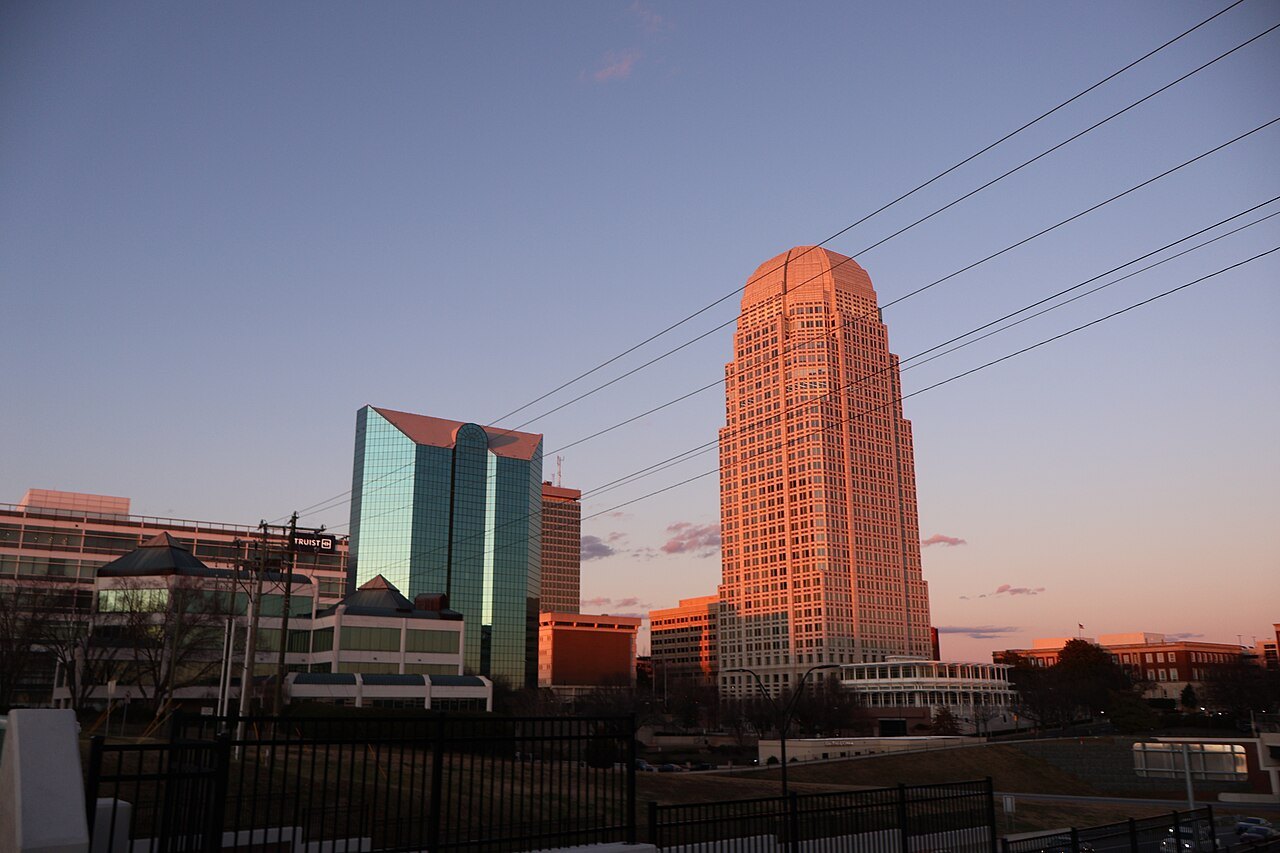
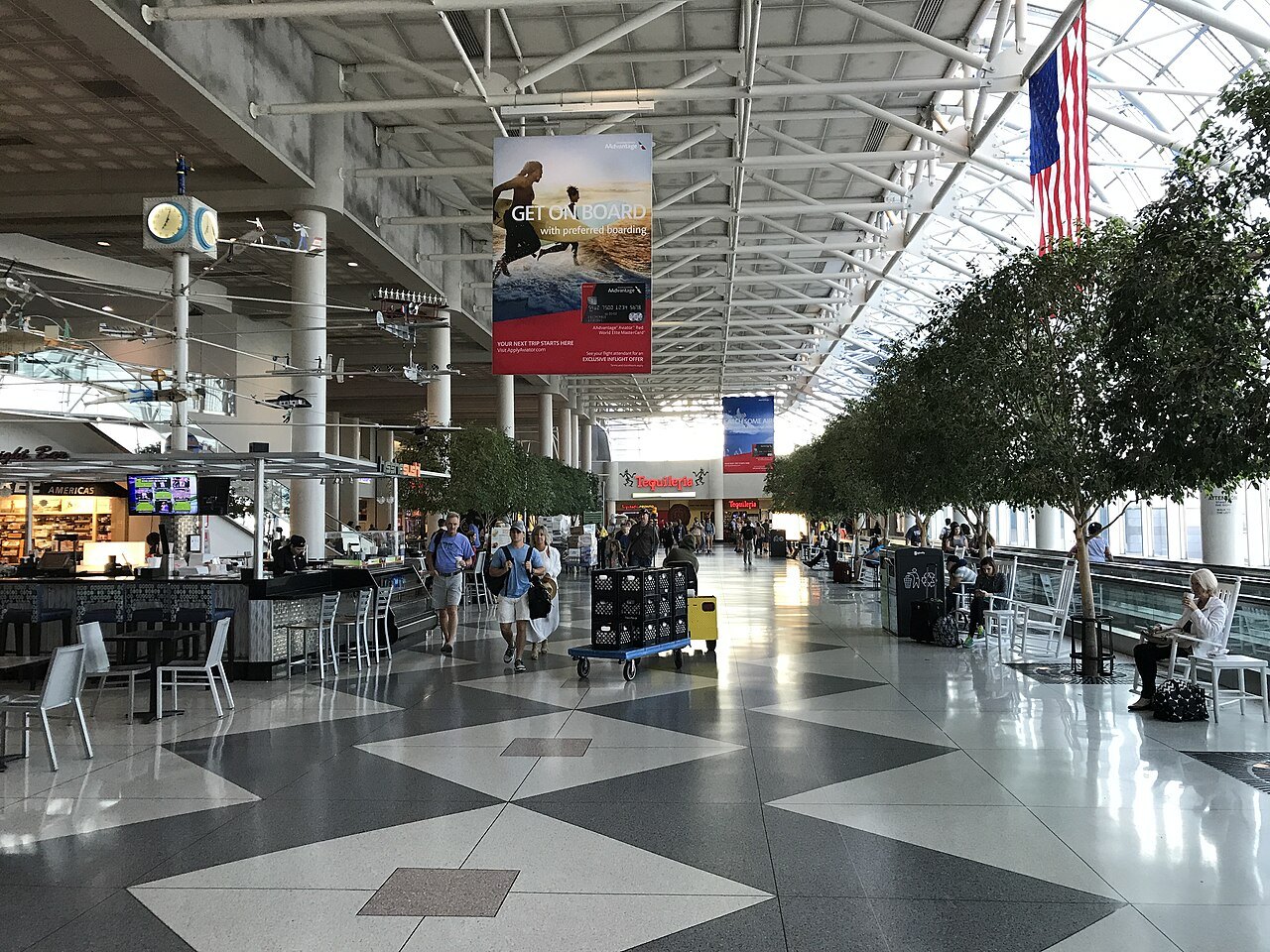
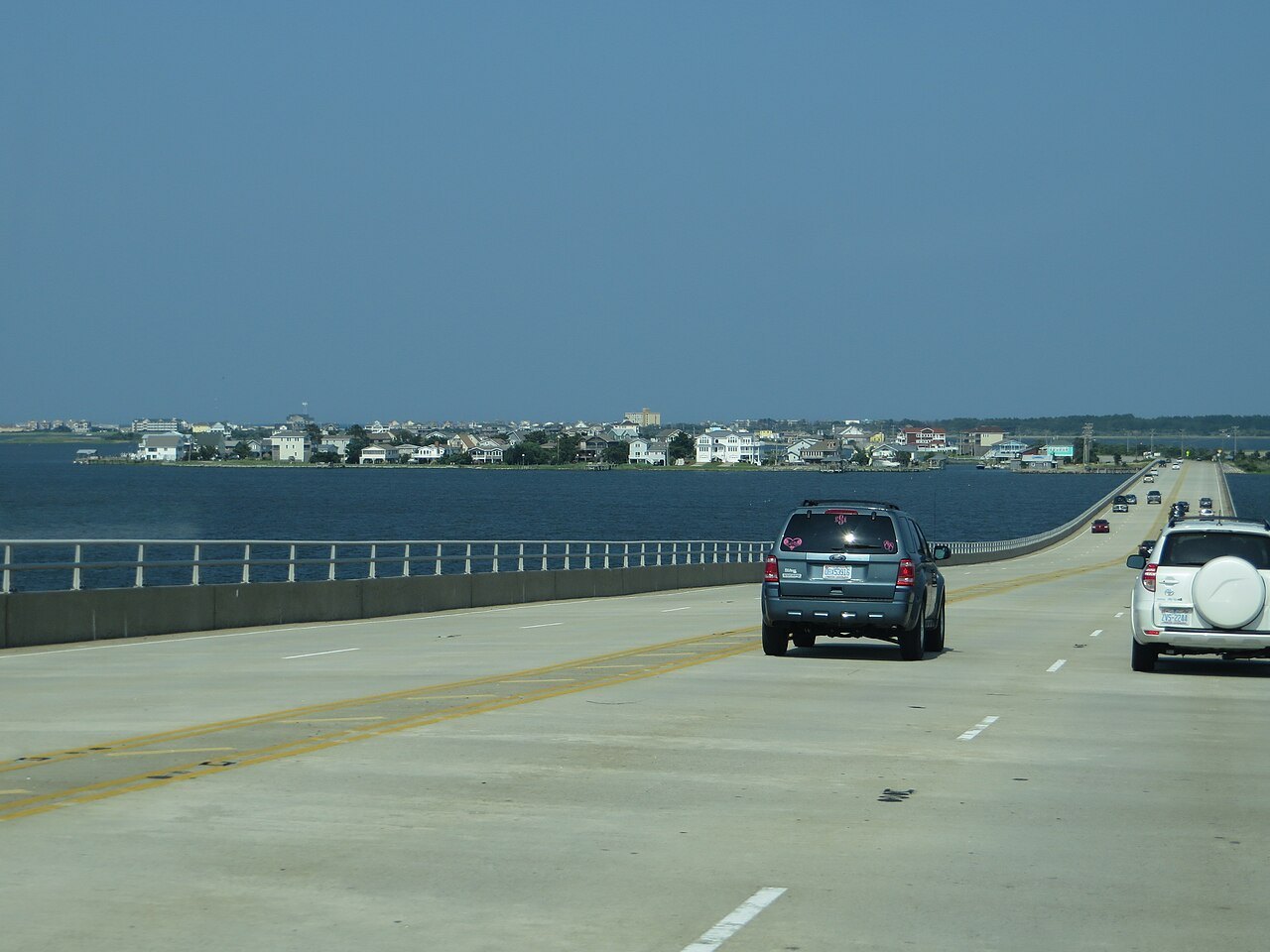
Photographs: DiscoA340, Wikimedia Commons, CC BY-SA 4.0 · Chris Hunkeler from Carlsbad, California, USA, Wikimedia Commons, CC BY-SA 2.0 · DiscoA340, Wikimedia Commons, CC BY-SA 4.0
Access North Carolina · The calendar
Three regions, three calendars. The mountains are at their best from the spring bloom to the fall color, when the foliage runs down from the summits in late September to the valleys in late October; the coast is at its best from late spring to early fall, under the shadow of the hurricane season, which peaks from late August through September; and the Parkway's high sections close in winter.
Month by month
- January
Coldest month. The mountains get snow and ice, and the Parkway's high sections and tunnels are usually closed; Newfound Gap closes after storms. Mild on the southern coast.
- February
Still winter in the mountains, with nor'easters on the coast. Quiet museums and cities, and the lowest crowds of the year.
- March
Spring starts in the Piedmont and on the coast. The severe-weather season begins; the mountains can still get heavy snow, as in the storm of 1993.
- April
Dogwoods and wildflowers in the Piedmont and the valleys, climbing the mountains as the cold retreats. Parkway sections reopen through spring.
- May
Rhododendron and laurel in the mountains, warm beaches, and the ocean becoming swimmable late in the month. The busiest month for tornadoes.
- June
Craggy Gardens purple with rhododendron in mid to late June; synchronous fireflies in the Smokies. Hurricane season opens on June 1.
- July
Hot and humid in the Piedmont and on the coast, cooler in the mountains. Thunderstorms bring much of the year's rain; peak beach season.
- August
The coast at its fullest, and the start of the hurricane season's peak in late August. Watch the forecasts before a trip to the Outer Banks.
- September
The heart of the hurricane season, with its midpoint around September 10; fall color begins on the highest summits late in the month.
- October
Peak fall color on the Parkway, descending from the summits to the valleys over the month; the Parkway's busiest month. Book early.
- November
Late color in the Piedmont and on the coast; the hurricane season ends on November 30. The mountains turn wintry and Parkway closures begin.
- December
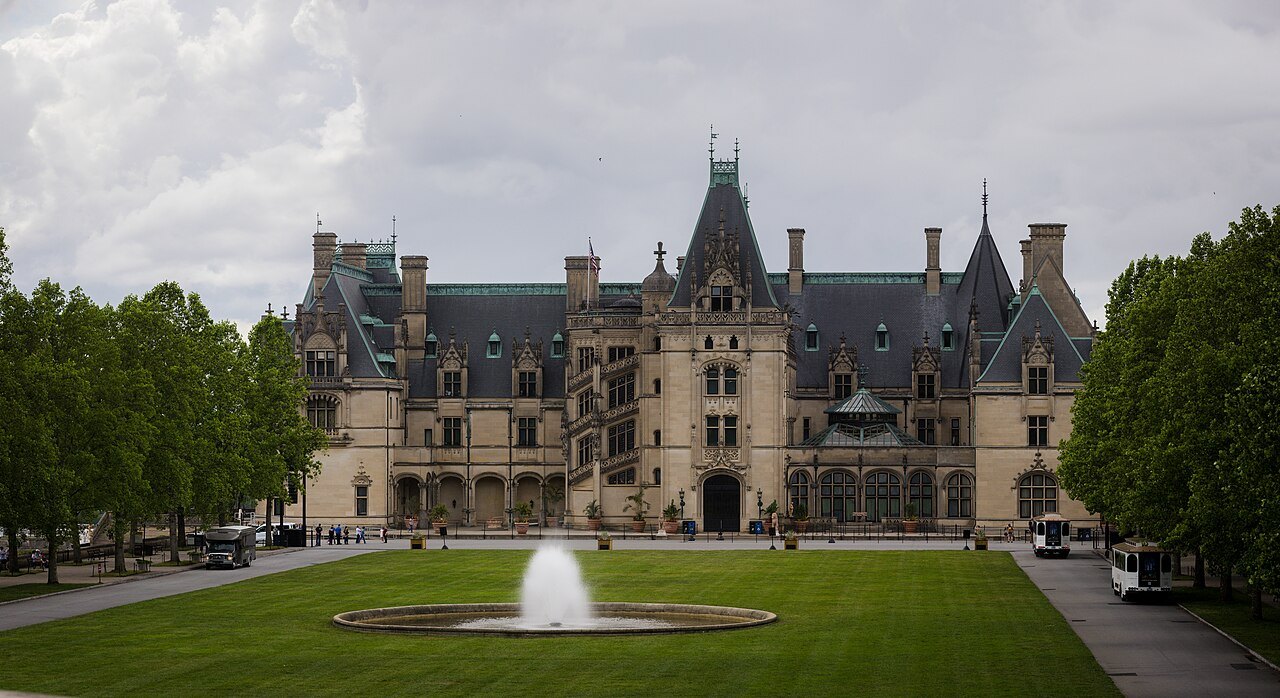
Winter closures on the Parkway, the Christmas season in the cities and at Biltmore, which Vanderbilt first opened to guests on Christmas Eve of 1895, and a quiet, cool coast.
Three regions, three calendars
North Carolina's climate varies from the Atlantic coast to the Appalachians. Most of the state is humid and subtropical, with hot summers, while the high mountains have a cooler highland climate. In July, daytime highs across most of the state are around ninety degrees Fahrenheit; in January they range from about forty in the high mountains to about fifty in the Piedmont and sixty on the southern coast.
The mountains act as a shield, blocking much of the cold and the storms from the north and west. So the question of when to come depends on where you are going: the mountains, the Piedmont and the coast each have their own best season, and the two big hazards, the hurricane season on the coast and winter closures in the mountains, fall at opposite ends of the year.
Fall color
Fall is the great season in the mountains. On the Blue Ridge Parkway, brilliant color arrives on the mountaintops later in September and descends to the valleys by later October, so the timing depends on height: the high summits around Mount Mitchell, Grandfather Mountain and Richland Balsam turn first, and the lower slopes and the valleys around Asheville later. In the lowlands, around New Bern, fall color comes from late October into early November.
October is the Parkway's busiest month; in October 2023 it drew some two million visitors. That means crowded overlooks and busy towns such as Blowing Rock and Asheville, so book rooms early and drive the Parkway early in the day and on weekdays. In early to middle October, and again in middle to late April, you can sometimes see three seasons at once looking down from the cold, windy Parkway to the valleys.
Spring and early summer in the mountains
Spring moves up the mountains as the cold retreats: dogwoods and wildflowers bloom first in the valleys and then on the slopes, followed by the rhododendron. The Great Smoky Mountains have more than 1,400 kinds of flowering plants, and in spring the Smokies fill with trilliums, Dutchman's breeches and other wildflowers. Craggy Gardens, on the Parkway north of Asheville, is covered in purple rhododendron from the middle to the end of June.
In mid-June the synchronous fireflies of the Smokies put on their famous light displays; their center is near Elkmont, on the Tennessee side of the park, which draws large crowds to see them. Summer in the mountains is warm rather than hot: Asheville, at the foot of the high peaks, averages only about nine days a year of ninety degrees or more.
Winter and Parkway closures
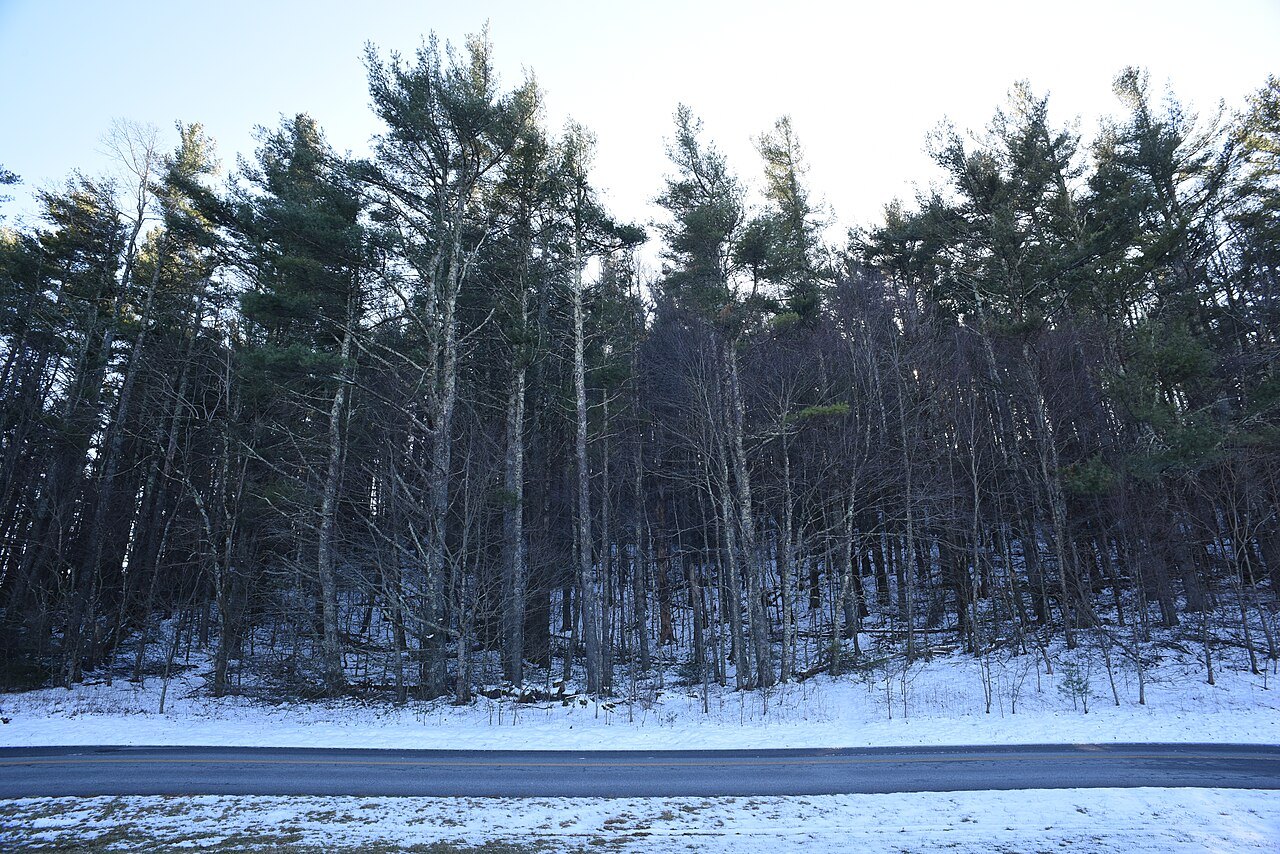
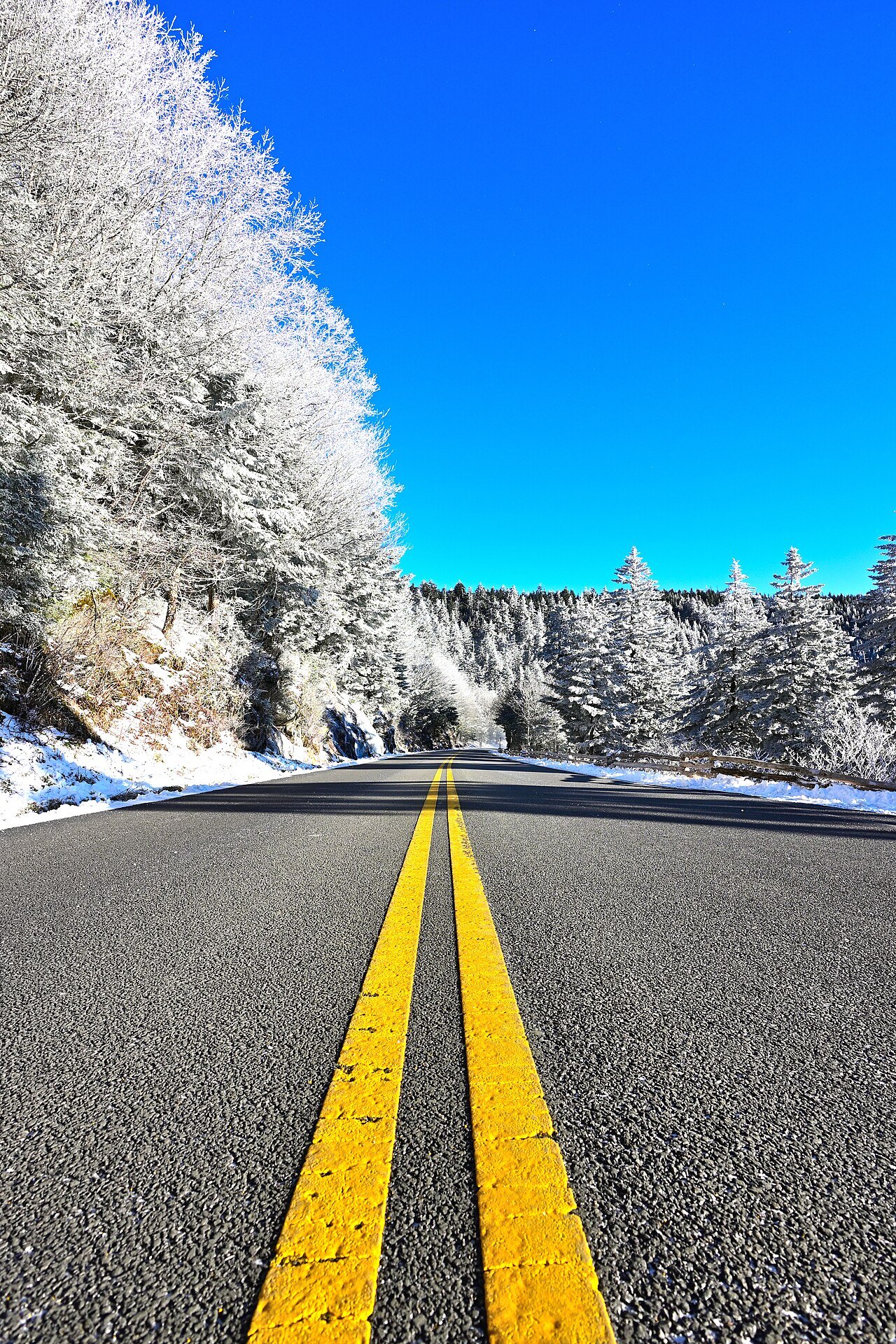
The Parkway is not maintained in winter. Its high sections and its tunnels are often impassable and closed from late fall to early spring, and weather in the mountains is so changeable that closures can change quickly. Boone, at 3,333 feet, averages nearly 25 inches of snow a year, and Newfound Gap, on the Newfound Gap Road through the Smokies, has about nineteen snowy days a year and closes during and just after winter storms.
Wind is a winter hazard too: a few times a year, mostly between October and April, mountain waves bring damaging gusts to the foothills of the Smokies, and Grandfather Mountain is famous for some of the highest surface winds ever recorded. Heavy snow reaches the Piedmont only rarely, but it happens: the storm of March 1993 buried Newfound Gap under more than three feet, and Raleigh got more than twenty inches in January 2000.
Storms can close the mountains at any season. The remnants of Hurricane Helene closed the whole Parkway in late September 2024, at the start of the fall color season, and some sections stayed closed long afterward. Before any mountain trip, look at the Park Service's map of Parkway closures and the state's road information. Driving North Carolina has more.
Summer on the coast
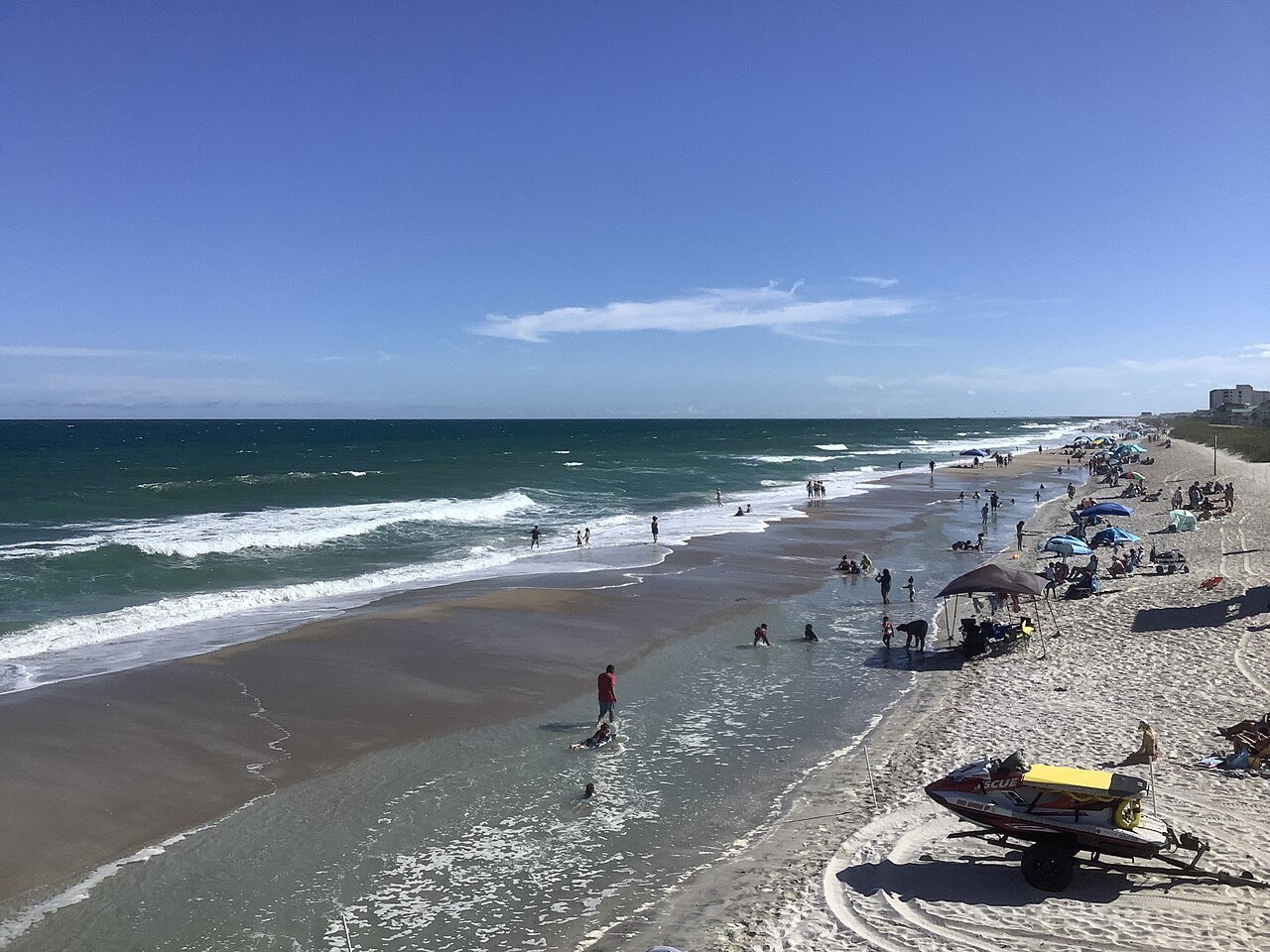
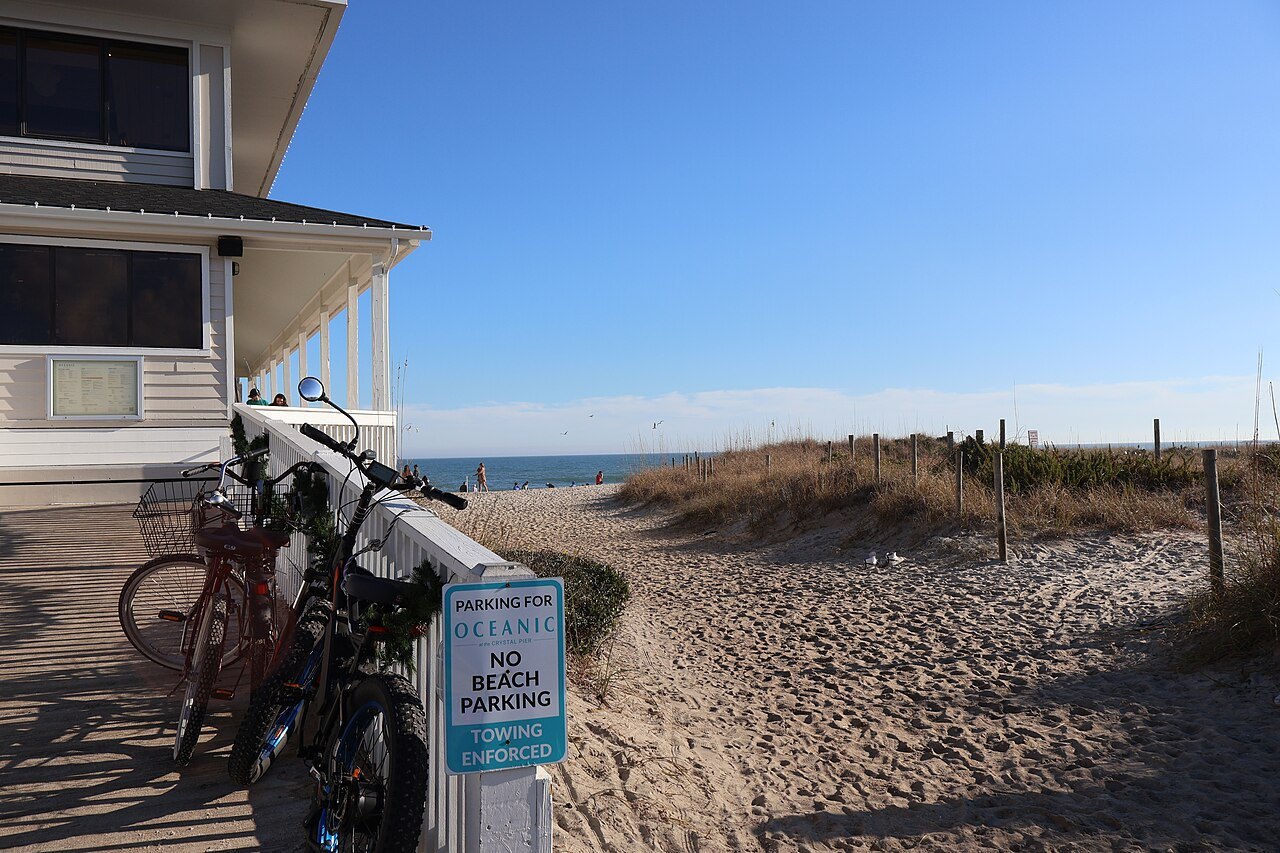
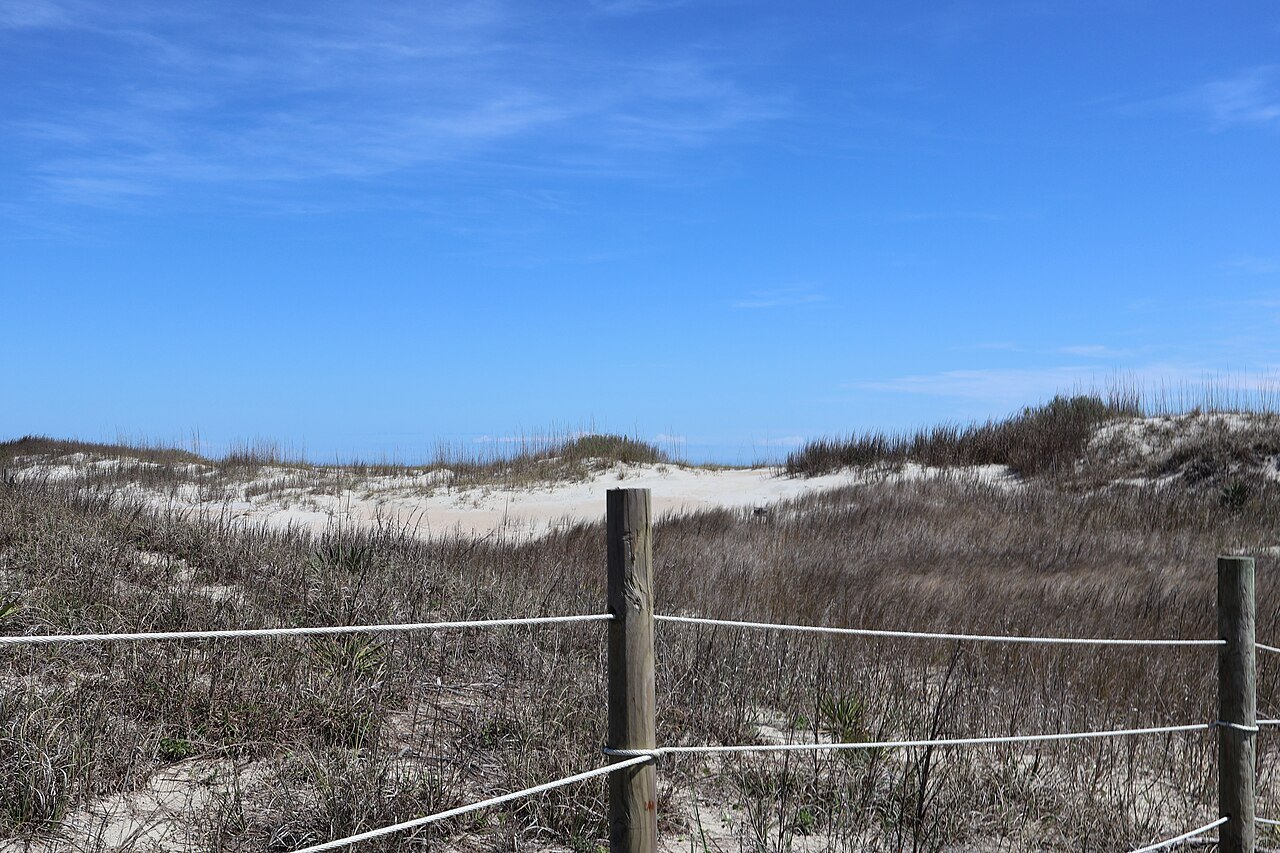
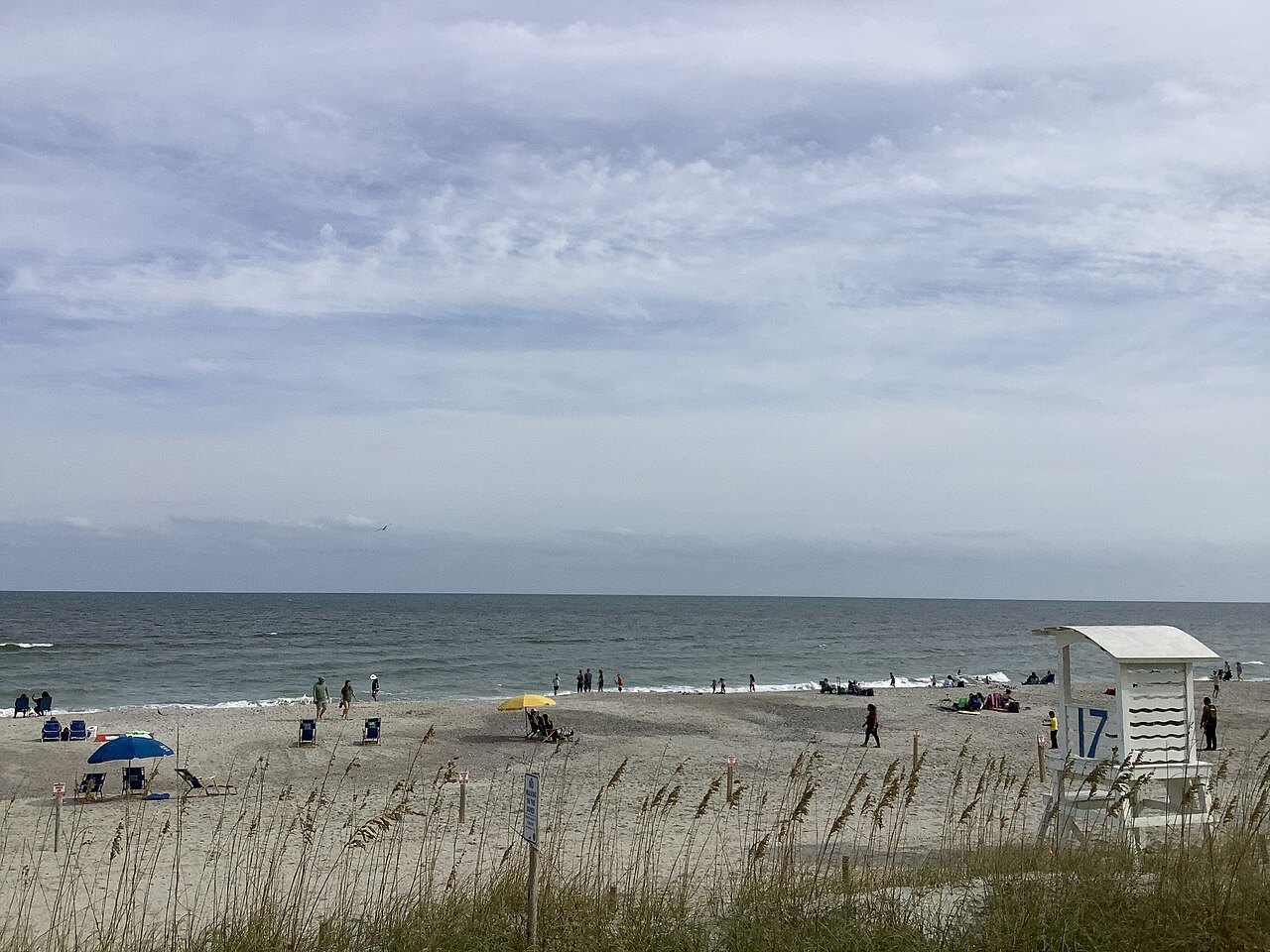
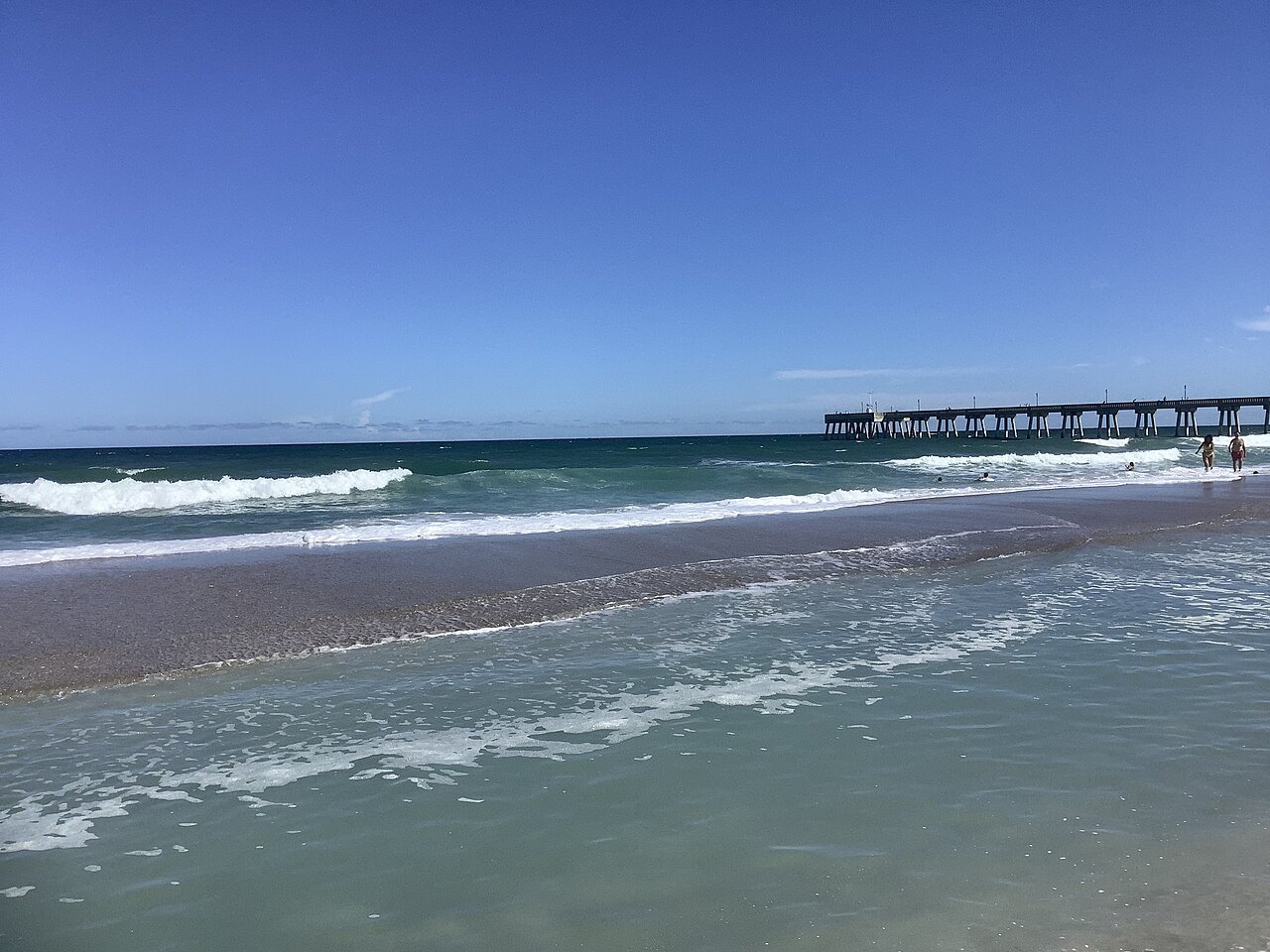
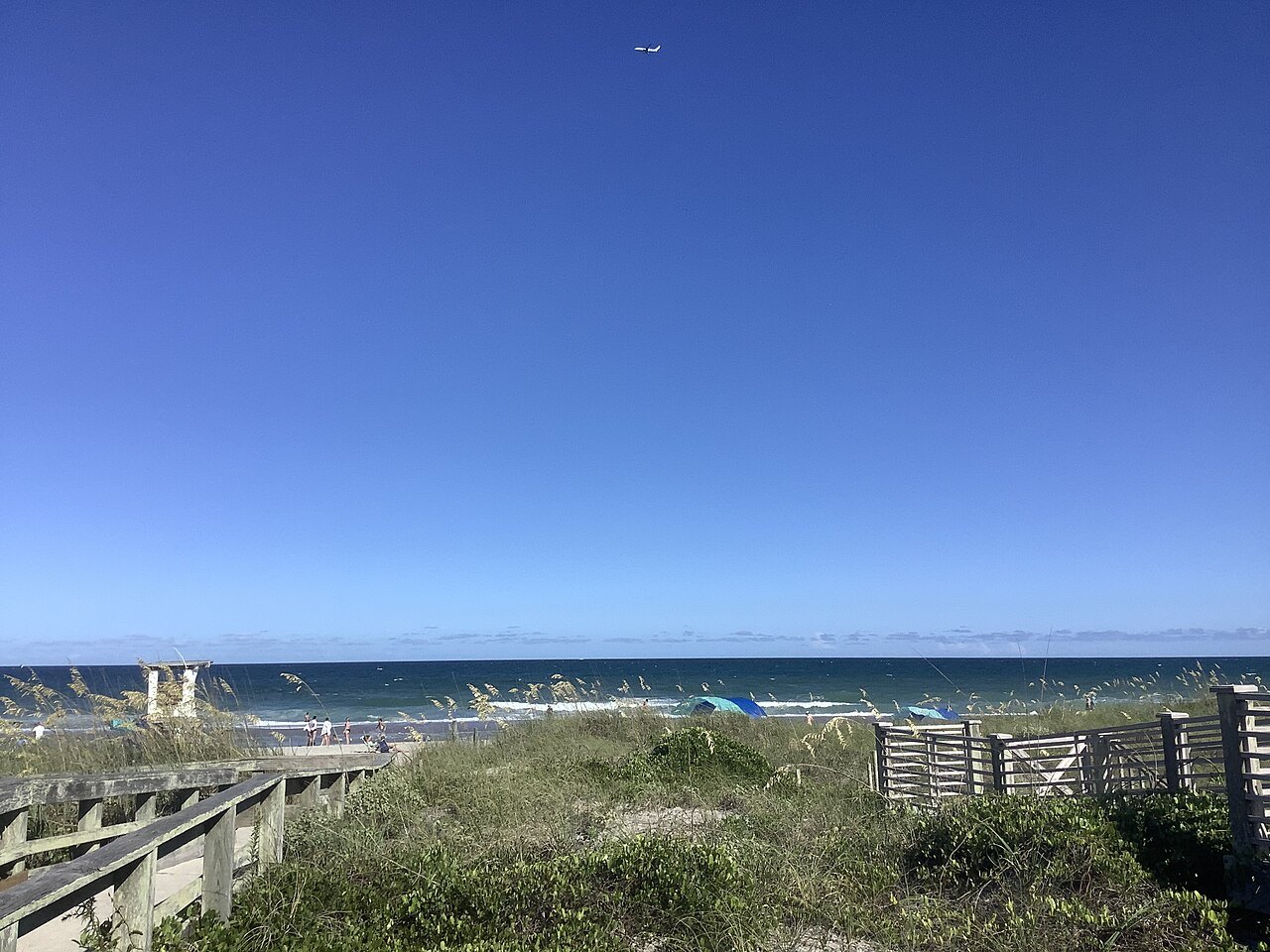
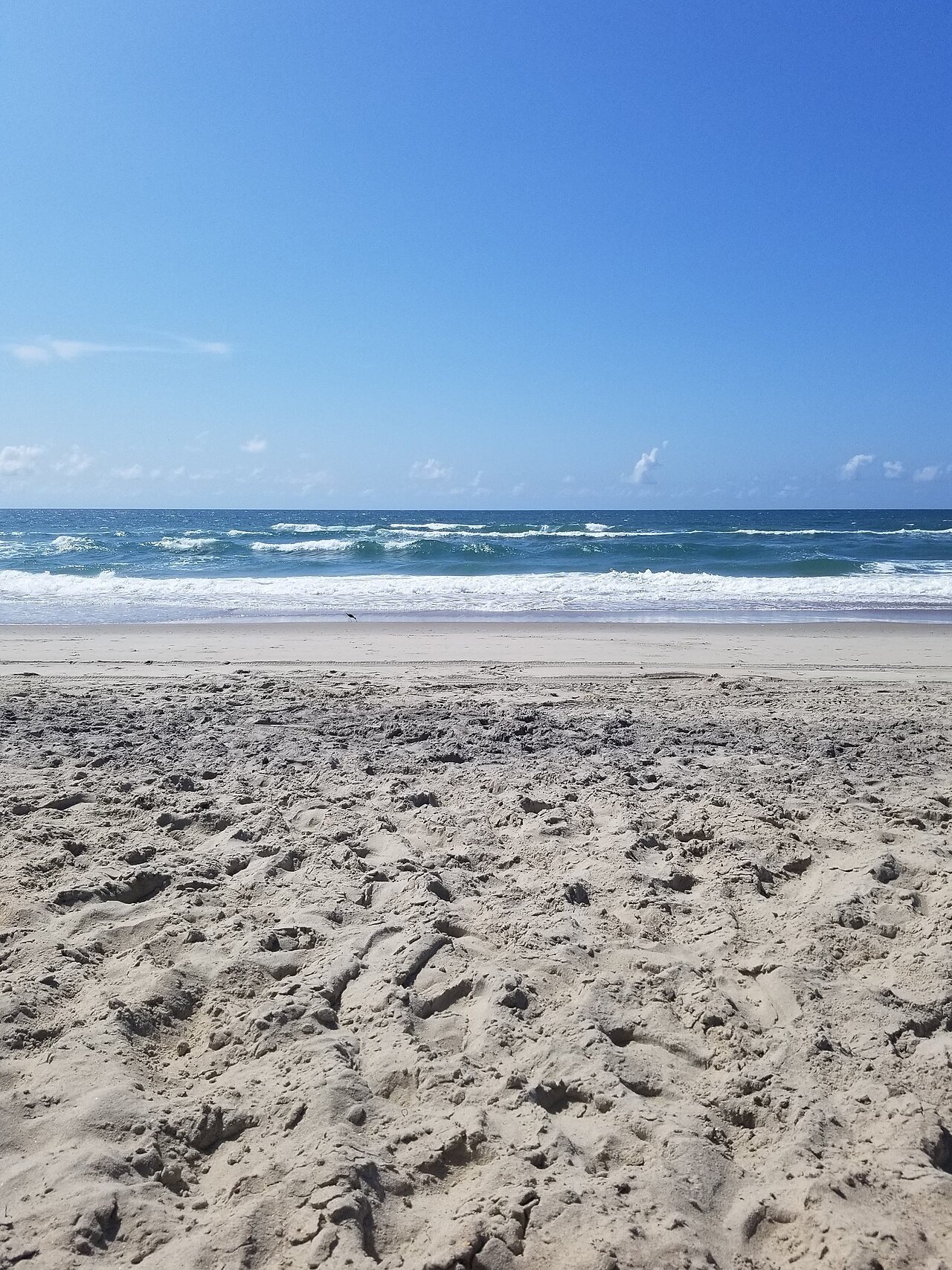
The coast is at its best from late spring to early fall. On Ocracoke the ocean is usually comfortable for swimming from late May into early October, and summer is the busy season on the Outer Banks and around Wilmington, when the ferries are fullest and day visitors cross to Ocracoke. Summer days are hot and humid, cooled by the sea breeze, and afternoon thunderstorms are common; July storms bring much of the state's rain, and summer thunderstorms cause the state's greatest weather losses in most years. North Carolina also averages about thirty tornadoes a year, most of them in May.
Spring and fall are milder and quieter; in winter the beach towns shrink, and on Ocracoke only a few businesses stay open.
The hurricane season
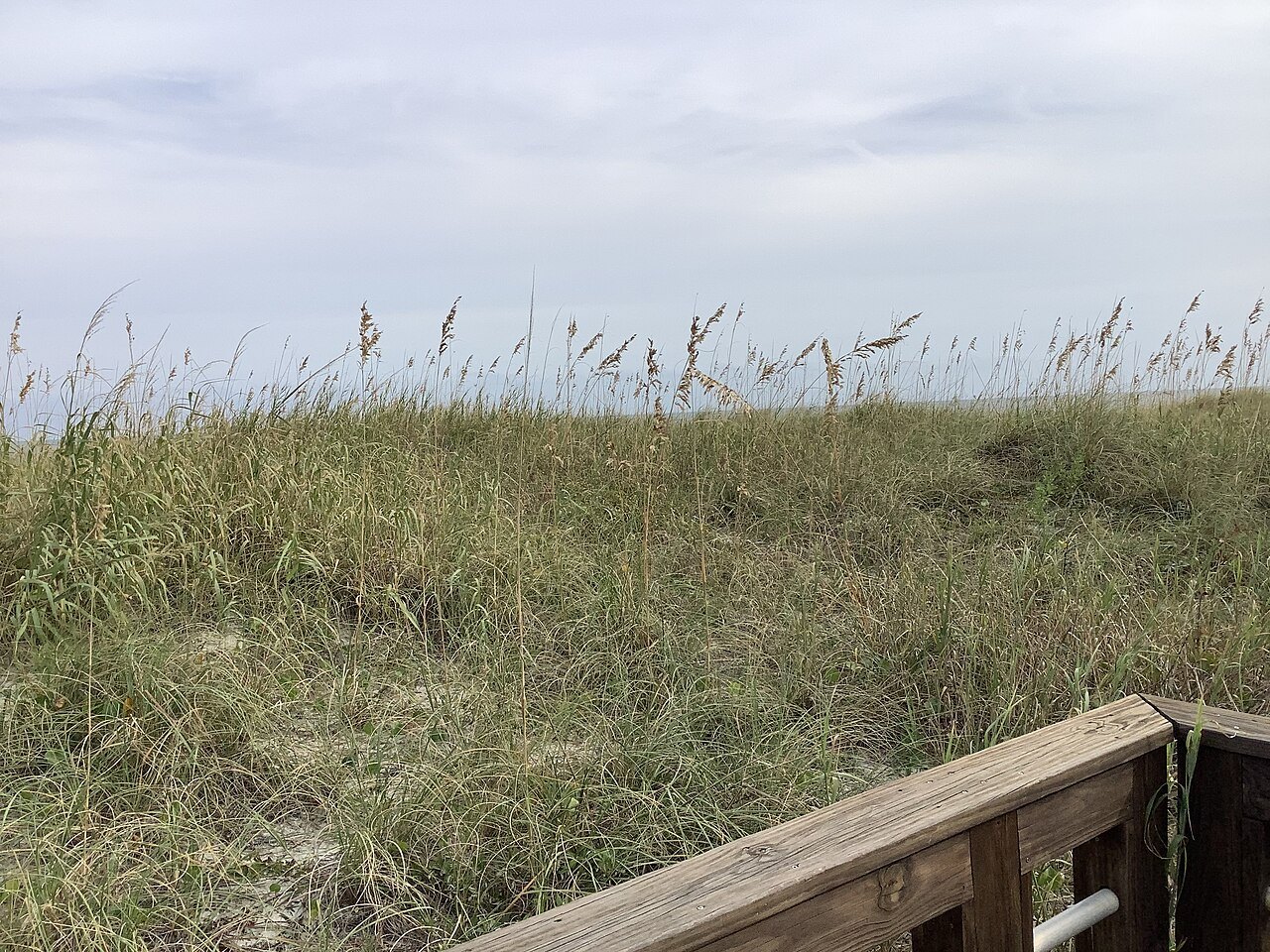
The Atlantic hurricane season runs from June 1 to November 30, and its peak is from late August through September, with a midpoint around September 10. North Carolina juts out into the Atlantic, and the Outer Banks lie in the path of many storms. Hazel in 1954 was the only Category 4 hurricane ever to make landfall in the state; Fran in 1996, Floyd in 1999 and Florence in 2018 brought devastating floods, and Florence dropped more than 35 inches of rain in places.
Hurricanes also reach the mountains. Frances in 2004 brought more than 23 inches of rain to Mount Mitchell, and Helene in 2024, which killed more than a hundred people in the state and destroyed roads, homes and whole villages in the mountains, was the costliest natural disaster in North Carolina's history. If you travel to the coast in late summer or early fall, follow the forecasts, keep your plans flexible, and know that NC 12 on the Outer Banks and the ferries can be closed by a storm. Ferries covers the emergency routes.
The short answer
For the mountains, come from late April to October, and above all in October for the color, booking early. For the coast, come from May to early October, watching the forecasts from late August. For the cities and the Piedmont, spring and fall are the most pleasant, and winter is quiet and mild. The road trips on this site suggest how to combine them.
More for planning
Sources read for this page
- en.wikipedia.org/wiki/Climate_of_North_Carolina
- en.wikipedia.org/wiki/Atlantic_hurricane_season
- en.wikipedia.org/wiki/Blue_Ridge_Parkway
- en.wikipedia.org/wiki/Great_Smoky_Mountains_National_Park
- en.wikipedia.org/wiki/Newfound_Gap
- en.wikipedia.org/wiki/Effects_of_Hurricane_Helene_in_North_Carolina
- en.wikipedia.org/wiki/Ocracoke,_North_Carolina
- en.wikipedia.org/wiki/New_Bern,_North_Carolina