THE COAST · CRAVEN COUNTY
New Bern, the colonial capital on two rivers
Photographs: Tradewinds, Wikimedia Commons, CC BY-SA 3.0 · Drummike55, Wikimedia Commons, CC BY-SA 4.0 · Indy beetle, Wikimedia Commons, CC0
The cities · The Coast
A town founded in 1710 by Swiss and German Palatine settlers where the Trent meets the Neuse: North Carolina's first capital, the birthplace of Pepsi-Cola, a lumber town of fine houses, and a waterfront with more than 164 buildings on the National Register within walking distance.
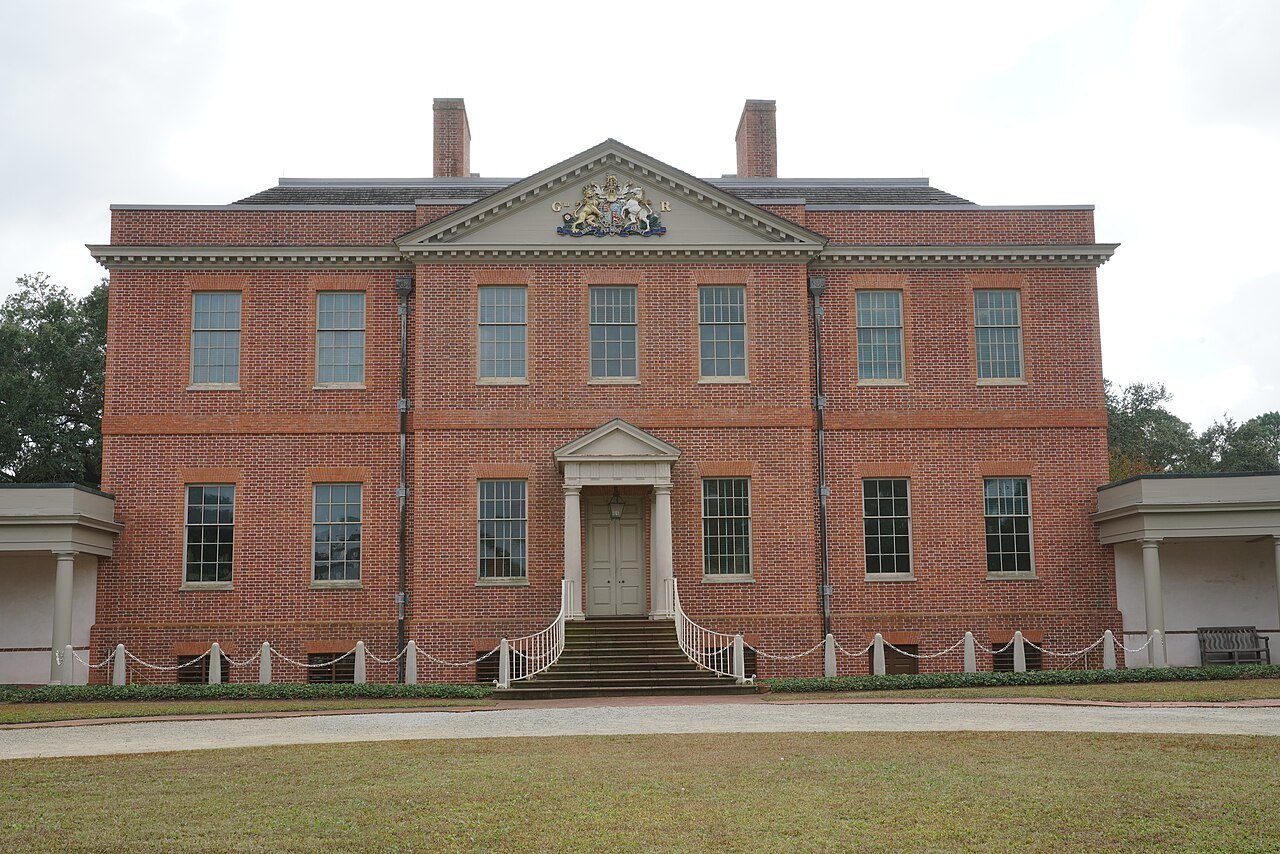
- Tryon PalaceThe rebuilt governor's house of 1770 on the Trent, with its gardens and history center.
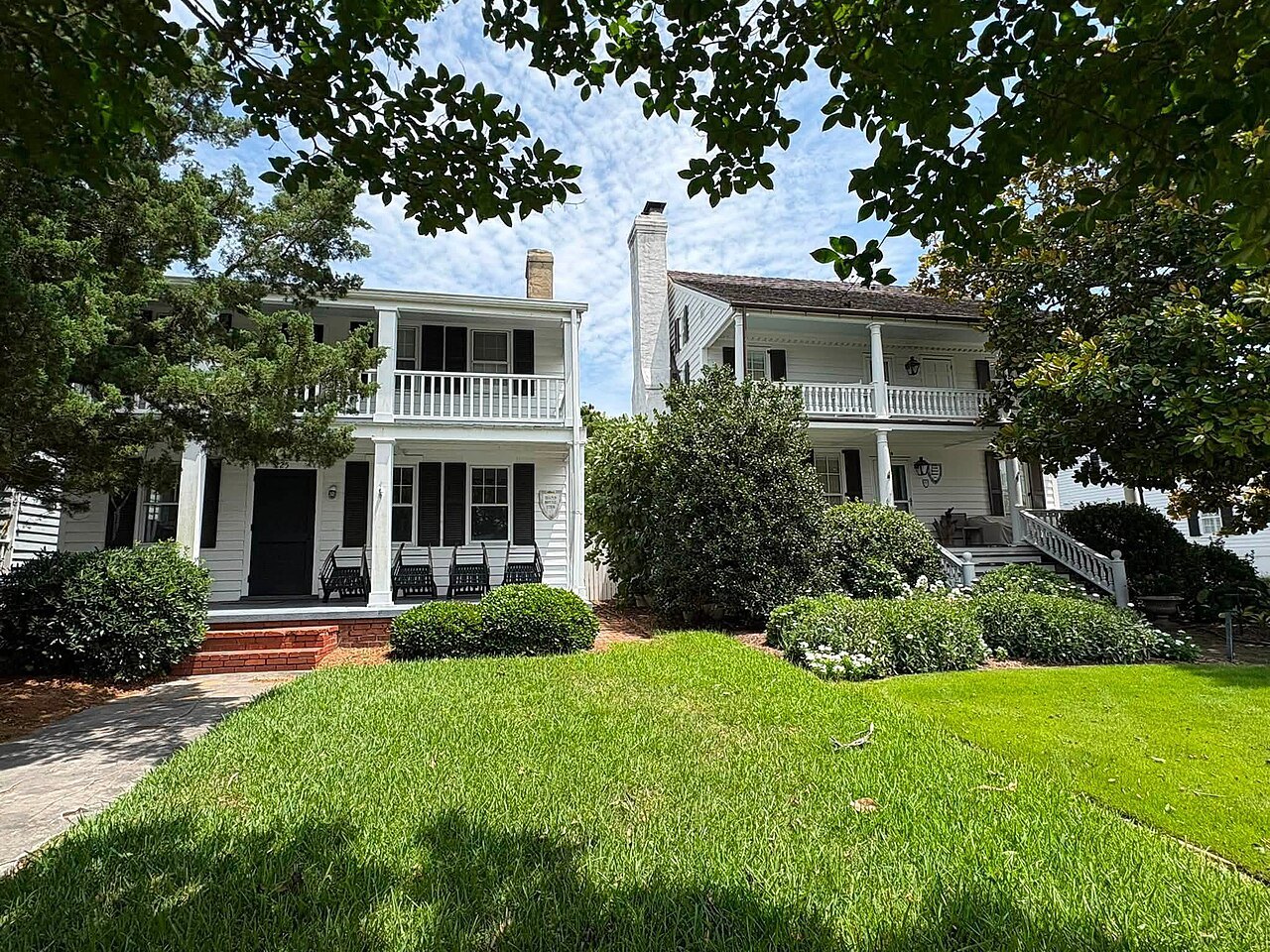
- The historic districtsFour National Register districts of houses, stores and churches from the early eighteenth century on.
- Union Point ParkThe park at the point where the Neuse and Trent rivers meet.
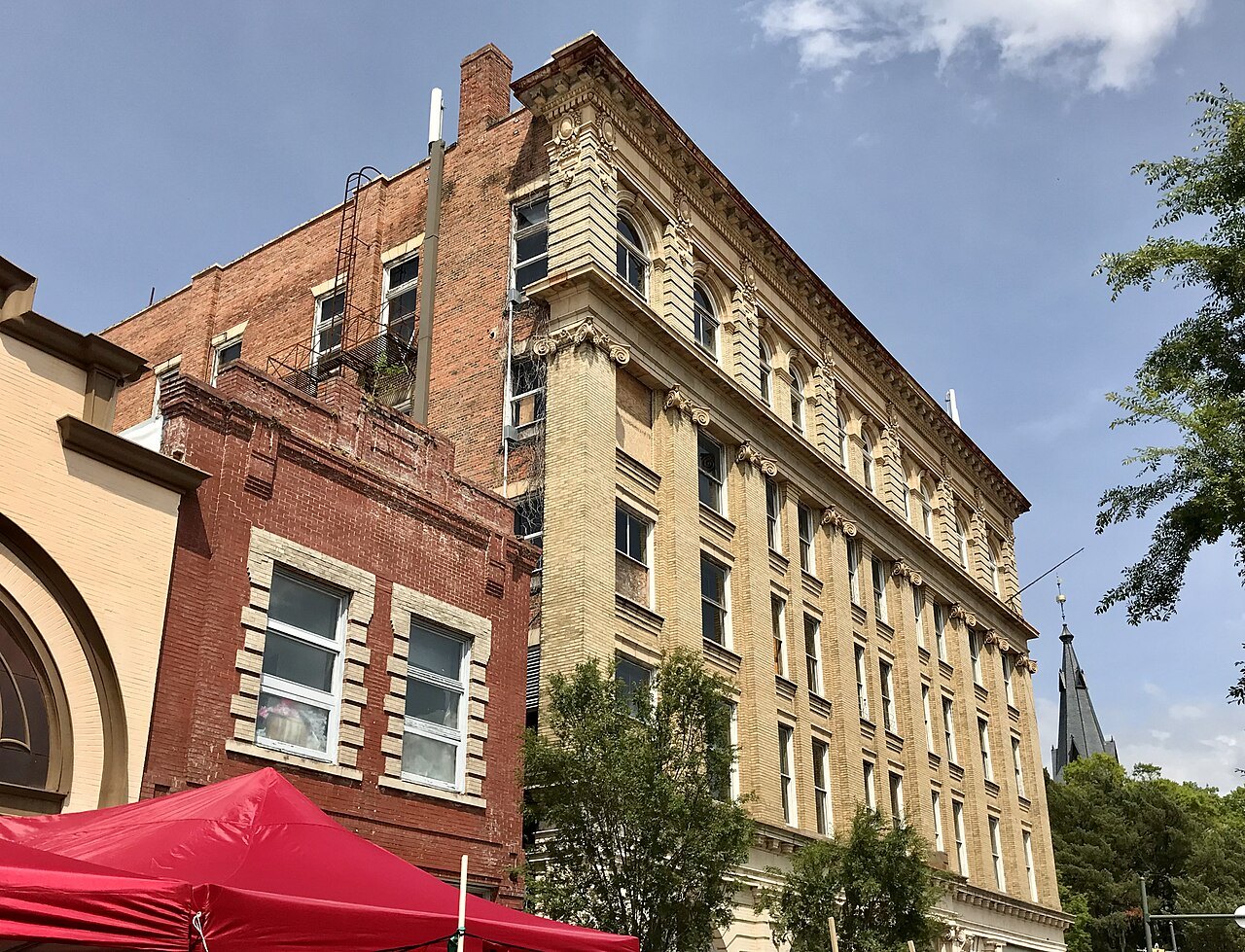
- The Masonic Temple and Athens TheaterLandmarks of the years when New Bern was called the Athens of the South.
- Pepsi's birthplaceThe pharmacist Caleb Bradham first developed Pepsi-Cola in the town.
- Crape myrtlesSome 2,000 of the city's official flower, in the historic districts and gardens.
Why it matters
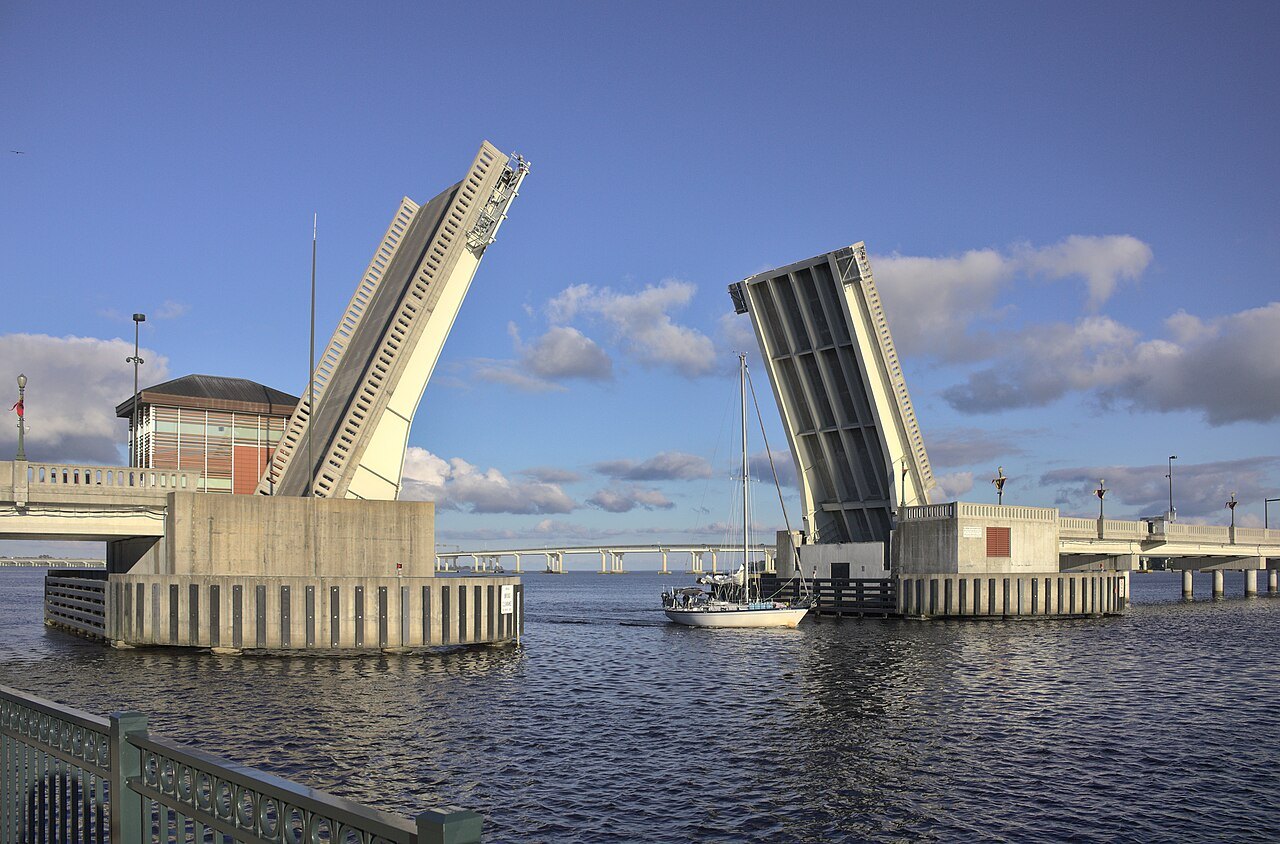
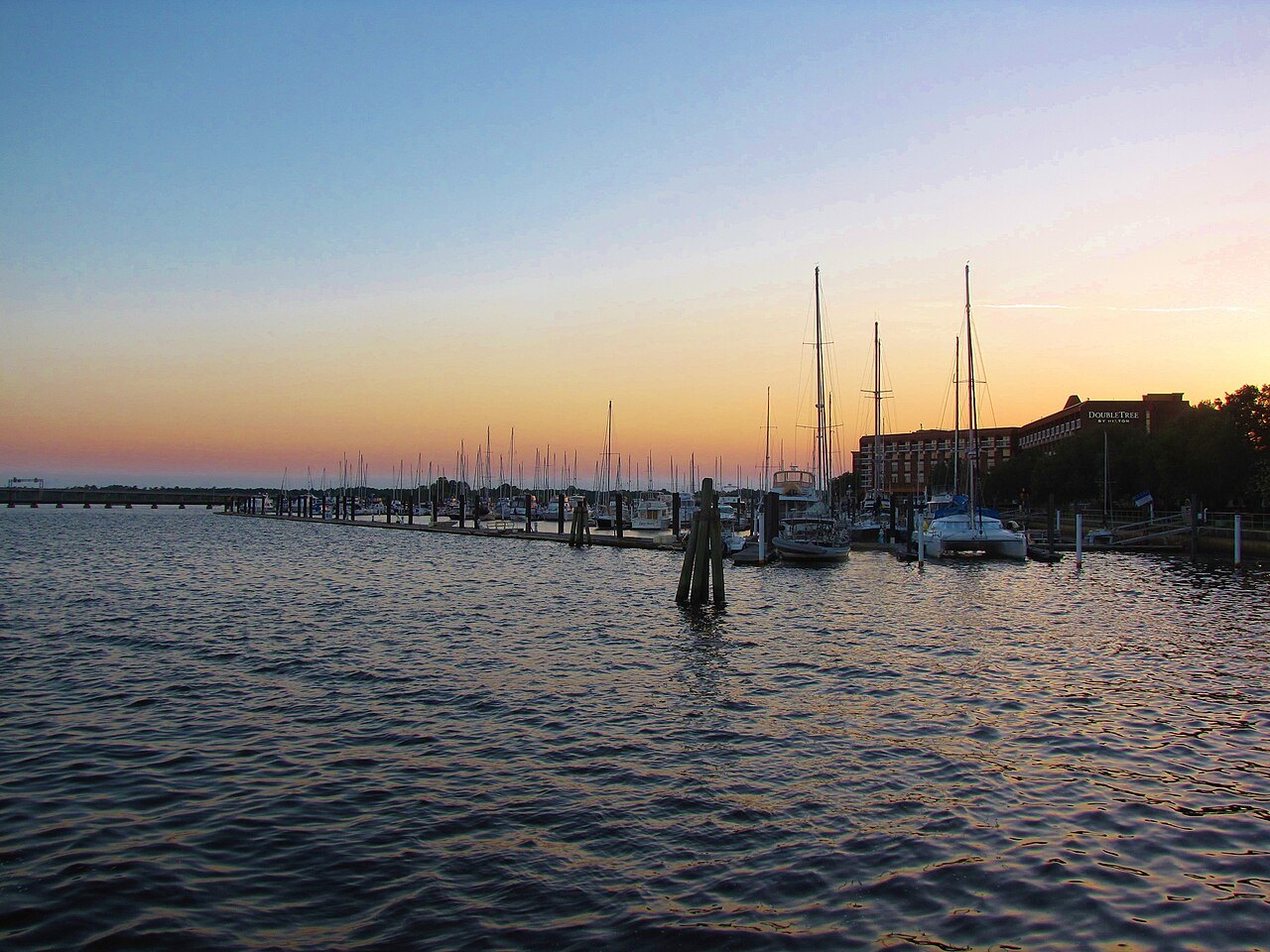
New Bern, the county seat of Craven County with some 31,000 people, stands where the Trent River flows into the Neuse near the head of Pamlico Sound. It is the second-oldest European town in North Carolina, after Bath, and served as the colony's and then the state's capital from 1770 to 1792, when the government moved to Raleigh.
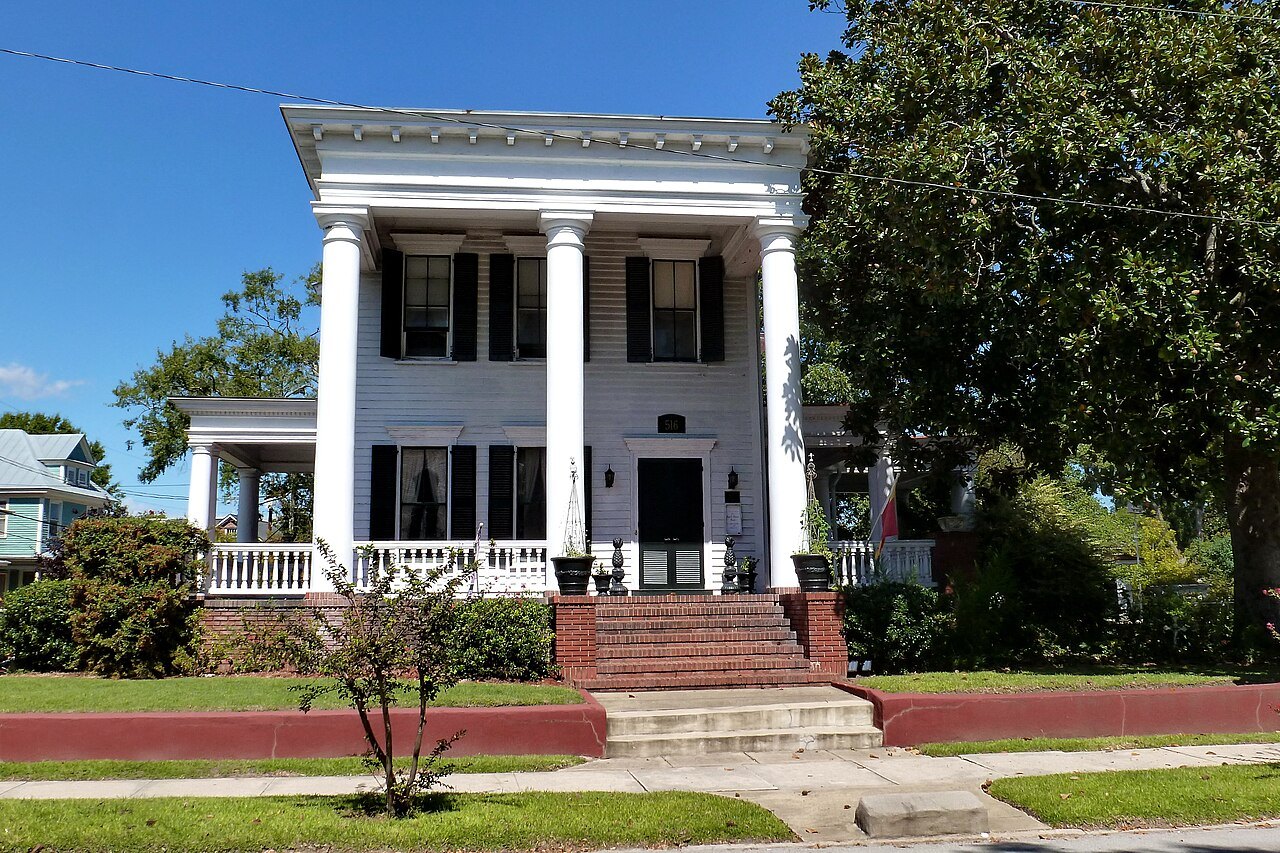
It is a town where history is the reason to come. Four historic districts on the National Register hold houses, stores and churches going back to the early eighteenth century, and more than 164 listed homes and buildings lie within walking distance of the waterfront, along with Tryon Palace, the rebuilt governor's mansion.
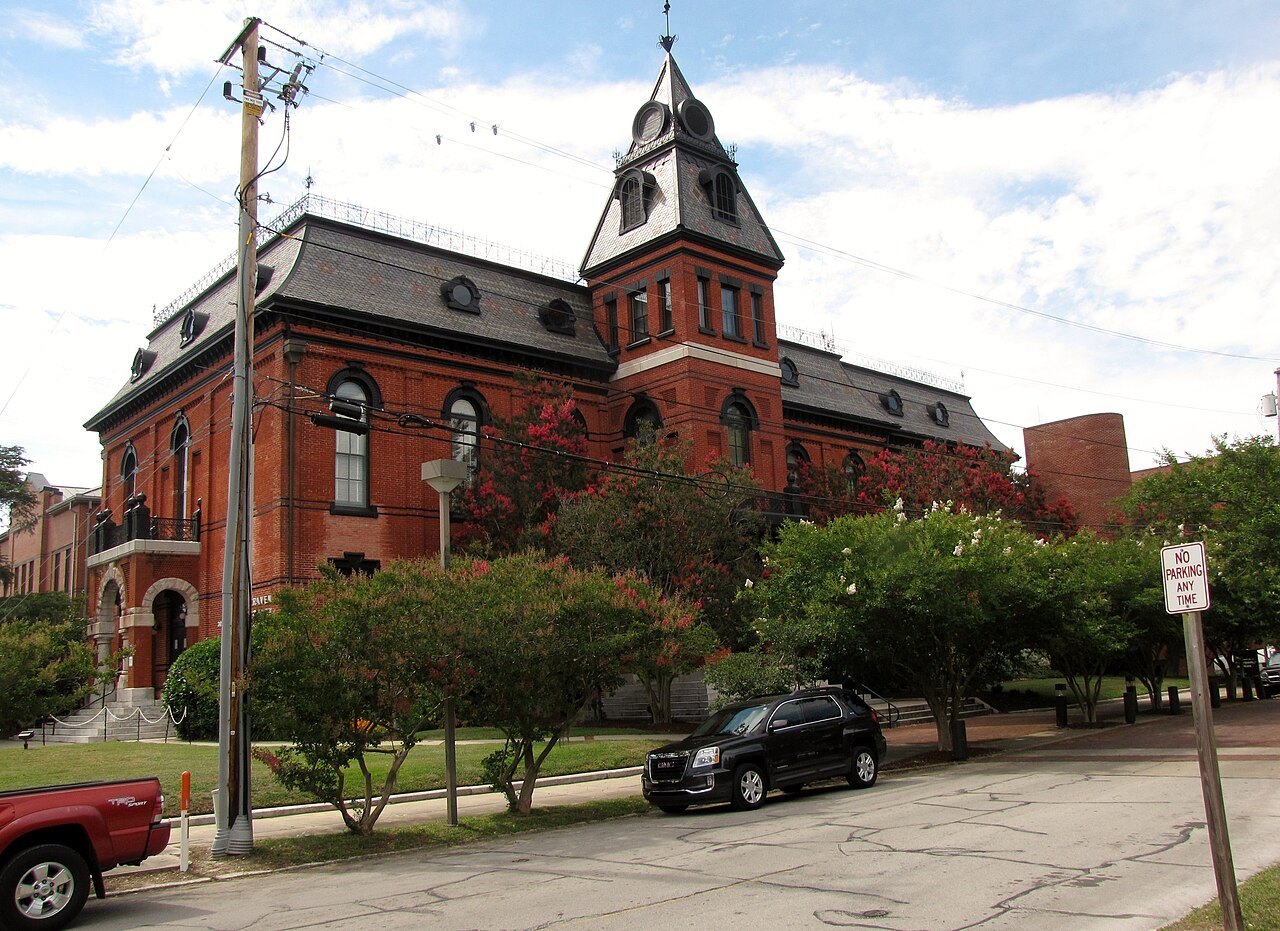
A Swiss town in Carolina
New Bern was settled in October 1710 by Palatines and Swiss led by Christoph von Graffenried, and named for the canton of Bern, home of their patron and many of the colonists. Von Graffenried laid out the town in the shape of a cross, a pattern later streets have mostly hidden within the grid. The rivers made the site: the Trent and the Neuse are both tidal waterways here, near the head of Pamlico Sound, and the town grew up as a port.
The town became the first permanent capital of North Carolina. In 1749 the assembly brought in James Davis from Williamsburg to be the colony's first printer, because until then its laws were written out by hand and poorly kept. Davis settled in New Bern, became North Carolina's first postmaster under Benjamin Franklin, and founded the North-Carolina Gazette, the colony's first newspaper.
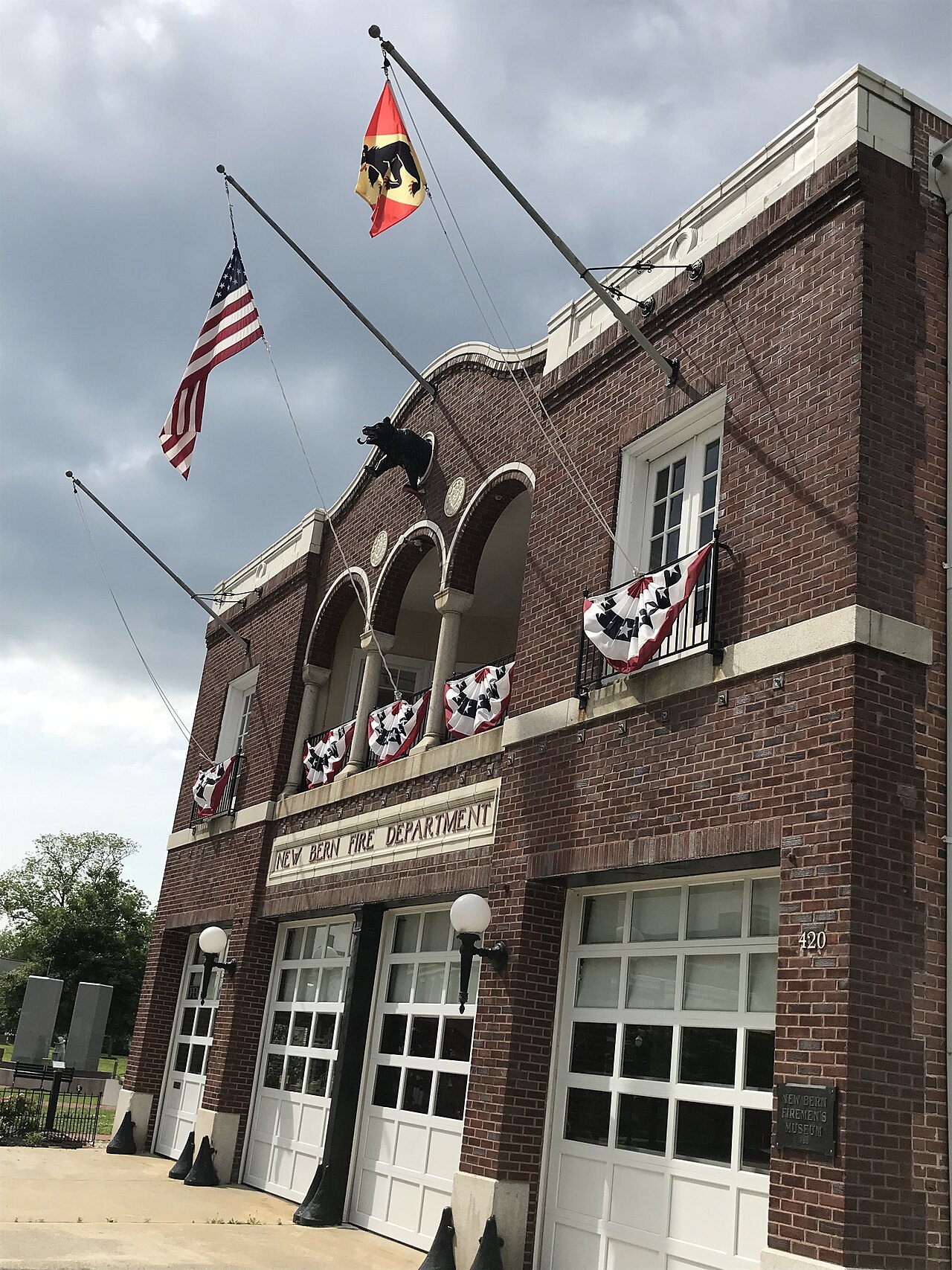
Capital, port and the Athens of the South
The British governor's palace, the present Tryon Palace, served as the capitol from 1770. After the Revolution New Bern grew wealthy and became the largest city in the state, trading goods and enslaved people tied to plantation agriculture. When the capital left for Raleigh in 1792, the town turned to shipping, trading with the Caribbean and New England as part of the triangle trade in sugar, enslaved people and goods; by 1815 it had 3,600 people. It developed such a rich cultural life that it was called the Athens of the South, famous for its Masonic Temple and its Athens Theater, both still in use.
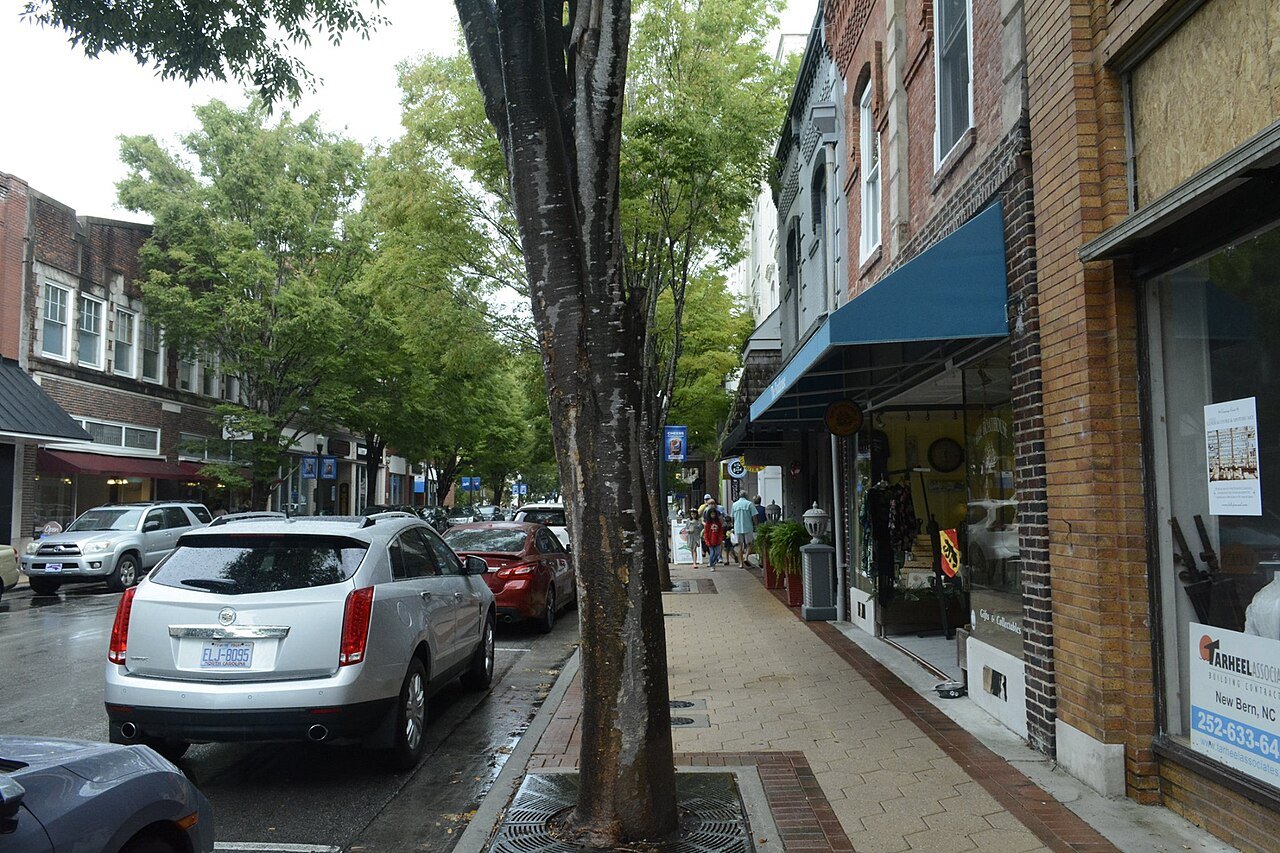
War and freedom
In 1862, early in the Civil War, Union forces won the Battle of New Bern and occupied the town until 1865. Nearly 10,000 enslaved people in the region escaped to the Union camps for protection and freedom, and the army set up the Trent River contraband camp to house them, where the adults were organized for work and missionaries came to teach adults and children to read. The occupation and the thousands of freed people camped near the city caused great upheaval. Because it was occupied so early, New Bern escaped much of the war's destruction, and by the end of the war its population had swollen from about 5,400 to more than 20,000.
Freed people built independent communities, churches, associations and businesses, and by 1877 the city had a Black majority. The district elected four Black congressmen in the late nineteenth century, before the state's suffrage amendment of 1900 shut Black citizens out of politics until the civil rights laws of the 1960s.
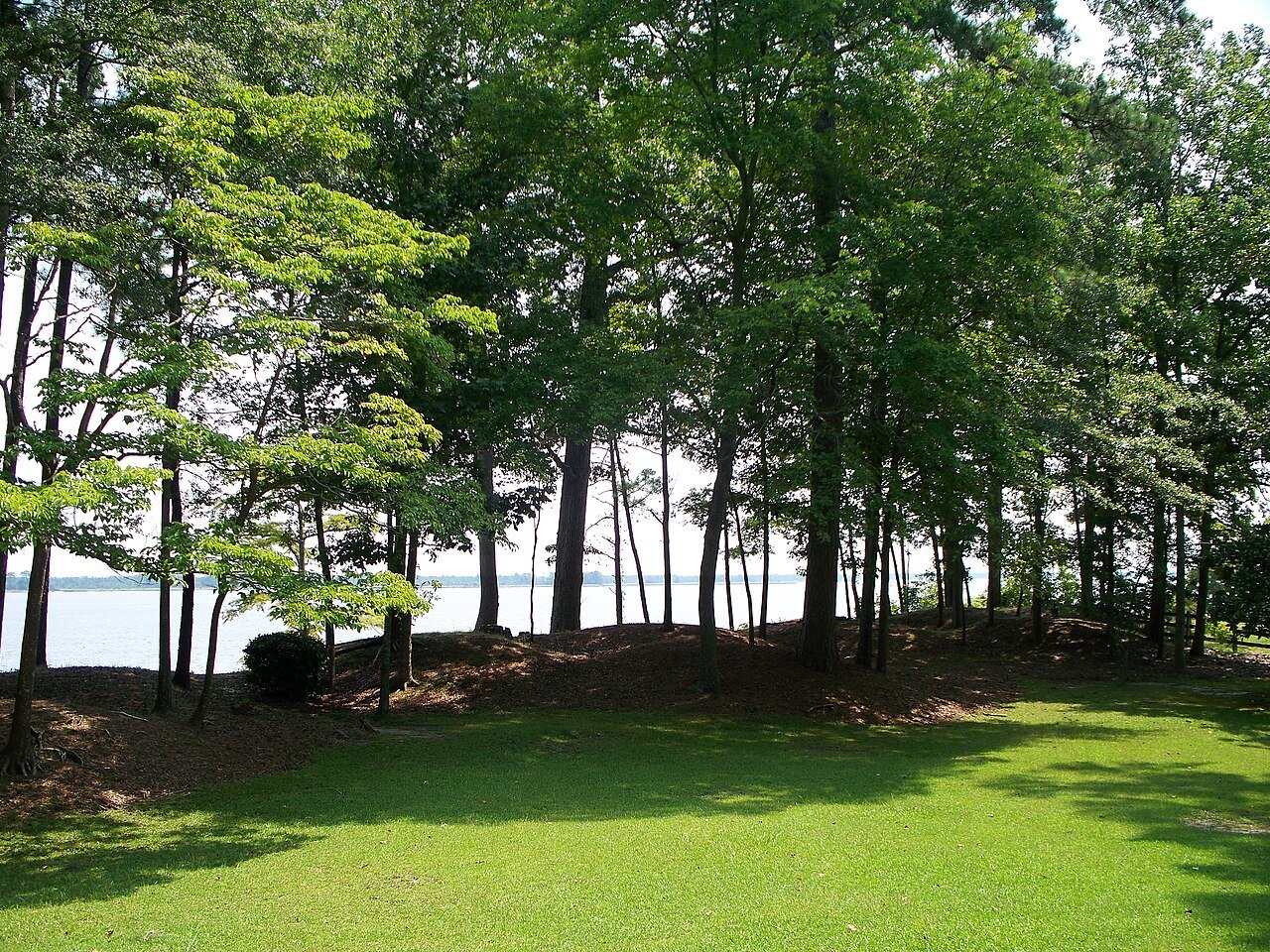
Lumber and Pepsi
By 1890 New Bern was the largest lumber center in North Carolina and one of the largest in the South, with as many as sixteen mills floating timber down the two rivers. The rivalry of the lumber barons, and the plenty of wood and craftsmen, produced some of the finest houses in the South, many of which survive. The boom lasted until the 1920s, when the mills closed one by one; today only one company still makes lumber in the area. Passenger trains ran through the town to Morehead City and to Goldsboro until 1951.
A local pharmacist, Caleb Bradham, developed a drink he called Pepsi-Cola; New Bern is known as the town where Pepsi was born, and the company's vehicle fleet is still run by a firm named for it.
Walking the town
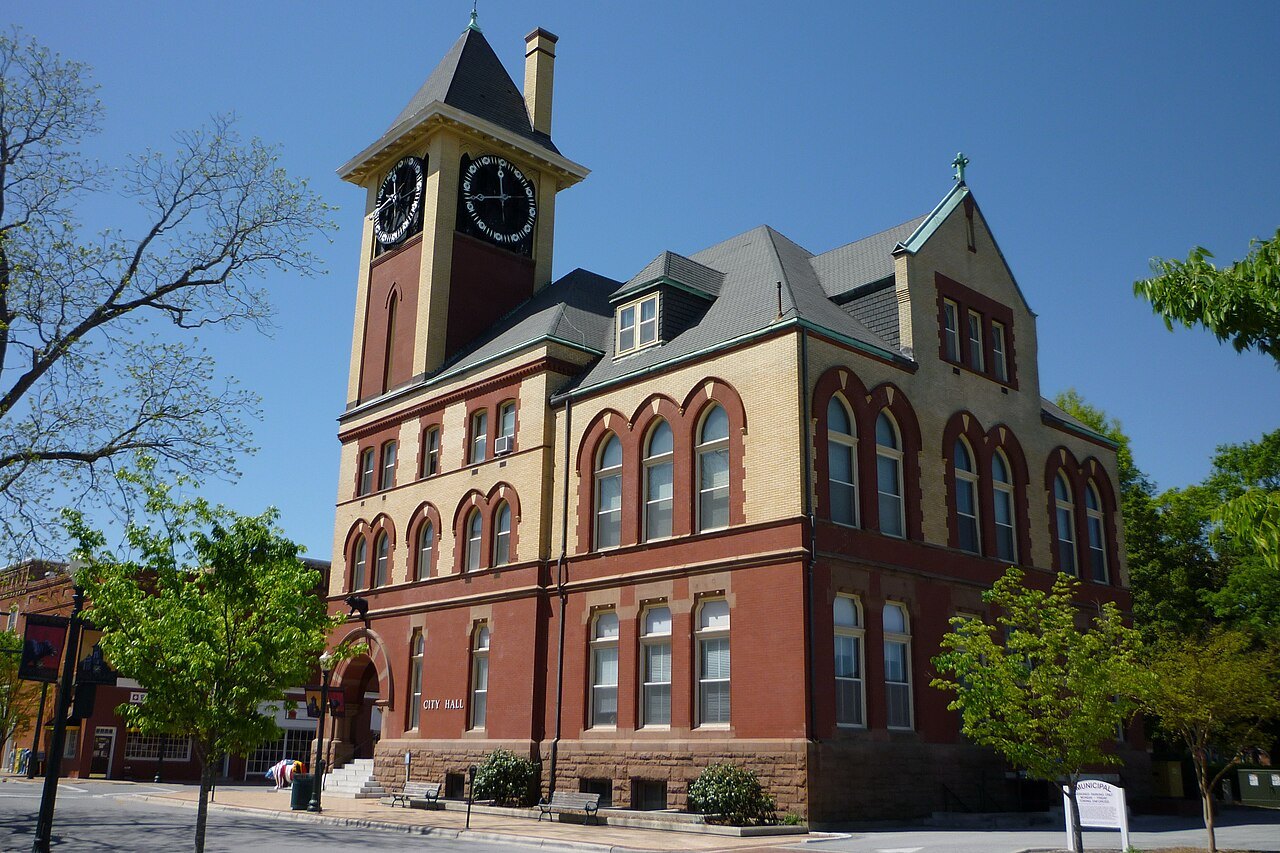
The historic districts are best seen on foot: start at Tryon Palace and the North Carolina History Center on the Trent, then walk the streets of houses, churches and shops toward the waterfront and Union Point Park, where the two rivers meet. The town's official flower is the crape myrtle, and some 2,000 of them grow through the historic districts and gardens. Two local historic districts, the Downtown district of some 368 acres and the smaller Riverside district, give legal protection to the outsides of the old buildings, which has helped keep the character of the streets.
Bed and breakfasts, hotels, restaurants, antique stores and specialty shops fill the old center, and the town makes an easy base for the coast of Carteret County.
Storms and getting around
Being near the coast, New Bern lives with hurricanes. The Great Chesapeake Bay Hurricane of 1769 badly damaged the town, Ione in 1955 and Floyd in 1999 brought serious floods, and in 2018 Florence drove a storm surge of up to thirteen and a half feet up the rivers. Check When to Come for the season.
Coastal Carolina Regional Airport, three miles south of downtown, has connecting flights through Charlotte, and US 17 and US 70 cross it; US 70 runs 35 miles southeast to Morehead City, for Fort Macon and Beaufort, and 112 miles west to Raleigh.
Nearby
Sources read for this page