THE PIEDMONT · WAKE COUNTY
Raleigh, the City of Oaks
Photographs: Quintin Soloviev, Wikimedia Commons, CC BY 4.0 · Reba Spike, Wikimedia Commons, CC BY 2.0 · Nyttend, Wikimedia Commons, Public domain
The cities · The Piedmont
A capital planned from scratch in 1792 on the fall line where the Piedmont meets the coastal plain, laid out on a grid around its Capitol, with the state's great museums, a university town along Hillsborough Street, and seventy-eight miles of greenway under the oaks.
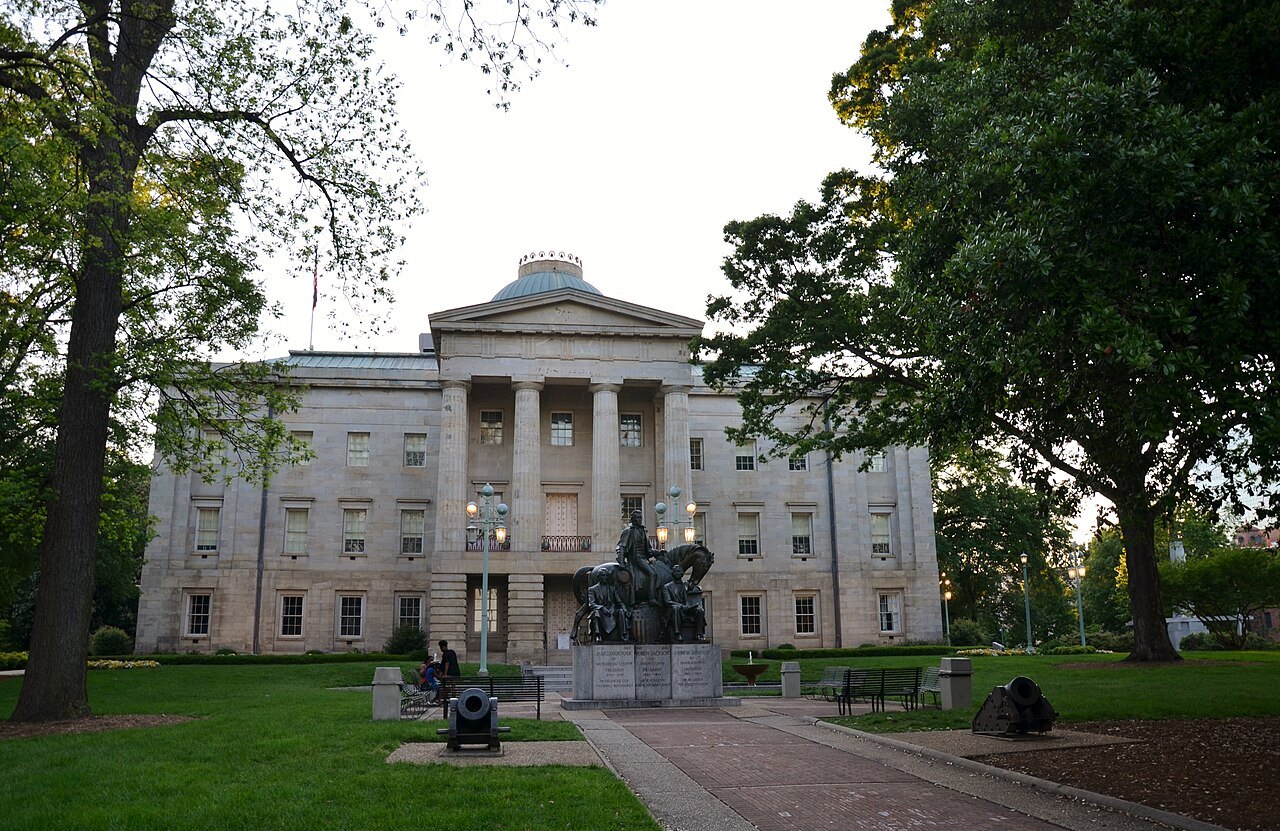
- Union SquareThe Capitol at the center of the original grid, with the state museums a block away.
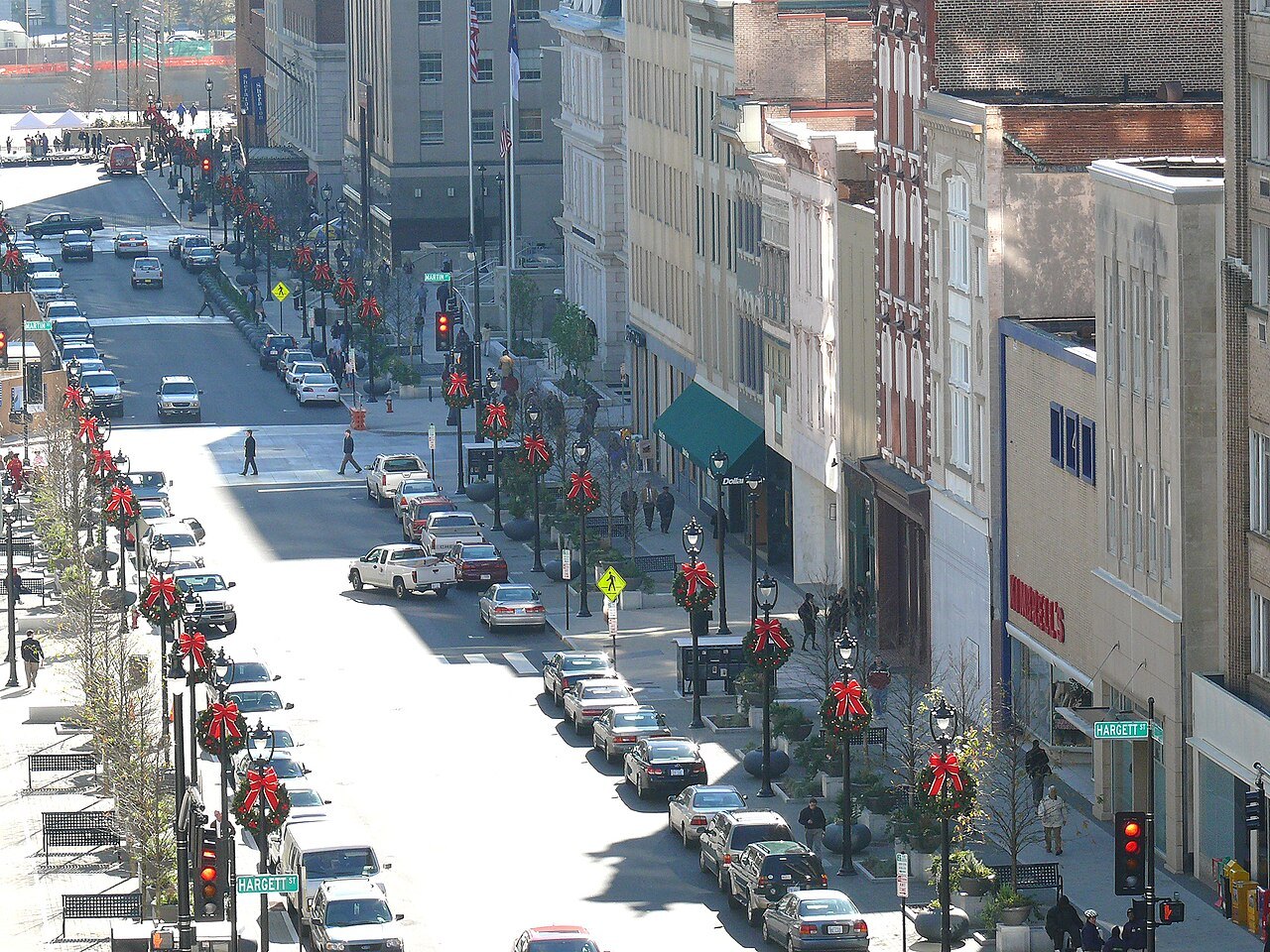
- Fayetteville StreetThe downtown main street, a historic district running south from the Capitol.
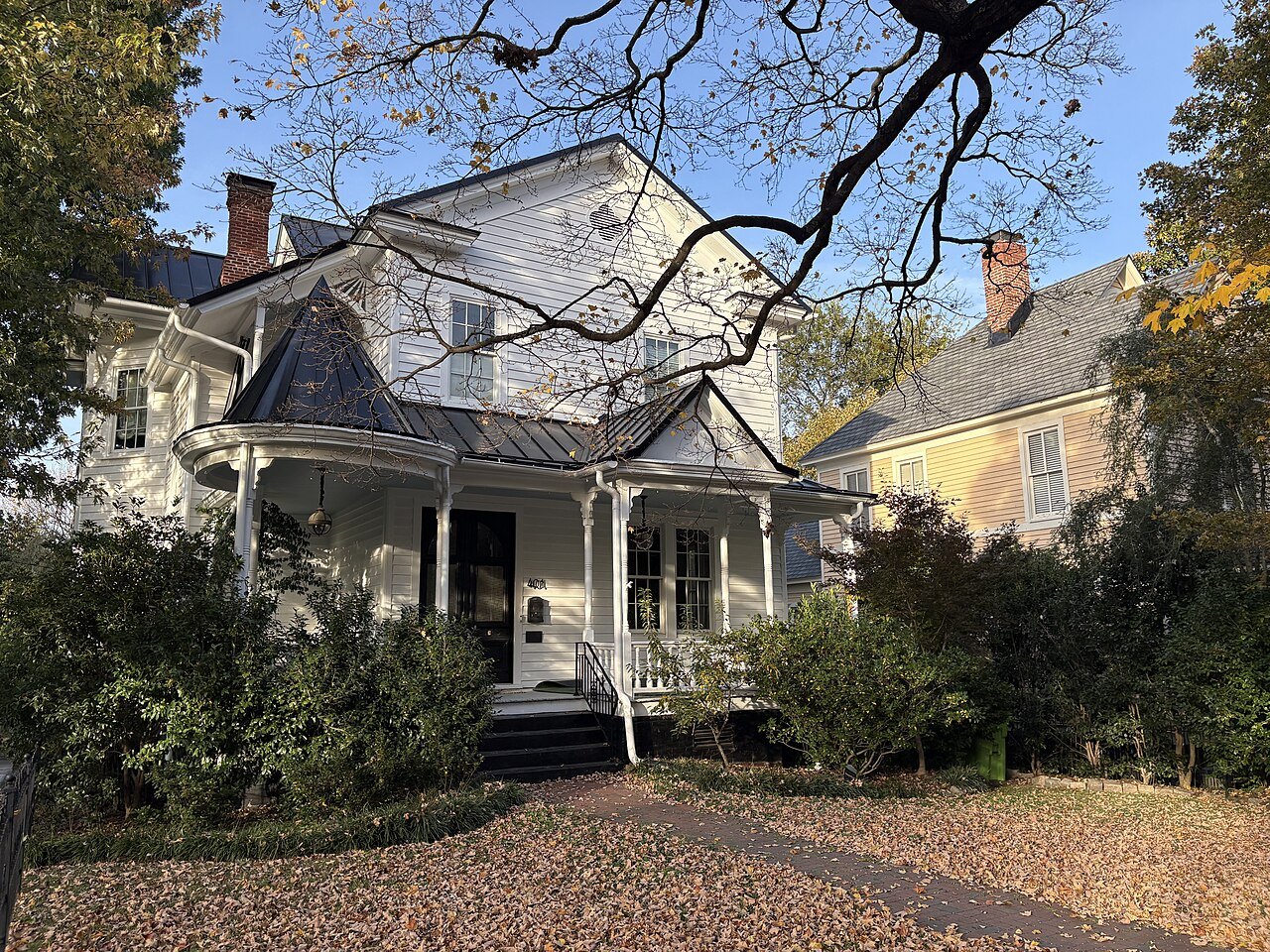
- Historic OakwoodA neighborhood of nineteenth-century houses east of downtown, still in good condition.
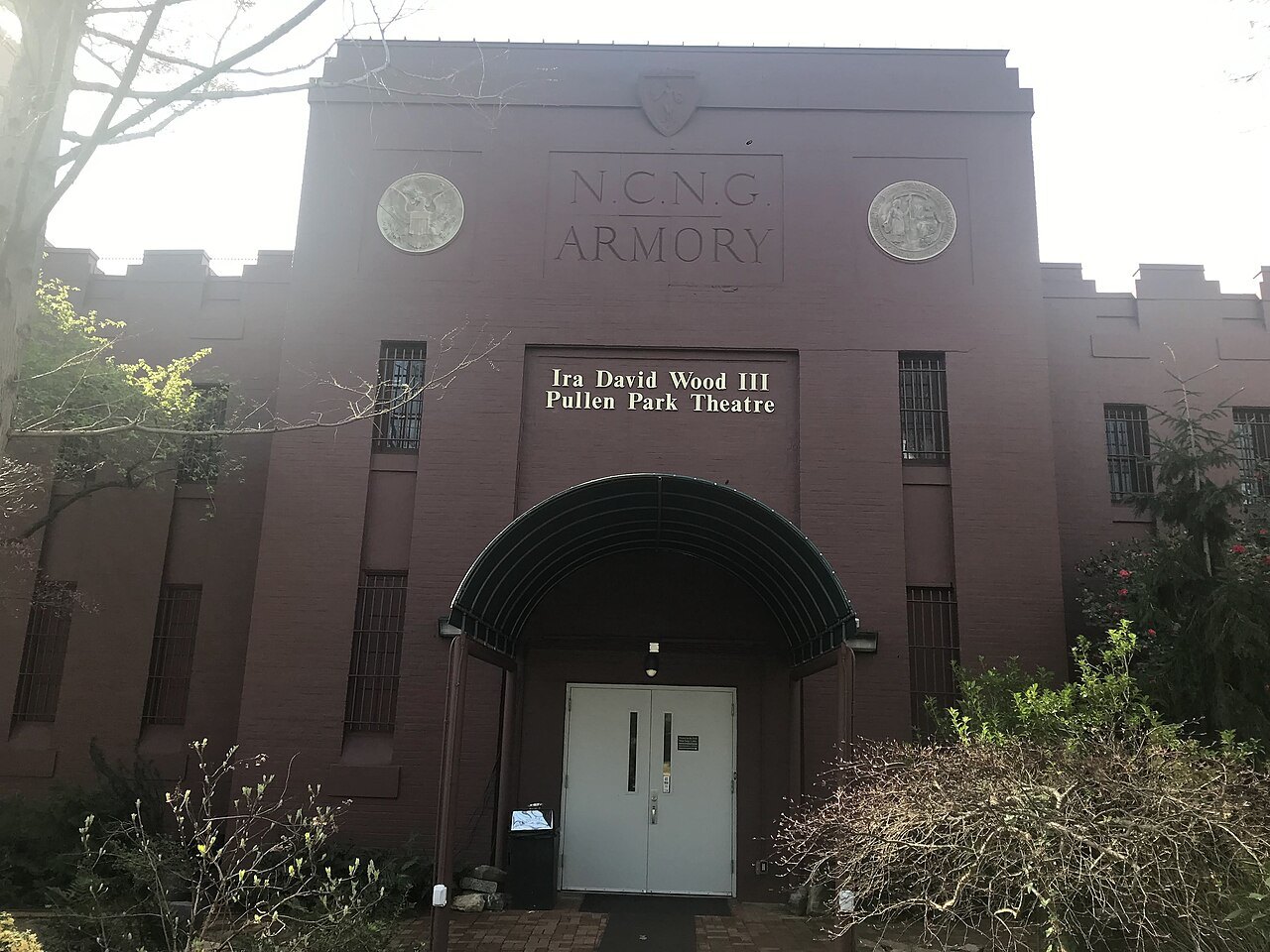
- Pullen ParkThe oldest public park in North Carolina, with the carousel of 1912 still turning.
- Dorton ArenaMatthew Nowicki's saddle-shaped arena of 1952 on the State Fairgrounds.
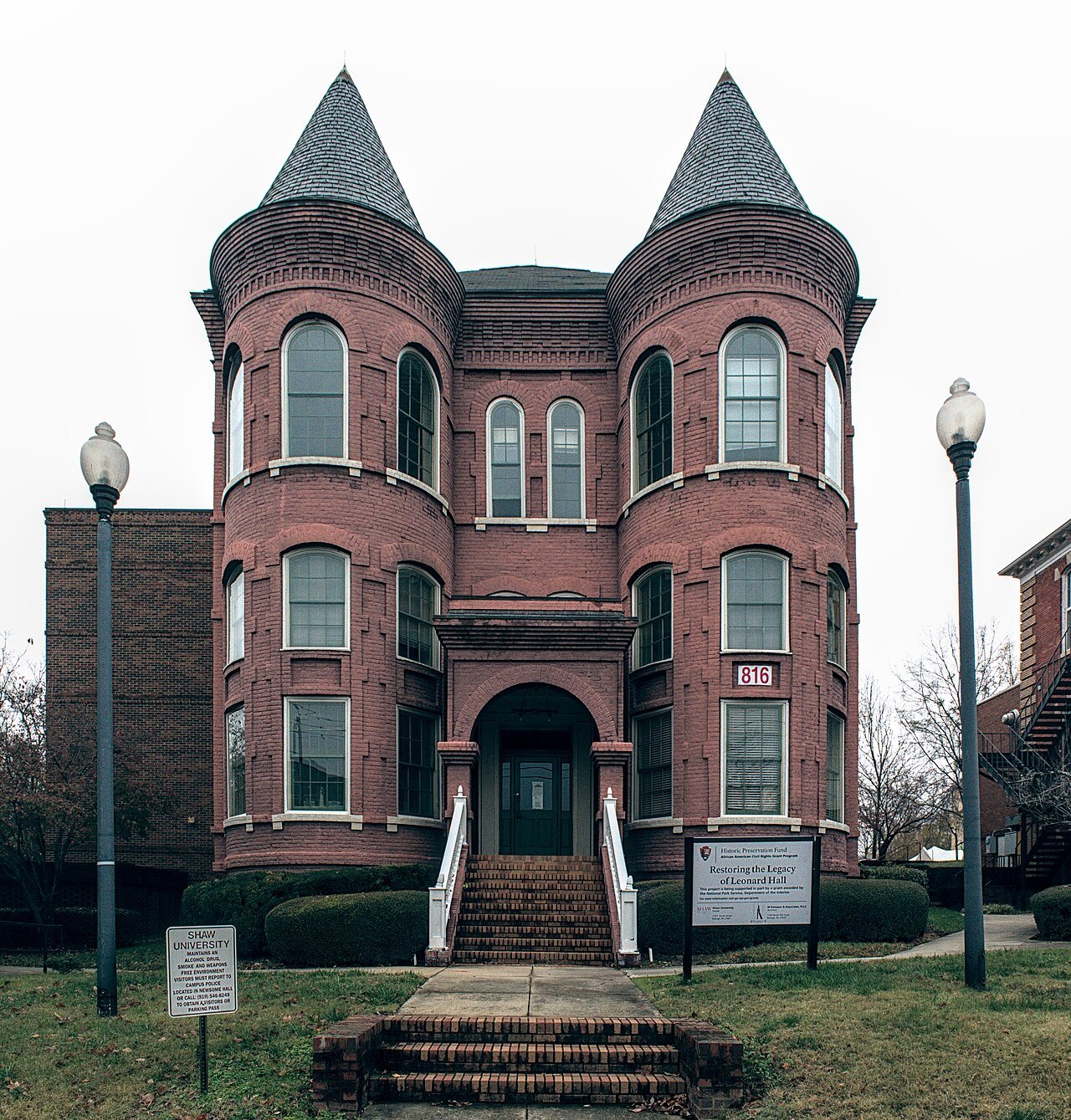
- Shaw UniversityThe South's first African American college, which began classes in 1865.
Why it matters
Raleigh is the capital of North Carolina and its second-largest city, with nearly 470,000 people, and the largest city of the Research Triangle it shares with Durham and Chapel Hill. It is named for Sir Walter Raleigh, who sent the colonists to Roanoke Island, and known as the City of Oaks for its oak-lined streets.
For a visitor it is the state's museum town: the State Capitol, the museums of natural sciences and of history downtown and the Museum of Art in the west make it the best place to learn about North Carolina before heading for the mountains or the coast.
A capital built to order
North Carolina's government moved from town to town in the colonial years, from Bath to Edenton to New Bern. During the Revolution New Bern could no longer serve, and in 1788 the state chose a new site in Wake County, central and safe from attack from the sea. There was no town there at all. Raleigh was established in 1792 as both county seat and capital, laid out on a grid with the Capitol at its center in Union Square.
Andrew Johnson, the seventeenth president, was born in the town in 1808. When the first State House burned in 1831, the gneiss for the new Capitol was carried in on the state's first railroad, and in 1840 the city celebrated both the finished Capitol and the railroad. The first State Fair was held near Raleigh in 1853.
War and Reconstruction
North Carolina left the Union on May 20, 1861, and Governor Zebulon Vance had breastworks built around the city. In April 1865, as General Sherman's army approached, Vance sent two former governors to arrange a surrender and then left, giving the mayor authority to give up the city. The mayor met Union cavalry south of town and offered no resistance in return for protection, and Raleigh was spared the destruction suffered by other Southern cities; Sherman made his headquarters in the governor's mansion.
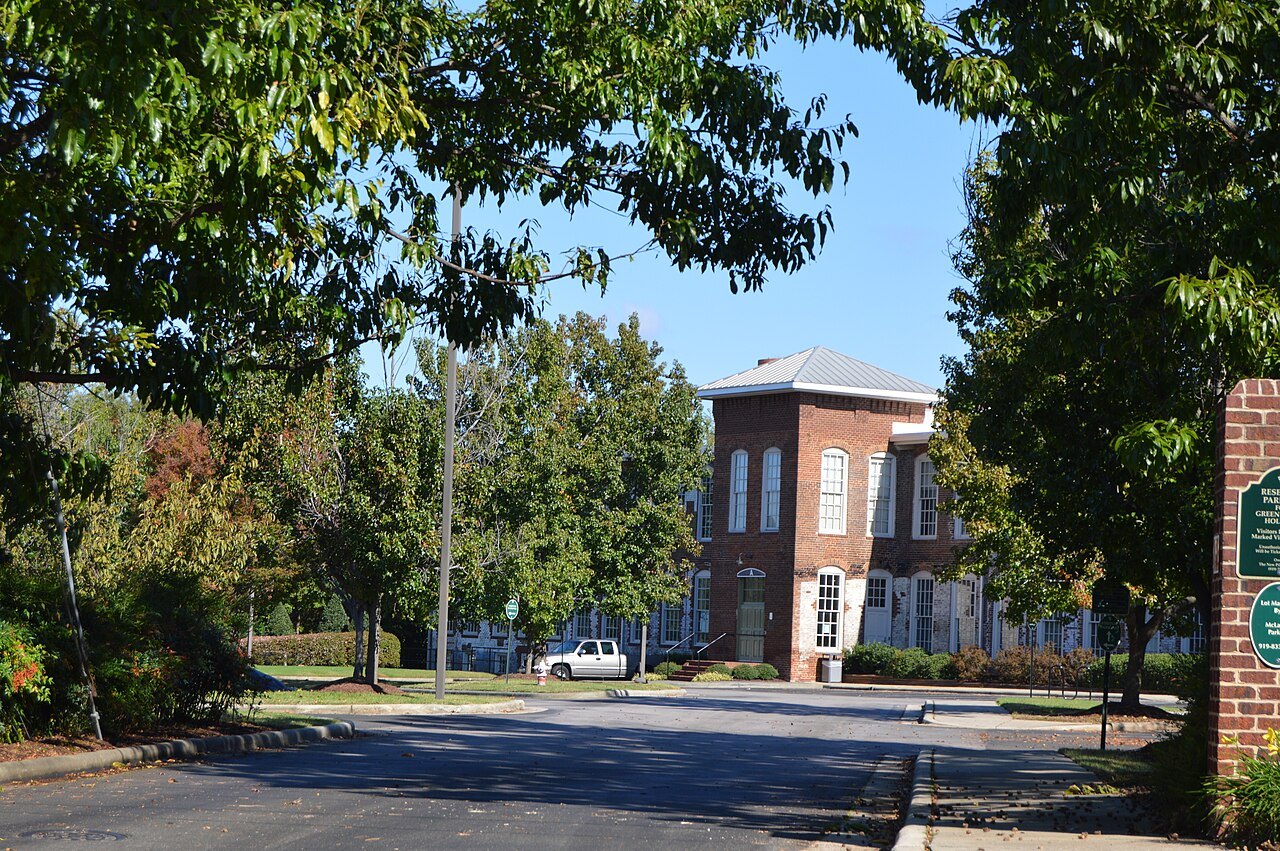
After the war, the city grew slowly for decades, its economy still tied to farming. At the same time it became a center of Black education. Shaw University, the first African American college in the South, began classes in 1865; its Estey Hall was the first building constructed for the higher education of Black women, and its Leonard Medical Center was the first four-year medical school in the country for African Americans. In 1867 Episcopal clergy founded Saint Augustine's College for the education of freed people, and in 1869 the Reconstruction legislature approved the country's first school for blind and deaf Black children, in Raleigh.
Downtown and the neighborhoods
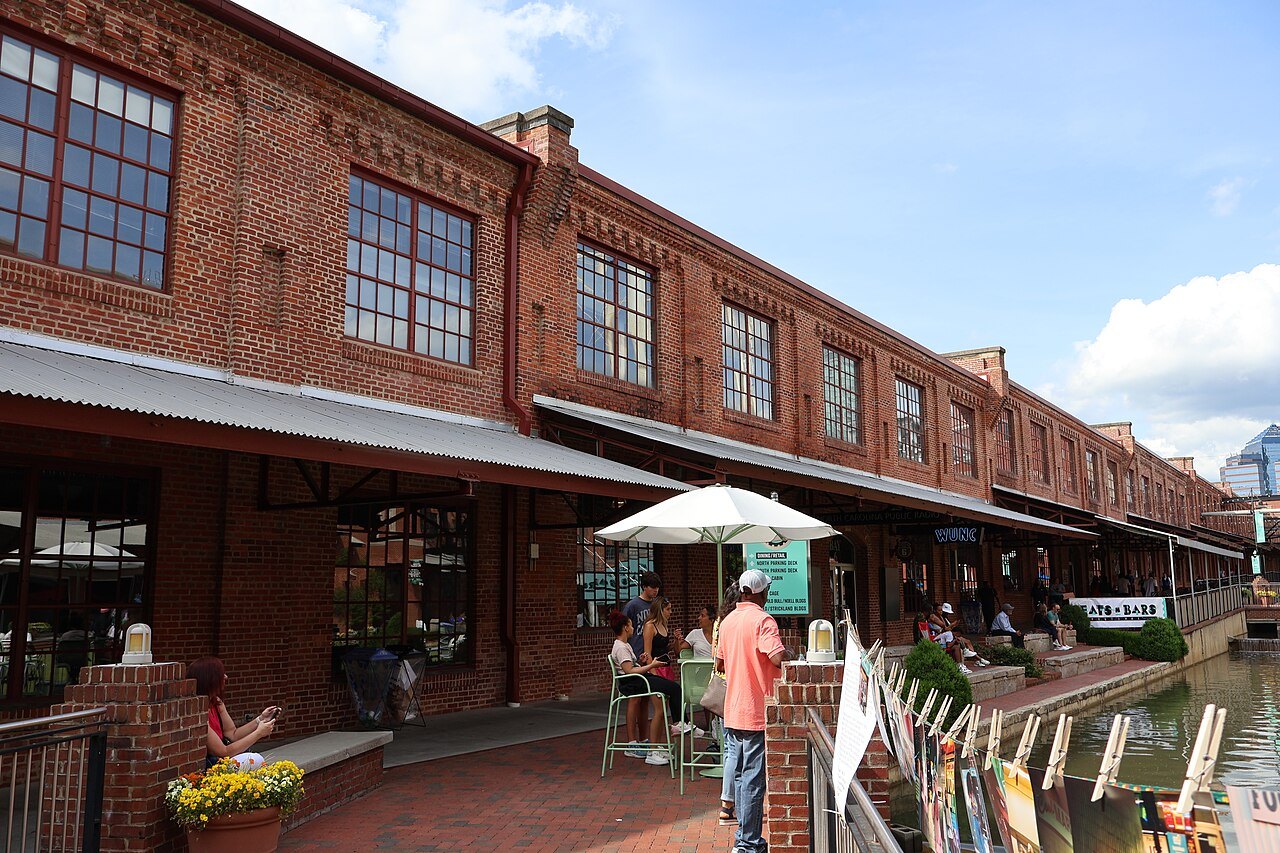
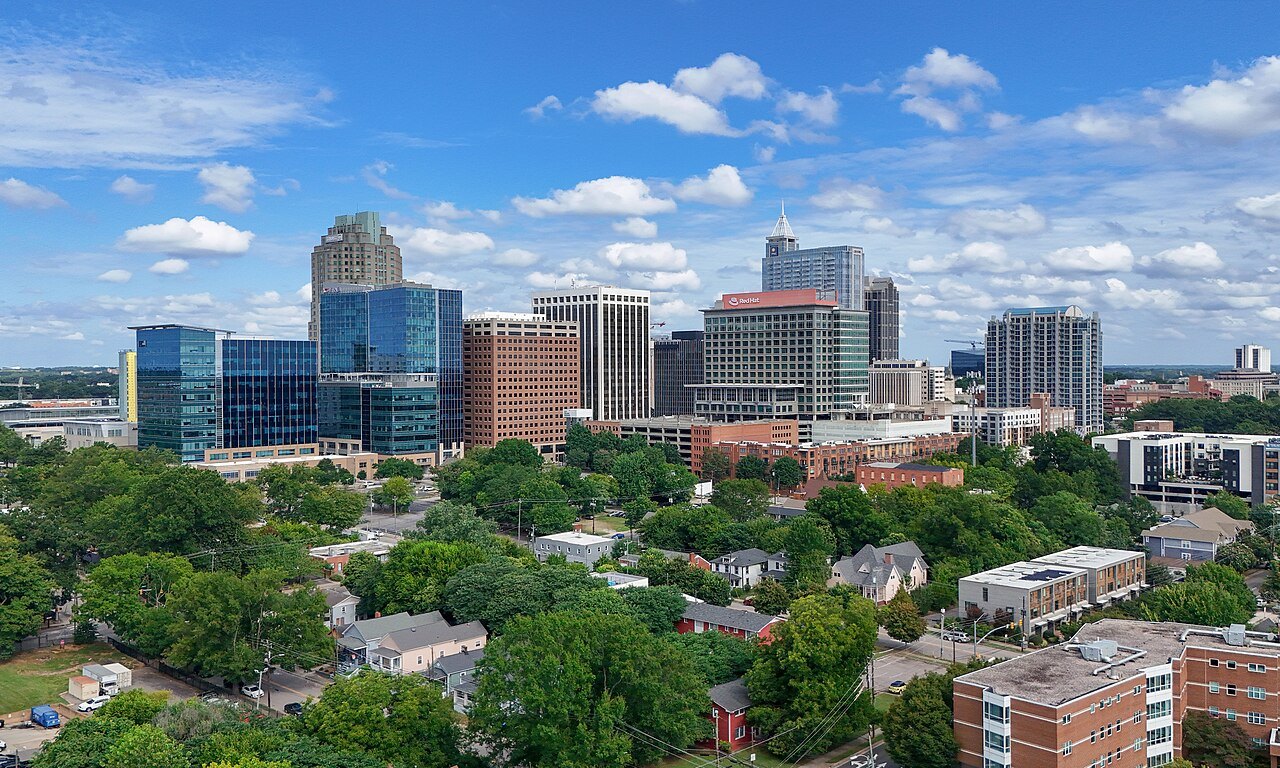
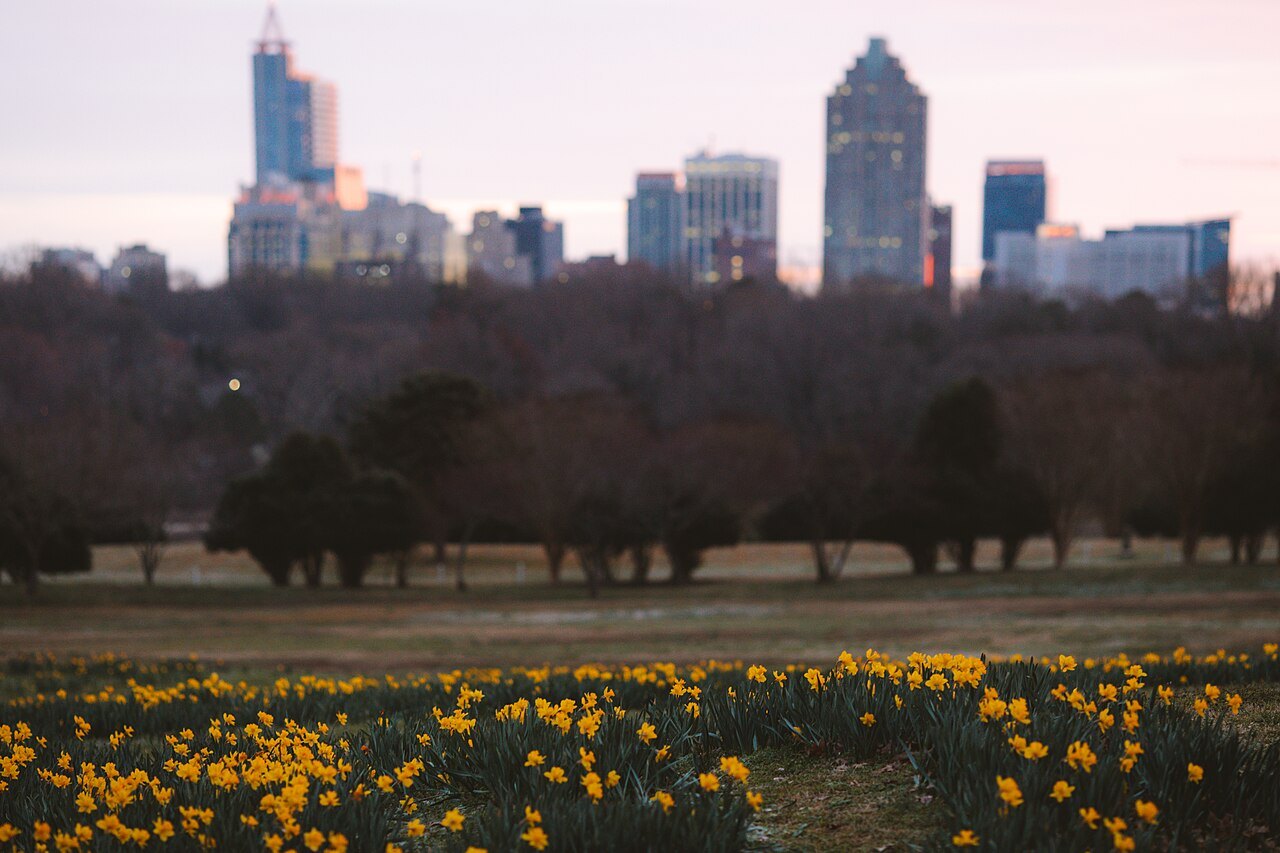
The center lies inside the Beltline, the ring road formed by I-440 and I-40. Downtown holds the Capitol and the state museums, the restored City Market, the Sir Walter Raleigh Hotel of the early twentieth century and the Fayetteville Street historic district, which reopened to cars in 2006 and was listed on the National Register in 2008. Its districts include Moore Square, Glenwood South and the Warehouse District, and the city's tallest tower, PNC Plaza, rises 538 feet.
Near the Capitol, the Blount Street Historic District is lined with Victorian, Georgian Revival, Queen Anne and Second Empire mansions, and Historic Oakwood beyond it keeps many nineteenth-century houses in good condition. The older neighborhoods inside the Beltline, among them Boylan Heights, Five Points, Hayes Barton, Mordecai, with its historic Mordecai House, and Oberlin Village, were mostly built before World War II and mark the extent of the city before its postwar boom. West Raleigh, along Hillsborough Street and Western Boulevard, is the home of North Carolina State University, Meredith College and Saint Mary's School, and of the Museum of Art and the State Fairgrounds.
Parks and greenways
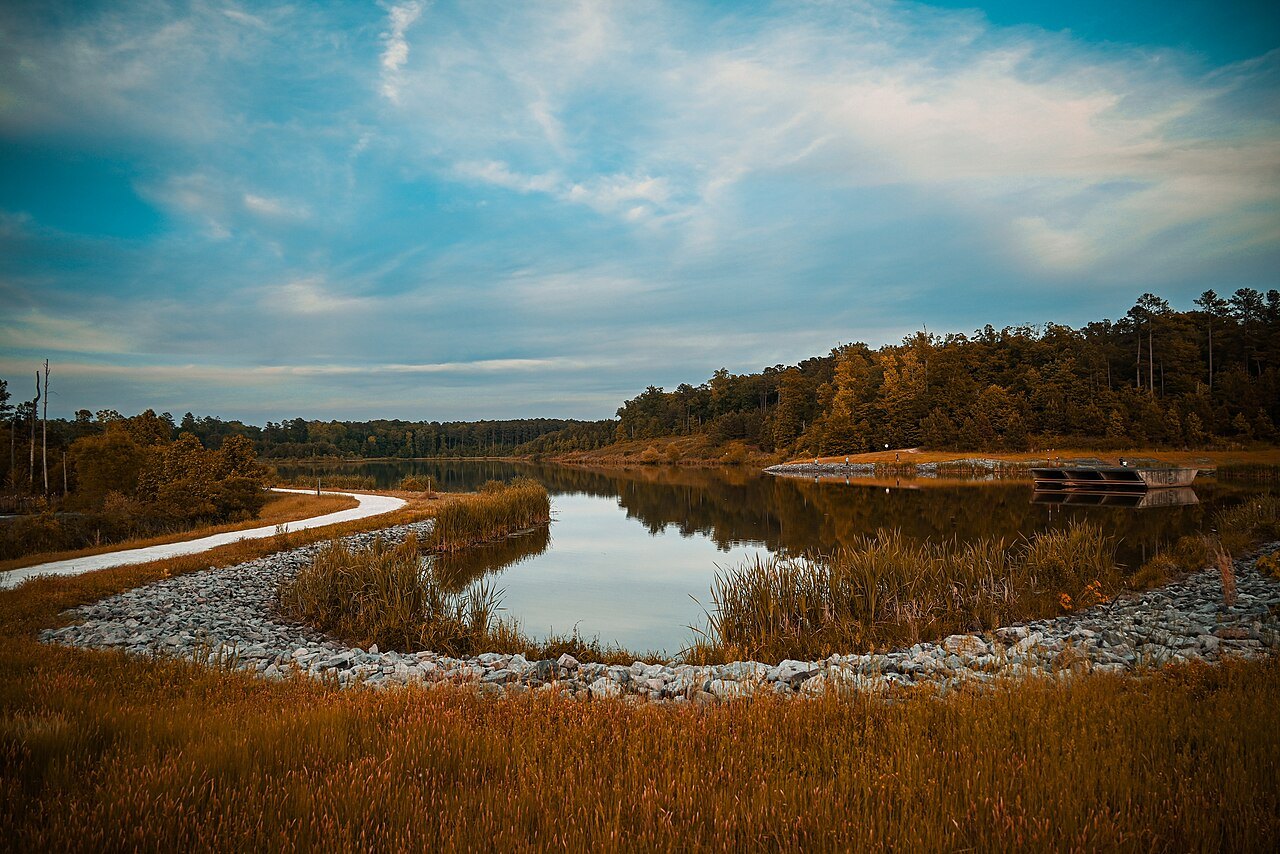
Raleigh runs more than 200 park sites, some 8,100 acres of parkland and 78 miles of greenway. Pullen Park, beside the university, is the oldest public park in North Carolina, and its carousel, first set up at Bloomsbury Park in 1912, still turns. The J. C. Raulston Arboretum is on the university's grounds.
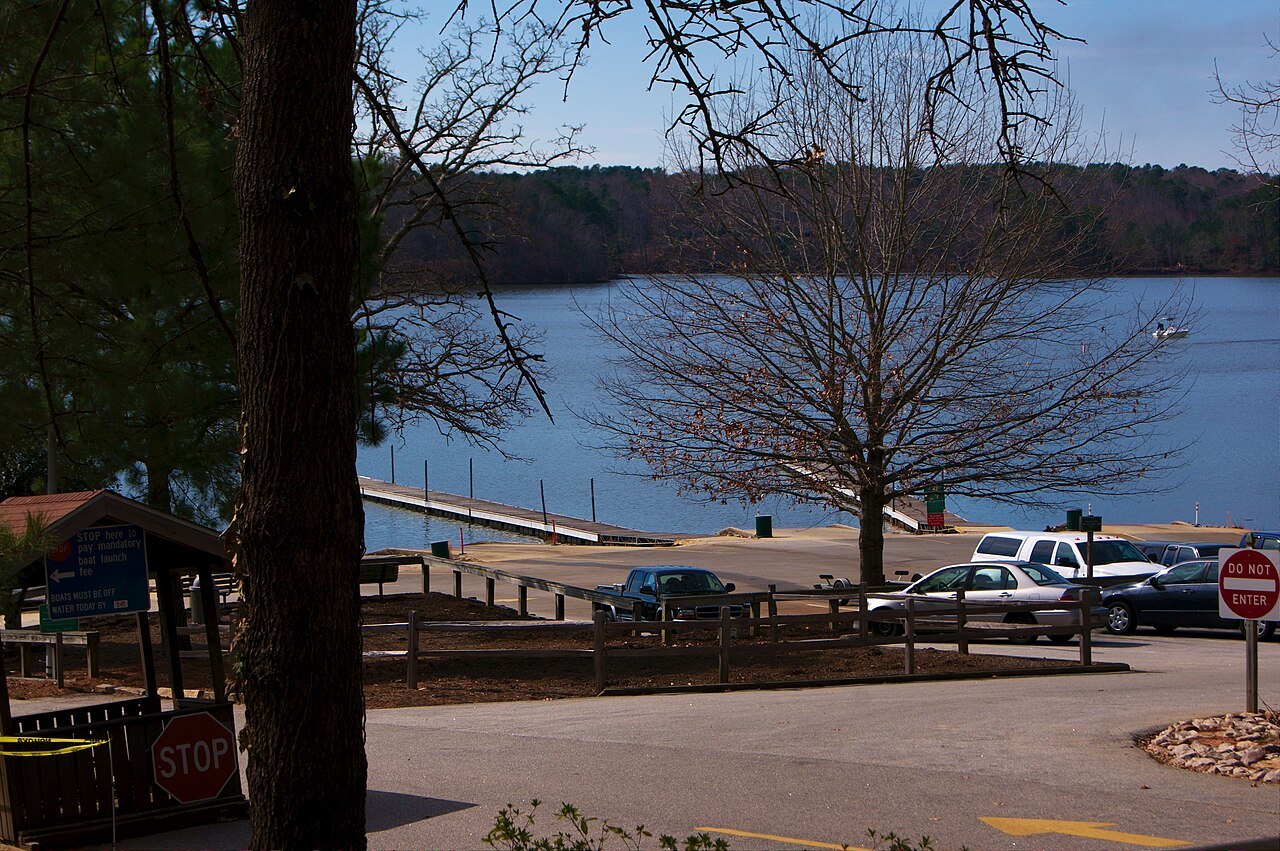
Between 1934 and 1937 the Civilian Conservation Corps built what is now William B. Umstead State Park. On the fairgrounds, Dorton Arena, designed by Matthew Nowicki and opened in 1952, is a landmark of modern architecture and on the National Register.
Music, sport and the modern city
The North Carolina Symphony was founded in 1932, the year Raleigh Memorial Auditorium opened as its home; in 2001 the auditorium grew into a performing arts complex with the Meymandi Concert Hall and the Fletcher Opera Theater. The Hopscotch Music Festival began in 2010. The Carolina Hurricanes won the Stanley Cup in 2006, the state's first major professional championship.
The opening of Research Triangle Park in 1959, between Raleigh, Durham and Chapel Hill, gave the Triangle its name and created thousands of jobs in science and technology. It is the largest research park in the United States, and its three universities, North Carolina State, Duke and the University of North Carolina at Chapel Hill, anchor a region of well over two million people.
Getting around
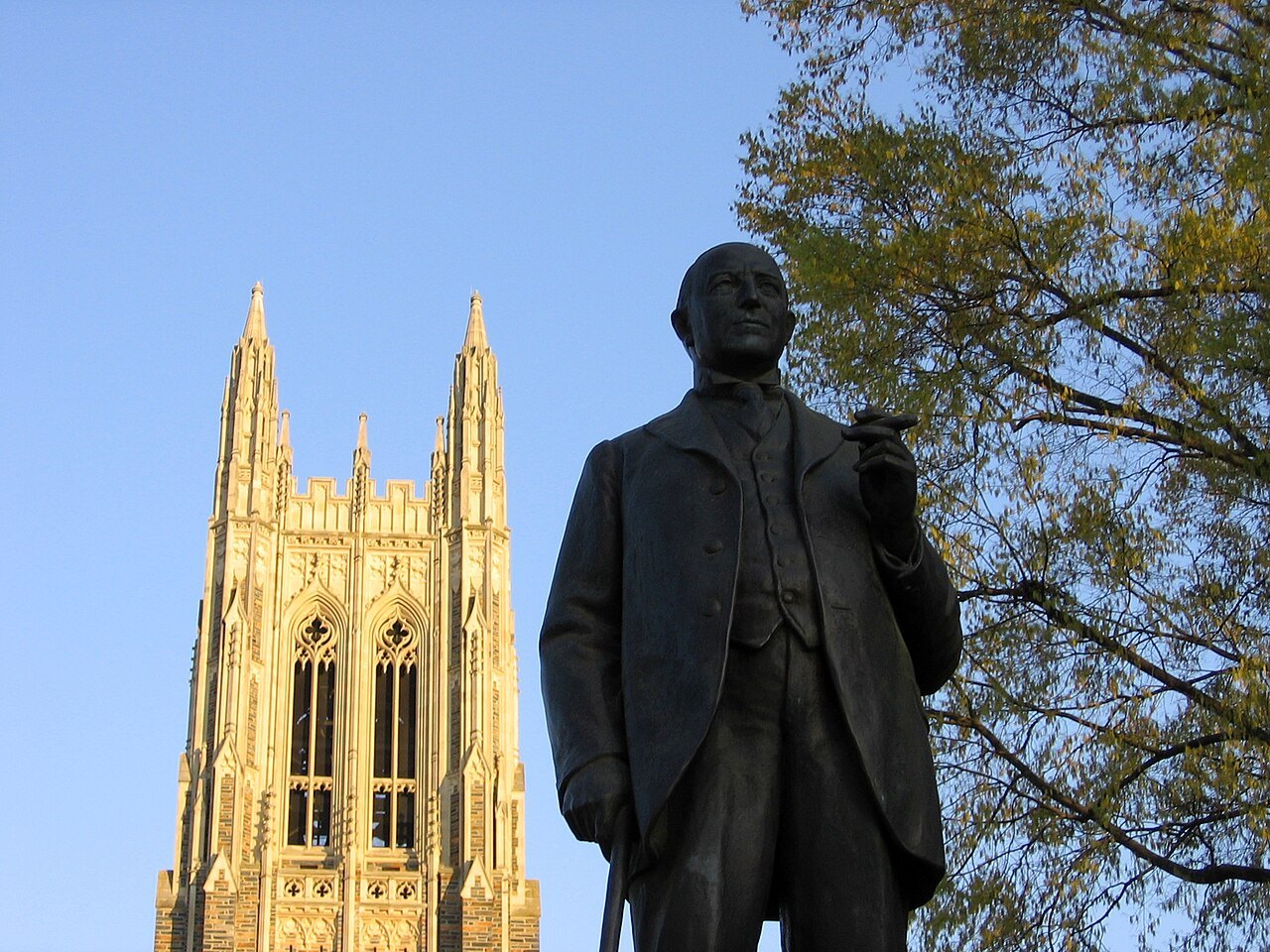
Raleigh–Durham International Airport, first used in 1943, lies between Raleigh and Durham, and Raleigh Union Station is one of Amtrak's busiest stops in the South, with daily trains to Charlotte by way of Cary, Durham, Burlington and Greensboro. Downtown is walkable; beyond it, you will want a car. Getting Here covers the airports and the trains, and Duke Chapel is 24 miles away in Durham.
Nearby