THE PIEDMONT · DURHAM COUNTY
Durham, the Bull City
Photographs: DiscoA340, Wikimedia Commons, CC BY-SA 4.0 · DiscoA340, Wikimedia Commons, CC BY-SA 4.0 · DiscoA340, Wikimedia Commons, CC BY-SA 4.0
The cities · The Piedmont
A tobacco town grown from a railroad depot of 1849, where the Civil War's largest surrender was signed at a farmhouse, Black Wall Street thrived on Parrish Street, and the old cigarette factories now hold restaurants, a ballpark and the start-ups of the Research Triangle.
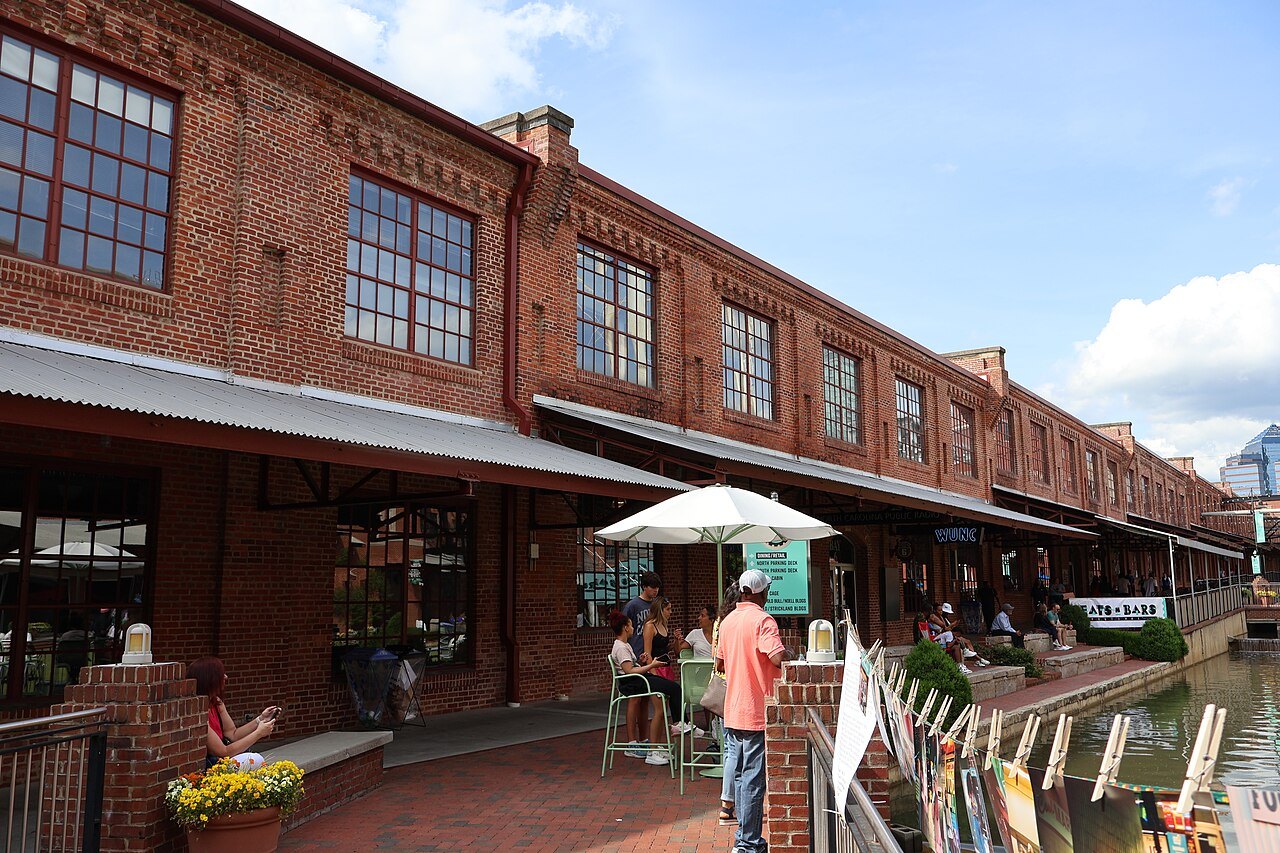
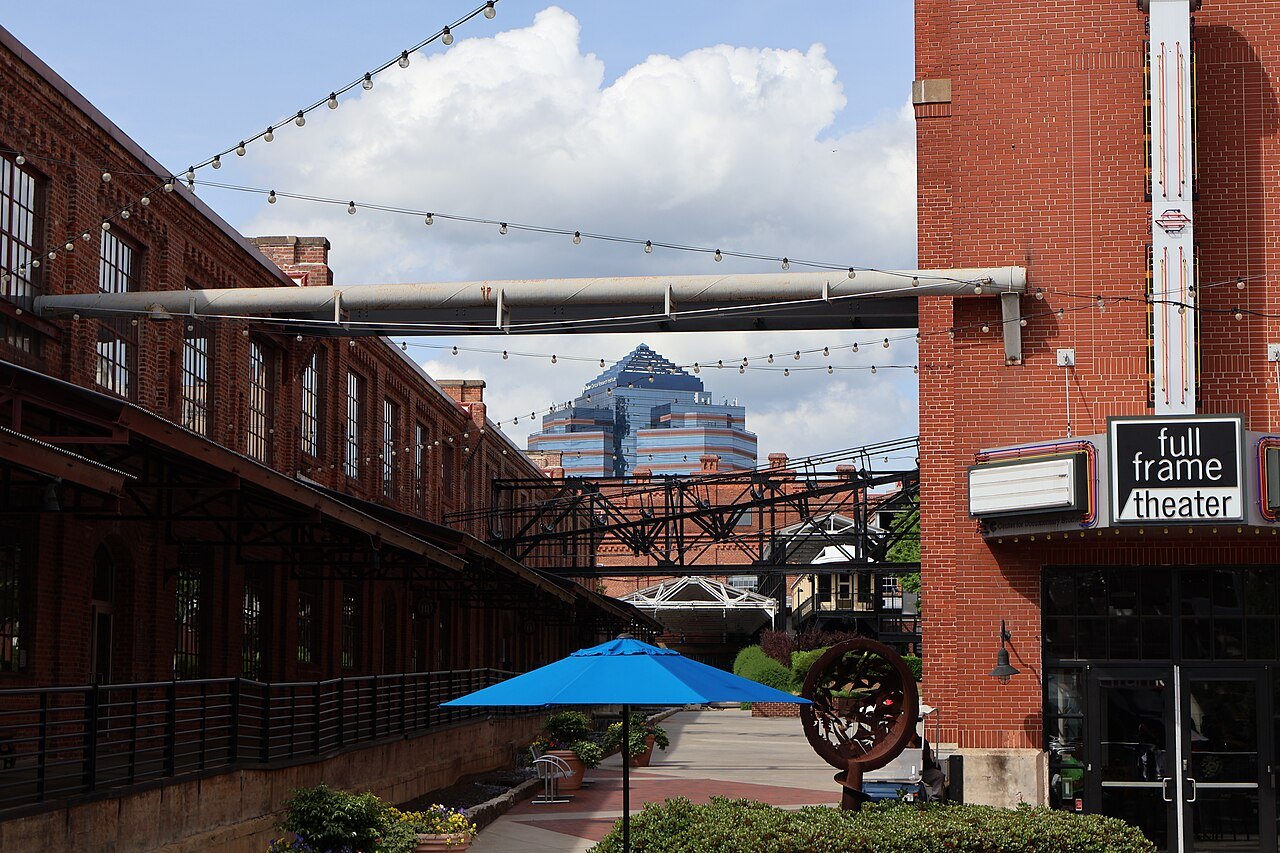
- The American Tobacco CampusThe old American Tobacco factory complex, now offices, restaurants and entertainment by the ballpark.
- Durham Bulls Athletic ParkThe downtown ballpark of 1994 of the Durham Bulls, next to the old tobacco campus.
- Bennett PlaceThe farmhouse where Joseph E. Johnston surrendered his army to William T. Sherman in 1865.
- Duke HomesteadWashington Duke's farm and tobacco factory, where the family fortune began.
- The Hayti Heritage CenterA center for the history and culture of Durham's historic Black community.
- The Museum of Life and ScienceA science museum for families in the north of the city.
Why it matters
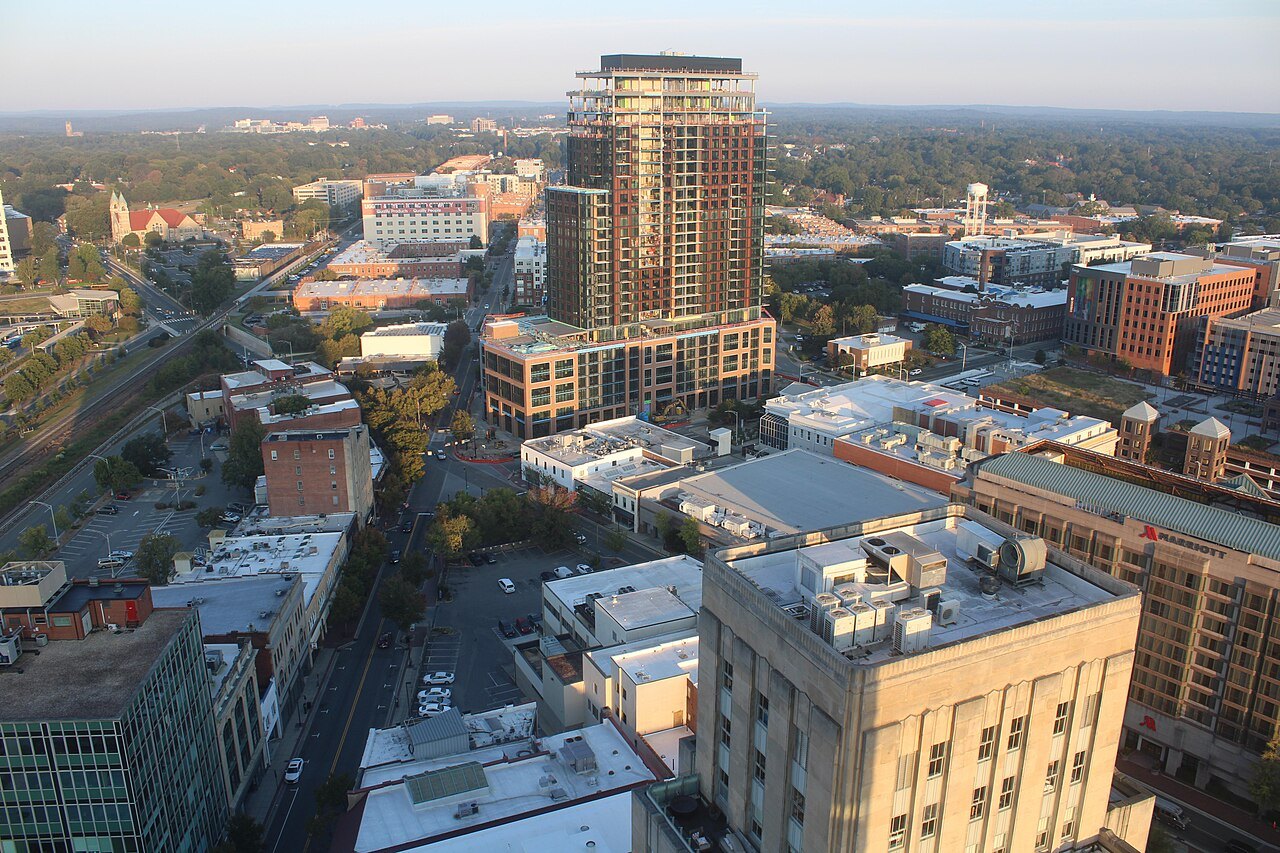
Durham is the fourth-largest city in North Carolina, with some 284,000 people on the Eno River in the Piedmont, and one of the three points of the Research Triangle with Raleigh and Chapel Hill. It is the home of Duke University and North Carolina Central University, and a national leader in health care and medical research.
The center of the city sits on a ridge that divides the rivers flowing east to Pamlico Sound from those flowing south to the Cape Fear, and the Eno River runs through its northern part.
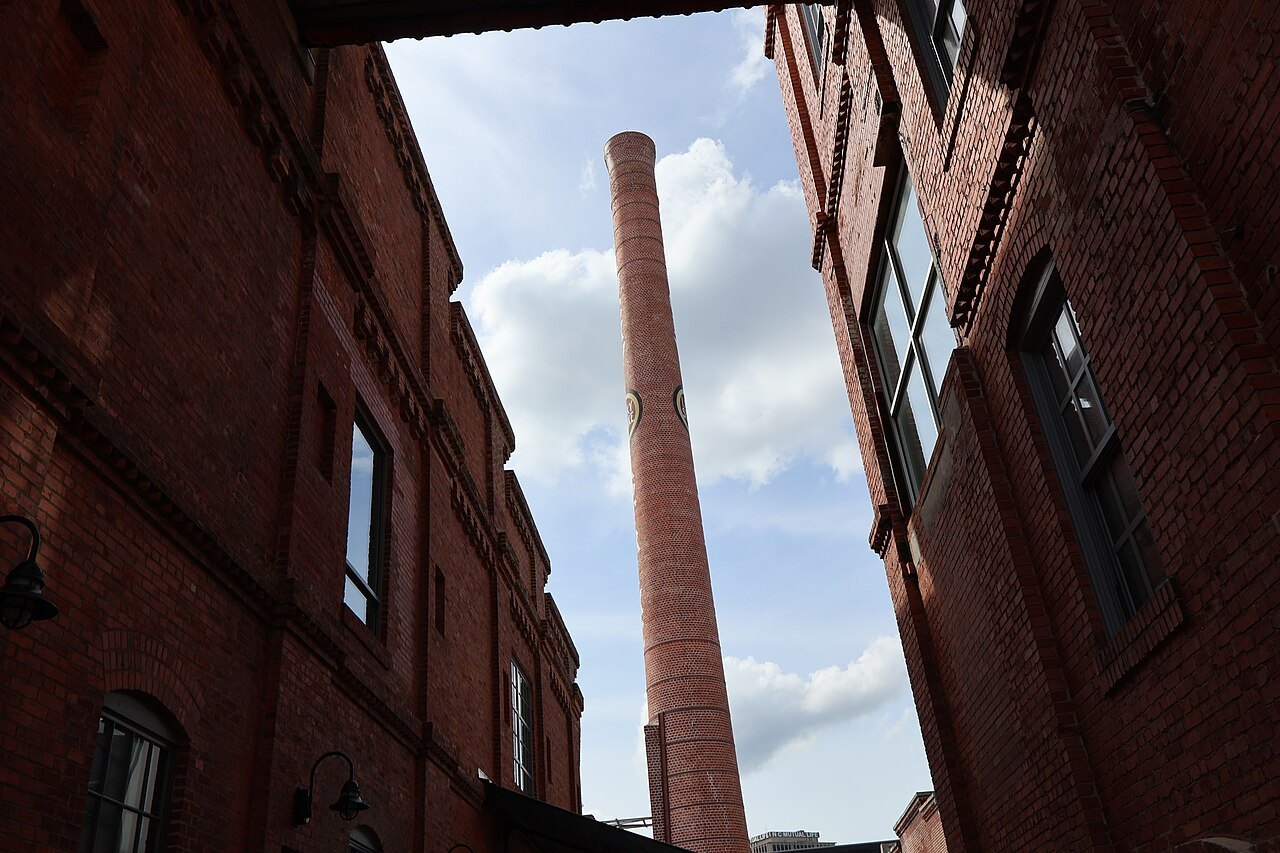
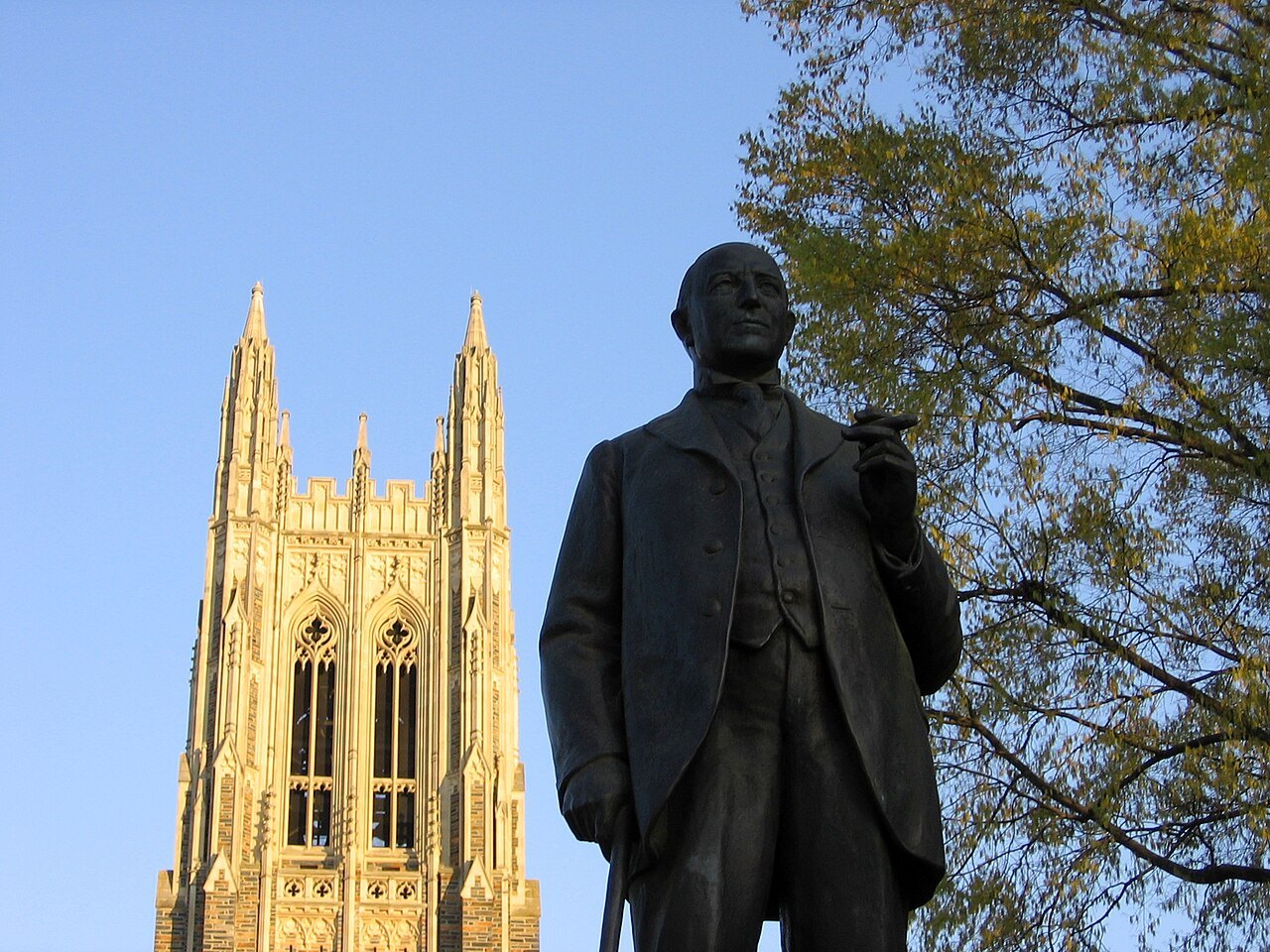
Durham is also a city with an unusually rich story: tobacco empire, Civil War surrender, a Black business district famous across the country, sit-ins three years before the famous ones in Greensboro, and a downtown remade out of its own factories. Duke Chapel and its gardens are the city's great landmark.
The largest surrender
Before the railroad the area was farmland in eastern Orange County, crossed by the old Hillsborough Road. The Eno and Occaneechi peoples lived here earlier, along a corridor of trading paths, and in 1701 the explorer John Lawson called the country "the flower of the Carolinas". By 1860 Stagville Plantation, to the north, lay at the center of one of the largest plantation holdings in the South, worked by enslaved people.
A railway depot was built in 1849 on land given by Bartlett Durham, and the settlement around it took his name. In April 1865, after Lee's surrender at Appomattox, General Joseph E. Johnston negotiated the surrender of his army to General William T. Sherman at Bennett Place, the small farm of James and Nancy Bennett, about three miles west of the station. The terms were worked out over several meetings that month, and Bennett Place is kept as a historic site.
Bull Durham and the Dukes
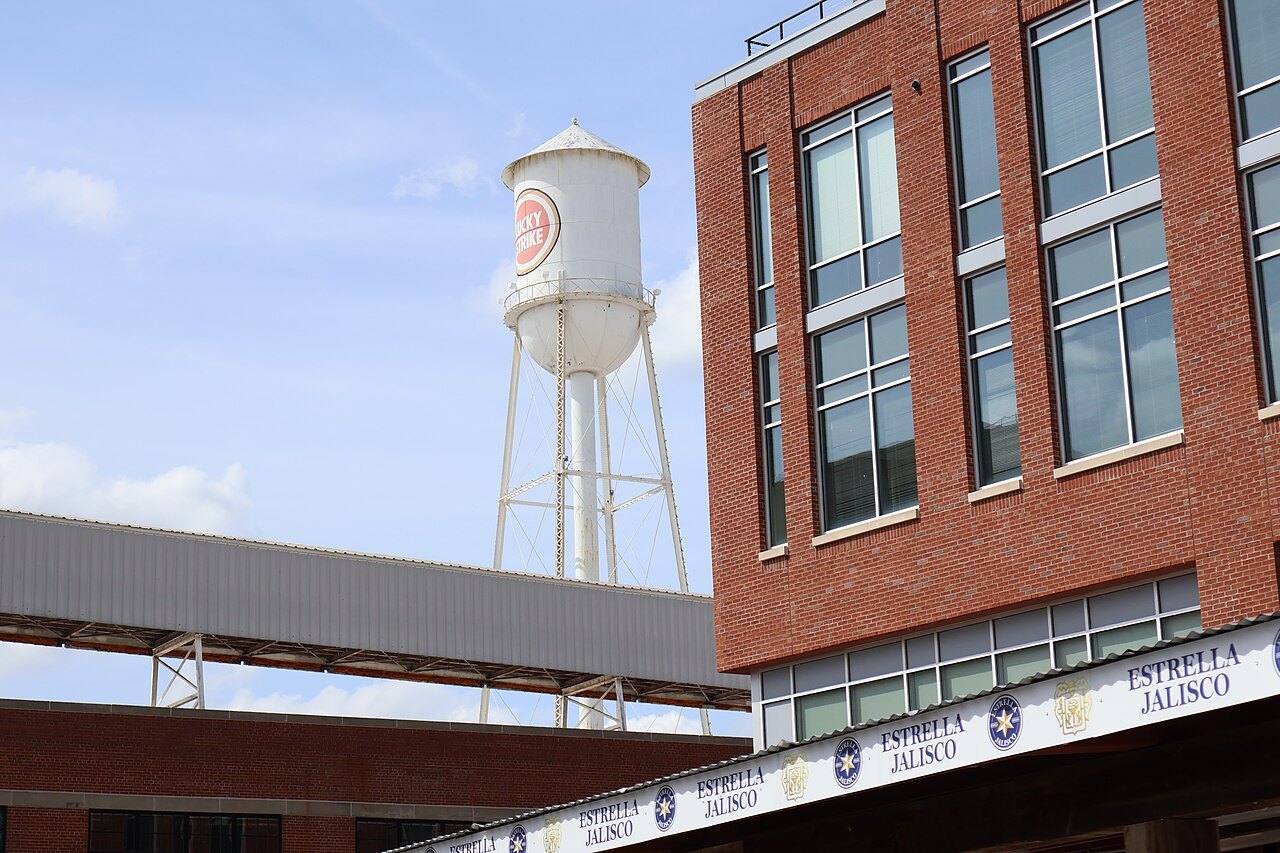
While the armies waited, soldiers of both sides enjoyed the mild local brightleaf tobacco, and after the war they wrote from home asking for more. W. T. Blackwell's Bull Durham Tobacco Factory took its bull, the story goes, from a mustard he wrongly believed came from Durham in England, and the bull gave the city its nickname. Durham was incorporated in 1869, and in 1881 the long day's trip to the county seat at Hillsborough became too much for its businesses, so Durham County was carved out for it. The tobacco men built grand houses, among them Somerset Villa, Harwood Hall and Greystone Manor.
Washington Duke and his sons built W. Duke and Sons into a company that by 1900 had a near monopoly of American smoking and chewing tobacco. When the government broke it up in the early 1910s, the Dukes kept American Tobacco, still based in Durham, and turned to electric power and to Trinity College, which became Duke University. For decades American Tobacco's advertising made Durham known across the country, until the university replaced it in the nation's mind.
Hayti and Black Wall Street
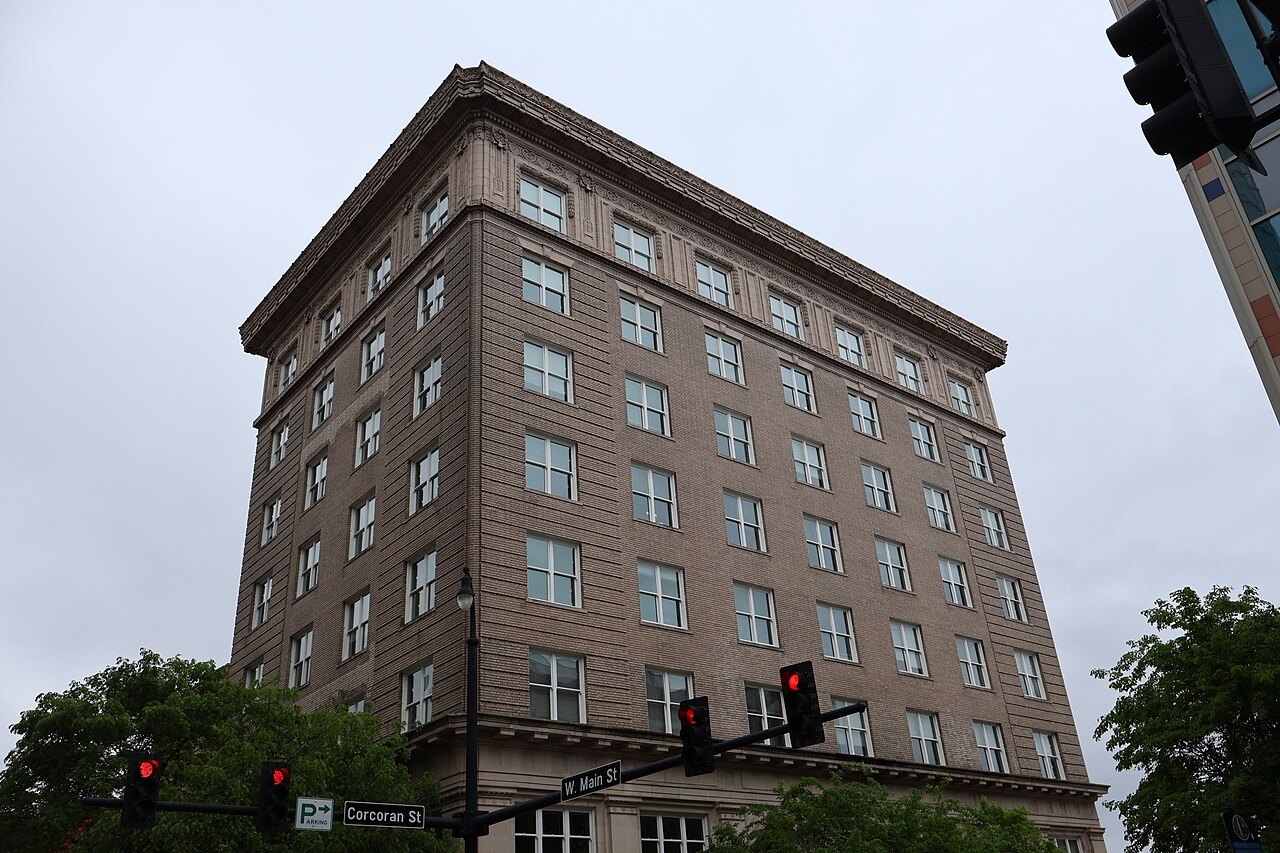
Durham developed a large Black community centered on Hayti, just south of downtown, and some of the most prominent Black-owned businesses in the country, above all North Carolina Mutual Life Insurance Company and Mechanics and Farmers Bank, grew up on Parrish Street, which came to be called Black Wall Street. In 1910 James E. Shepard founded what is now North Carolina Central University, the country's first publicly supported liberal arts college for African Americans.
In 1957 the minister Douglas E. Moore and six young people sat down in the whites-only booths of the Royal Ice Cream Parlor and were arrested, a sit-in three years before the famous one in Greensboro. The Durham Committee on Negro Affairs, founded in 1935, was cited across the country for its work for Black voting rights, and Martin Luther King Jr. came to the city during the struggle. Parts of Hayti were demolished for the Durham Freeway in the late 1960s; the Hayti Heritage Center, founded in 1975, preserves the community's heritage.
From factories to downtown
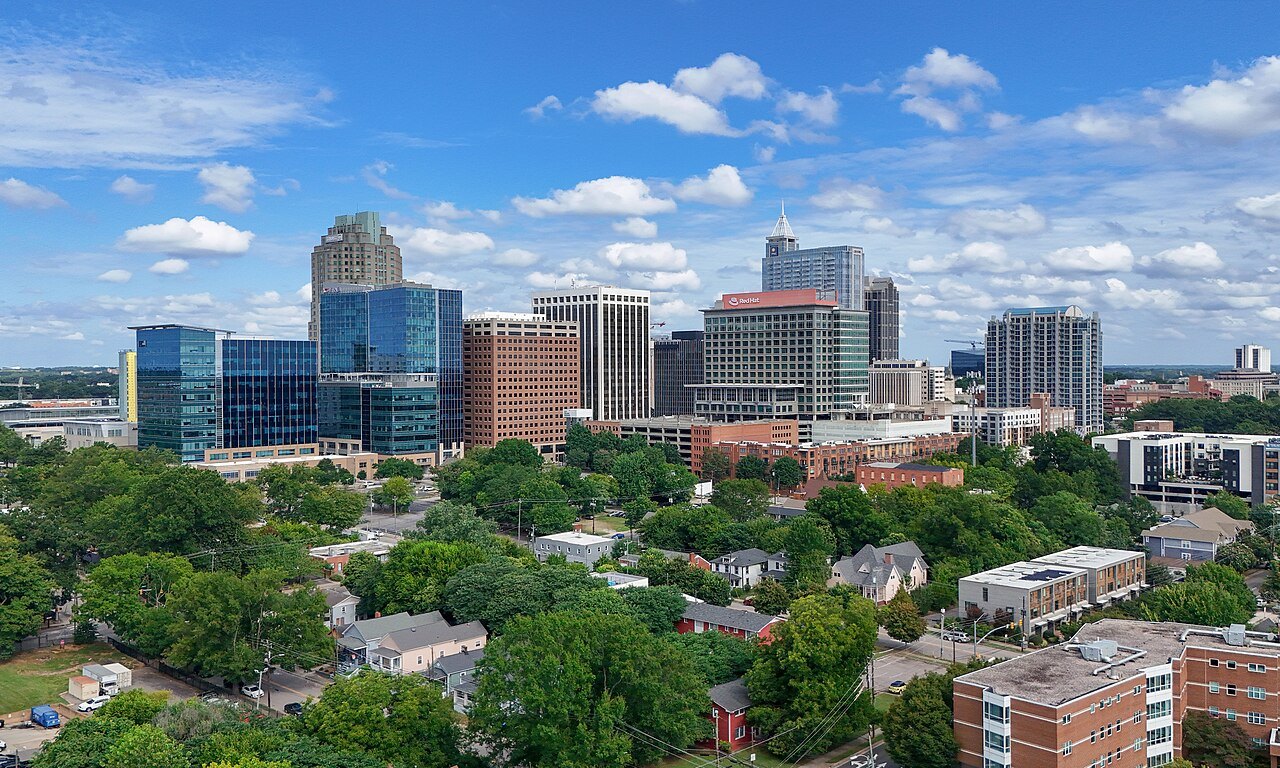
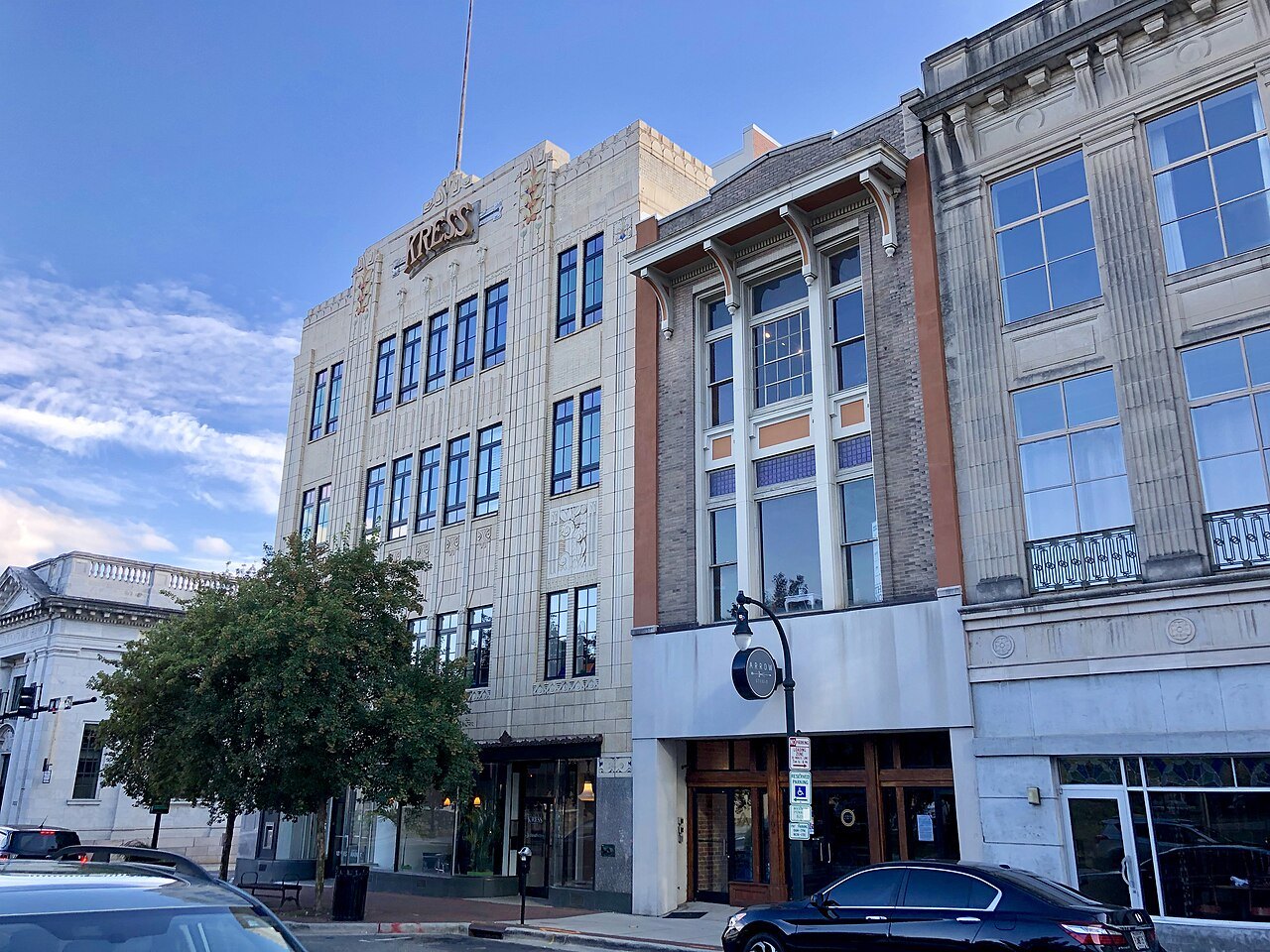
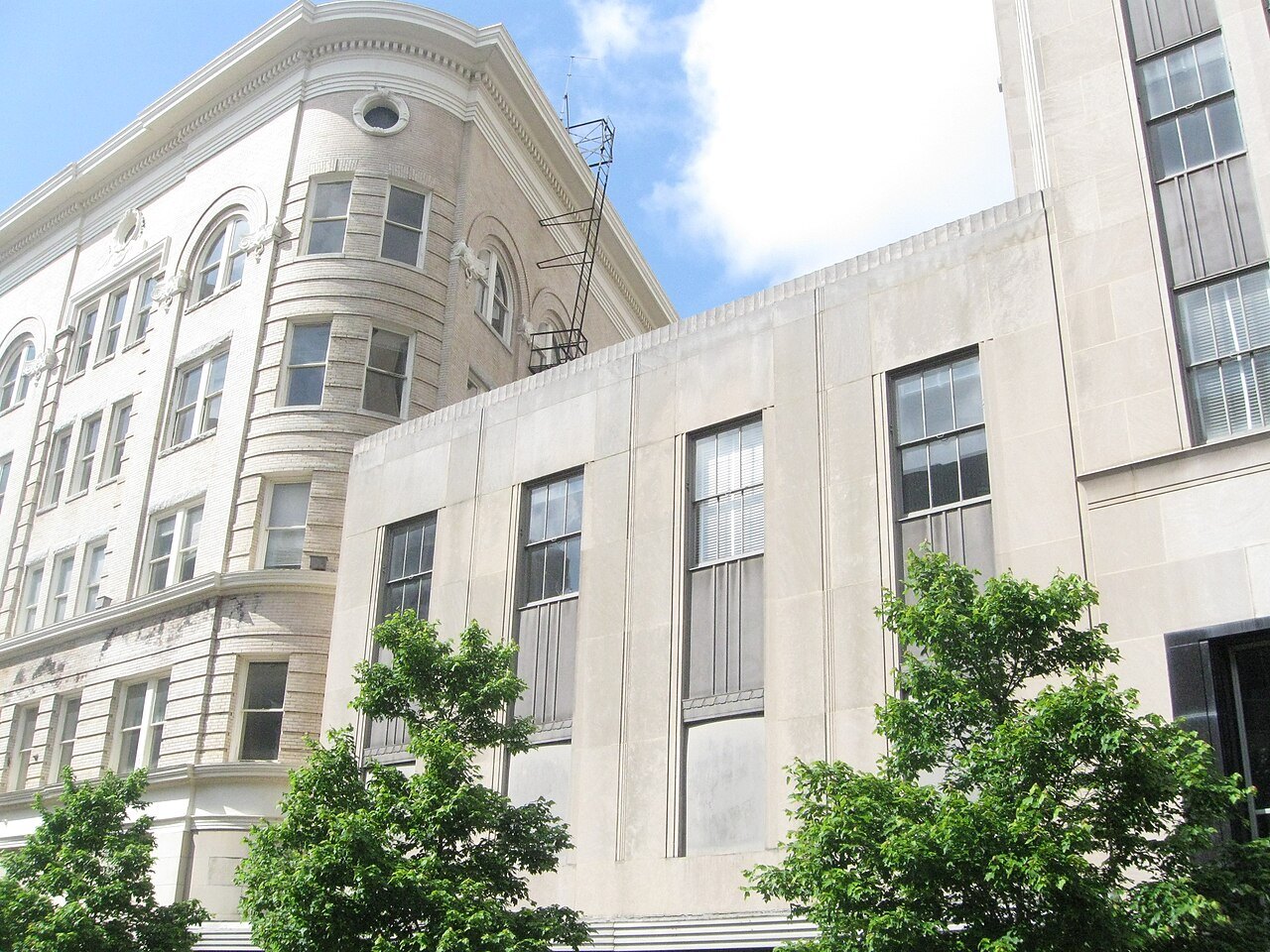
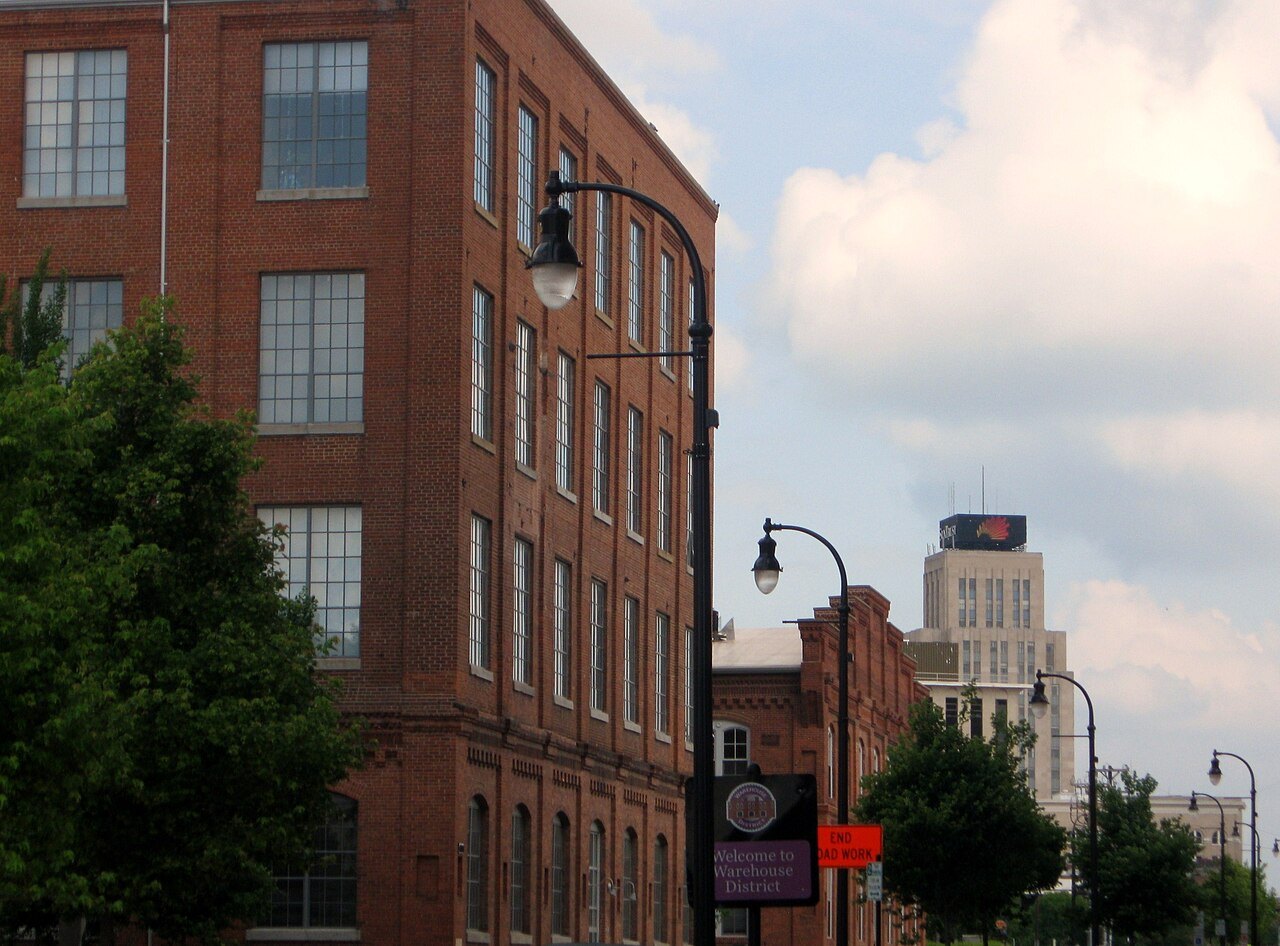
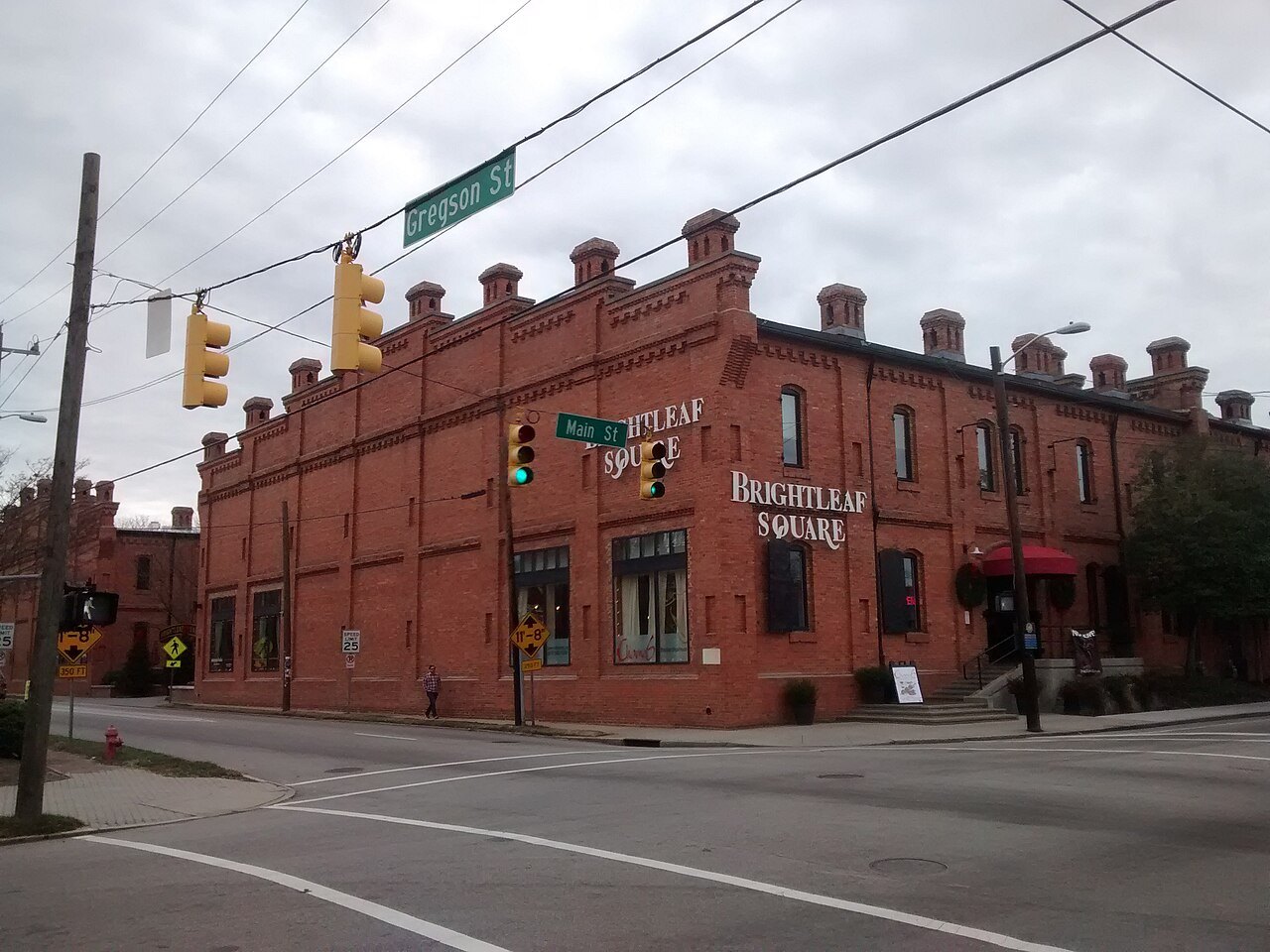
The American Tobacco factory closed in 1987, and the city went through hard years. Then it rebuilt from its own buildings. A new ballpark for the Durham Bulls opened downtown in 1994, the Durham Performing Arts Center followed and ranks among the top theaters in the country for ticket sales, and the old American Tobacco Campus, next to both, filled with restaurants, entertainment and offices for technology companies. Across downtown, other tobacco warehouses have become offices, apartments and restaurants.
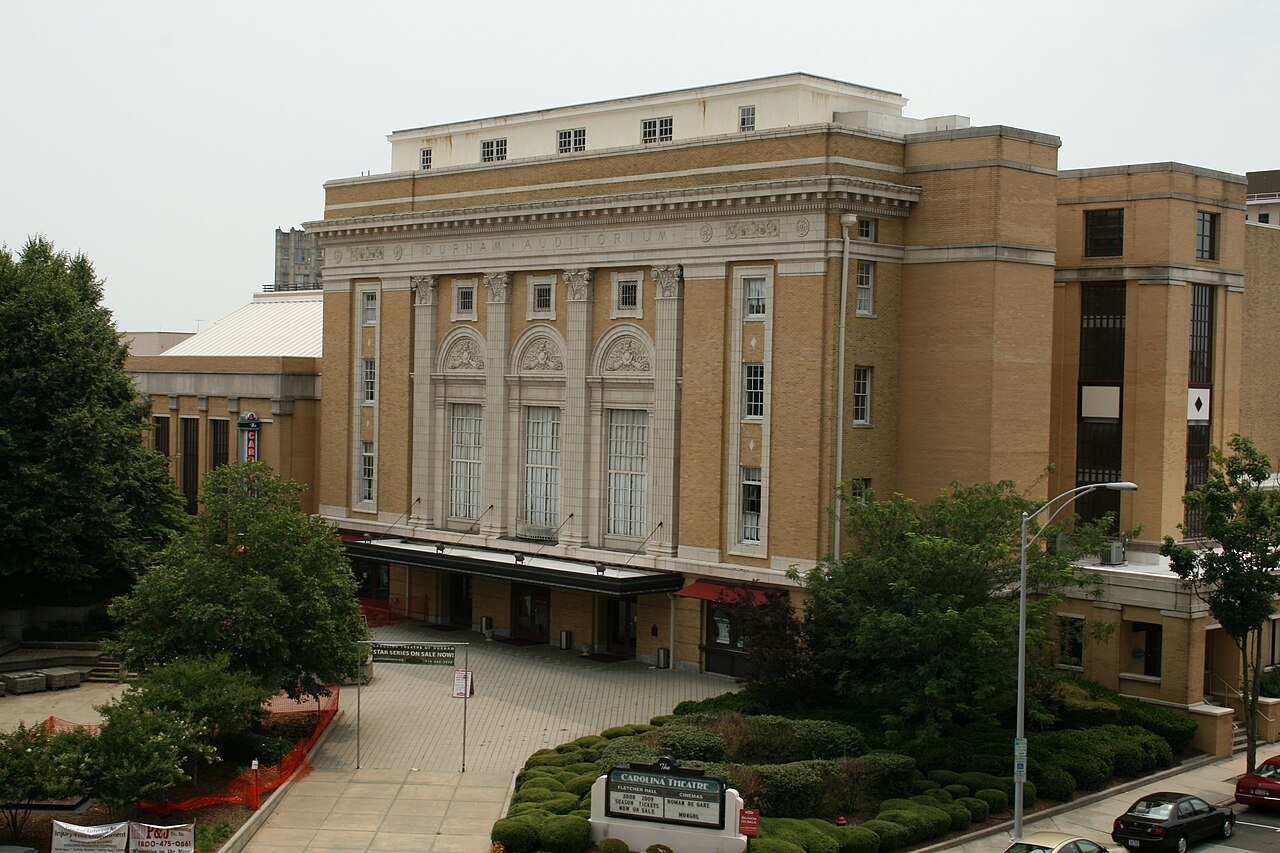
The Durham Bulls play in the downtown ballpark, and the historic Carolina Theatre stands in the center.
Museums and the university
On Duke's campus are Duke Chapel, the Nasher Museum of Art and the Sarah P. Duke Gardens. Elsewhere in the city are the Museum of Life and Science, the Museum of Durham History, the art museum of North Carolina Central University and Duke Homestead, the family farm where the Duke tobacco business started. The mill at West Point recalls the farms and mills of the first settlers, and the American Dance Festival and the Durham Arts Council keep the performing arts busy.
Getting around
Raleigh–Durham International Airport serves both cities, and Research Triangle Park, eleven square miles of research labs, lies south of Durham. Durham's Amtrak station is on the line between Raleigh and Charlotte. Downtown, the American Tobacco Campus, the ballpark and the theaters are all within walking distance of one another; beyond them you will want a car. Driving North Carolina covers the roads, and Old Salem is an easy trip west along I-40.
Nearby