THE PIEDMONT · WINSTON-SALEM
Old Salem, the Moravian town inside Winston-Salem
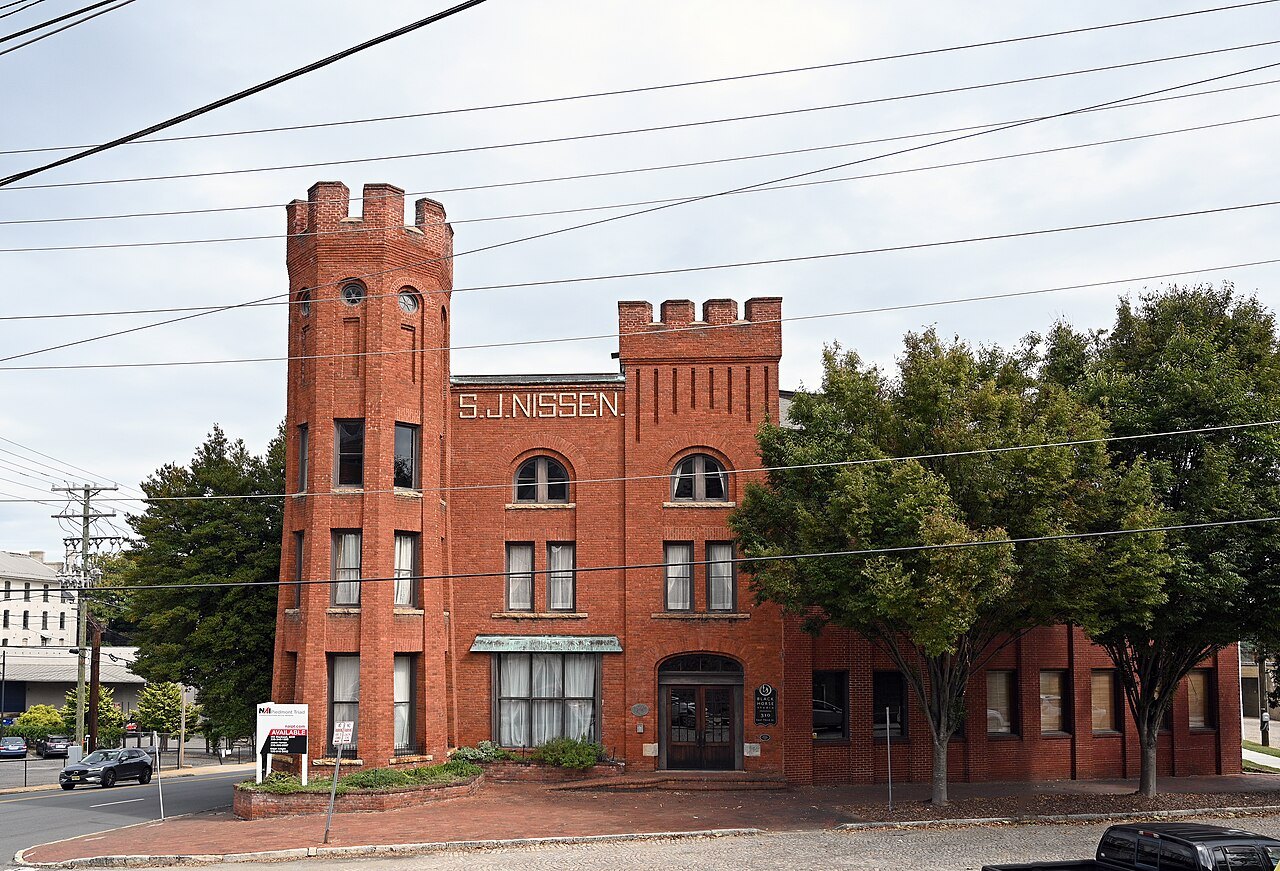
Photographs: P. Hughes, Wikimedia Commons, CC BY 4.0 · Cbaile19, Wikimedia Commons, CC0 · Cbaile19, Wikimedia Commons, CC0
The Piedmont · landmark 8 of 21
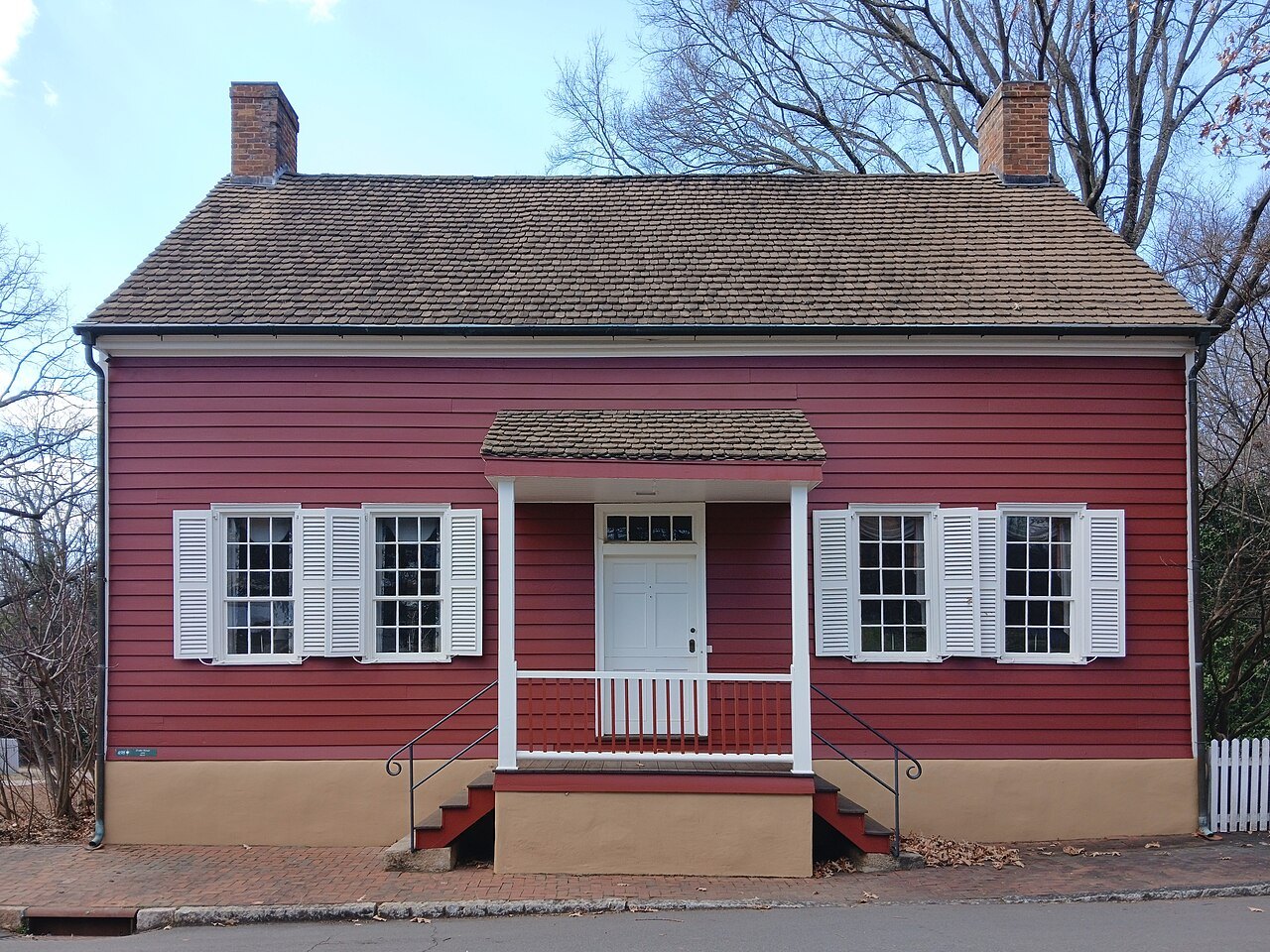
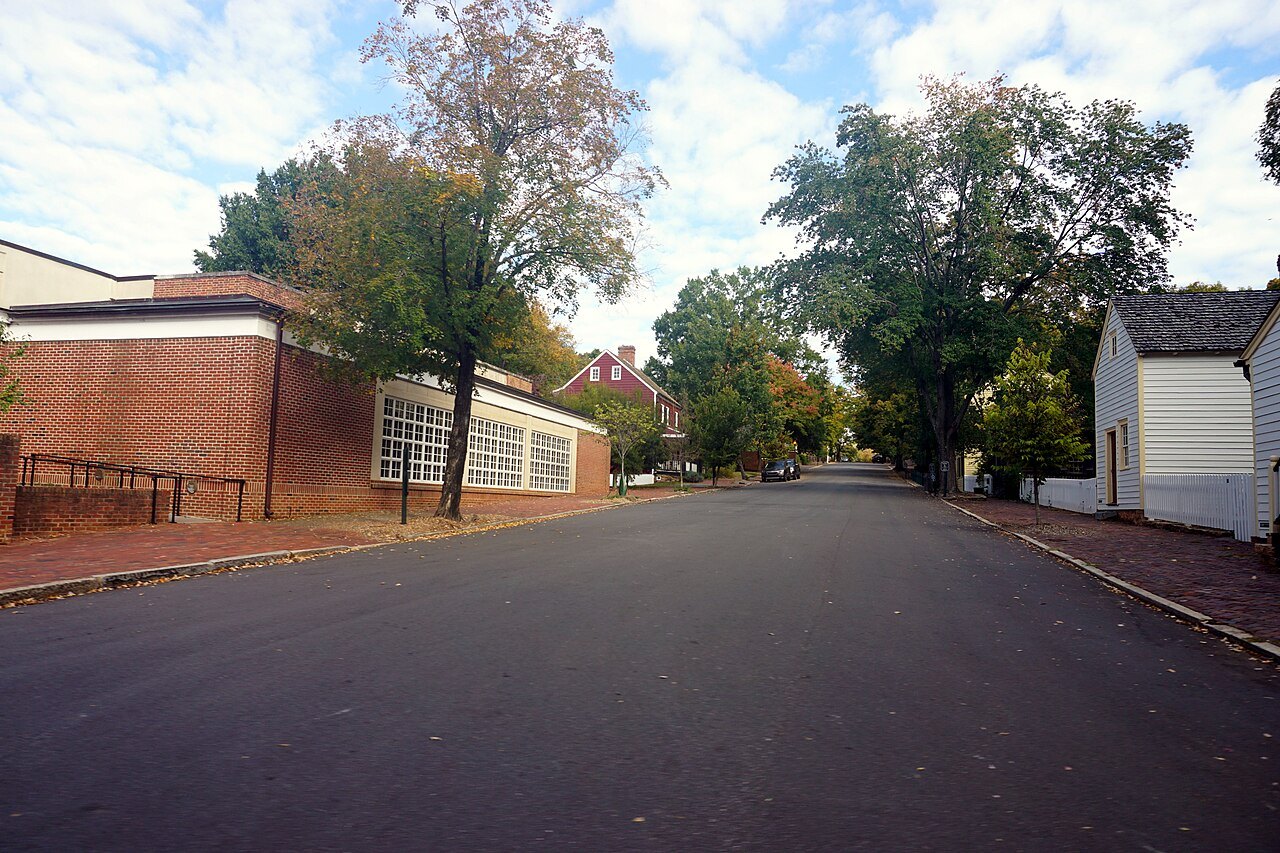
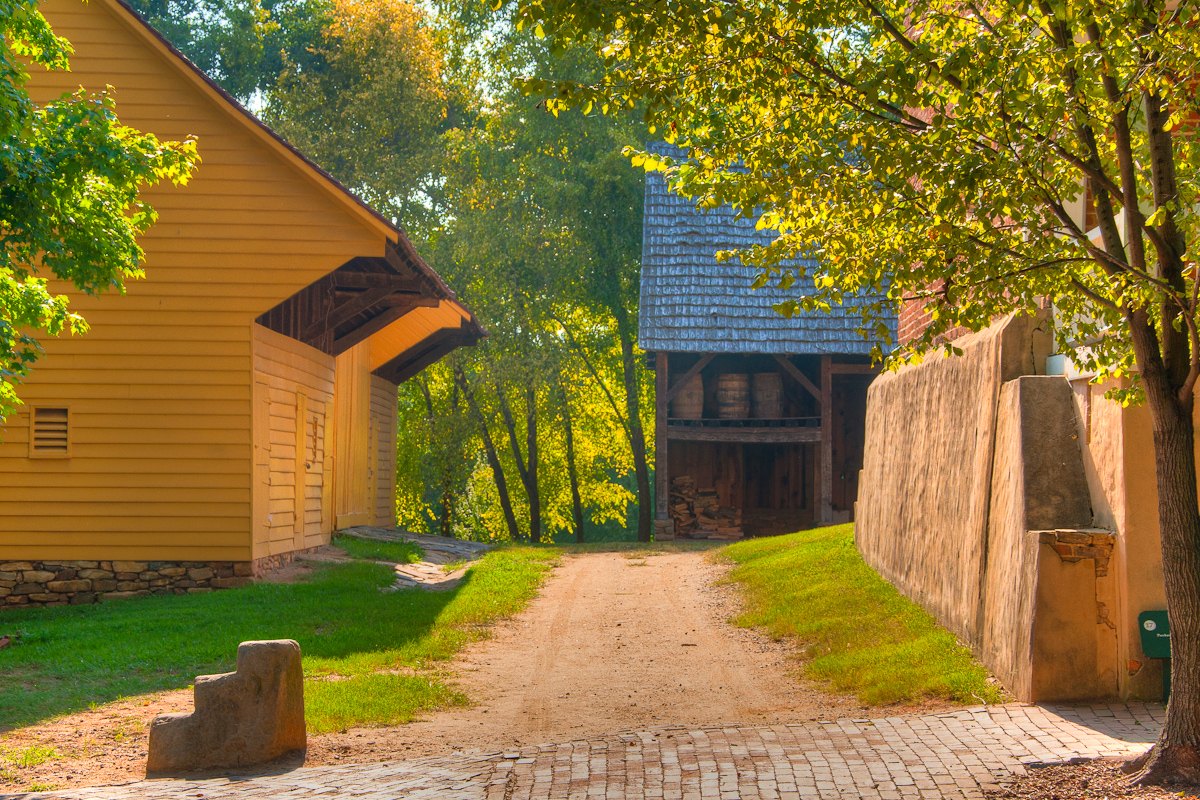
A church town laid out by German-speaking Moravians in 1766 and kept, street by street, as a living-history district: brick and half-timbered houses, a tavern where George Washington slept, working trade shops and the oldest surviving African American church of its kind in the state.
- Salem SquareThe green at the heart of the town, with Salem College looking down from Church Street.
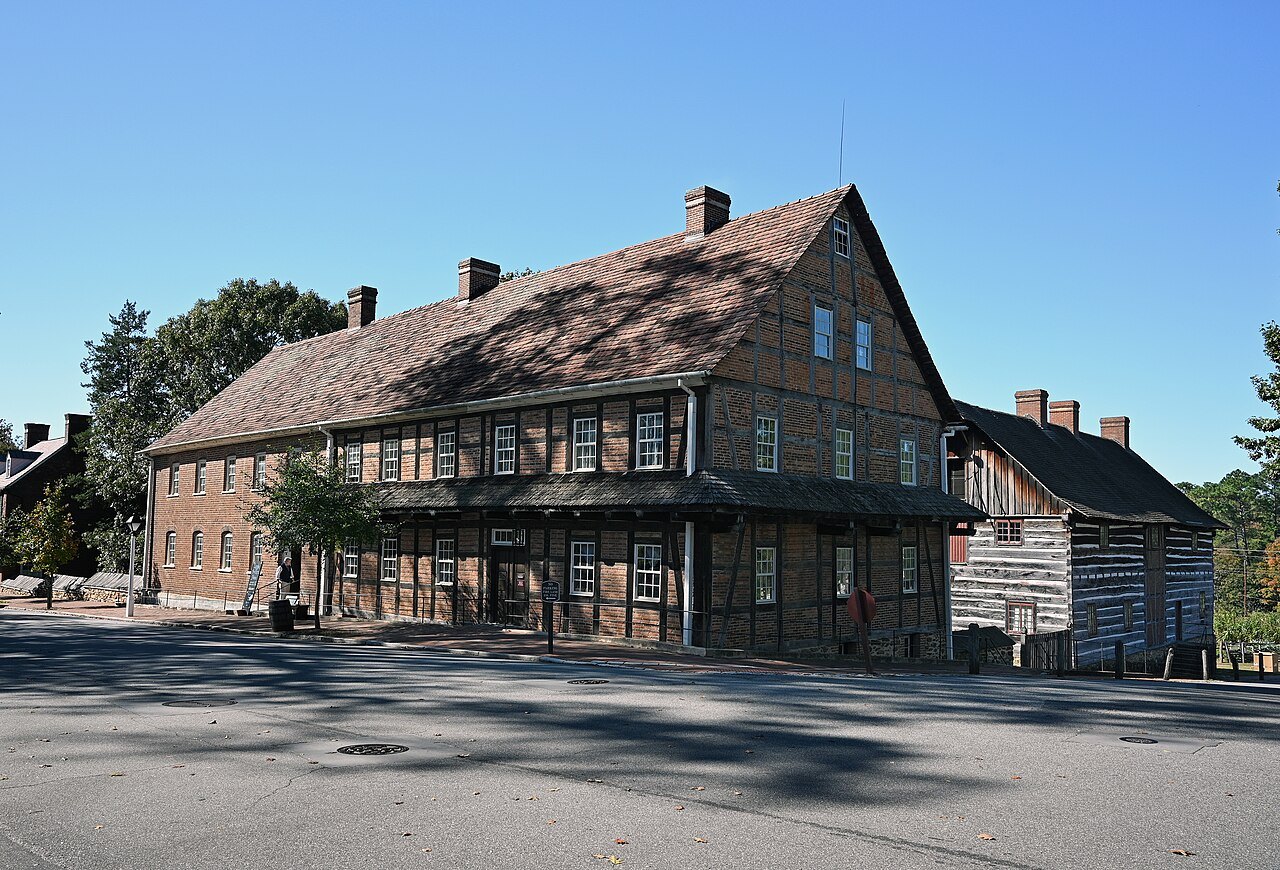
- Single Brothers' HouseThe half-timbered hall of 1769 where the unmarried men lived and worked their trades.
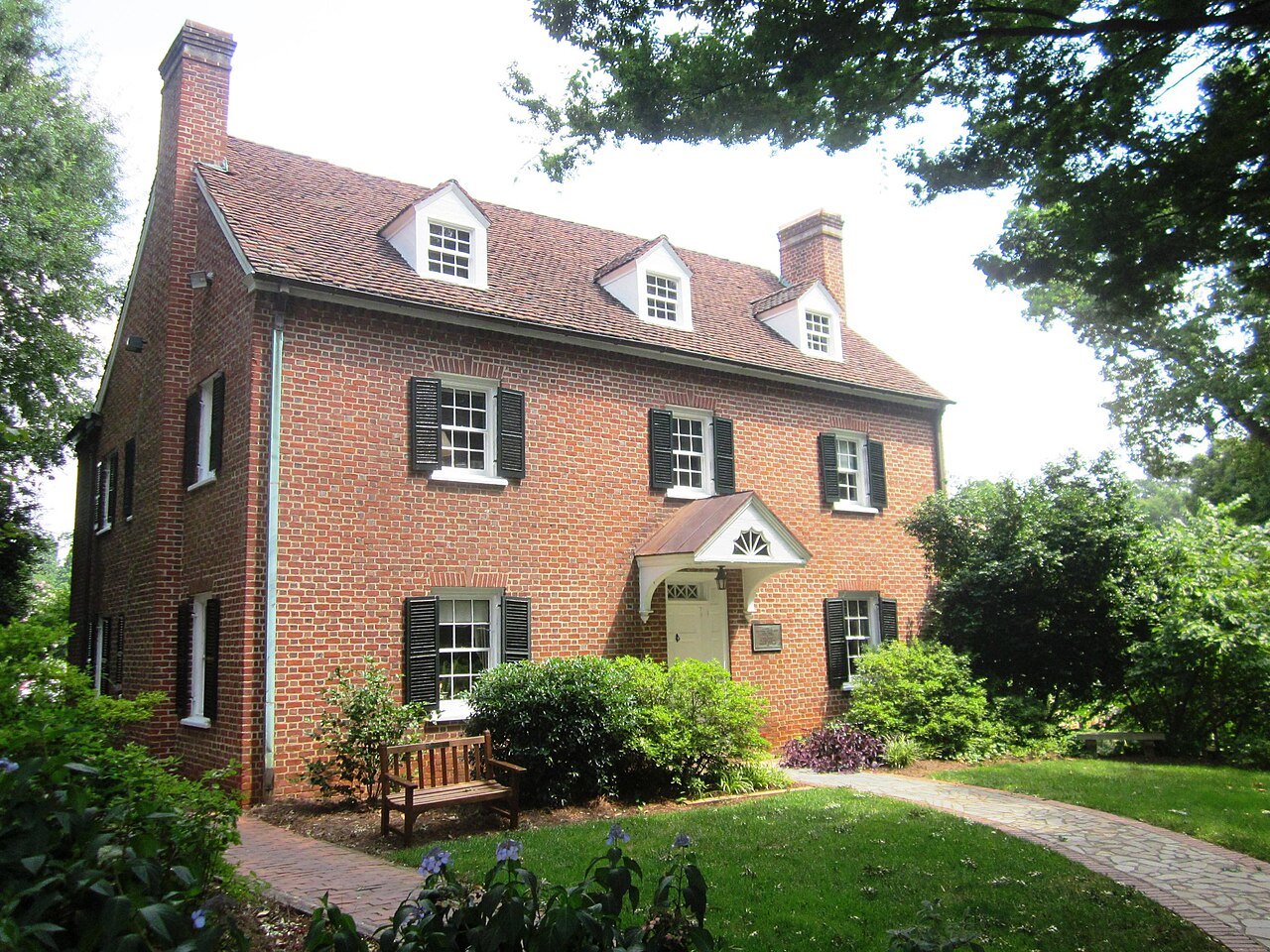
- Salem TavernThe first all-brick building in the town, built in 1784; Washington stayed two nights in 1791.
- C. Winkler BakeryThe town bakery on Main Street, one of the restored shops staffed by interpreters.
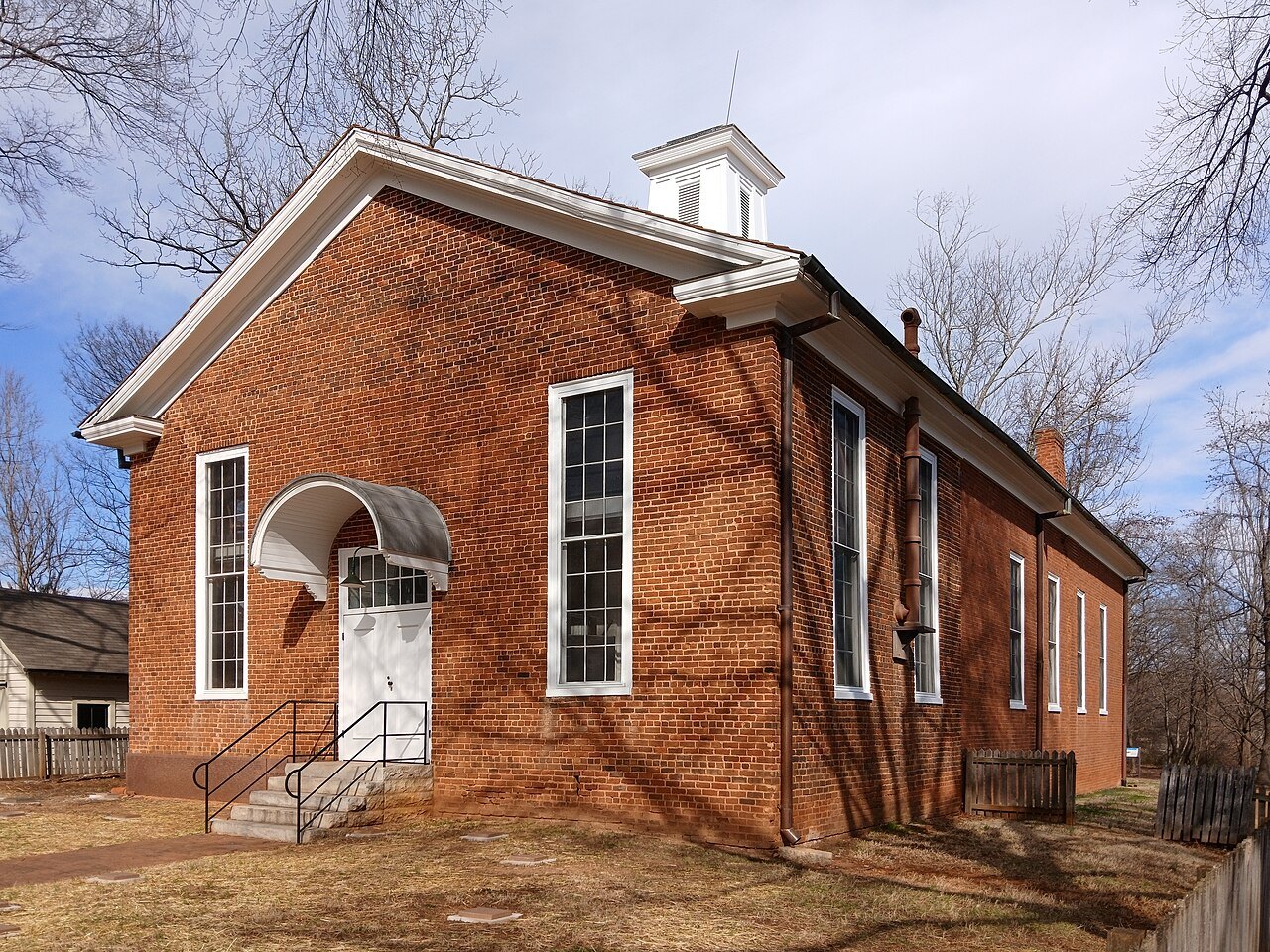
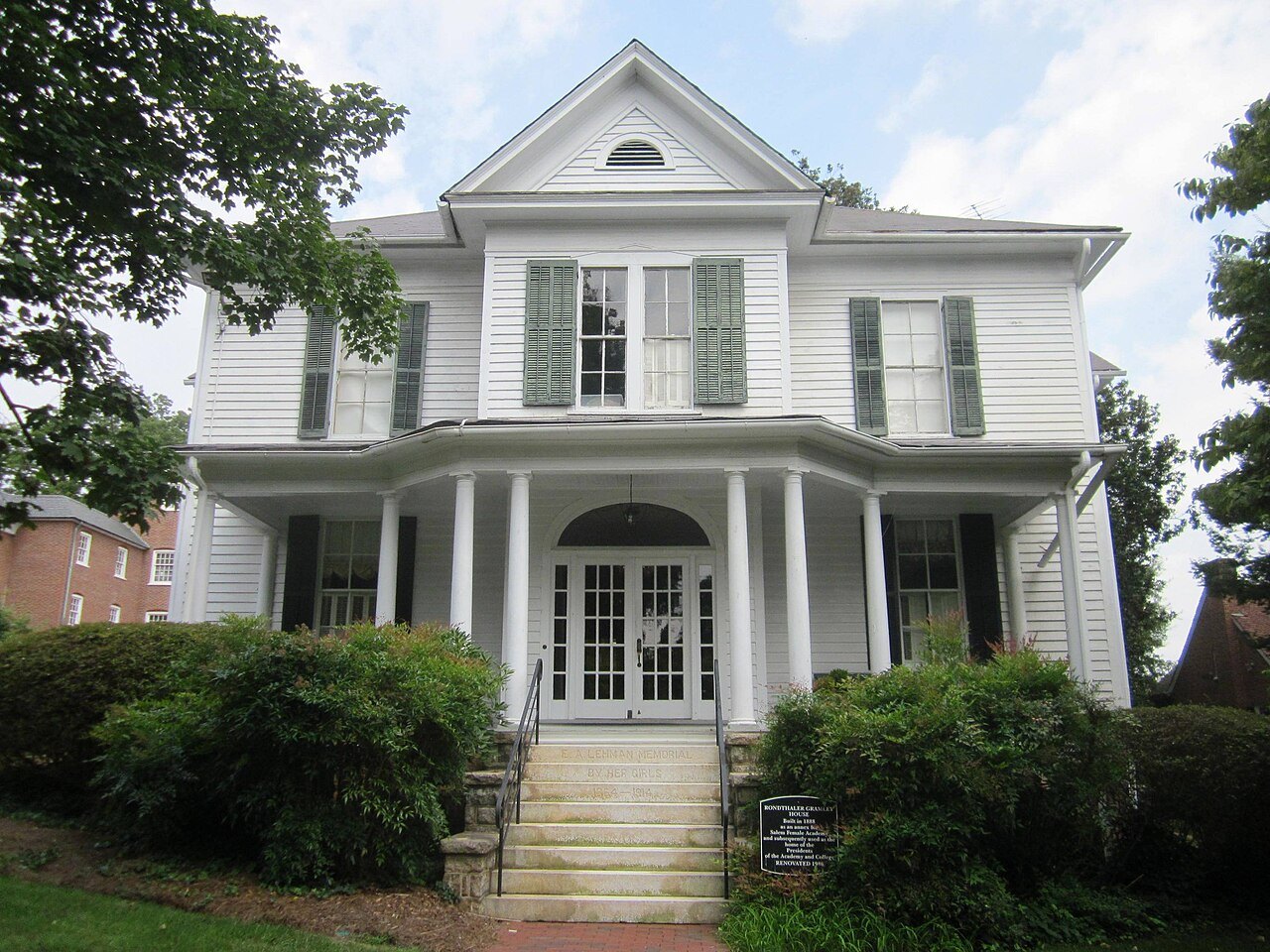
- St. Philip's Moravian ChurchBuilt in 1861 for the town's Black congregation, the oldest surviving such church in the state.
- MESDAThe Museum of Early Southern Decorative Arts, furniture, silver and textiles made in the early South.
Why it matters
Old Salem is the historic heart of Winston-Salem: the Moravian town of Salem, founded in 1766 and joined to the tobacco town of Winston in 1913. Much of it survives, and since 1950 a nonprofit has restored and reconstructed it as a living-history museum where tinsmiths, blacksmiths, gunsmiths, cobblers, bakers and carpenters work at their trades and talk with visitors.
About 70 percent of the buildings in the district are original. The Old Salem Historic District was declared a National Historic Landmark in 1966, and two buildings, the Salem Tavern and the Single Brothers' House, are landmarks in their own right.
Who the Moravians were
The Moravian Church is a Protestant denomination that began in 1457 among followers of Jan Hus in Bohemia and Moravia, now in the Czech Republic. In 1722 German-speaking exiles found refuge on the estate of Count Zinzendorf in Saxony and built the village of Herrnhut. They came to North America in 1735, first to Savannah in Georgia, then to Pennsylvania, where they founded Bethlehem, Nazareth and Lititz.
Needing more land, they bought just over 98,985 acres in the North Carolina Piedmont in 1753 from the Earl Granville. Bishop August Spangenberg chose the site in the three forks of Muddy Creek and named the tract Wachovia, after Zinzendorf's ancestral estate. The first settlers arrived at Bethabara, "house of passage", on November 17, 1753.
A planned church town
Salem was built from 1766 as the central town of Wachovia, its economic, religious and administrative center, while the outlying communities farmed. The name comes from shalom, peace, and was chosen by Zinzendorf. The church owned all the property and only leased land for building, and the town's public buildings were grouped around a central square, the way Moravian settlements were laid out.
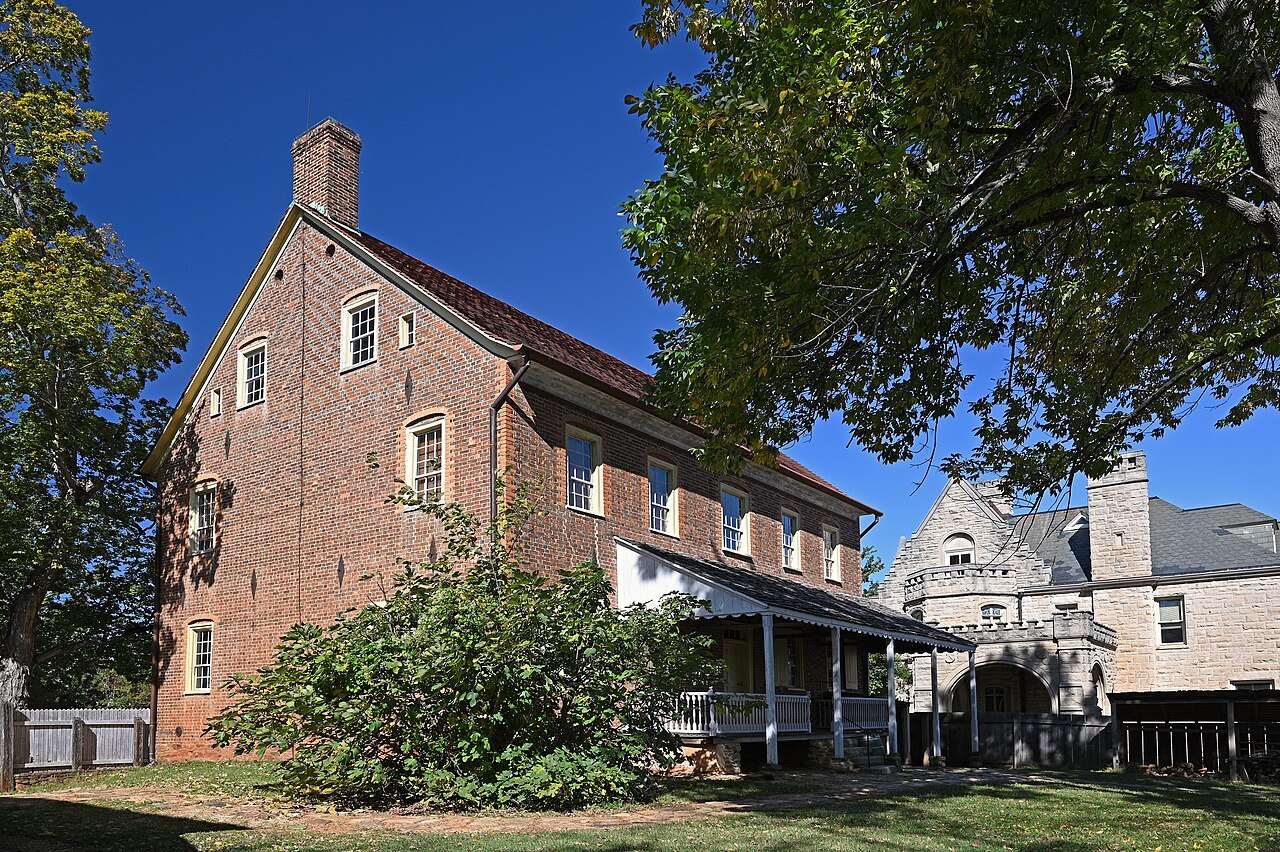
People were grouped into "choirs" by age and sex, and the settlement congregations kept separate houses for the single brothers, the single sisters and the widows. The Single Brothers' House, begun in 1769 by the master mason Melchior Rasp in half-timber framing with brick infill, a clay tile roof and a pent eave, housed the unmarried men and their apprentices, with trade shops, a kitchen and dining room, offices and a meeting hall. On its grounds stood a brewery, a slaughterhouse, a distillery and a tannery. Krause added the brick south wing in 1786, and the gardens have been partly restored.
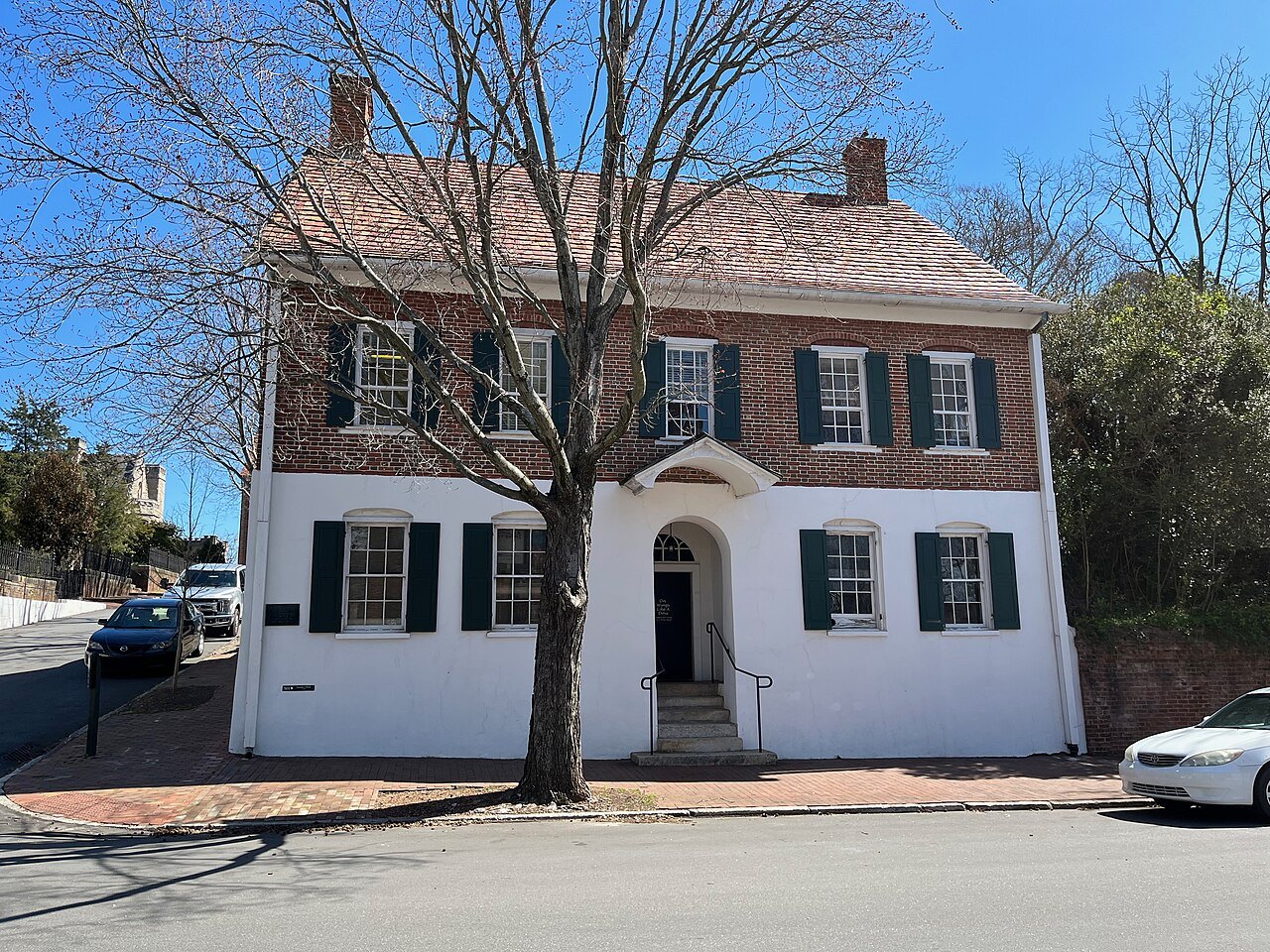
The Single Brothers' House closed as such in 1823. Its brick wing became a boys' school for six years, and later the building was mostly lived in by single women and widows, which earned it the name of the Widow's House.
The tavern and Washington's visit
Salem was a trade town, and its tavern mattered. The first tavern of 1771 burned in 1784 and was rebuilt at once on the same foundations by the mason Johann Gottlob Krause, with bricks meant for another building. It was the first entirely brick building in the town and is one of the oldest surviving brick tavern buildings in the country, with public rooms downstairs and guest rooms above.
George Washington spent two nights there, May 31 and June 1, 1791, on his Southern Tour. The tavern was the first building restored in what became Old Salem, by the interior architect Ada Allen, who lived in it with her sister.
St. Philip's and the Hidden Town
The town's history includes the people it enslaved. In 1816 the congregation voted to segregate worship in keeping with state law, and a separate church was built for Black members in 1823; the present brick St. Philip's Church was completed in 1861 for the town's enslaved and free African Americans. It is the oldest surviving African American church built for that purpose in North Carolina, and in 1865 the chaplain of the 10th Ohio Regiment read the Emancipation Proclamation to its congregation there. Services returned to the building in 2019.
Since 2016 the Hidden Town Project has researched Salem's African American population, locating the sites where enslaved people lived, counting who lived in the town from 1790 to 1860, and working with their descendants to bring that history into the visit.
The Moravians also taught enslaved members of the community to read and gave some of them trades, and the research has added newly identified dwellings and a fuller count of the people held in Salem to what the museum tells its visitors.
What you see
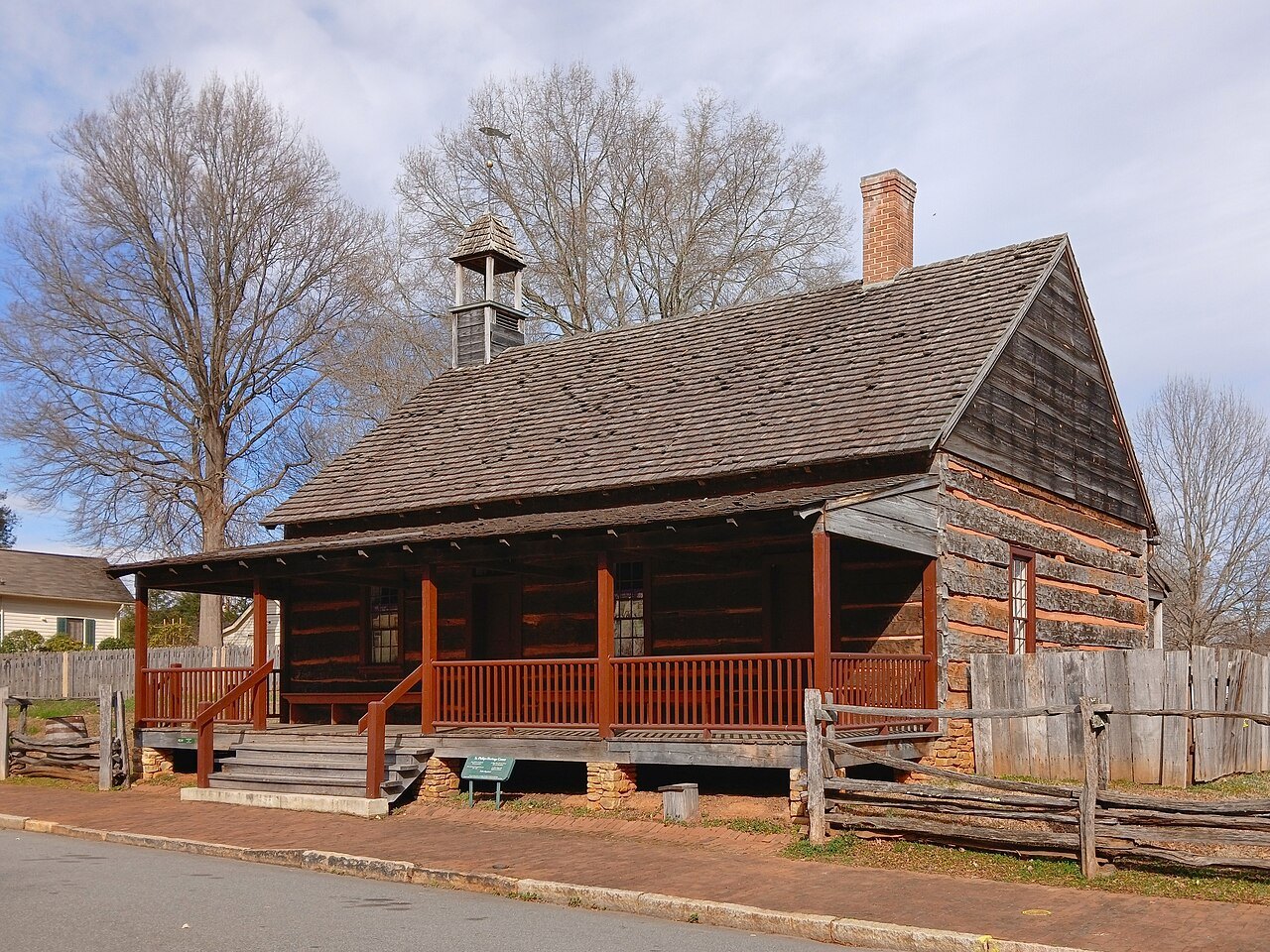
The village centers on Salem Square, with Salem College above it on Church Street. Main Street holds most of the houses and shops: the Salem Tavern, the Single Brothers' House, the C. Winkler Bakery, the Miksch Tobacco Shop, the Vorsteher's House, the Boys' School on Academy Street and a long row of restored family homes. Home Moravian Church, founded in 1771, still holds weekly services, and gardens and an orchard run along Salt Street.
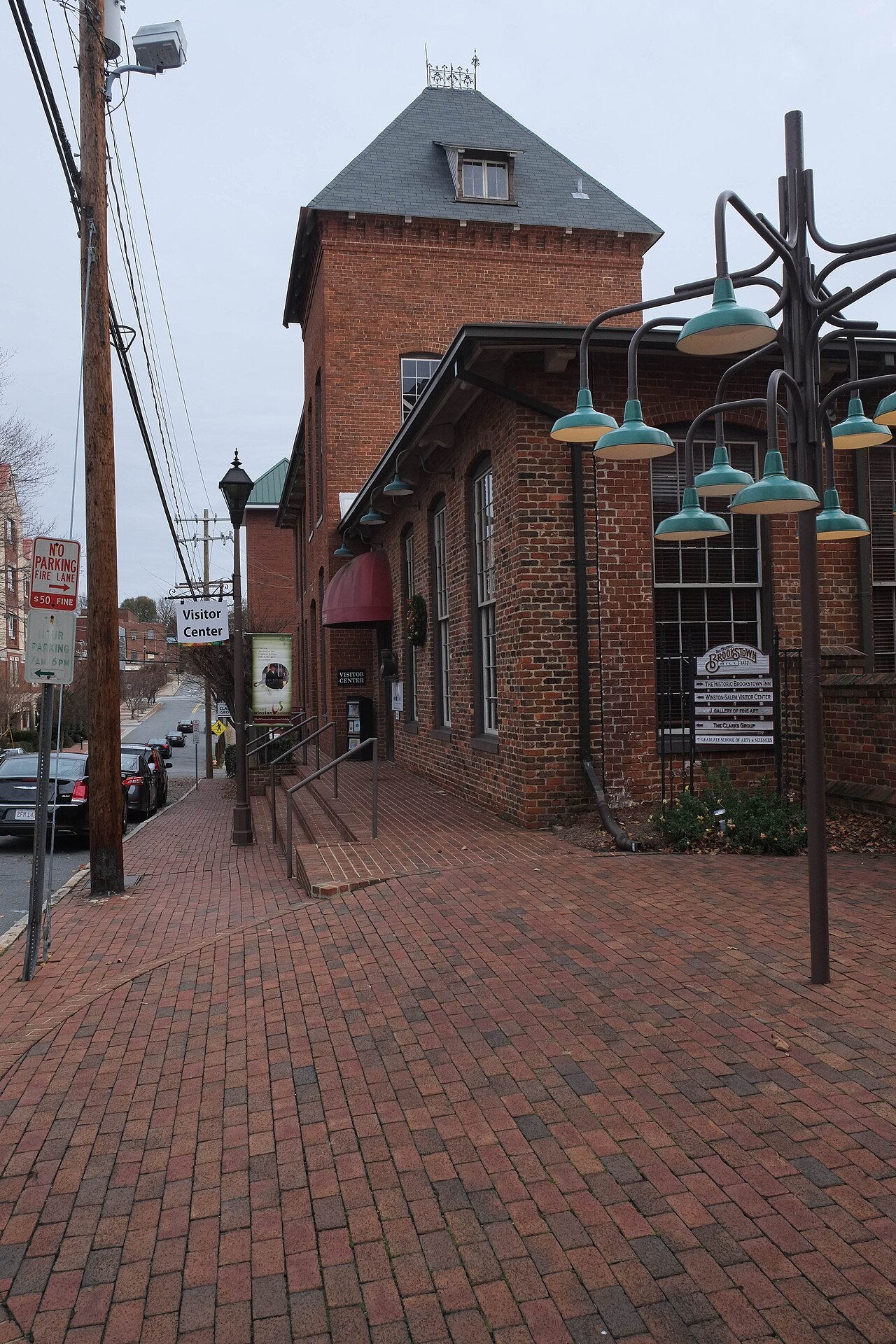
The Museum of Early Southern Decorative Arts, in a modern building in the district, has shown furniture, silver, ceramics, textiles and paintings made in the early South since 1965. The visitor center of 2003 has a serpentine glass wall of panels on Wachovia's history and an organ of 1800 by David Tannenberg.
How to visit
Start at the visitor center, where the museum tickets are sold, then walk up to the square. The streets are public, so you can walk the district freely, but the interiors, the working shops and MESDA are part of the ticketed museum. Give it most of a day. Winston-Salem is still one of the two largest Moravian communities in the country, and the thin Moravian spice cookie, rolled paper thin, became North Carolina's state cookie in 2026.
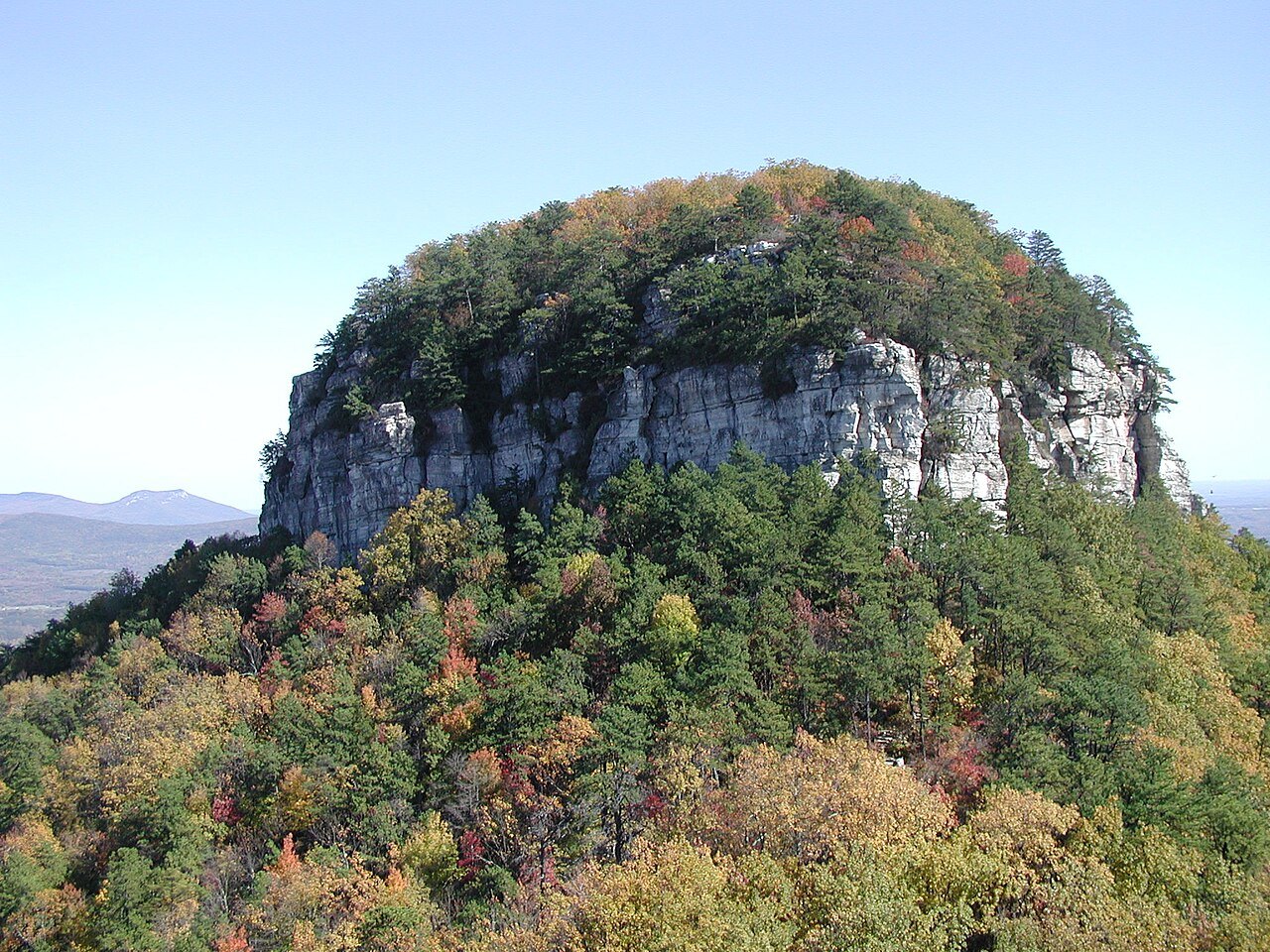
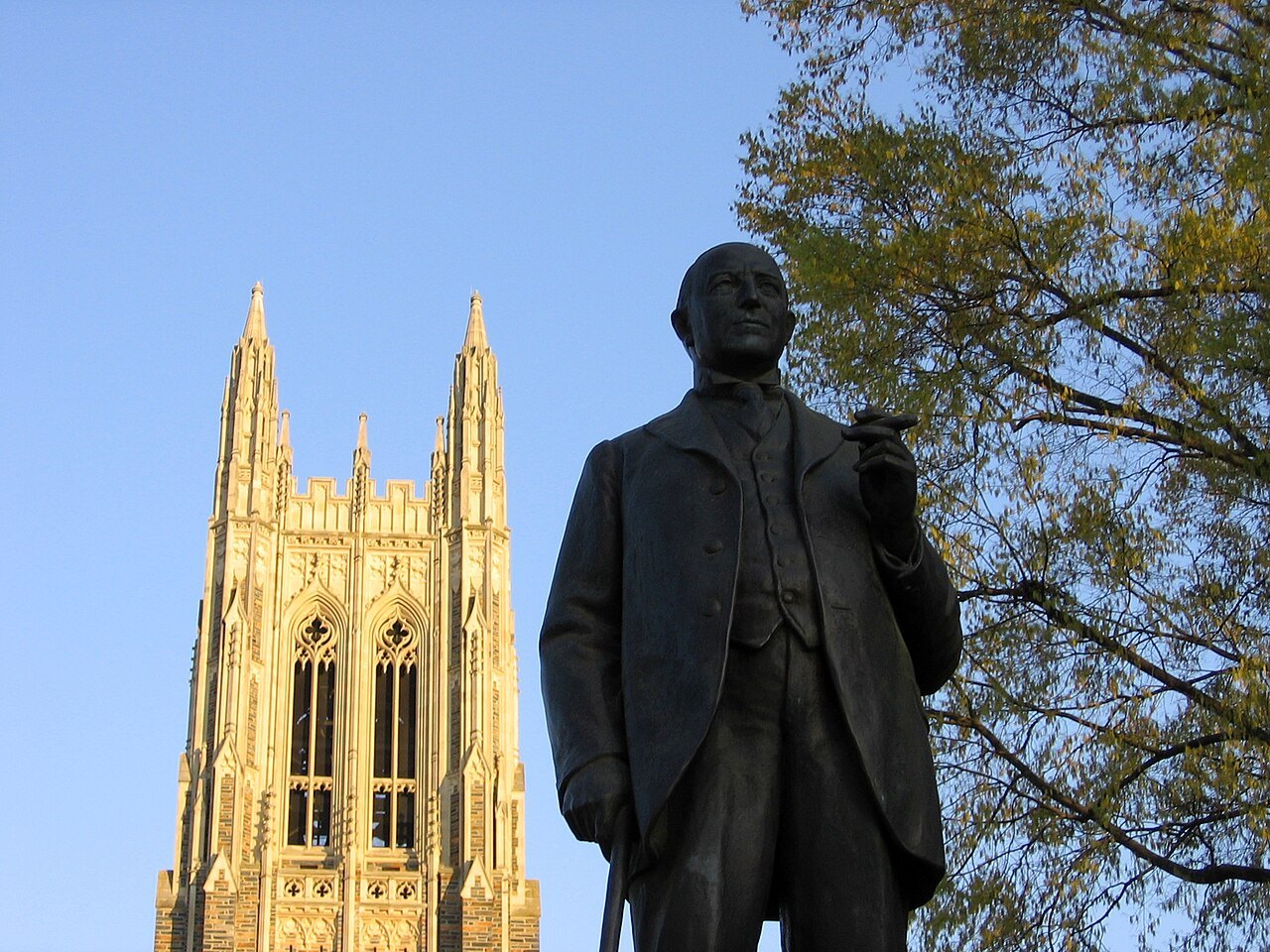
The city is crossed by Interstates 40, 74 and 285, and Old Salem is a district of the city itself. Pair it with Pilot Mountain, which rises to the northwest, and with the Triad and the Triangle further east along I-40, Duke Chapel among them.
Nearby