THE PIEDMONT · RALEIGH
The North Carolina Museum of Art and its park
Photographs: DiscoA340, Wikimedia Commons, CC BY-SA 4.0 · DiscoA340, Wikimedia Commons, CC BY-SA 4.0 · Alexisrael, Wikimedia Commons, CC BY-SA 3.0
The Piedmont · landmark 12 of 21
The first museum in the country whose collection was bought with state money, with five thousand years of art in over forty galleries, a garden of Rodin bronzes, and a 164-acre park of fields, woods and trails where the art stands out in the open.
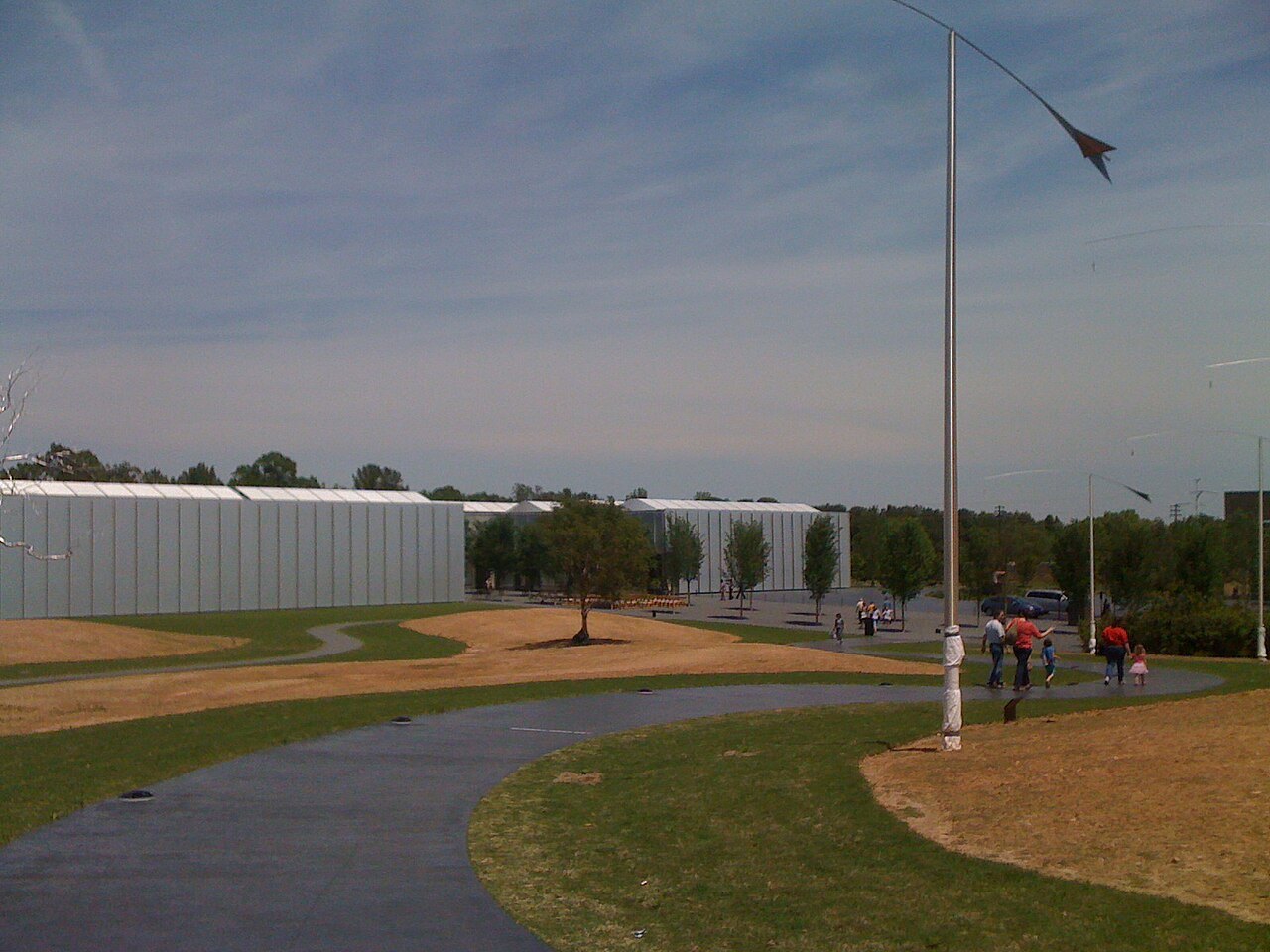
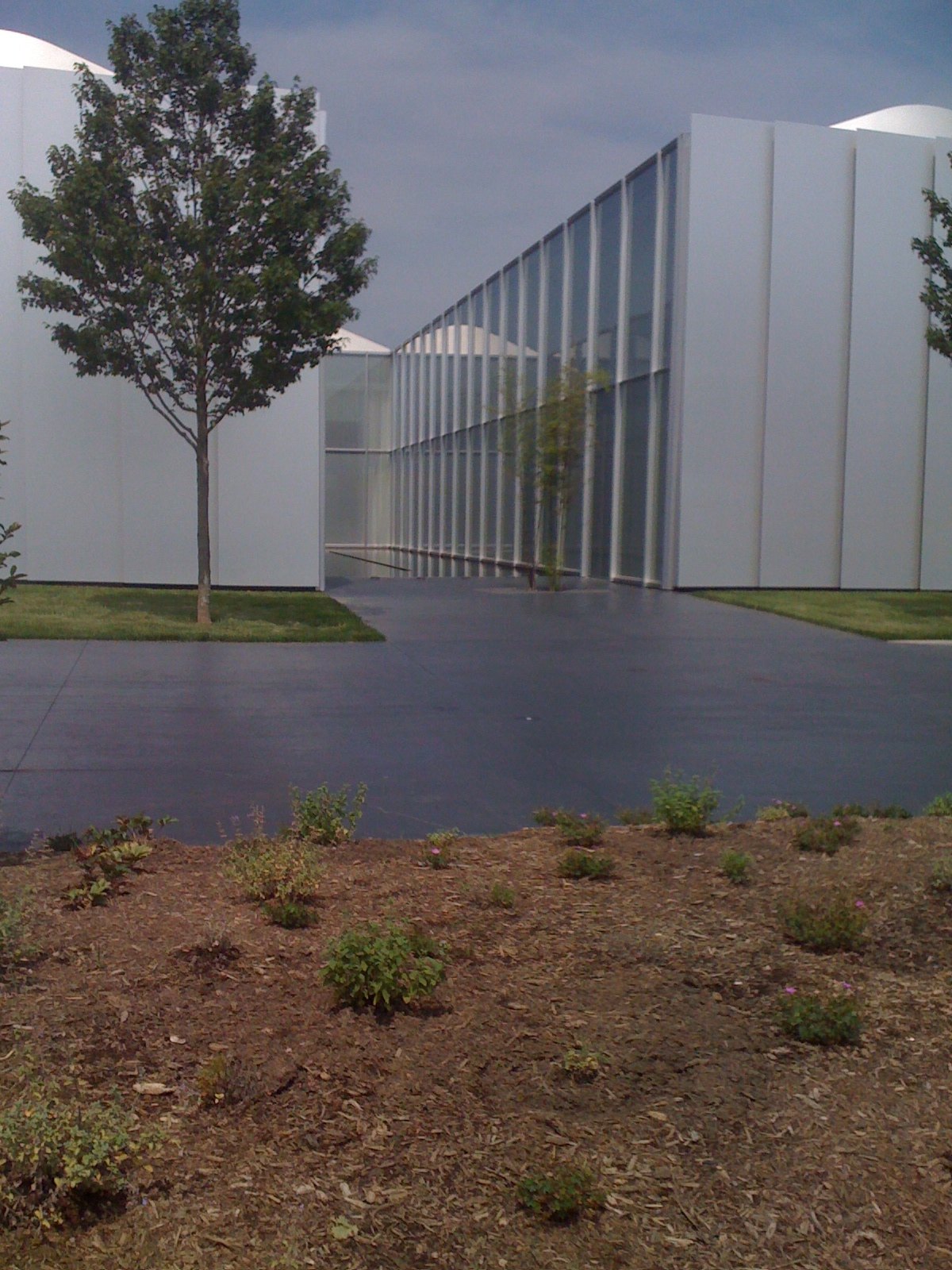
- The West BuildingA single-story hall of 2010 lit through the roof, surrounded by pools and sculpture gardens.
- The Rodin GardenPart of a gift of thirty bronzes by Auguste Rodin, set among the gardens and pools.
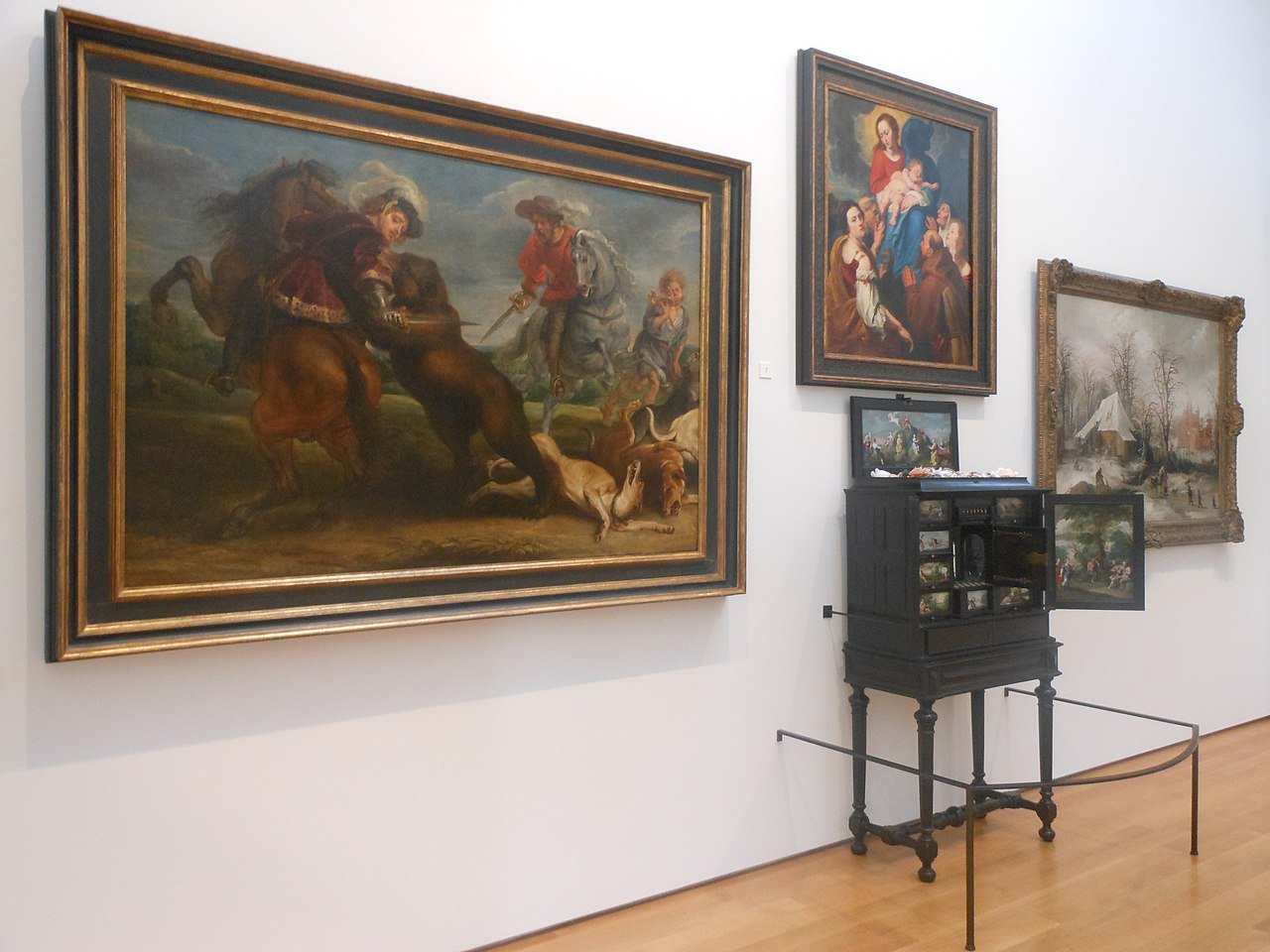
- The European galleriesPaintings from the Renaissance to the nineteenth century, built on the 1947 purchase and the Kress gift.
- The Egyptian galleryPainted coffins, shabtis and a black-topped jar made some six thousand years ago.
- The Judaic galleryOne of only two galleries of Jewish ceremonial art in an American art museum.
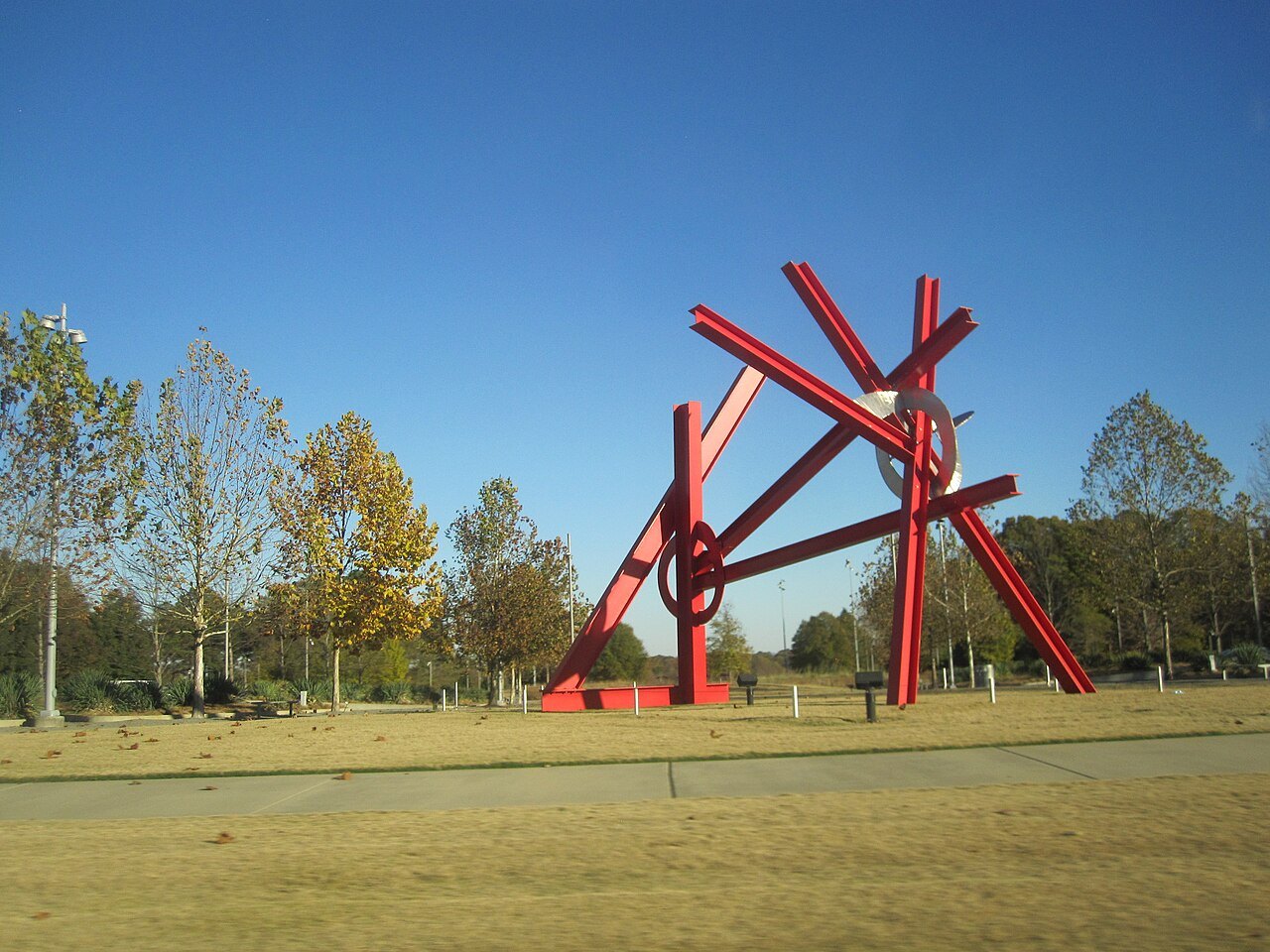
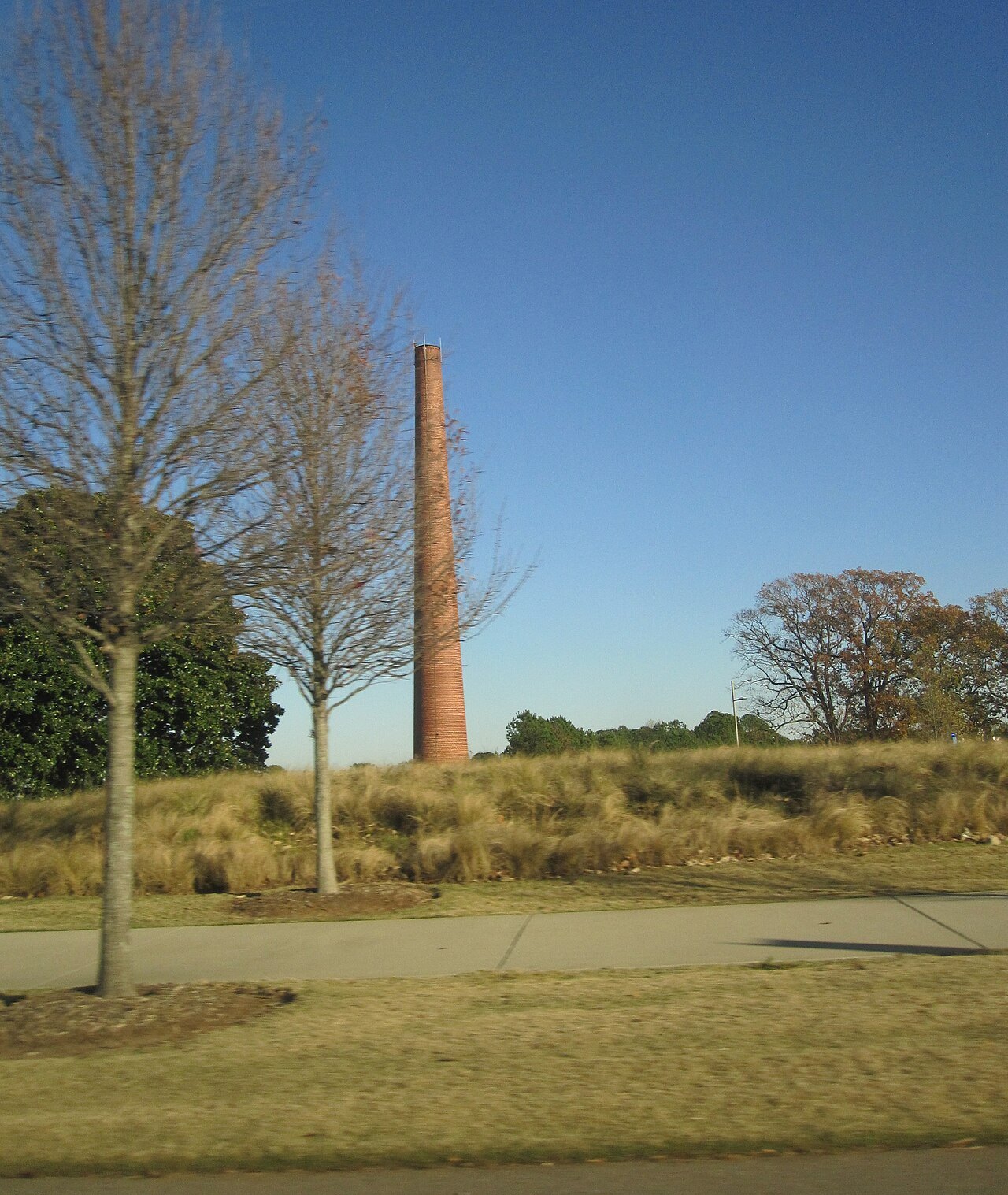
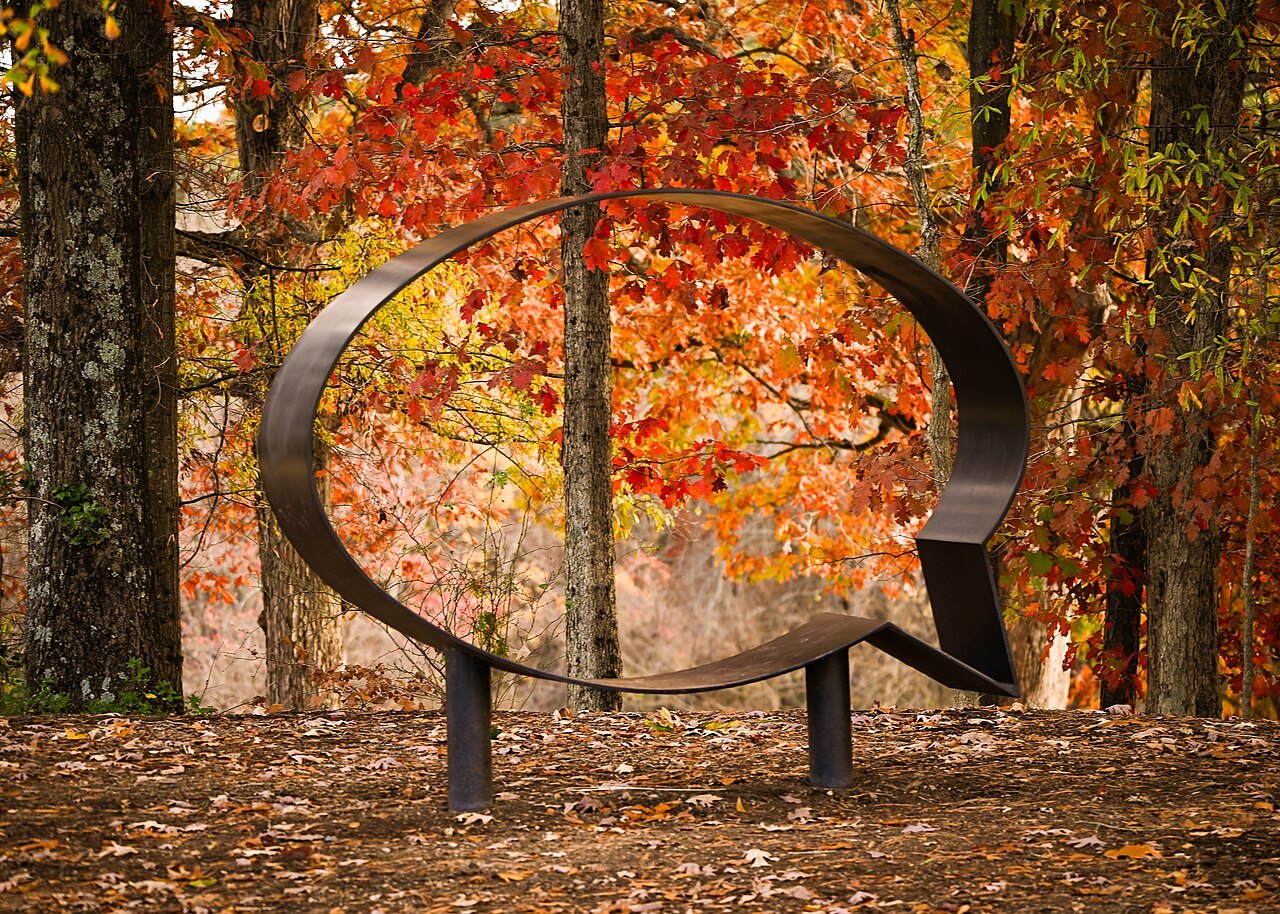
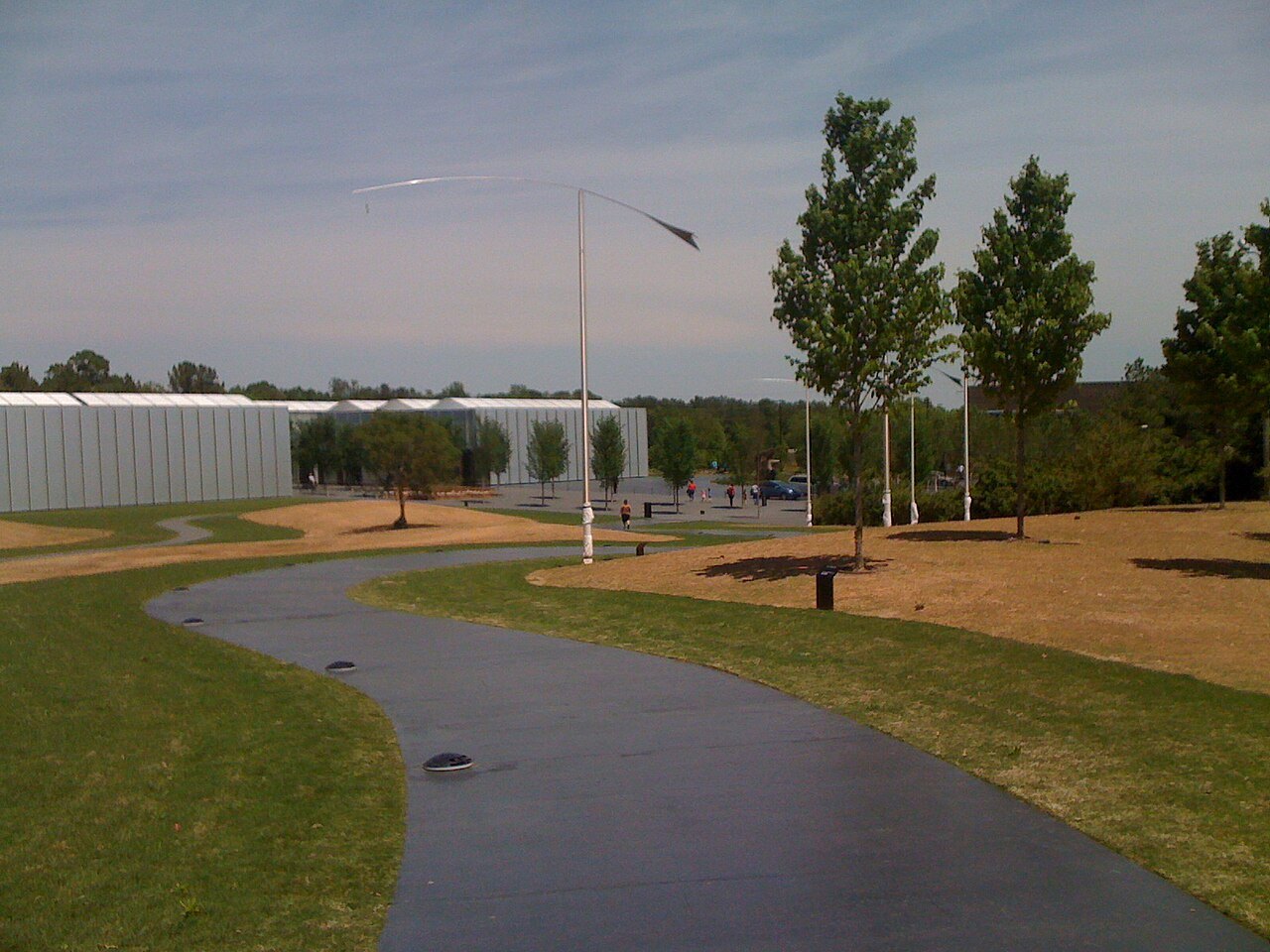
- The Museum ParkFields, woods and creeks with more than a dozen works made for the site and two miles of trails.
Why it matters
The North Carolina Museum of Art, on the west side of Raleigh, opened in 1956 as the first major museum collection in the country formed by state law and paid for with state money. In 1947 the legislature set aside funds to buy art for the people of North Carolina, the first such appropriation in the United States, and since then the museum has kept its permanent collection free to see.
Its holdings span more than five thousand years, from ancient Egypt to the present, in over forty galleries, and outside them lies one of the largest museum parks in the country.
A collection bought by a state
The North Carolina State Art Society formed in 1924 to campaign for a museum, and from 1929 it showed its paintings in temporary rooms in the Agriculture Building in Raleigh. The state's appropriation of 1947, pushed forward by Alice Willson Broughton, a former first lady of the state, bought 139 European and American works, and the Samuel H. Kress Foundation matched it with a gift of mostly Italian Renaissance pictures.
The museum opened on April 6, 1956, in a renovated highway department building on Morgan Street downtown, with the scholar W. R. Valentiner as its first director. It became a state agency in 1961. It outgrew that building, and in 1983 moved to its present site on Blue Ridge Road, into a building designed by Edward Durell Stone around the square as a unit; it was his last major design, and after he died its intended white marble was changed to red brick.
The West Building
In 2010 the museum opened the West Building, designed by the architects Thomas Phifer and Partners, a single-story hall surrounded by sculpture gardens and pools, with walls of anodized aluminum panels tilted slightly back from vertical and a roof of long curved coffers that bring in daylight. It won an international design award for its energy efficiency. The permanent collection hangs here; the older East Building now holds temporary exhibitions, education and events.
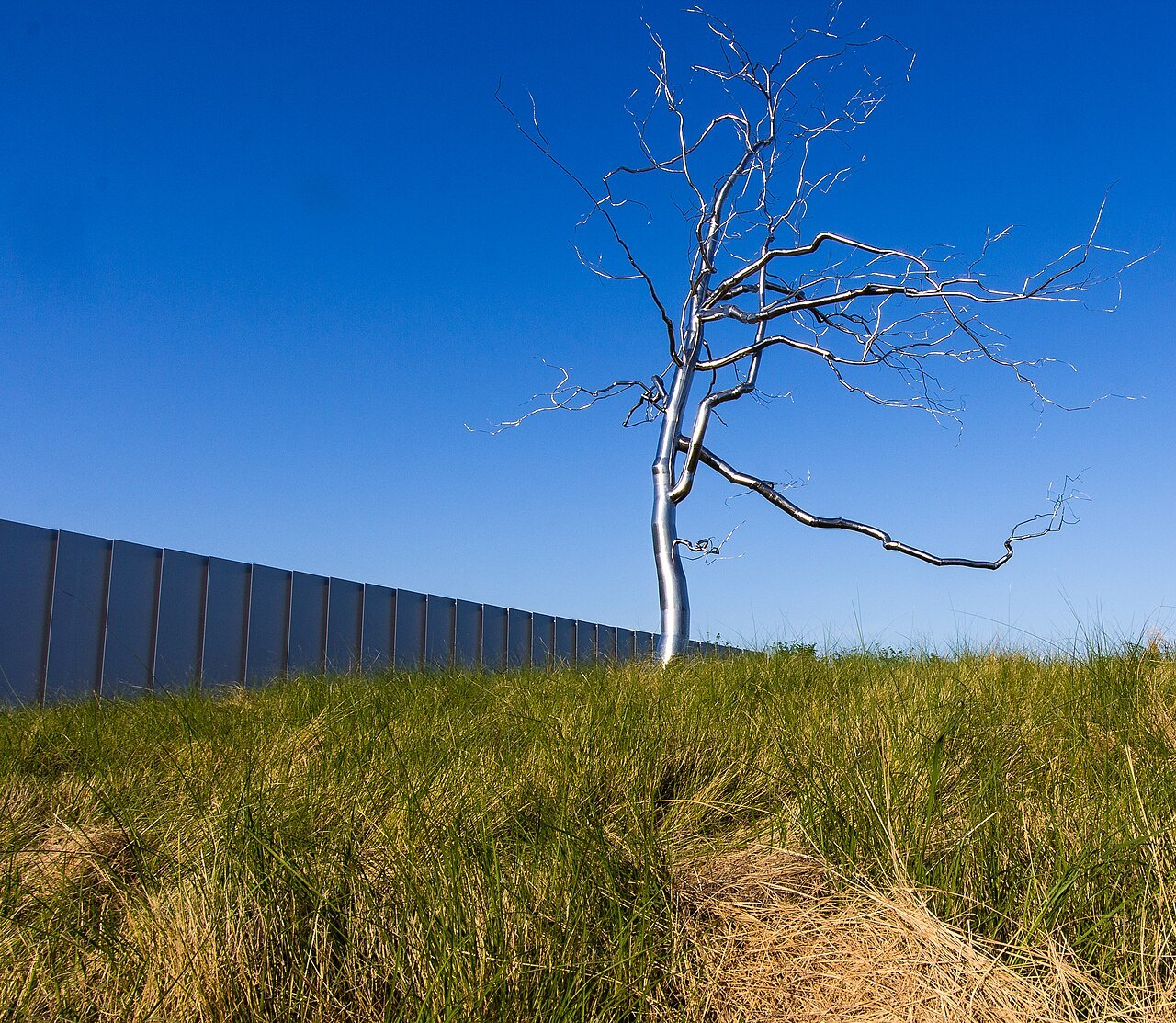
The expansion came with more than a hundred new works, including a gift of thirty sculptures by Auguste Rodin and pieces by Roxy Paine, Ursula von Rydingsvard, El Anatsui, Jaume Plensa, Ellsworth Kelly and David Park. Plensa's twin white figures, Spiegel I and Spiegel II, sit in the garden.
The collection
The European collection is the museum's strength and is counted among the finest in the country: Italian altarpieces and devotional works, paintings by Titian and Raphael, a gallery of Dutch and Flemish paintings with works by Rubens, Van Dyck, Jan Steen and Jacob van Ruisdael, a Flemish cabinet of curiosities, and French pictures by Boudin, Millet, Pissarro and Monet. British portraits by Gainsborough and Raeburn hang beside their early American counterparts.
The American collection runs from three imposing portraits by John Singleton Copley to the American Impressionists, and between them it takes up the great themes of American art: the celebration of the wilderness, the search for a national identity, and conflicts over race, immigration and class. In 2018 the museum added Saul, a sculpture of 1865 by William Wetmore Story.
The Egyptian gallery, only 38 objects, covers every major period, with the painted coffins of Djed Mut and Amunred, servant figures called shabtis made to do chores in the afterlife, a canopic jar that once held the liver of a man named Qeny, and the museum's oldest object, a black-topped red jar made by hand some six thousand years ago. There are works of the ancient Maya that show their religion, sport, ritual and daily life, African art from the Benin Kingdom and central Africa, contemporary video, a photography collection begun in 2003 that passed two hundred prints within seven years, and a survey of North Carolina's own artists.
The Judaic gallery
The museum is one of only two American art museums with a gallery devoted to Judaica. Its ritual objects come from the Ashkenazi, Sephardi and Mizrahi traditions and from modern Israel, all made for use in the synagogue, on the Sabbath and holidays, and at the great moments of family life, from a menorah to Torah scrolls.
The Museum Park
Around the buildings, the Museum Park covers 164 acres of fields, woods and creeks with two miles of trails and more than a dozen works made for the site. Among them are works by Thomas Sayre, Vollis Simpson, Martha Jackson Jarvis and Ledelle Moe, and a camera obscura by Chris Drury called Cloud Chamber for the Trees and Sky. Henry Moore's Large Spindle Piece and Large Standing Figure: Knife Edge stand in the gardens by the West Building.
The park's amphitheater, framed by a monumental work by Barbara Kruger called Picture This, has long been the setting for summer films and concerts; it has been under construction, so look at the museum's own site for its season.
How to visit
The museum stands on Blue Ridge Road in west Raleigh. Give the galleries a morning, then walk the park trails. The permanent collection is free, while special exhibitions may be ticketed; the museum's own site lists hours and what is showing in the East Building.
The museum also manages a second campus in Winston-Salem, the former Southeastern Center for Contemporary Art, which has been closed for renovation; check before you go. Downtown, the State Capitol and the state's natural history museum make an easy pairing, and Duke Chapel is a short drive west in Durham.
Nearby
Sources read for this page