THE MOUNTAINS · BUNCOMBE COUNTY
Asheville, the mountain city
Photographs: Stilfehler, Wikimedia Commons, CC BY-SA 4.0 · chucka_nc, Wikimedia Commons, CC BY-SA 2.0 · Tunneluser, Wikimedia Commons, CC BY-SA 4.0
The cities · The Mountains
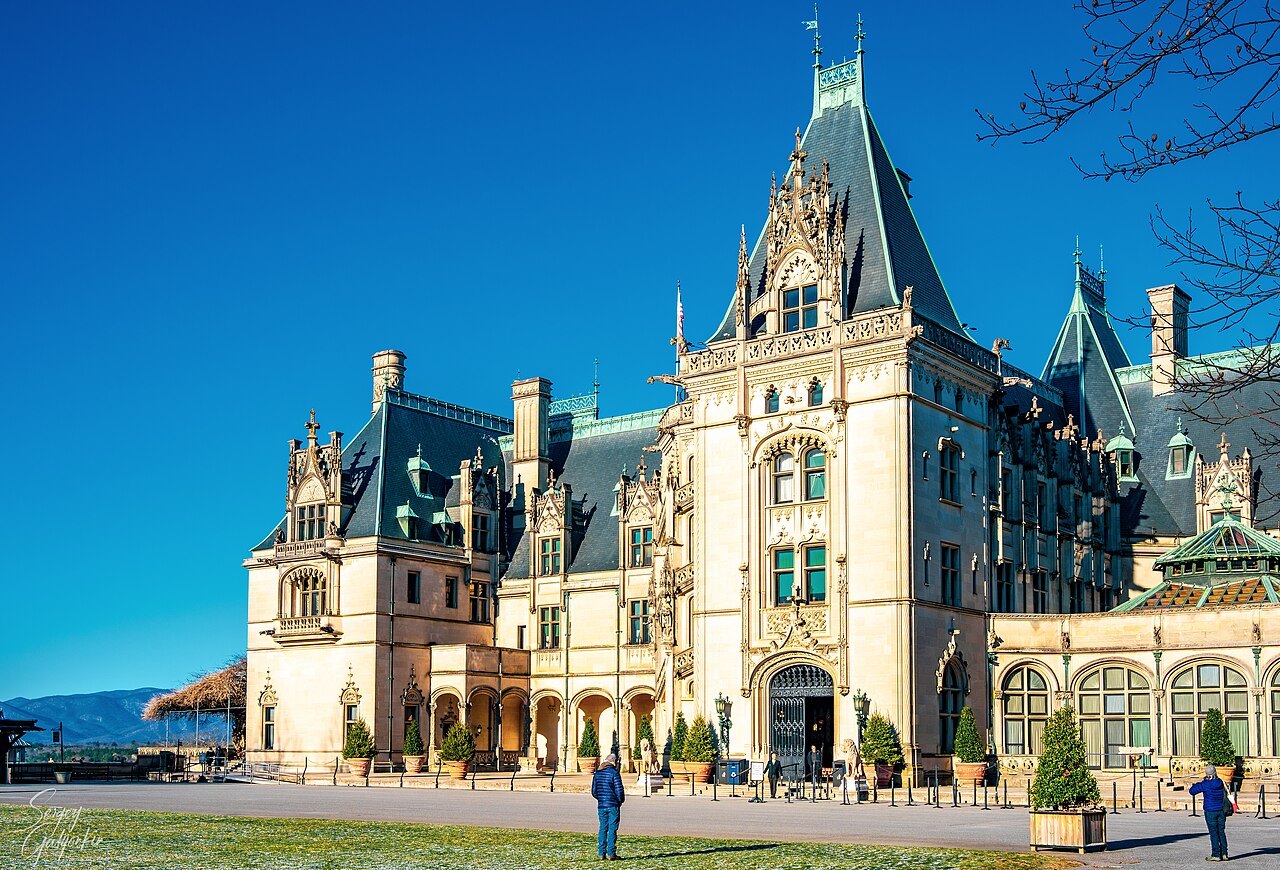
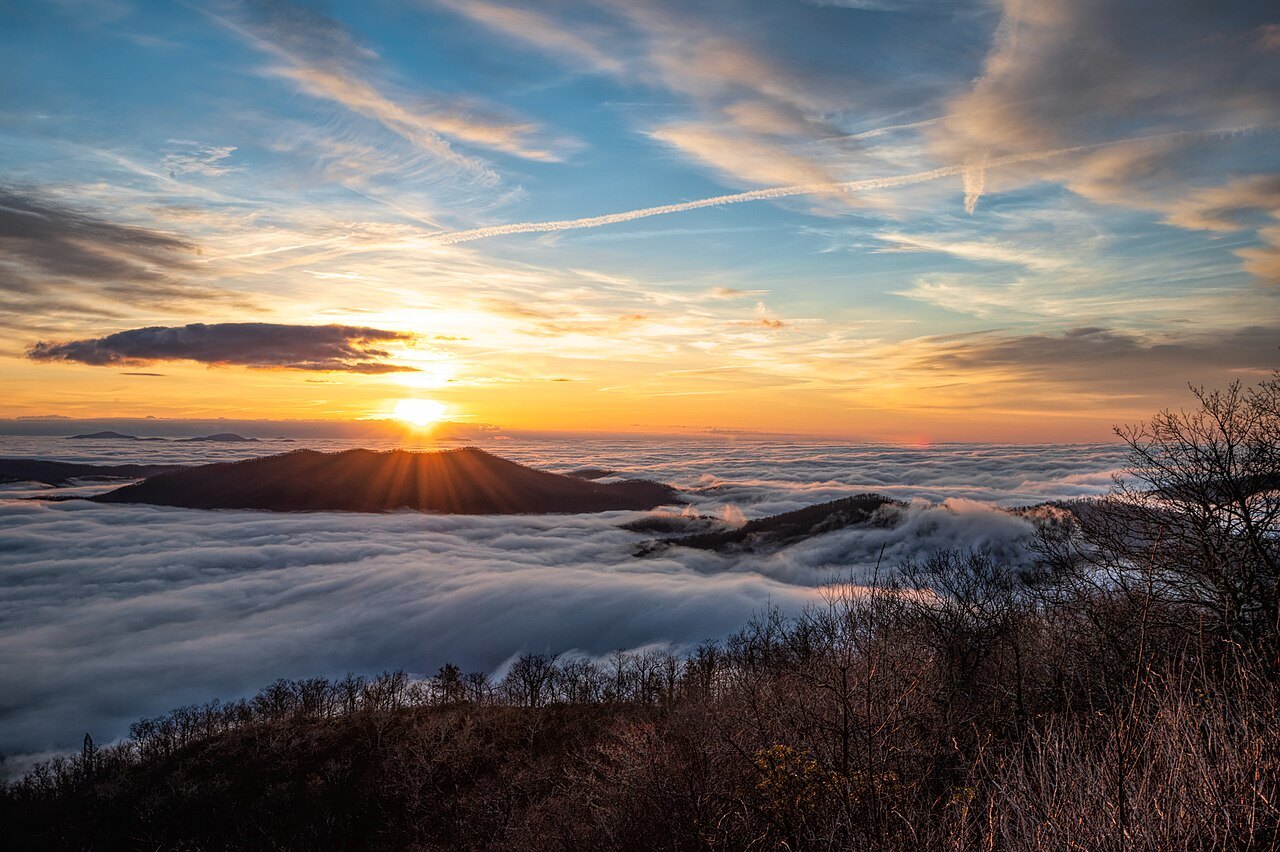
The largest city in the North Carolina mountains, where the French Broad and Swannanoa rivers meet: an Art Deco downtown frozen by the Depression, a riverside district of artists' studios, the Biltmore Estate at its southern edge, and the Blue Ridge Parkway running past it, still rebuilding from Hurricane Helene.
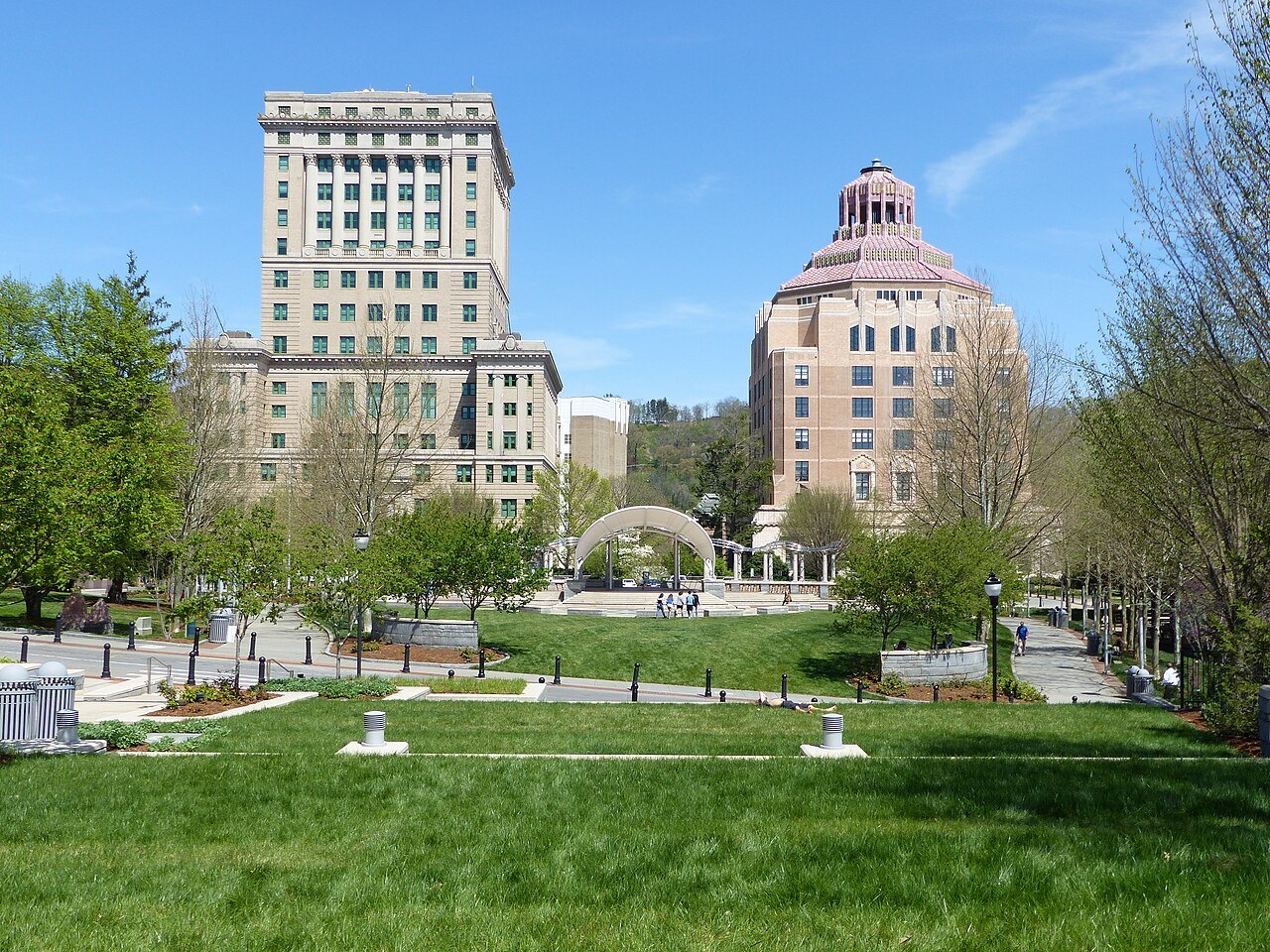
- Downtown's Art DecoCity Hall, the S&W Cafeteria and the Jackson Building, kept intact by decades of slow growth.
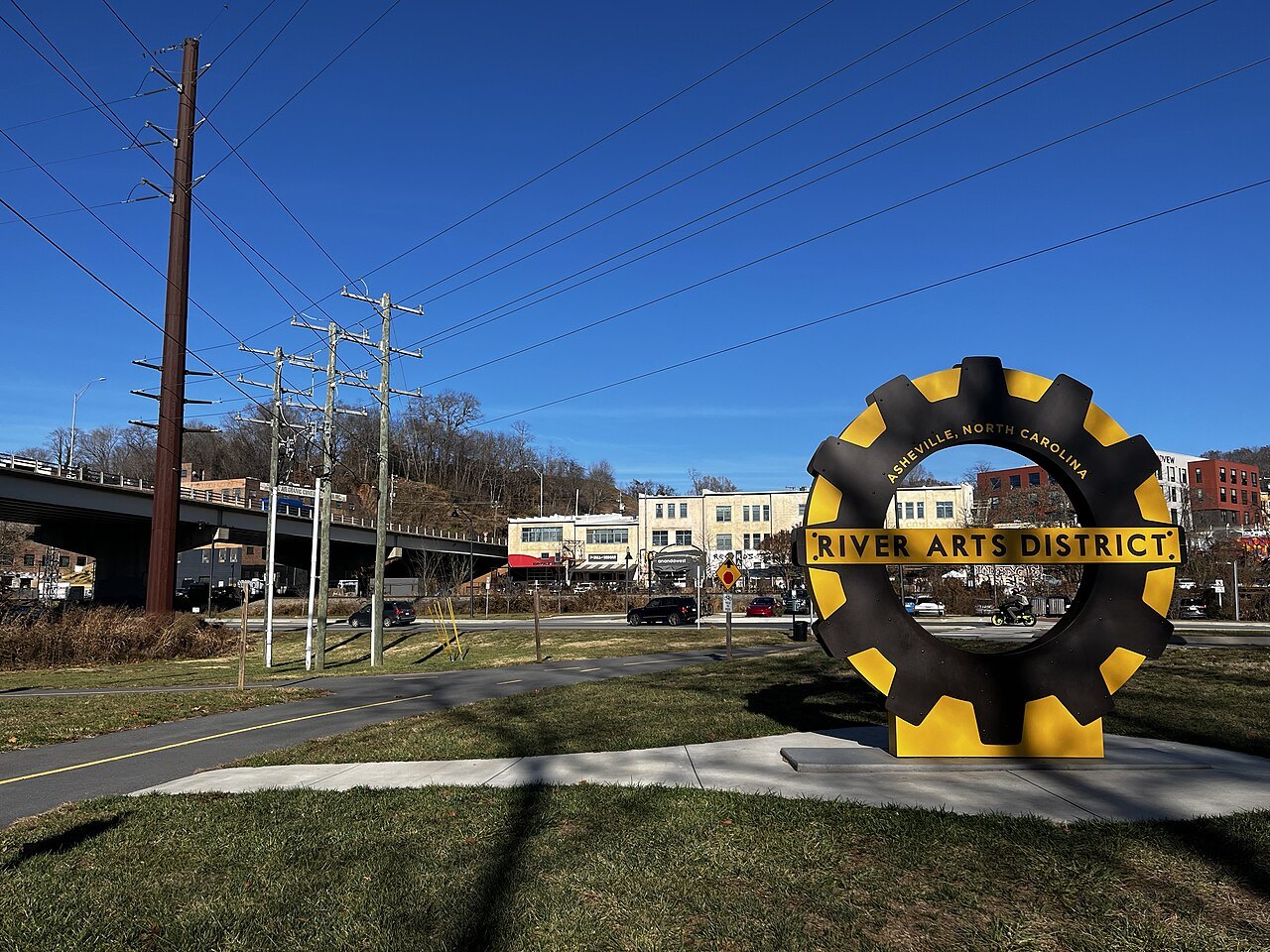
- The River Arts DistrictOld industrial buildings along the French Broad turned into artists' studios since the 1980s.
- Biltmore VillageThe little district at the estate gate, built for the workers who built the house.
- The Grove Park InnA great hotel of the Arts and Crafts movement, where F. Scott Fitzgerald once stayed and wrote.
- The Thomas Wolfe HouseThe boyhood home of the novelist who made Asheville the Altamont of Look Homeward, Angel.
- The Folk Art CenterThe Southern Highland Craft Guild's center of Appalachian craft traditions.
Why it matters
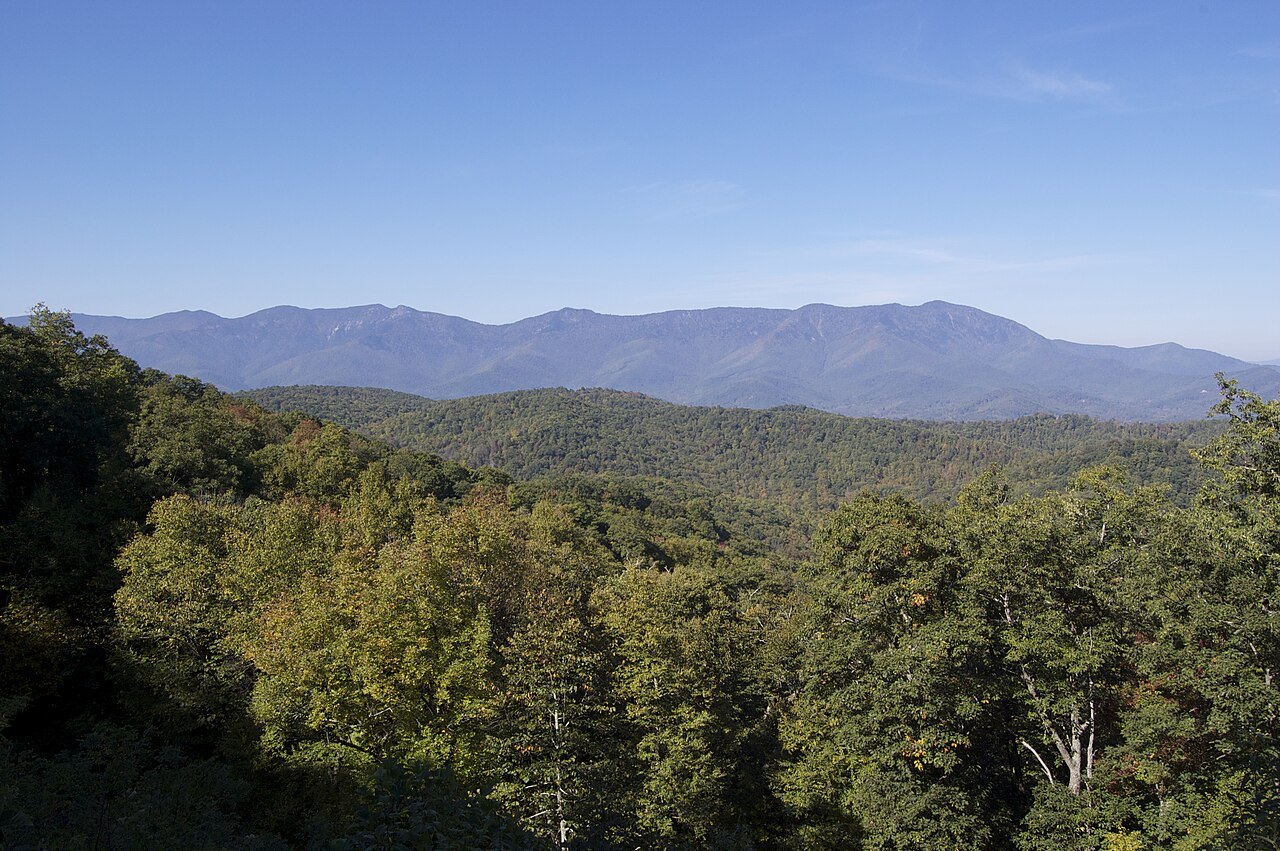
Asheville is the most populous city of western North Carolina, home to almost 95,000 people in a bowl of the Blue Ridge Mountains where the French Broad and Swannanoa rivers meet. It is the natural base for the mountains: the Blue Ridge Parkway passes the city, Biltmore lies at its southern edge, and the high peaks and waterfalls are within a morning's drive.
It is also a city of its own, known for its architecture, its crafts, its music and its food and drink, with a downtown of an unusual completeness. In September 2024 the remnants of Hurricane Helene flooded both rivers and devastated the city and the country around it, and much of what follows should be read alongside that: parts of Asheville are still rebuilding.
Where they race
Before European settlement, the land lay within the Cherokee Nation, whose homelands spread across the southern mountains. The Cherokee used the ground by the river confluence for open hunting and meeting grounds and called it Tokiyasdi, "where they race". The Spanish explorer Hernando de Soto recorded a town at the site in 1540, and the diseases his expedition carried killed much of the Native population.
White settlers began arriving in 1784, and the town grew slowly. It was the railroad, finished from Salisbury in 1880, that made it: mills, factories and new homes followed, and by 1900 Asheville was the third-largest city in the state. In 1889 it opened the first electric streetcar line in North Carolina. The Civil War did not reach the town until April 1865, when the small Battle of Asheville was fought on the ground where the University of North Carolina at Asheville now stands.
In the 1910s Rutherford P. Hayes, a son of the president, worked with the African American businessman Edward W. Pearson Sr. to develop the Burton Street community in West Asheville, and in 1922 a third of the city's roughly 28,500 people were Black. In 2020 the city council voted unanimously for reparations to Black residents for the city's historic role in slavery and discrimination.
Boom, bust and Art Deco
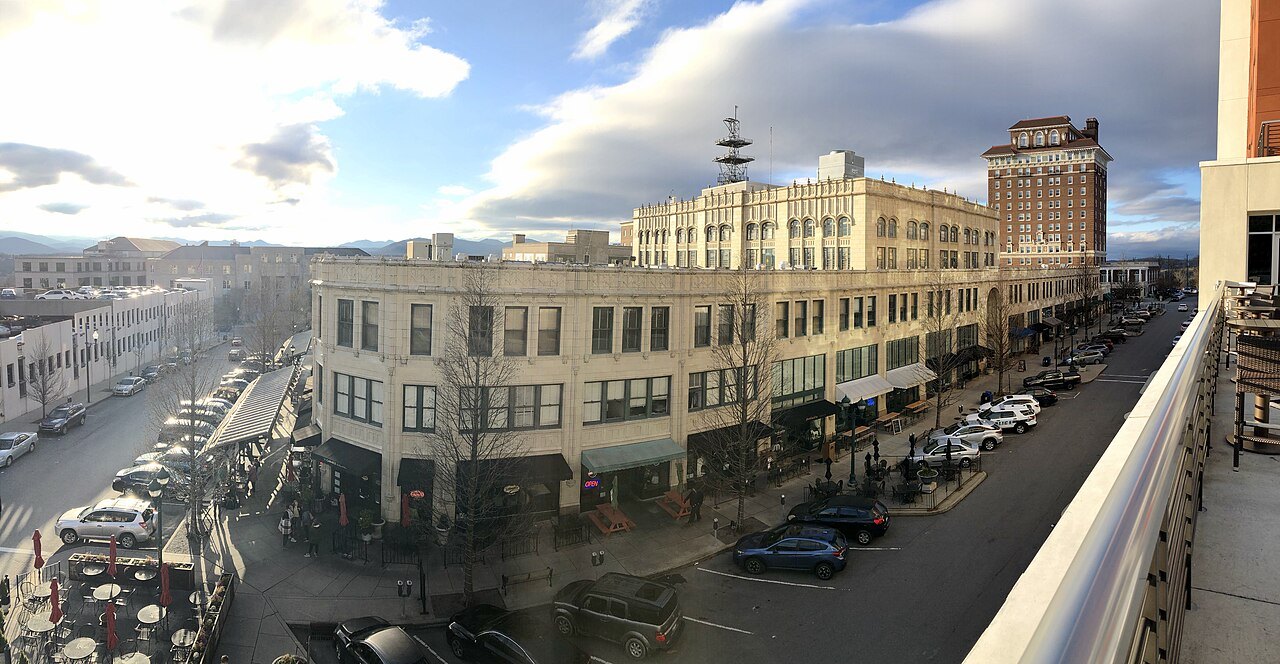
Asheville boomed in the 1910s and 1920s, and when the Depression came it hit the city hard: eight local banks failed in November 1930, and after the building boom of the previous decades the city's debt per person was the highest in the nation. From the 1950s through the 1980s growth stayed slow, and there was little money for new building. As a result, most of downtown stayed as it was, and Asheville has one of the most complete collections of Art Deco architecture in the United States.
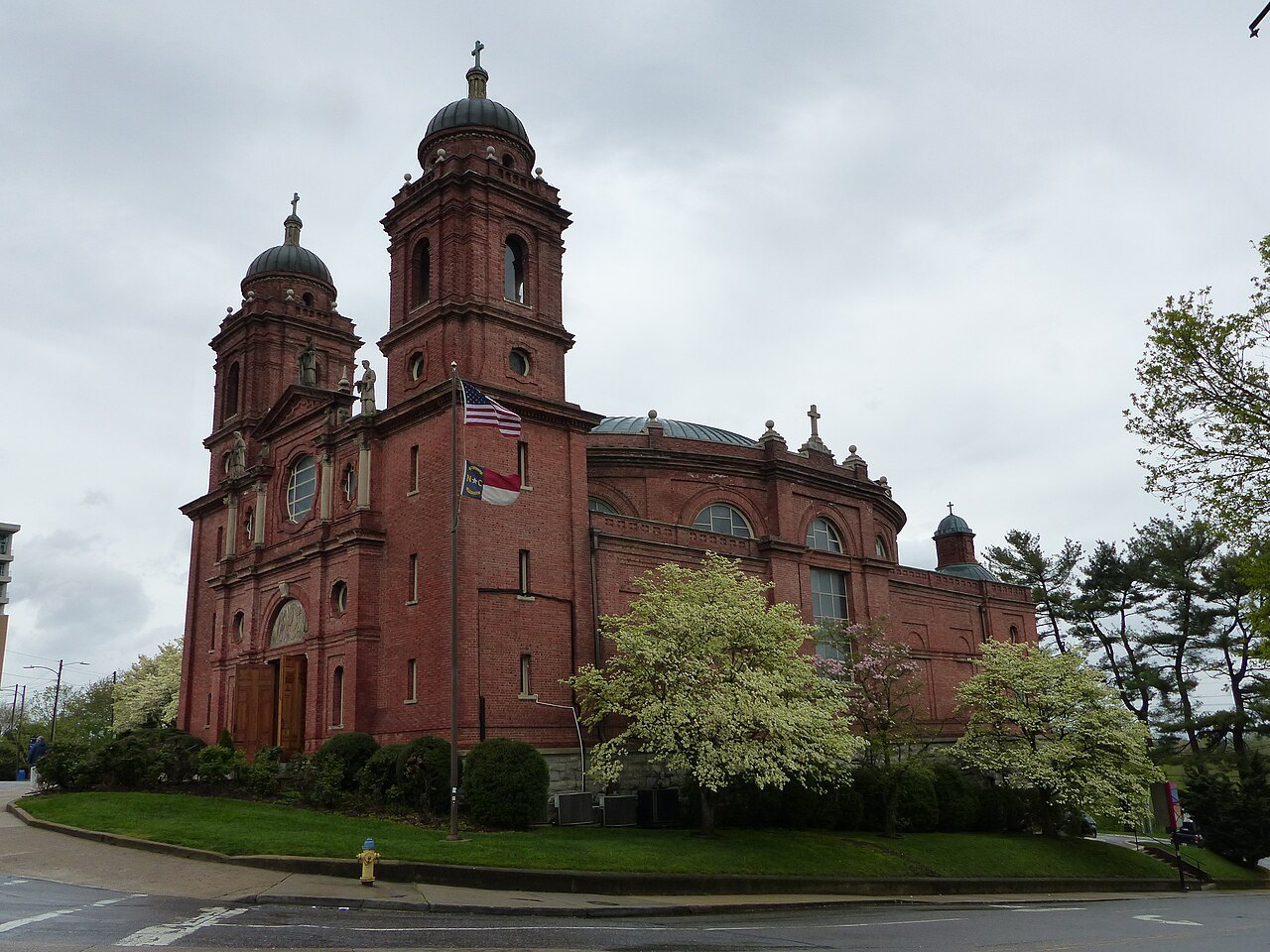
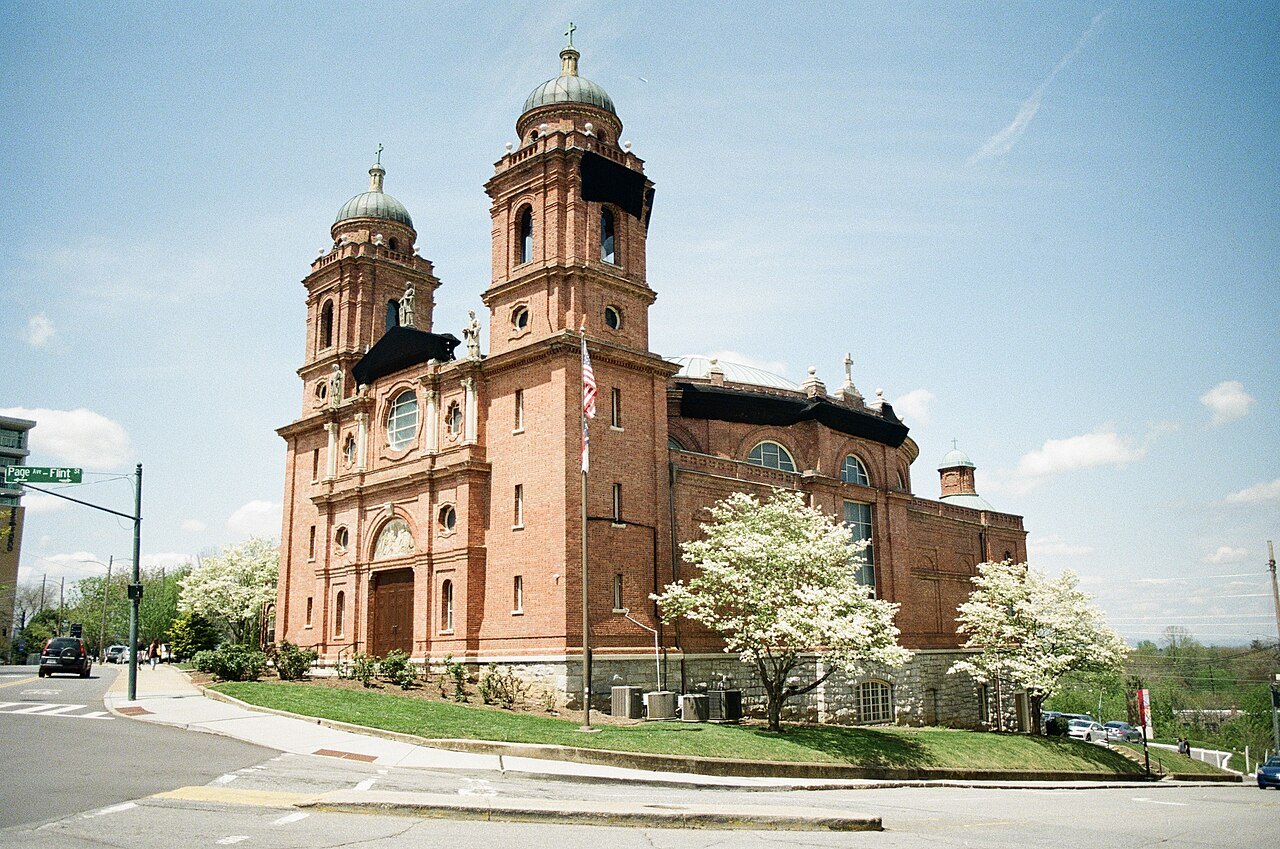
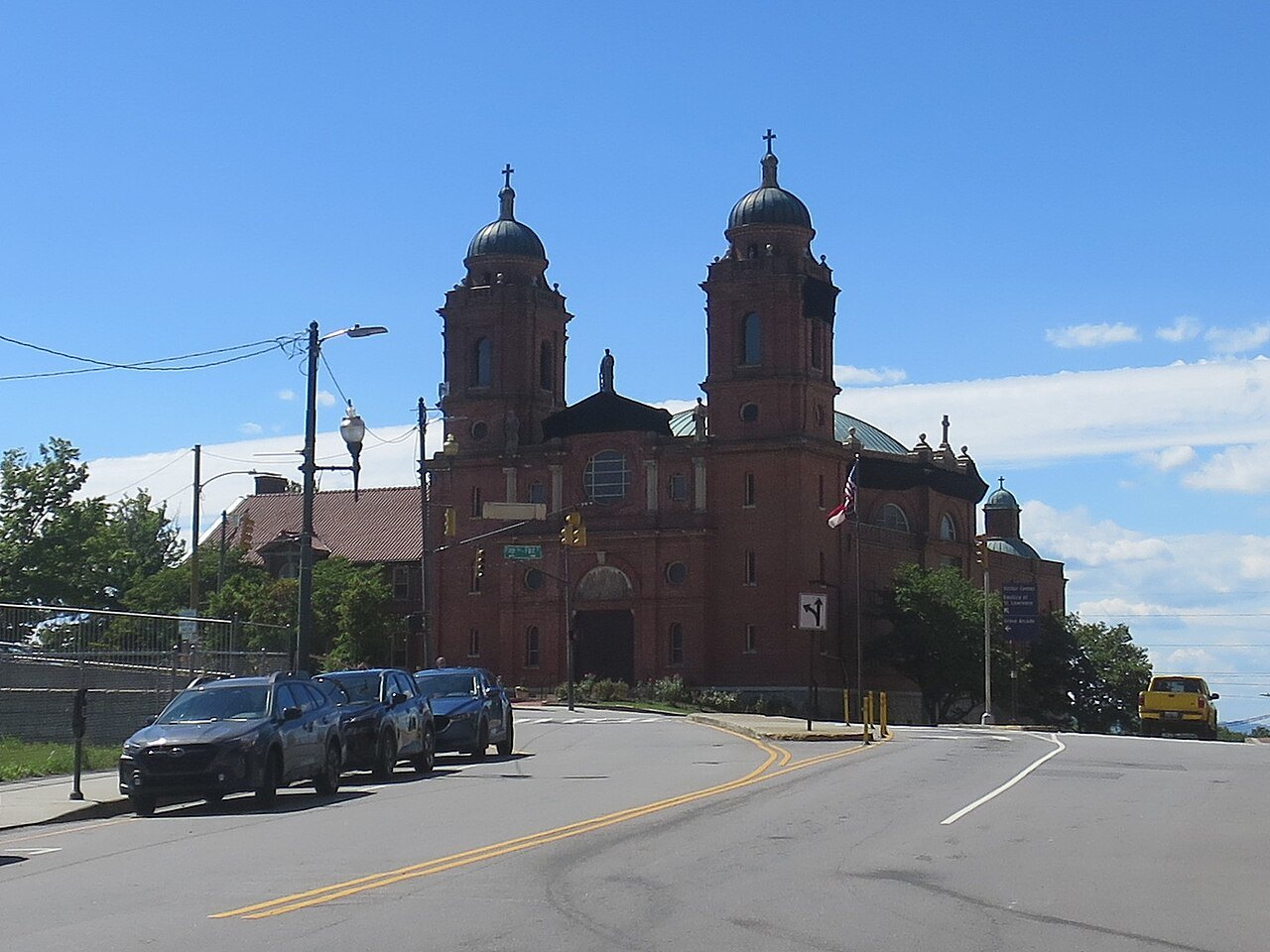
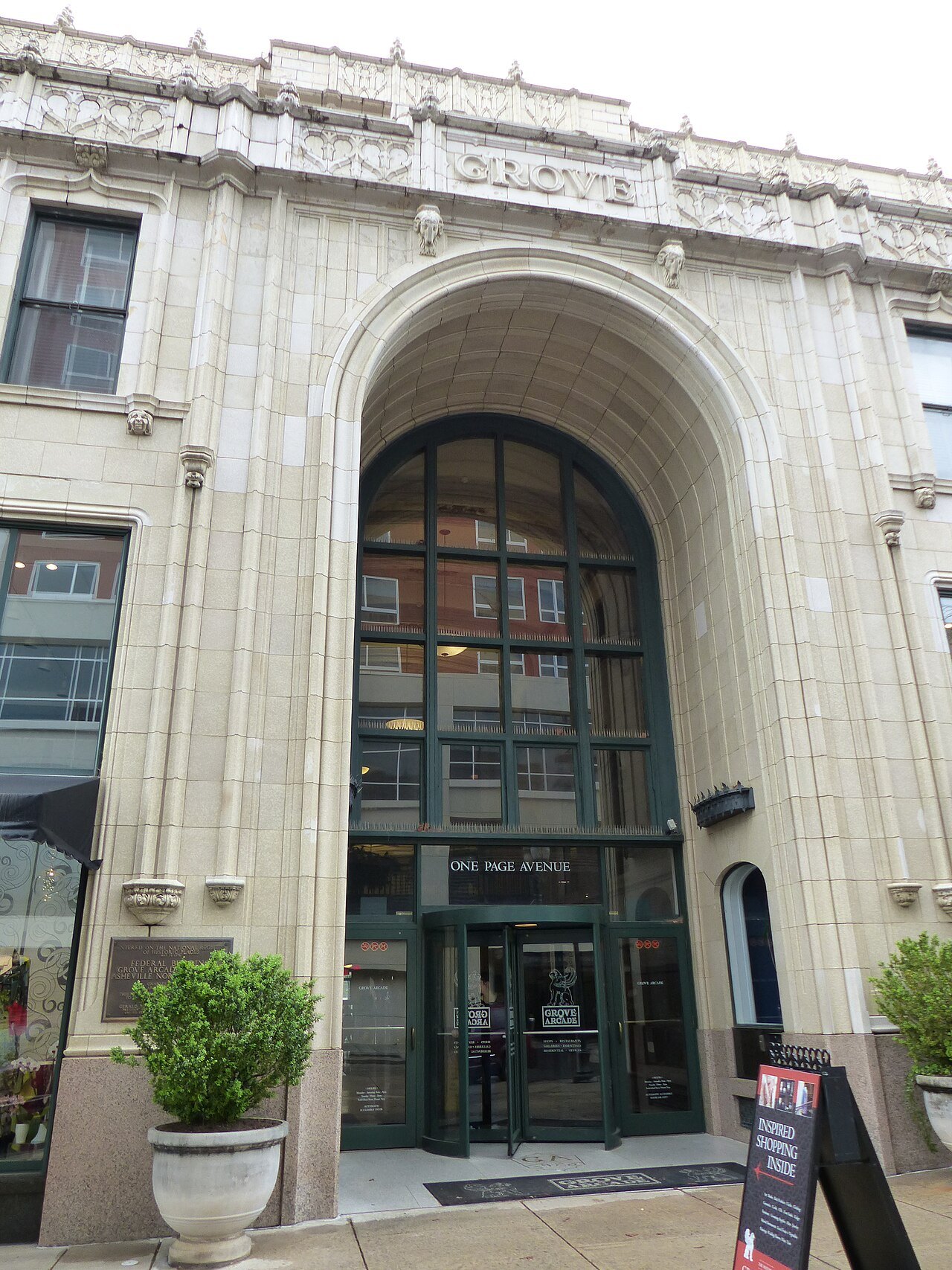
Walk downtown for the Art Deco City Hall and the S&W Cafeteria Building, the Neo-Gothic Jackson Building, the first skyscraper on Pack Square, the Grove Arcade, one of the country's first indoor shopping malls, and the Basilica of St. Lawrence. To the north, the Grove Park Inn is a landmark of the Arts and Crafts movement, and the Montford district is full of Victorian houses.
Arts, crafts and music
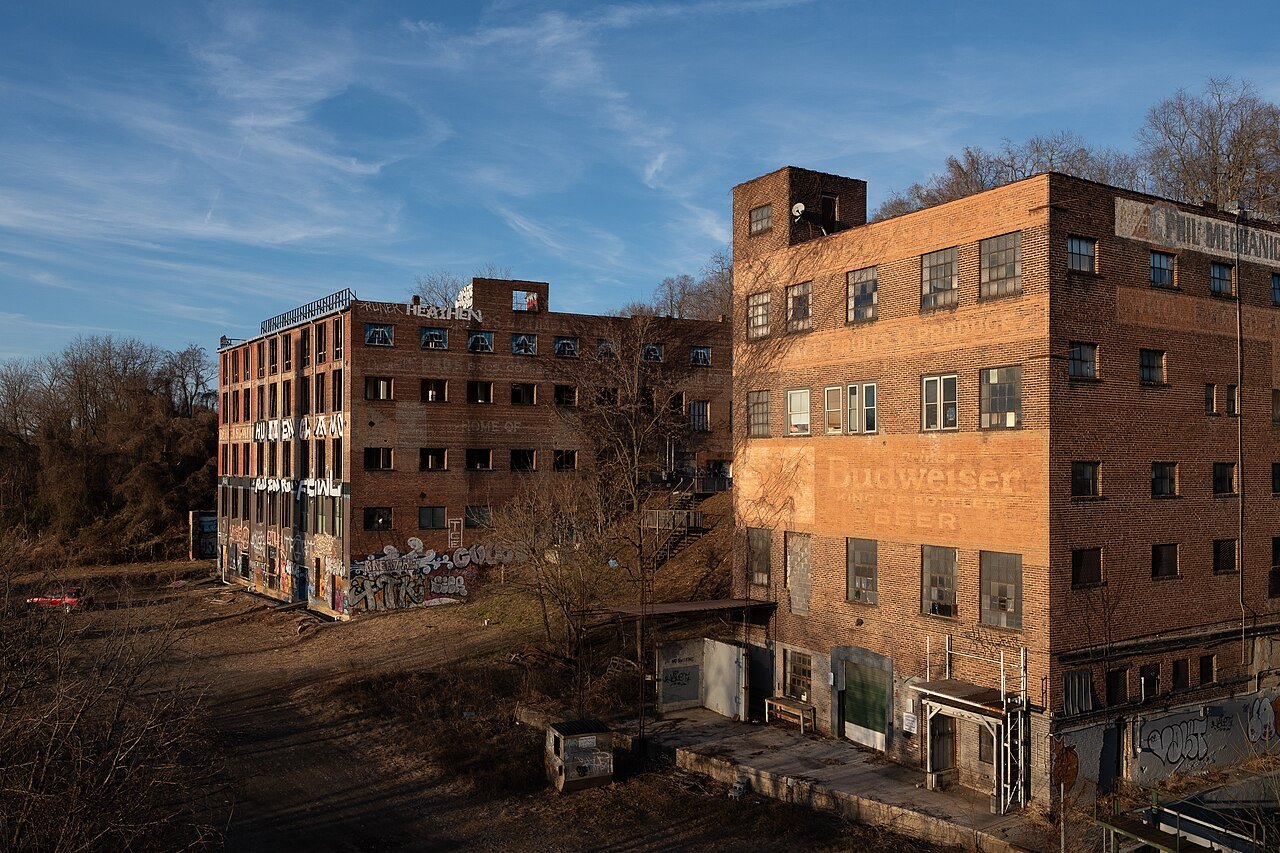
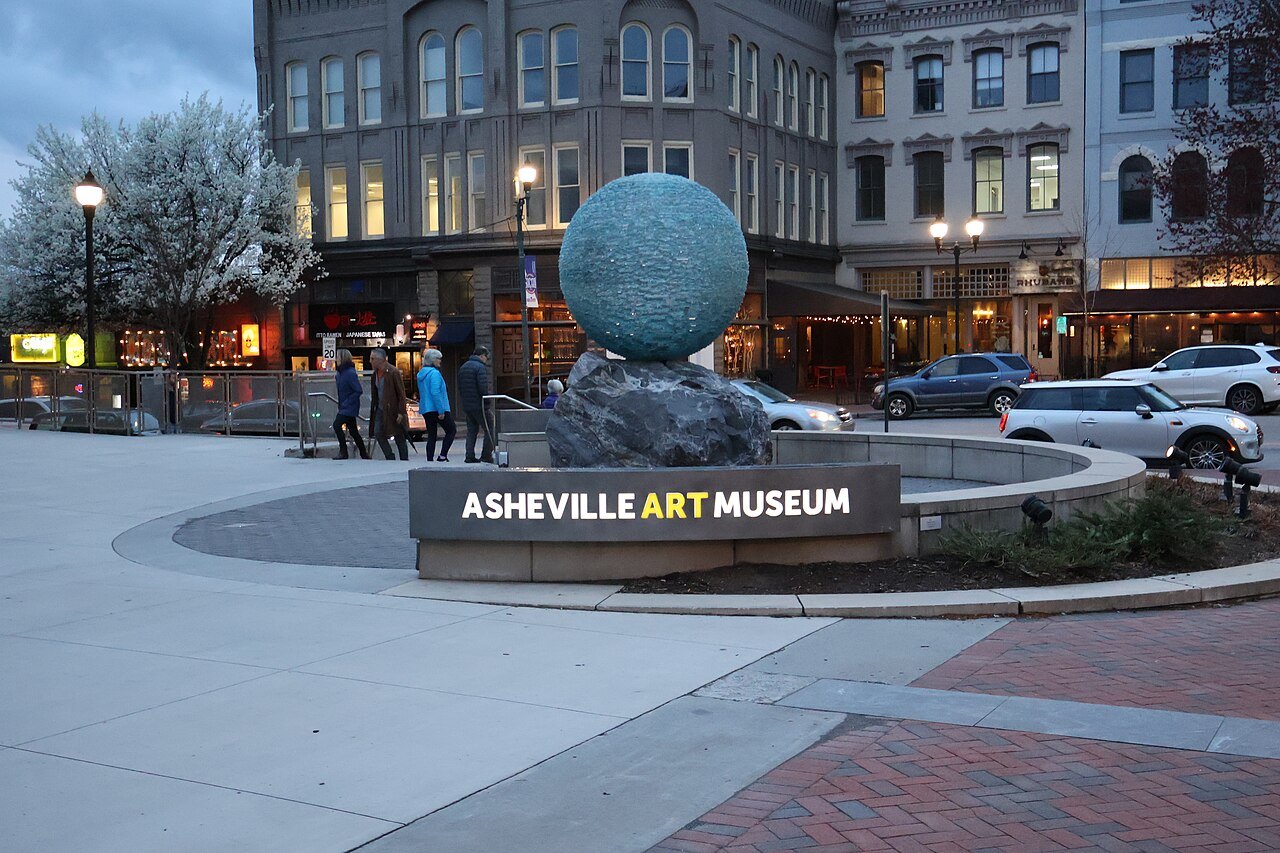
The River Arts District, a former industrial strip along the French Broad, began to fill with studios in the 1980s; before Helene it held 26 warehouses and some 300 artists. Downtown on Pack Square, the Asheville Art Museum and the Black Mountain College Museum and Arts Center, which tells the story of the experimental Black Mountain College, anchor the visual arts, and the YMI Cultural Center, founded in 1892, is one of the oldest African American cultural centers in the country.
The Folk Art Center of the Southern Highland Craft Guild is devoted to Appalachian craft traditions. Music is everywhere: the Mountain Dance and Folk Festival, founded in 1928 by Bascom Lamar Lunsford, is said to be the first event ever called a folk festival, and in summer the Shindig on the Green brings bluegrass bands, dancers and jam sessions to the plaza by the courthouse, starting, by tradition, "along about sundown". Moog Music, maker of synthesizers, has its headquarters here.
Writers' town
Thomas Wolfe grew up in Asheville, and his first novel, Look Homeward, Angel, of 1929, is set largely here under the name Altamont; his boyhood home is a National Historic Landmark. Wolfe and the short story writer O. Henry are buried in Riverside Cemetery, F. Scott Fitzgerald wrote while staying at the Grove Park Inn, and the poet Carl Sandburg spent his last years at Flat Rock to the south.
After Helene
In September 2024 Helene brought record-breaking floods down the French Broad and the Swannanoa. The city's water system was catastrophically damaged, leaving most of Asheville without running water, buildings and bridges were swept away, and landslides cut I-40 and I-26, leaving the area largely cut off. Buncombe County lost more than 3,000 jobs, most of them in hotels and restaurants, the businesses visitors keep alive.
Tourism is how much of the region earns its living, so visiting is part of the recovery. Before you go, look at the city's and the Parkway's own sites for what has reopened, and check routes, since some mountain roads have been rebuilt in stages.
Getting around
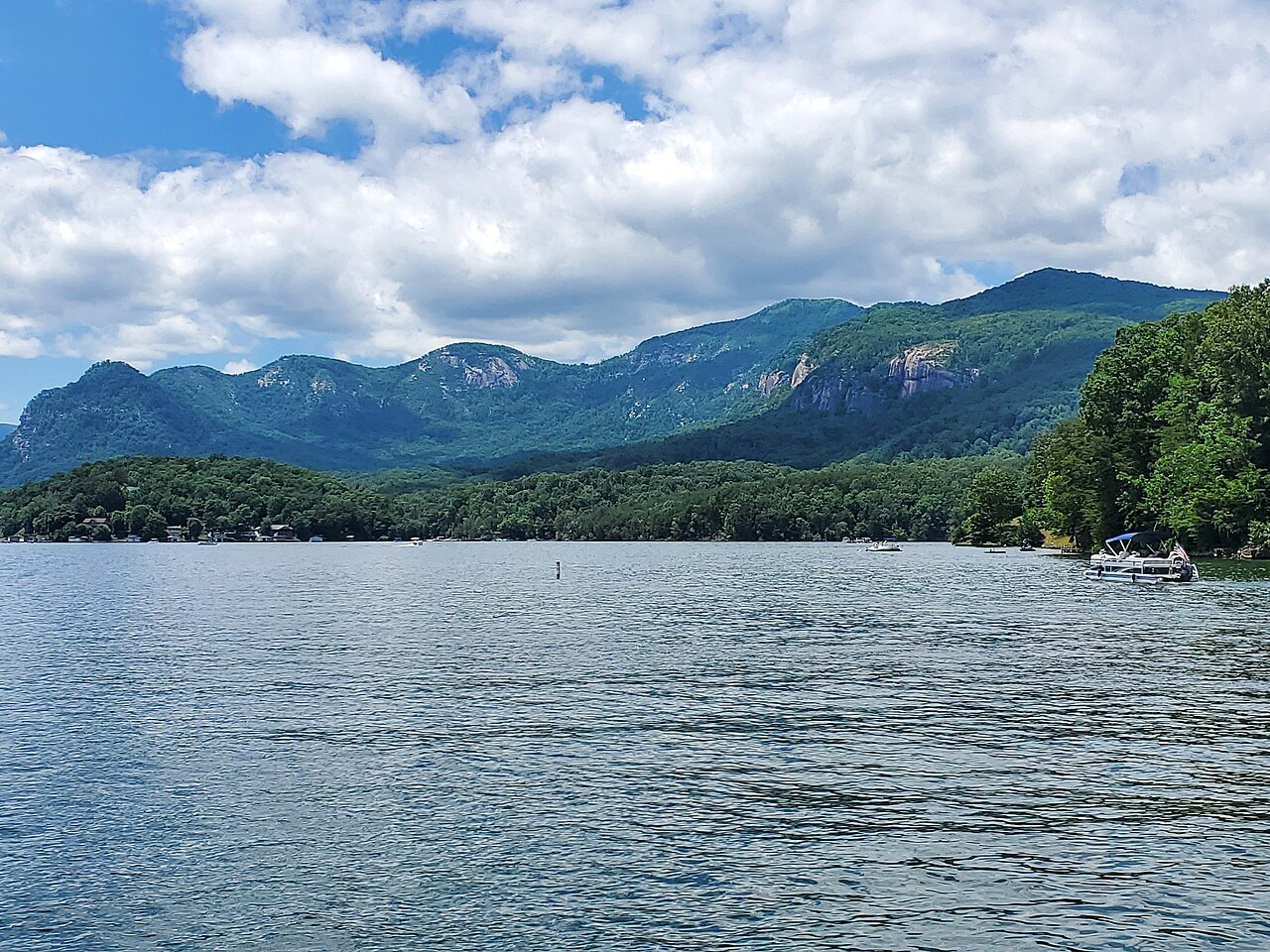
Asheville Regional Airport lies nine miles south of downtown near Fletcher, and interstates 40 and 26 cross it; the last passenger train left in 1968, though restoring the line from Salisbury has been proposed. The city's bus system, ART, runs its lines from a central station downtown, but a car is the practical way to reach the Parkway, the peaks and the waterfalls. Driving North Carolina covers the roads, and Chimney Rock and Mount Mitchell are good days out.
Nearby