THE MOUNTAINS · HICKORY NUT GORGE
Chimney Rock and Hickory Nut Gorge
Photographs: Blissvaderdong, Wikimedia Commons, CC BY-SA 4.0 · DysonsSphere, Wikimedia Commons, CC BY-SA 4.0 · bobistraveling, Wikimedia Commons, CC BY 2.0
The Mountains · landmark 7 of 21
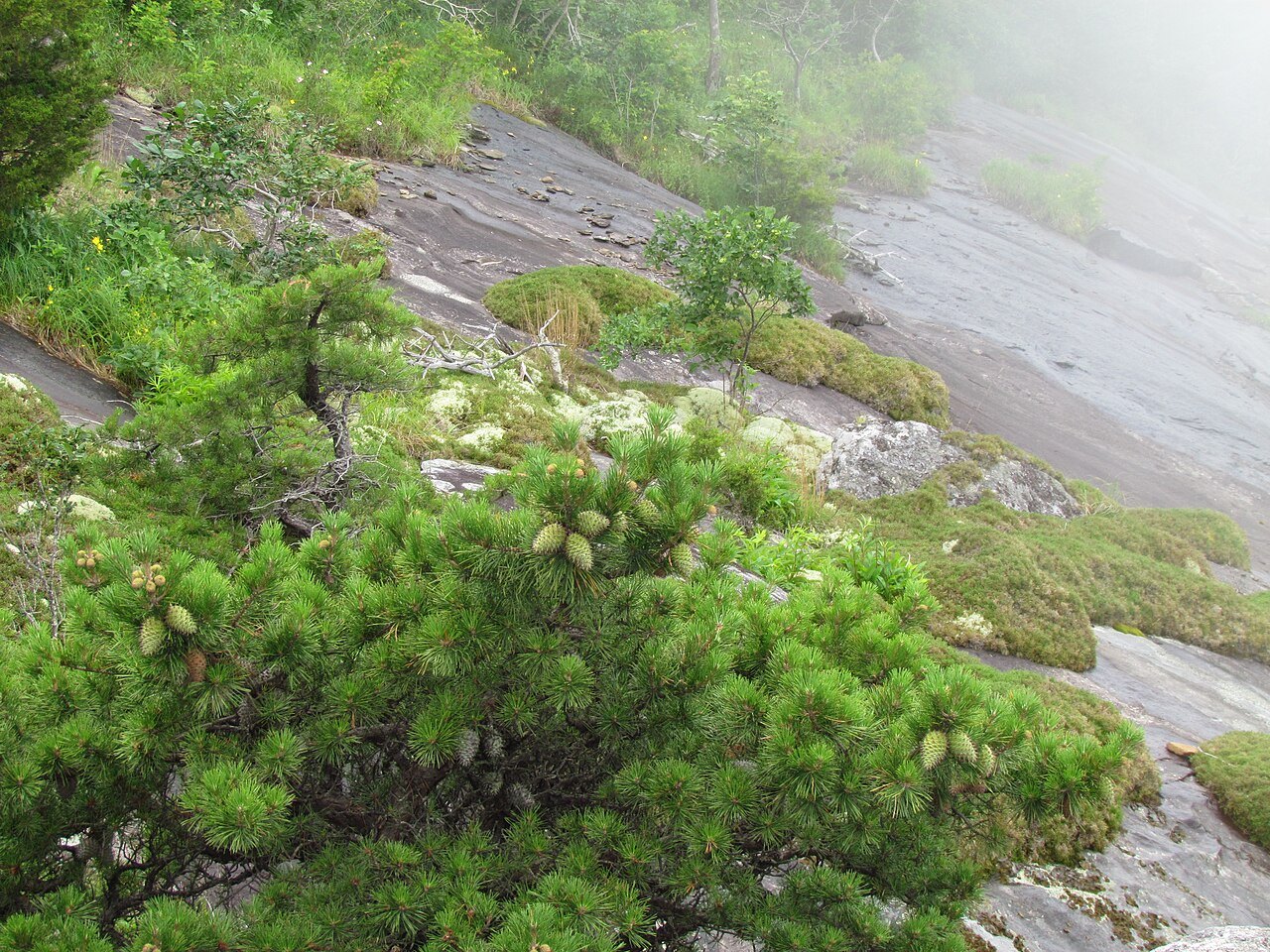
A 315-foot column of gneiss standing out from the wall of Hickory Nut Gorge, with a 404-foot waterfall beside it and Lake Lure below: a private park for a century, a state park since 2007, and the place Hurricane Helene struck hardest of all.
- The ChimneyA 315-foot monolith of gneiss on the gorge wall, with views over the park and the lake.
- Hickory Nut FallsA waterfall of 404 feet that drops down the gorge wall near the Chimney.
- Devil's HeadA balancing rock on the cliffs, seen from the park's trails.
- World's EdgeSteep slopes on the edge of the Blue Ridge Escarpment, with views out over the Piedmont.
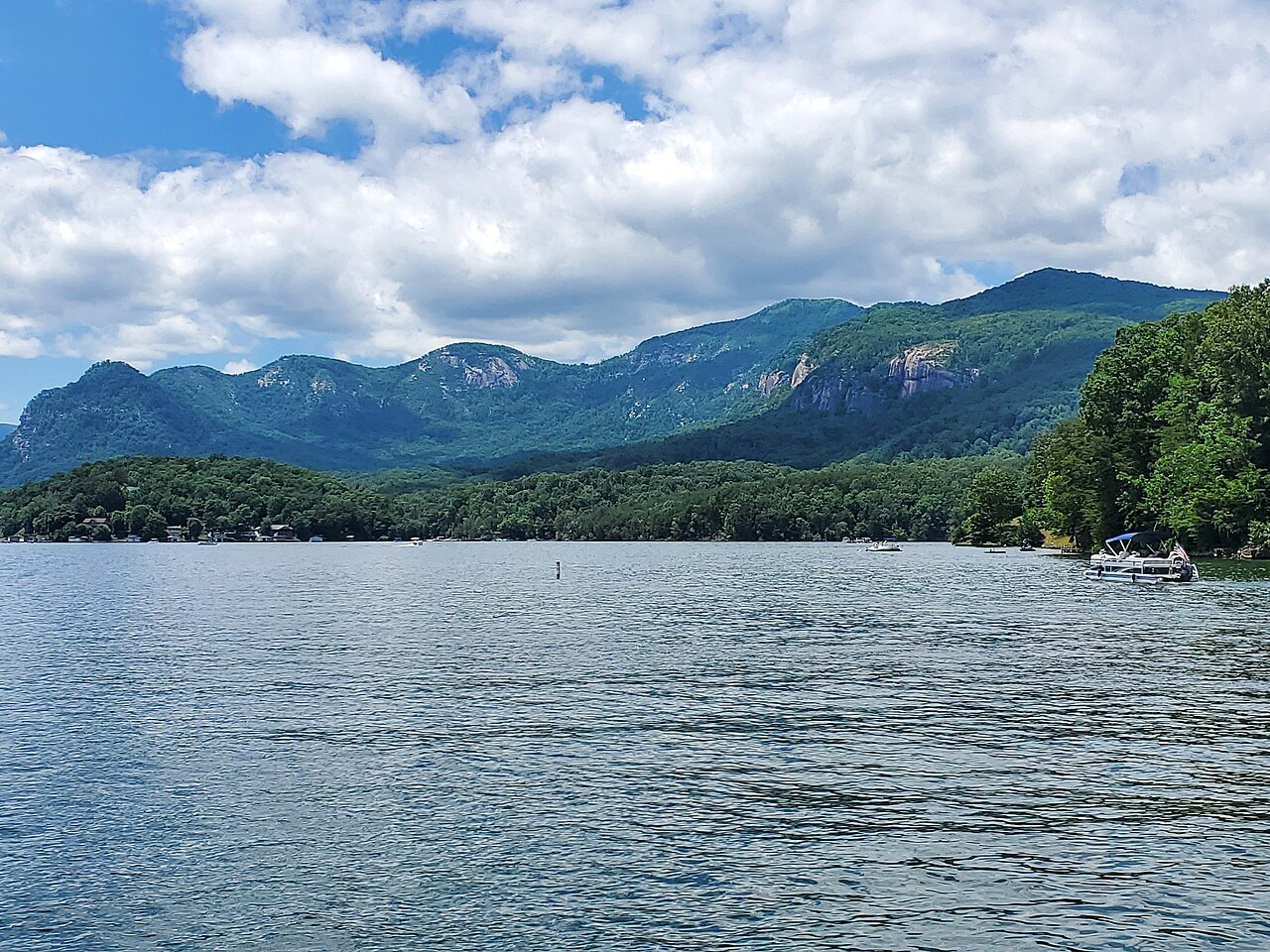
- Lake LureThe reservoir below the gorge, made by a dam on the Broad River finished in 1927.
- Rumbling BaldThe bald rock mountain across the gorge, above the north shore of the lake.
Why it matters
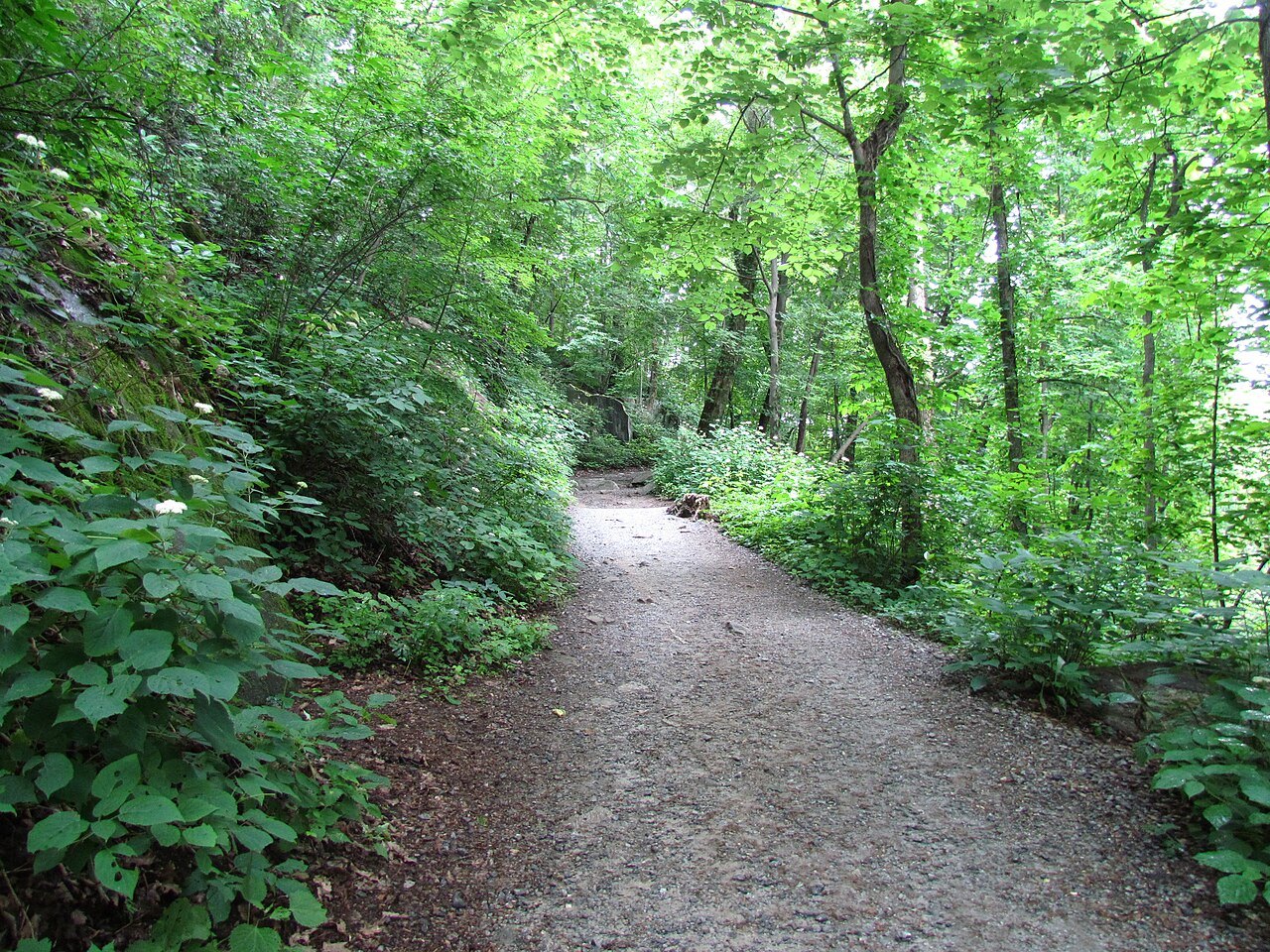
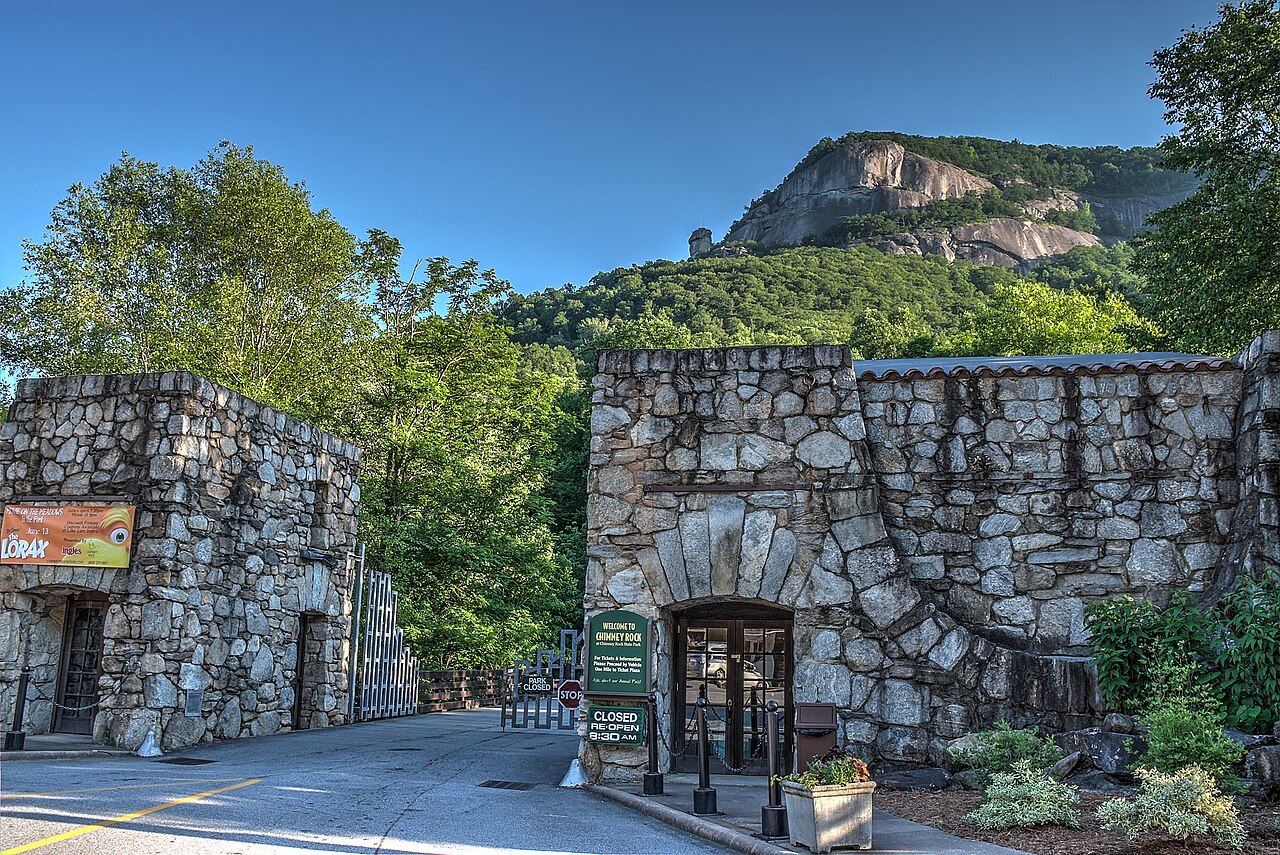
Chimney Rock State Park lies 25 miles southeast of Asheville in Rutherford County, in Hickory Nut Gorge, where the mountains break down toward the Piedmont. Its landmark is a 315-foot monolith of gneiss standing out from the gorge wall, the Chimney, which gives views over the park and the countryside. Beside it, Hickory Nut Falls drops 404 feet.
The park now covers 8,014 acres, with trails for every level of walker, the Devil's Head balancing rock and the rugged tract called World's Edge. It is also the heart of the country Hurricane Helene damaged most in 2024, and a visit today is partly a visit to a recovery.
How the rock was made
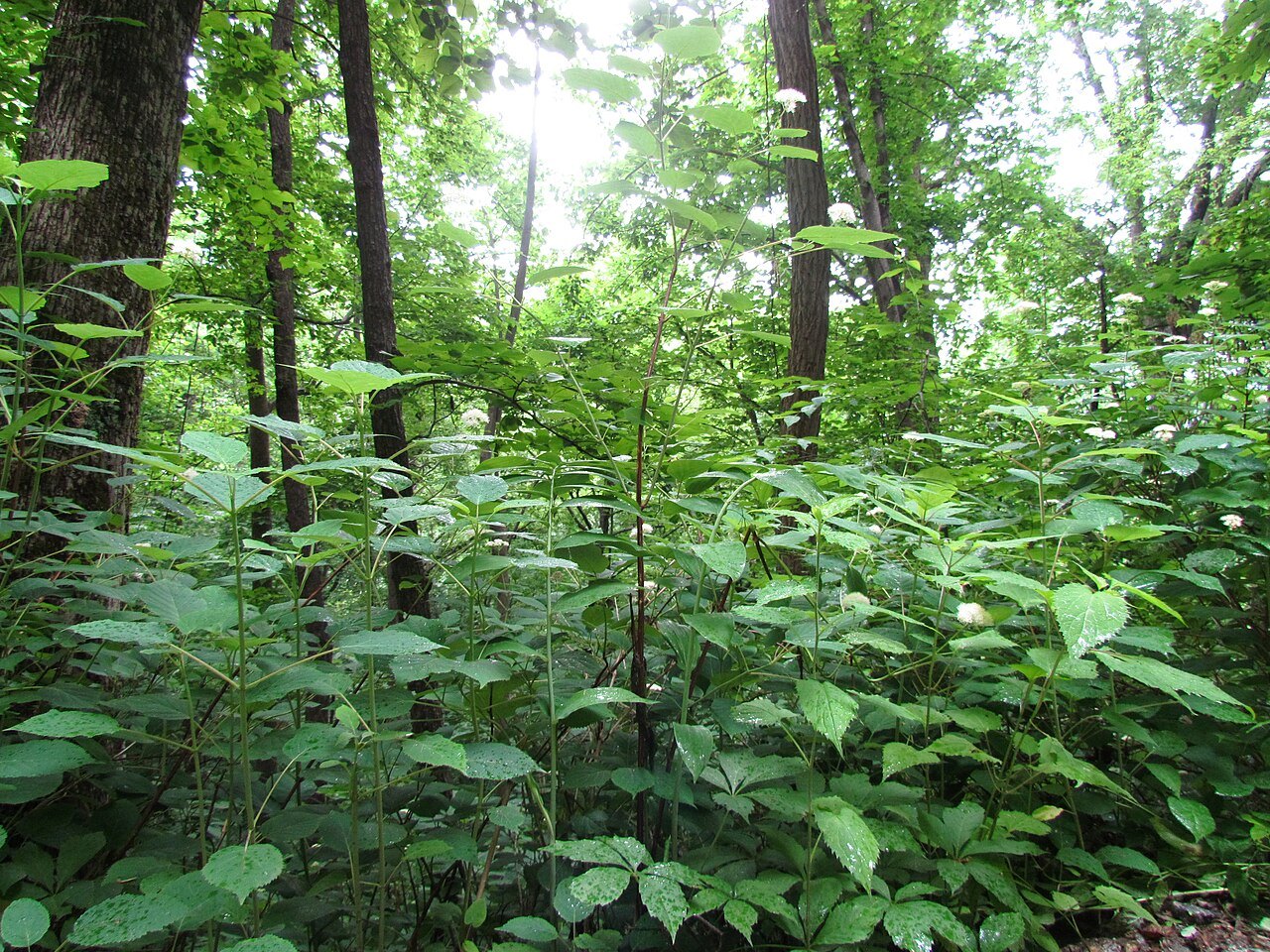
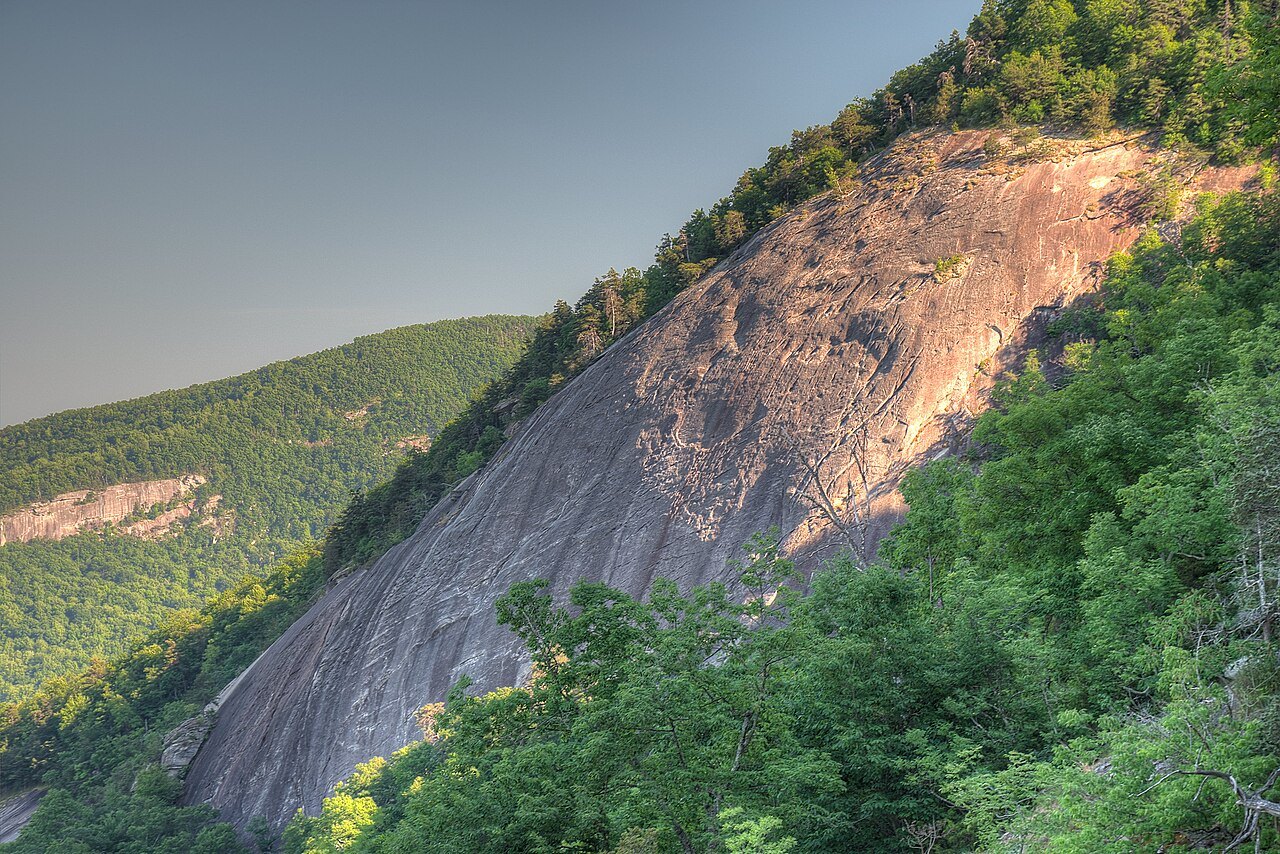
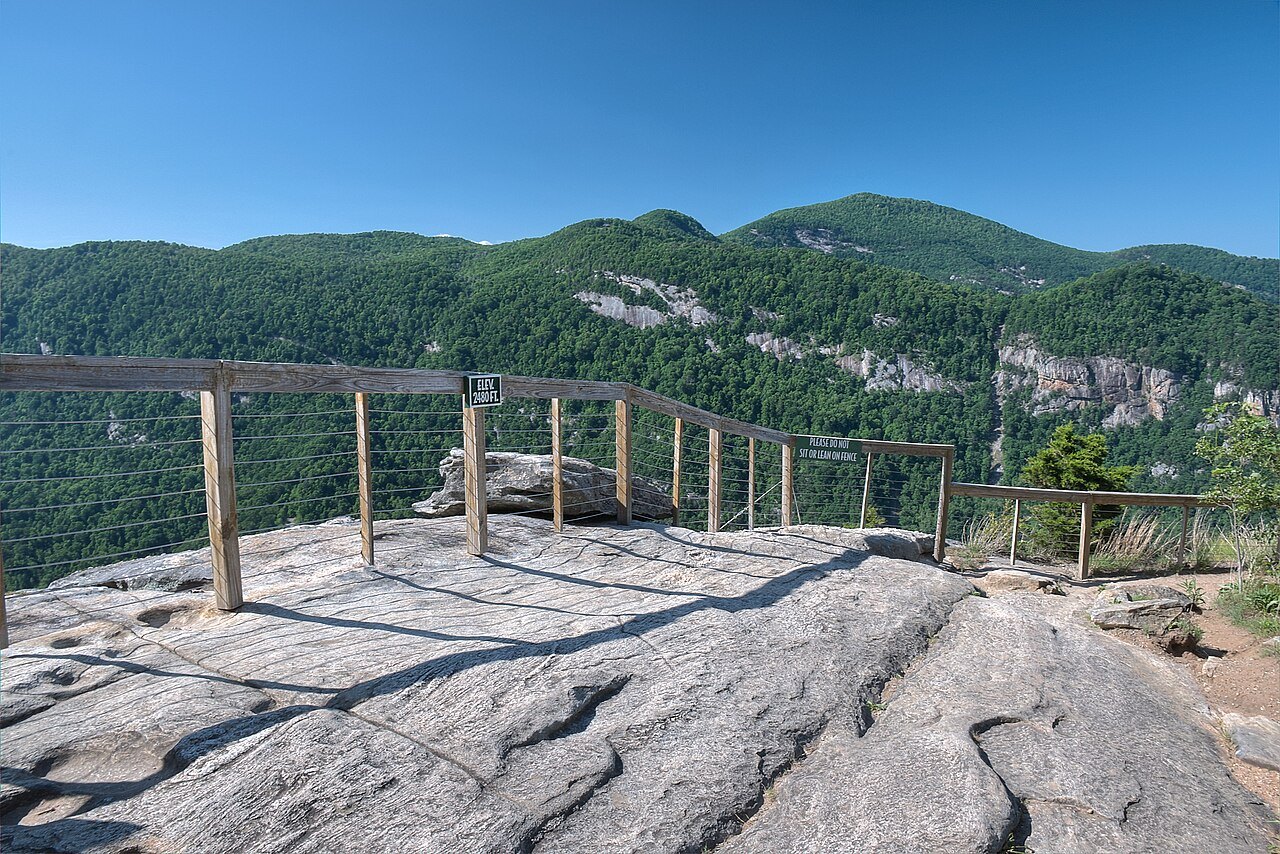
The gorge is cut into Henderson Gneiss, a massive, coarse-grained rock that was granite before it was metamorphosed. Because it is so solid and unfractured, it breaks along a few joints into big smooth faces, the exfoliated domes called balds that rim the valley, and into large blocks that fall away and leave caves among the talus.
Erosion along those joints left the Chimney standing apart from the cliff. The upper slopes of Chimney Rock Mountain and neighboring Sugar Loaf Mountain are capped by older rocks pushed westward over the gneiss along a thrust fault, which is why the tops of the mountains look different from their walls.
The same breaking of the rock made the fissure caves of the gorge, among them Bat Cave, which gave its name to the hamlet at the head of the valley, and Gneiss Cave. No ore of any value has been found in these rocks, so the gorge was never mined.
A family park for a century
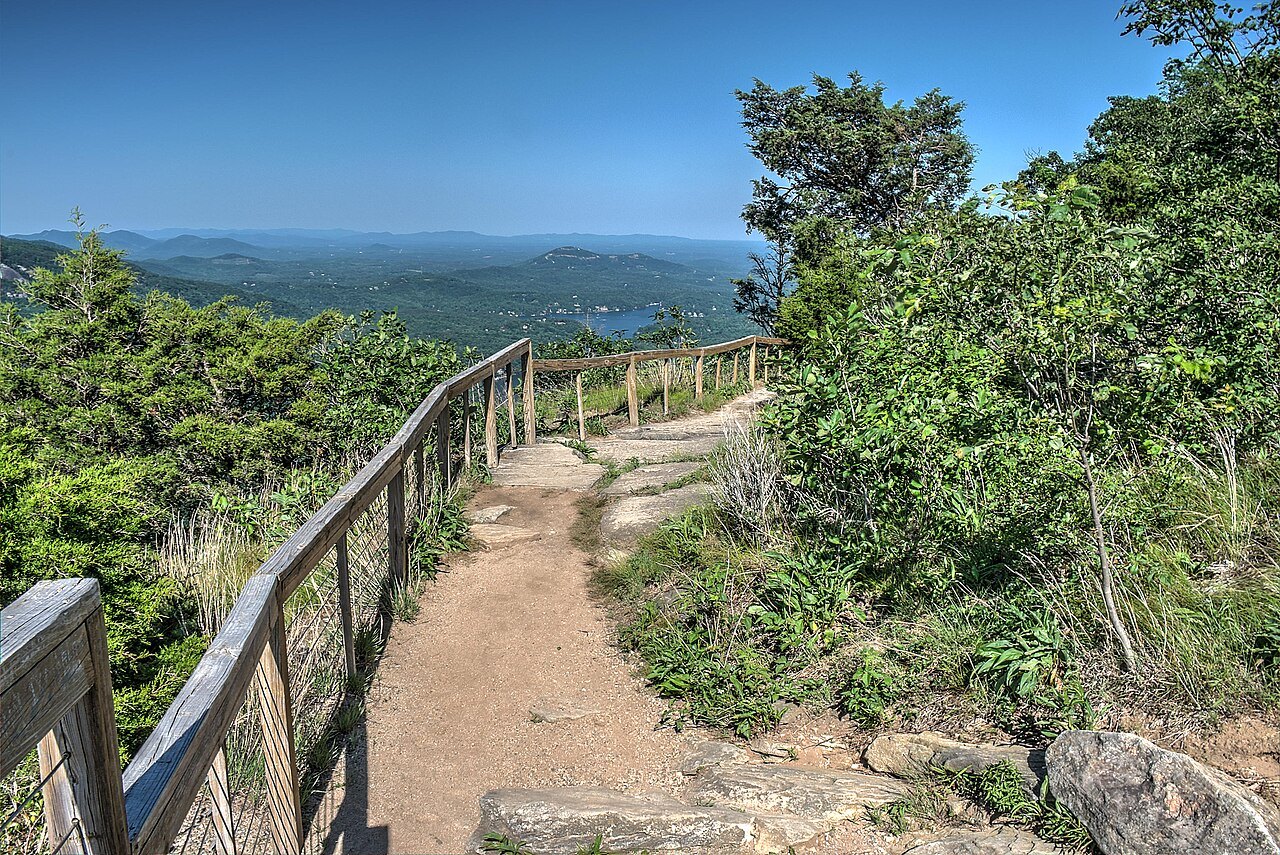
In 1902 Lucius B. Morse bought 64 acres on Chimney Rock Mountain, the Chimney and its cliffs included, from a state legislator and land speculator. Morse and his family ran Chimney Rock Park as a private park from 1902 to 2007, buying small tracts until it reached 996 acres. His brothers joined him in buying more land in the gorge, and his wife, Elizabeth, is credited with naming the lake.
When the land was put up for sale in 2006, many feared it would go to developers. The state had already authorized a Hickory Nut Gorge State Park in 2005, and conservation groups had bought the 1,568-acre World's Edge tract south of the lake for it. In 2007 the state and the Morse family agreed a purchase, and the legislature renamed the new park Chimney Rock State Park.
What you see
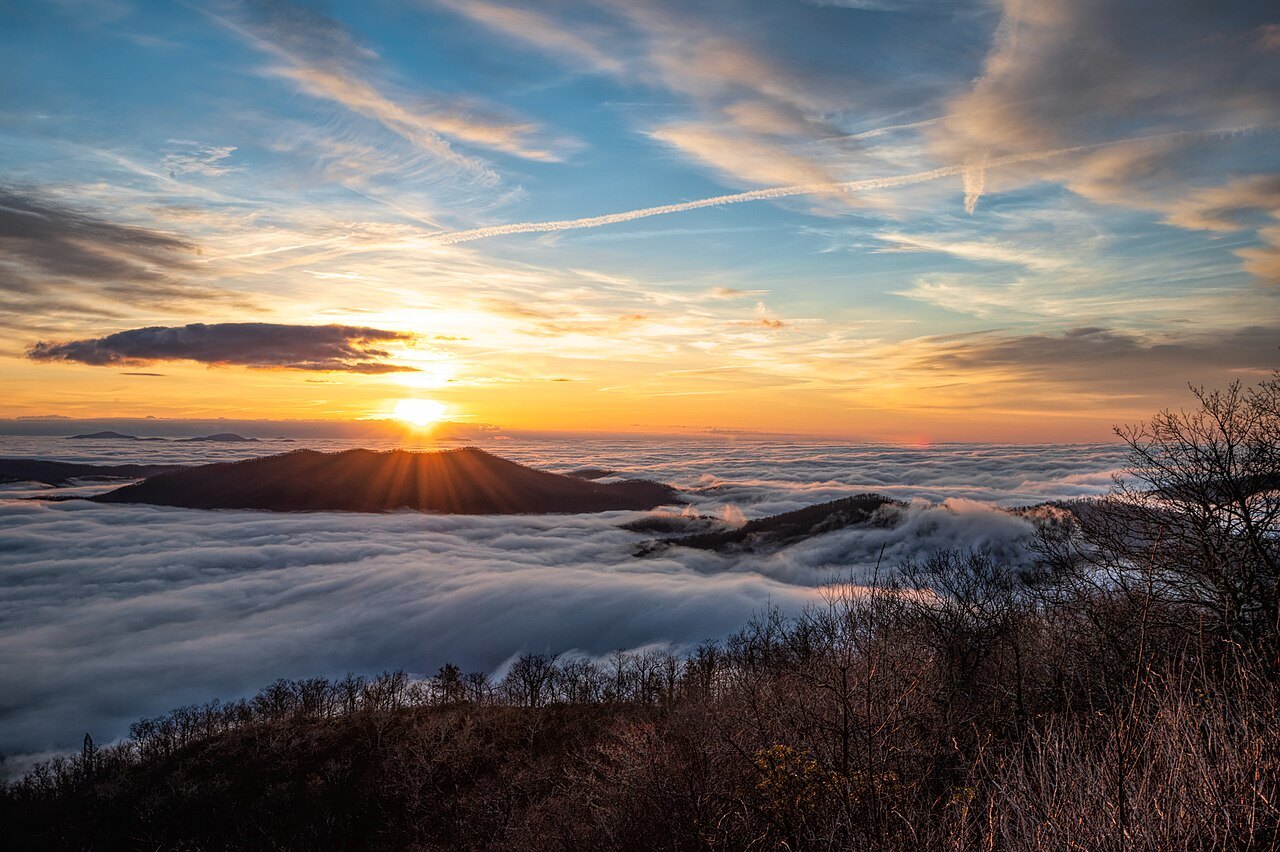
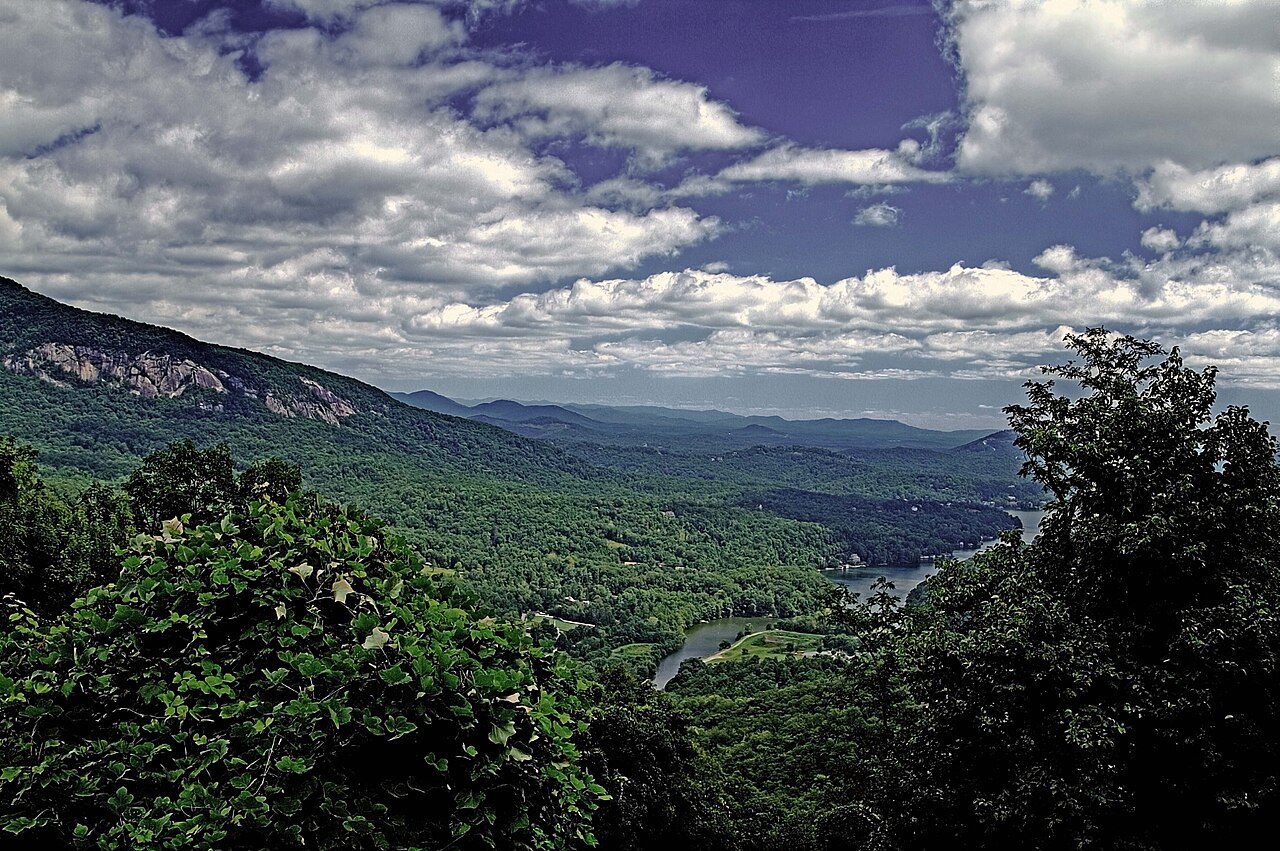
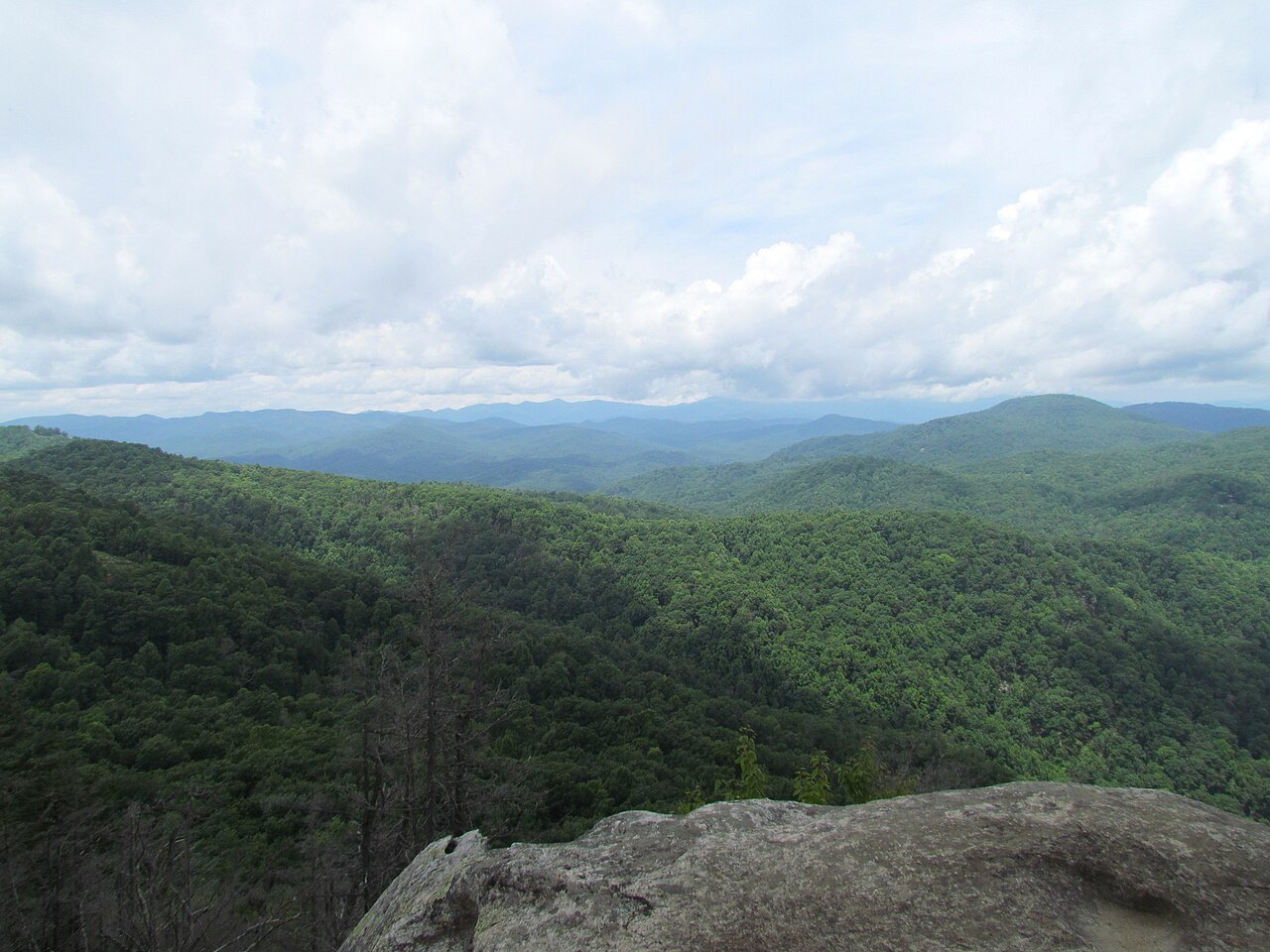
From the Chimney the view runs down Hickory Nut Gorge to Lake Lure and out toward the Piedmont. The park has long been known for the elevator that carries visitors up to the Chimney, and trails lead along the cliffs to the Devil's Head and to Hickory Nut Falls.
World's Edge, on the eastern edge of the Blue Ridge Escarpment, is a mile-long run of steep slopes with more than 20,000 feet of streams and waterfalls; from its overlook the land falls away to the Piedmont. It shelters rare flowers, endangered bats and salamanders, cave-dwelling invertebrates and peregrine falcons.
Lake Lure and the films
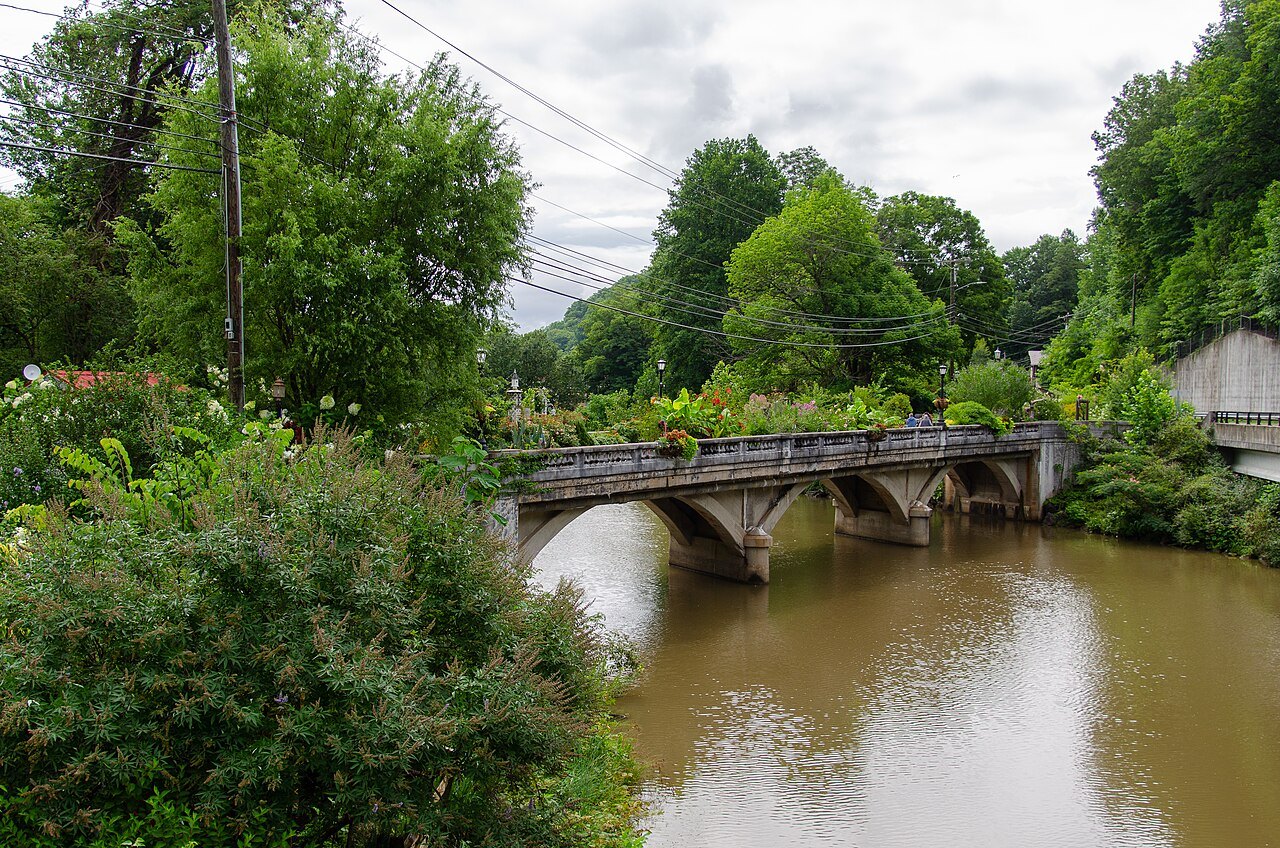
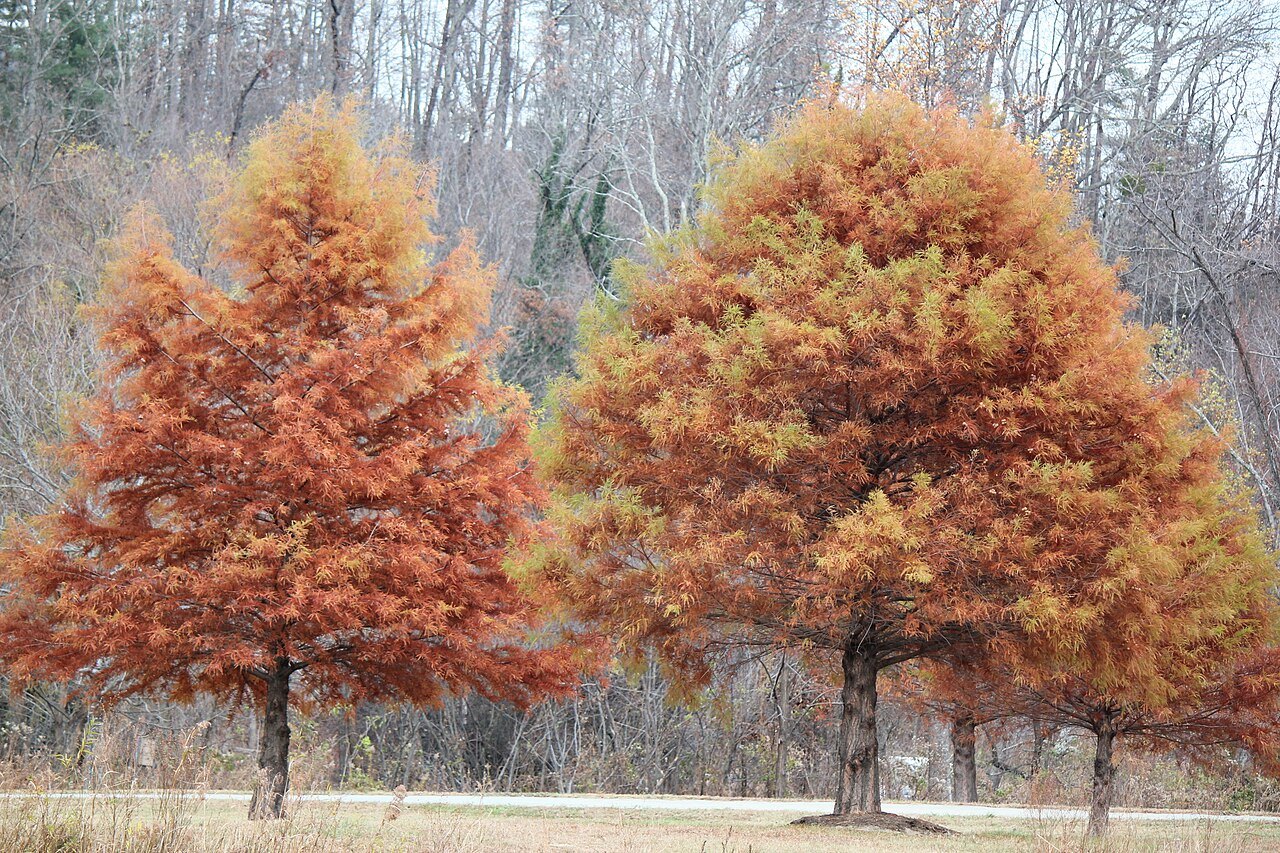
In 1925 the Morse family formed a power company and built a dam on the Broad River; the lake behind it filled in 1927 and covers about 720 acres, and the town of Lake Lure, incorporated the same year, took its name; the town bought the lake itself in 1965, and about 1,400 people live there year round. The old Rocky Broad River Bridge of 1925 reopened in 2013 as the Lake Lure Flowering Bridge, planted with gardens along its span.
The gorge has a long film history. Lake Lure was a main location for Dirty Dancing, and scenes of The Last of the Mohicans, including its final 17 minutes, were filmed at Chimney Rock and in Hickory Nut Gorge. Rumbling Bald, across the gorge, is a resort and climbing area on the foothills above the lake.
Helene in Hickory Nut Gorge
In late September 2024 the remnants of Hurricane Helene dropped record rain on western North Carolina; more than 19 inches fell upstream of Chimney Rock. The floodwater down the Rocky Broad River largely destroyed the village of Chimney Rock, taking about half of it by the rescue crews' account, and carried debris, docks and boats into Lake Lure. Chimney Rock was among the most severely damaged towns in the state.
The state park lost its entire access bridge and closed. It reopened on June 27, 2025. Recovery in the village and around the lake has continued since, and tourism, which the town depends on, has been part of it.
Helene was not the valley's first test. Its tourism, on which the town of Lake Lure depends, had already come through the Party Rock wildfire and the pandemic before the flood.
How to visit
US 64 runs past the park on its way between Hendersonville and Forest City, and the stretch centered on Bat Cave is a state scenic byway, the Black Mountain Rag. Because Helene reshaped the valley, check the state park's own site before you go for the trails, overlooks and facilities you want, and allow for road work on the way in.
Combine the park with Lake Lure, and with Asheville and Biltmore to the west; Where to Stay covers the bases nearby. The park's facilities have been rebuilt in stages, so plan the day around what the park lists as open rather than older guides.
Nearby