SALEM'S HIDDEN HISTORY UNCOVERED
What was the Hidden Town Project in Old Salem?
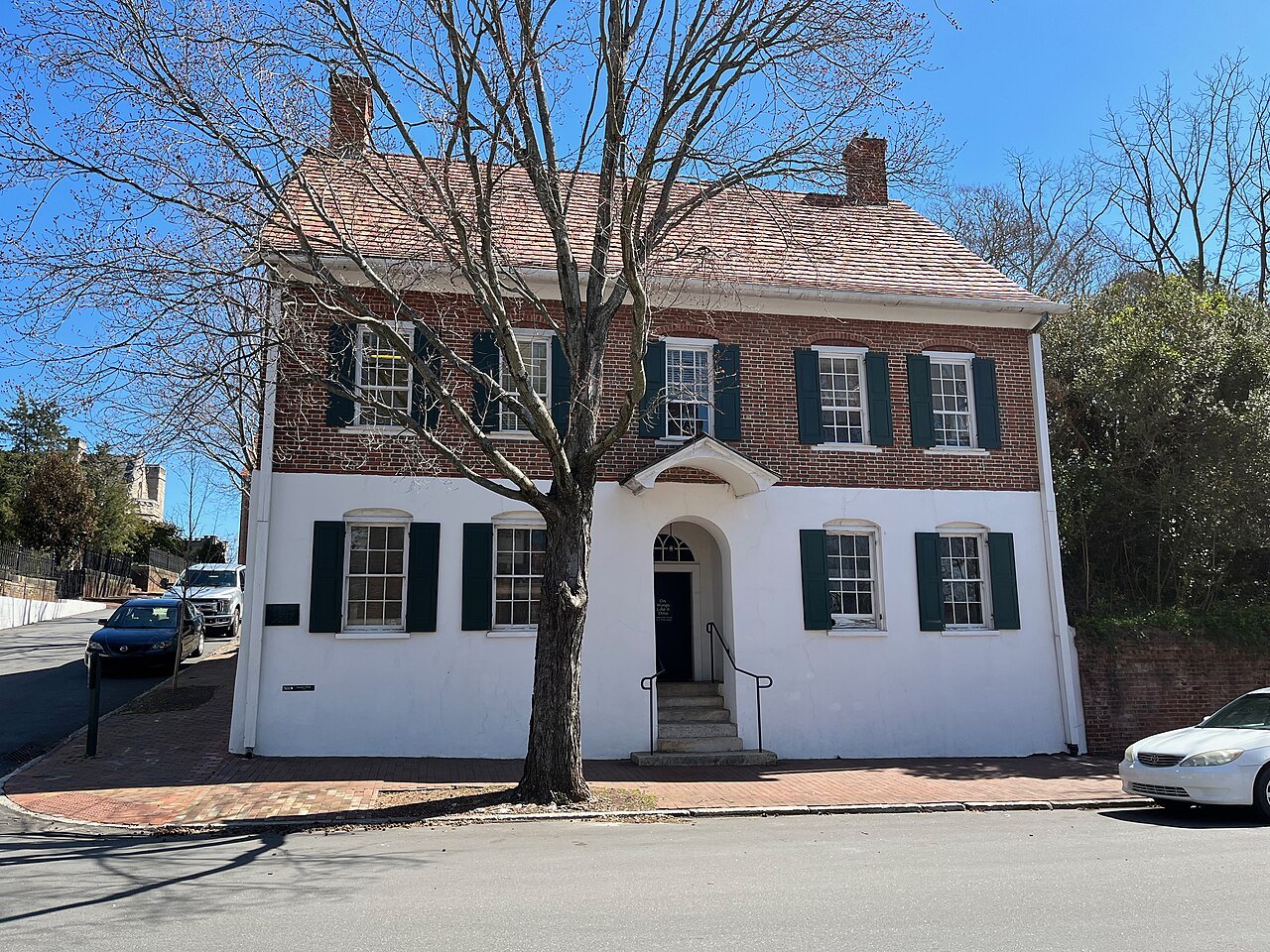
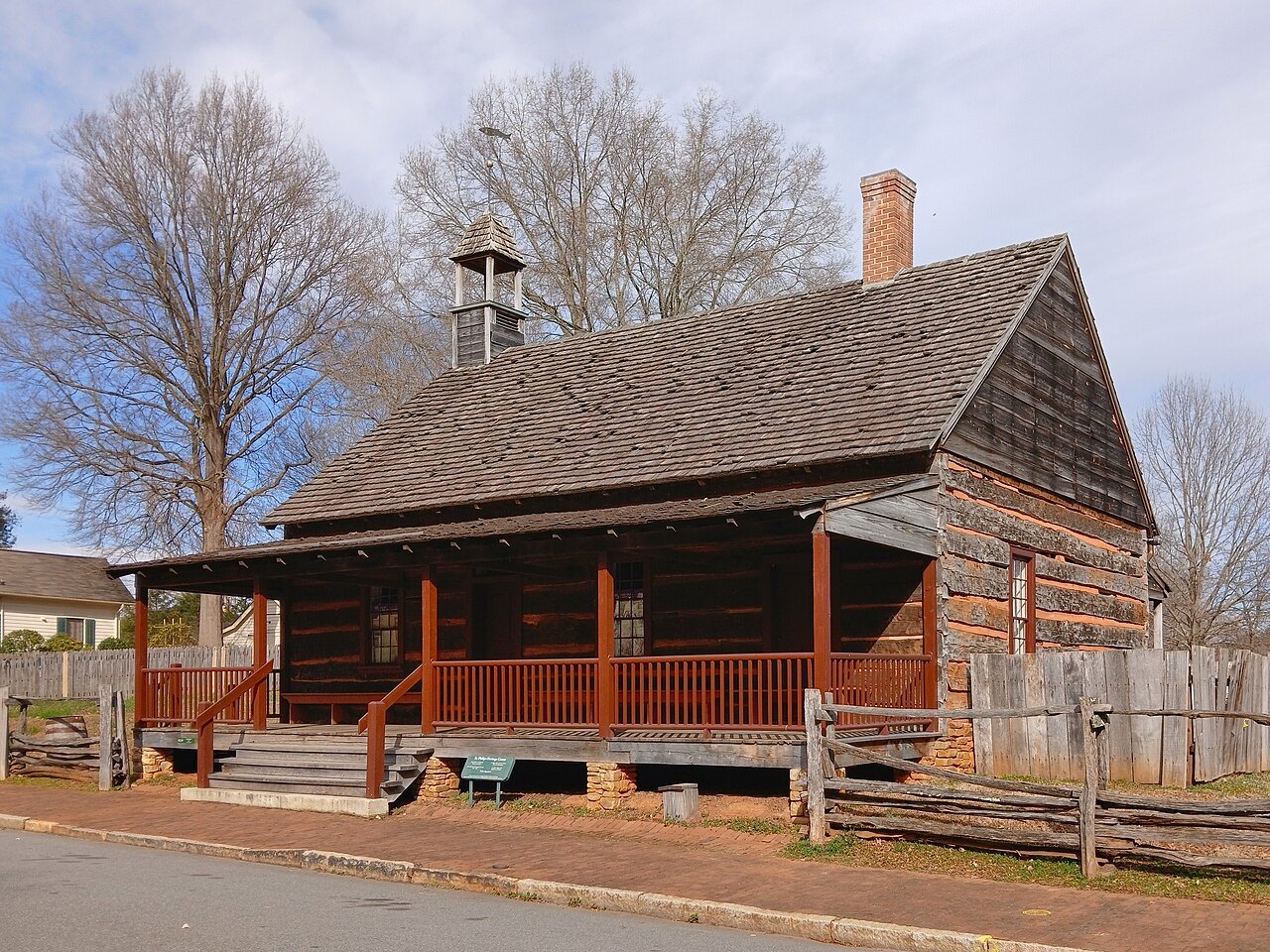
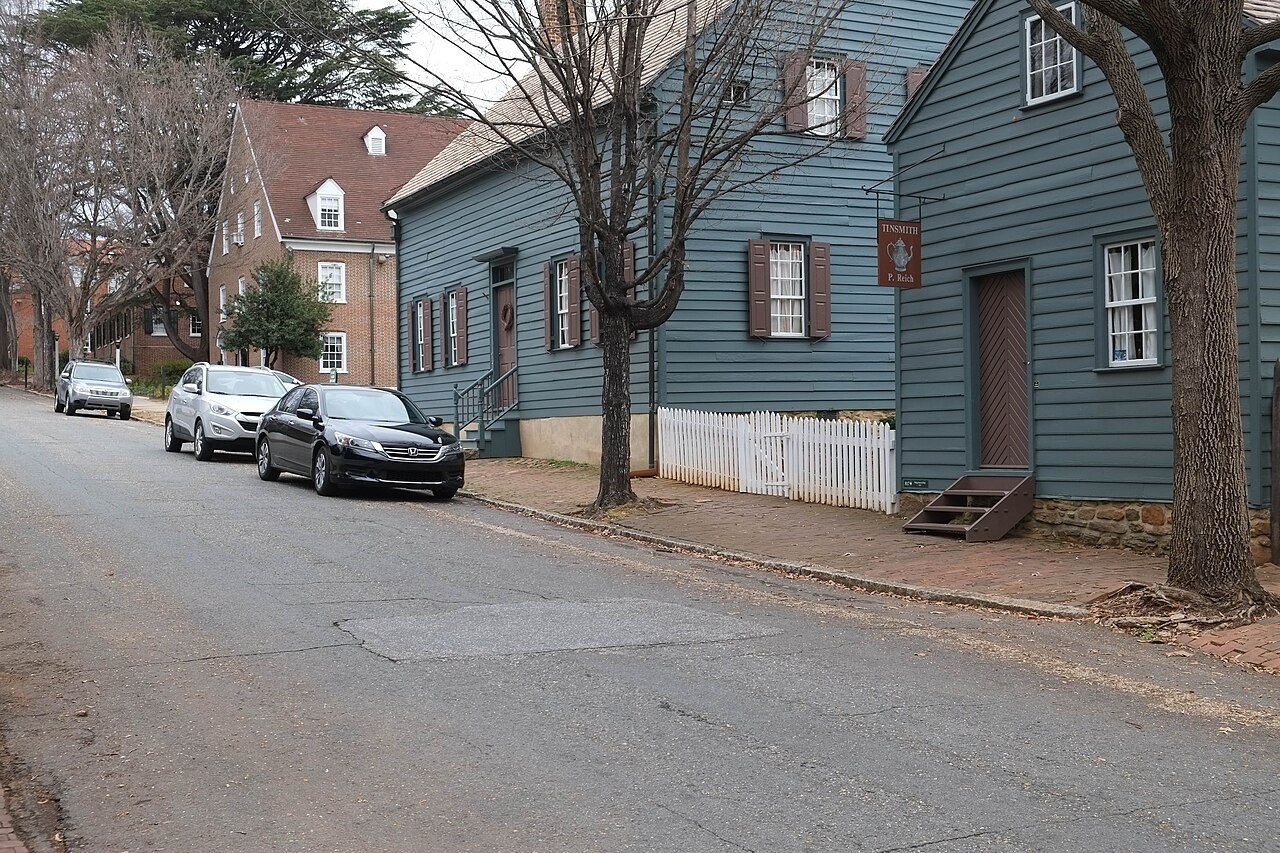
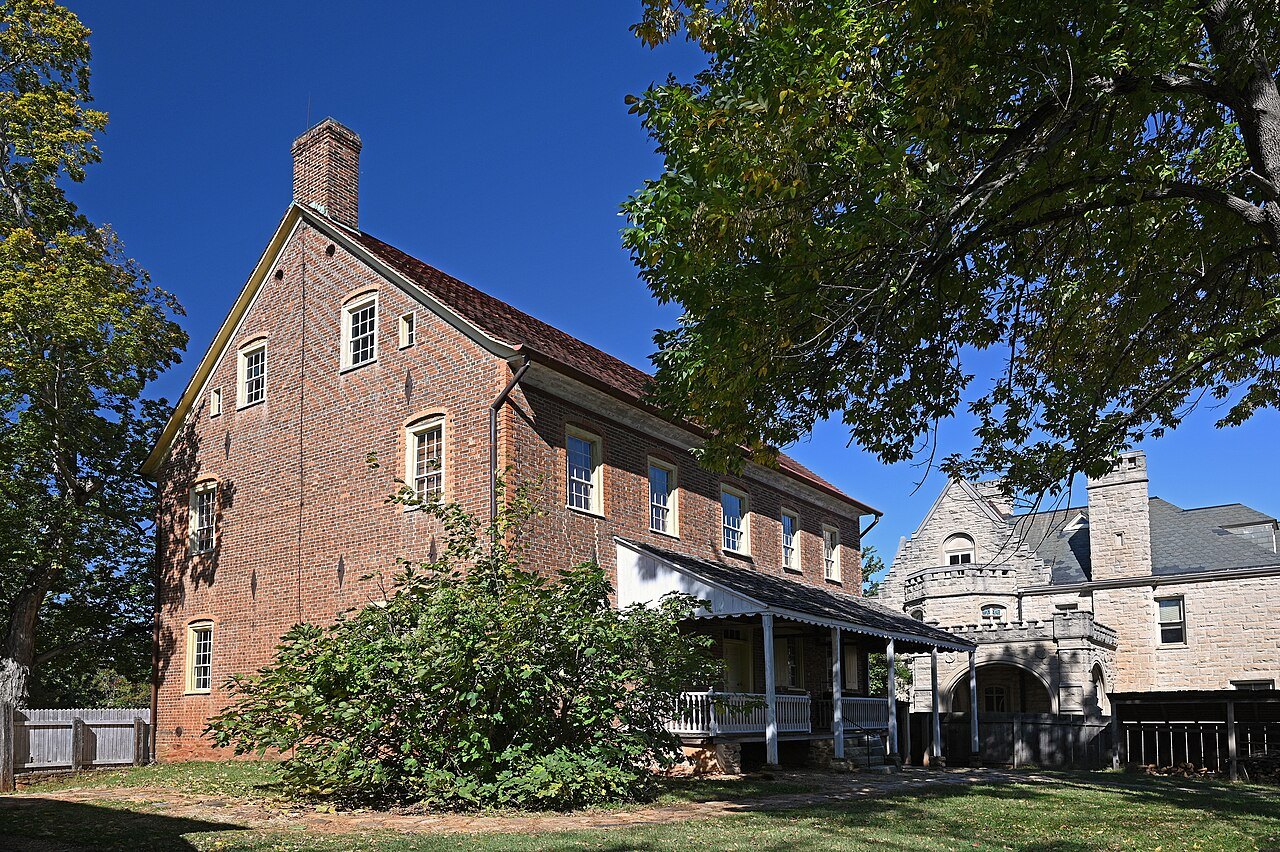
Photographs: Cbaile19, Wikimedia Commons, CC0 · Seasider53, Wikimedia Commons, CC BY-SA 4.0 · Cbaile19, Wikimedia Commons, CC0
How a Winston-Salem research project has worked to recover the enslaved and free Black lives woven into Old Salem's Moravian history.
What the Hidden Town Project set out to do
Since 2016 the Hidden Town Project has researched Salem's African American population, piecing together who lived in the town between 1790 and 1860. Researchers have worked to locate the sites where enslaved people actually lived, counting households that earlier histories of Old Salem had left out, and have worked with their descendants to bring that record into what visitors see and hear on a tour.
Old Salem was built from 1766 as a planned Moravian church town, its land all owned by the congregation and leased out for building. The trades that make the district famous today, the tinsmiths, bakers and cobblers, depended on a wider workforce, and that workforce included enslaved men and women held by the church and by individual Moravian families.
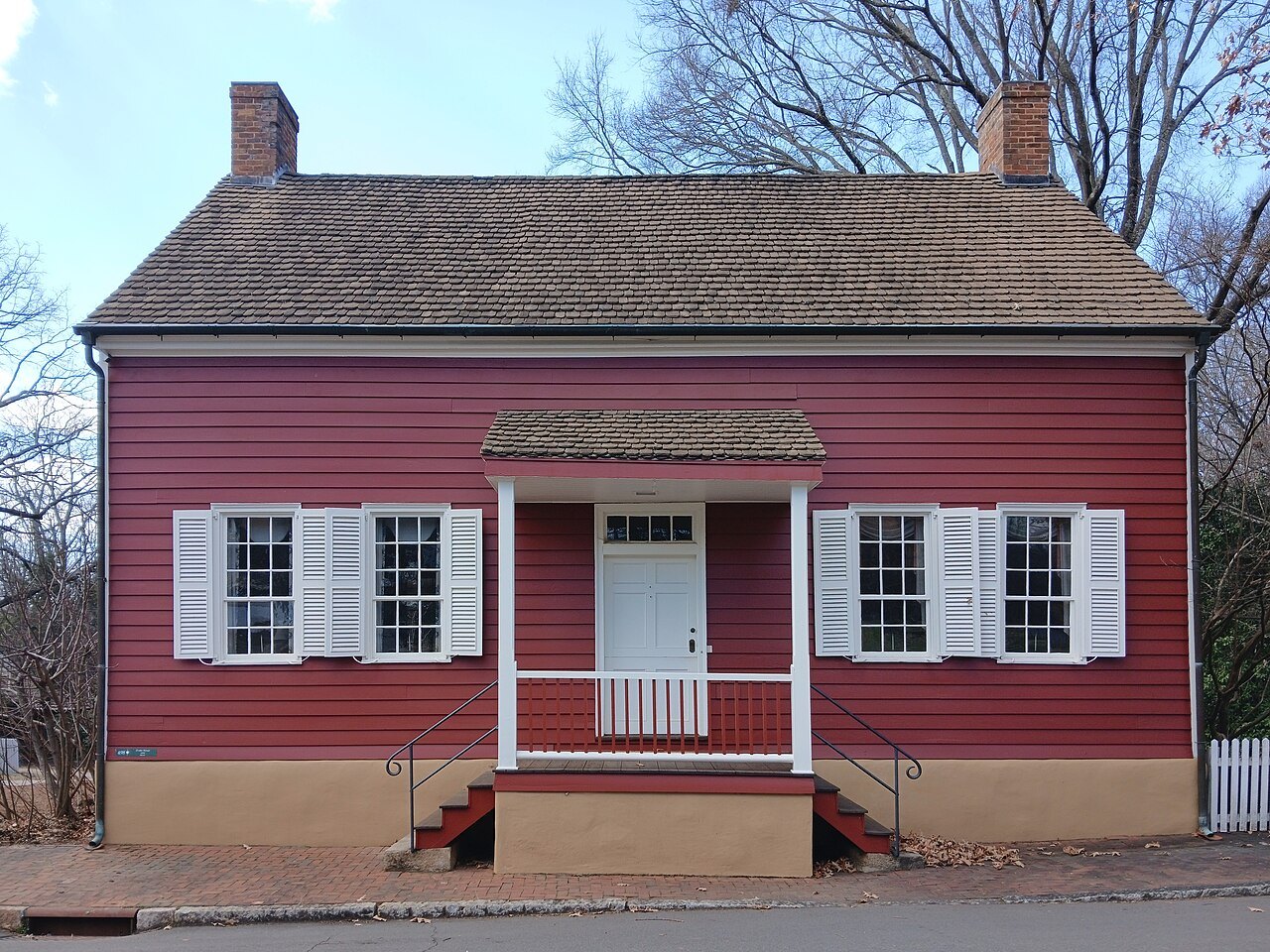
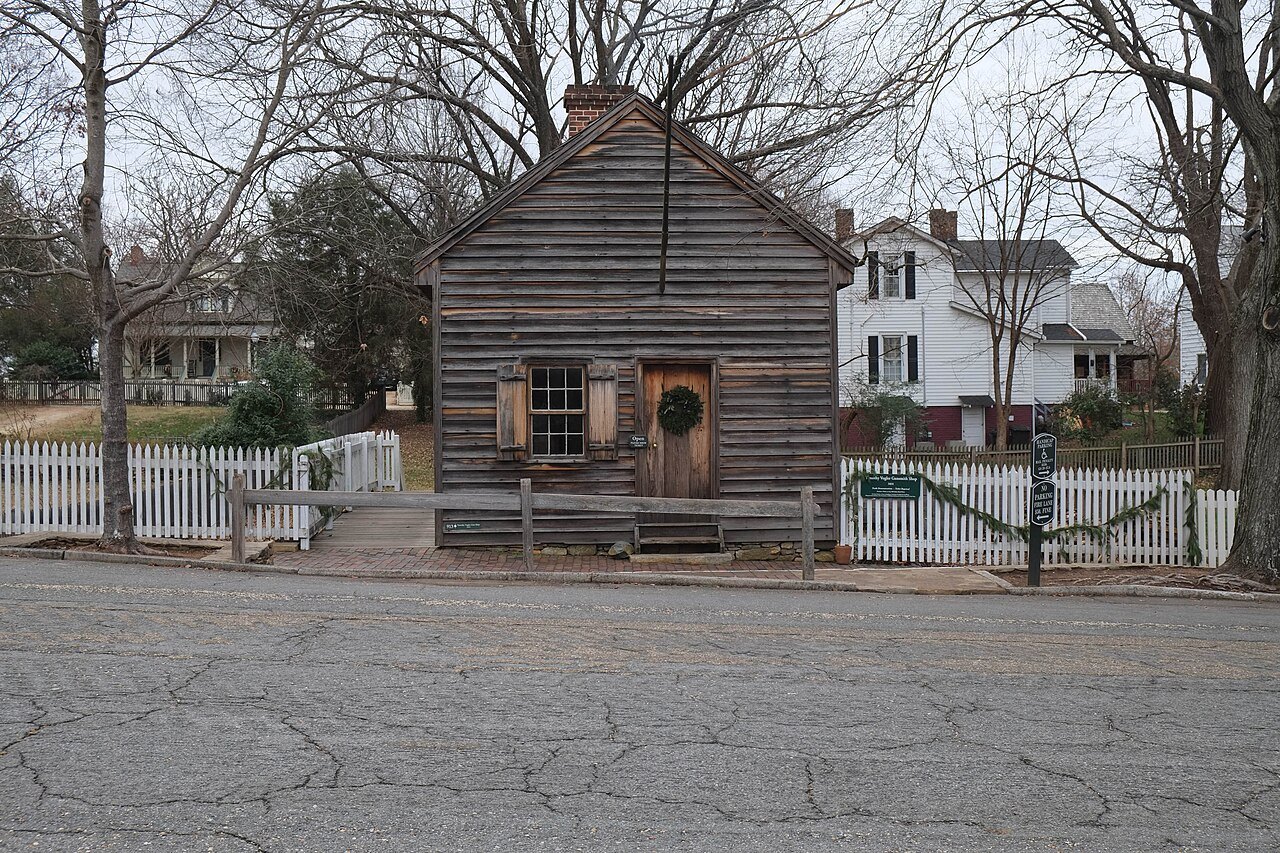
The project's aim was not to add a single marker but to change the account the museum gives of the whole town, matching names, dwellings and trades, where the sources allow it, to people who lived and worked around Salem Square and along Main Street alongside the master craftsmen visitors meet today.
Enslaved people in a planned church town
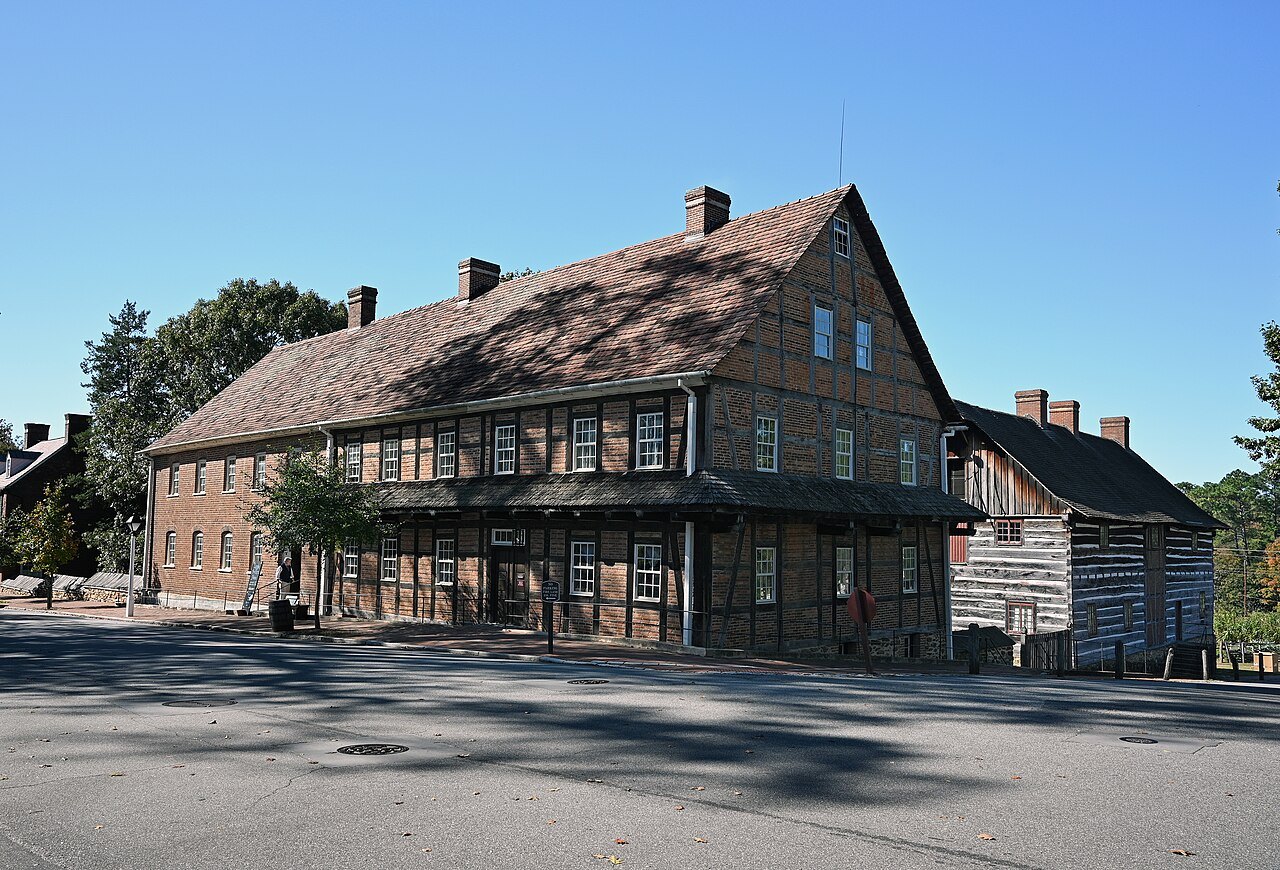
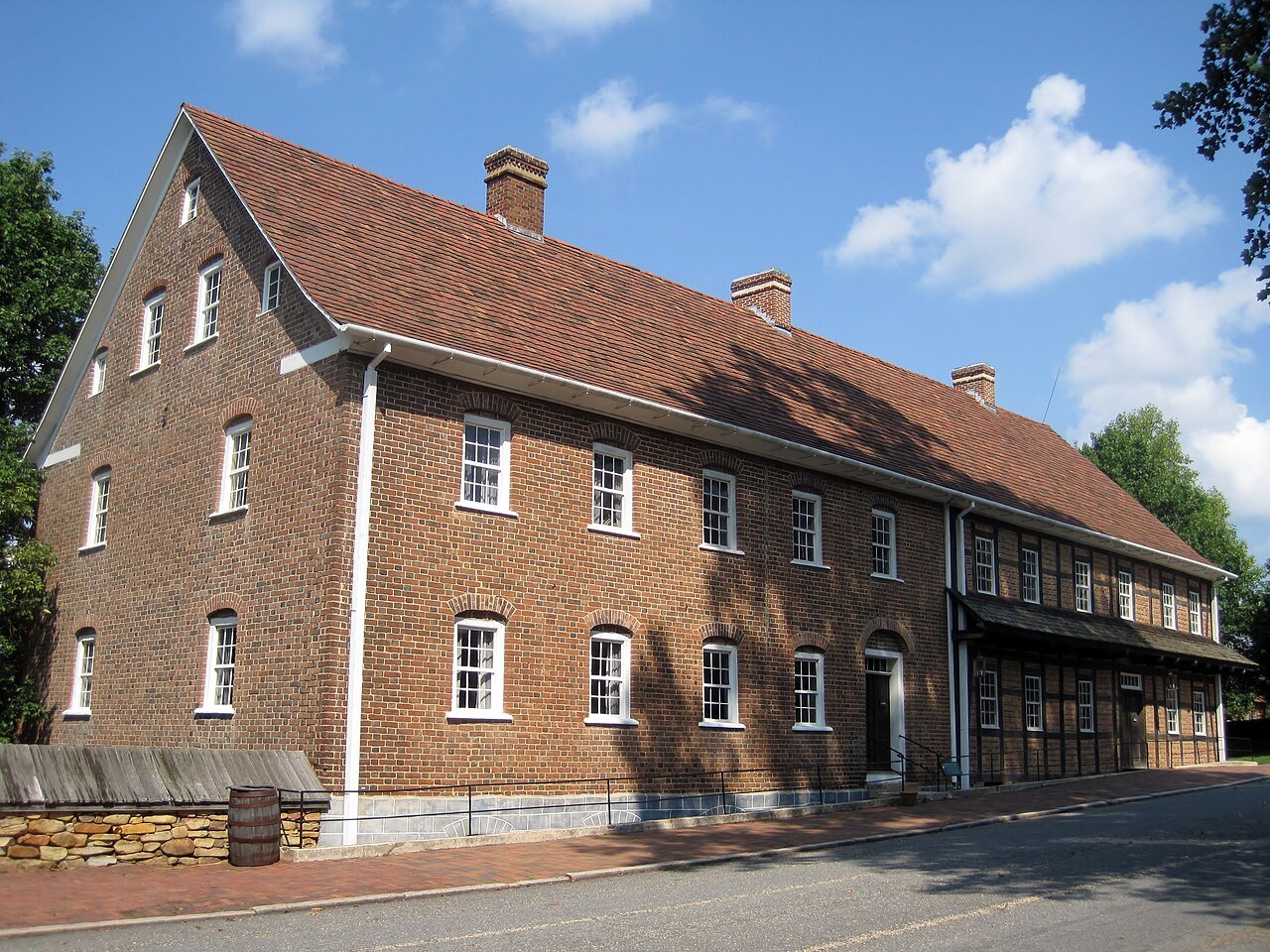
The Moravian Church governed Salem's property and its people, grouping the free congregation into choirs by age and sex and housing unmarried men in the Single Brothers' House. Enslaved people lived within this same structure, without choir membership, their labor supporting the workshops, the tavern and the farms of the surrounding congregation towns.
The Moravians taught some enslaved members of the community to read and trained a number of them in trades, a fact the church itself recorded. The Hidden Town Project has used such records, along with land and tax documents, to recover addresses and names the standard tour of the restored shops did not include.
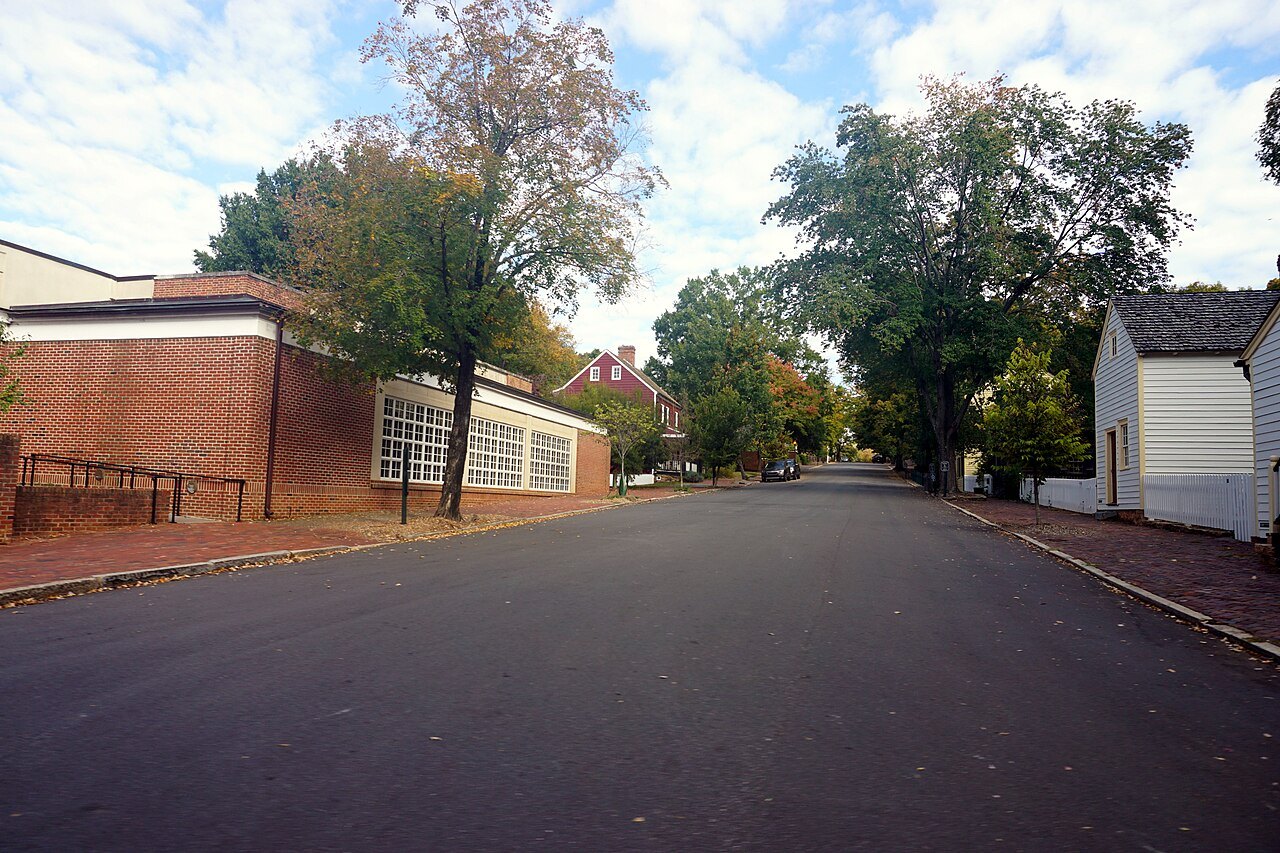
That work has produced newly identified dwellings within the historic district and a fuller count of the people held in Salem across the decades the project covers, figures that now inform the exhibits and the training given to interpreters who staff the trade shops and lead visitors across the square and along Main Street.
Descendants of people enslaved in Salem have taken part in the research, reviewing findings and helping decide how the story is presented. That collaboration sets the project apart from an archive closed to scholars, since its work is built directly into what a visitor hears on a walk through the square and inside St. Philip's Church.
St. Philip's Church and emancipation
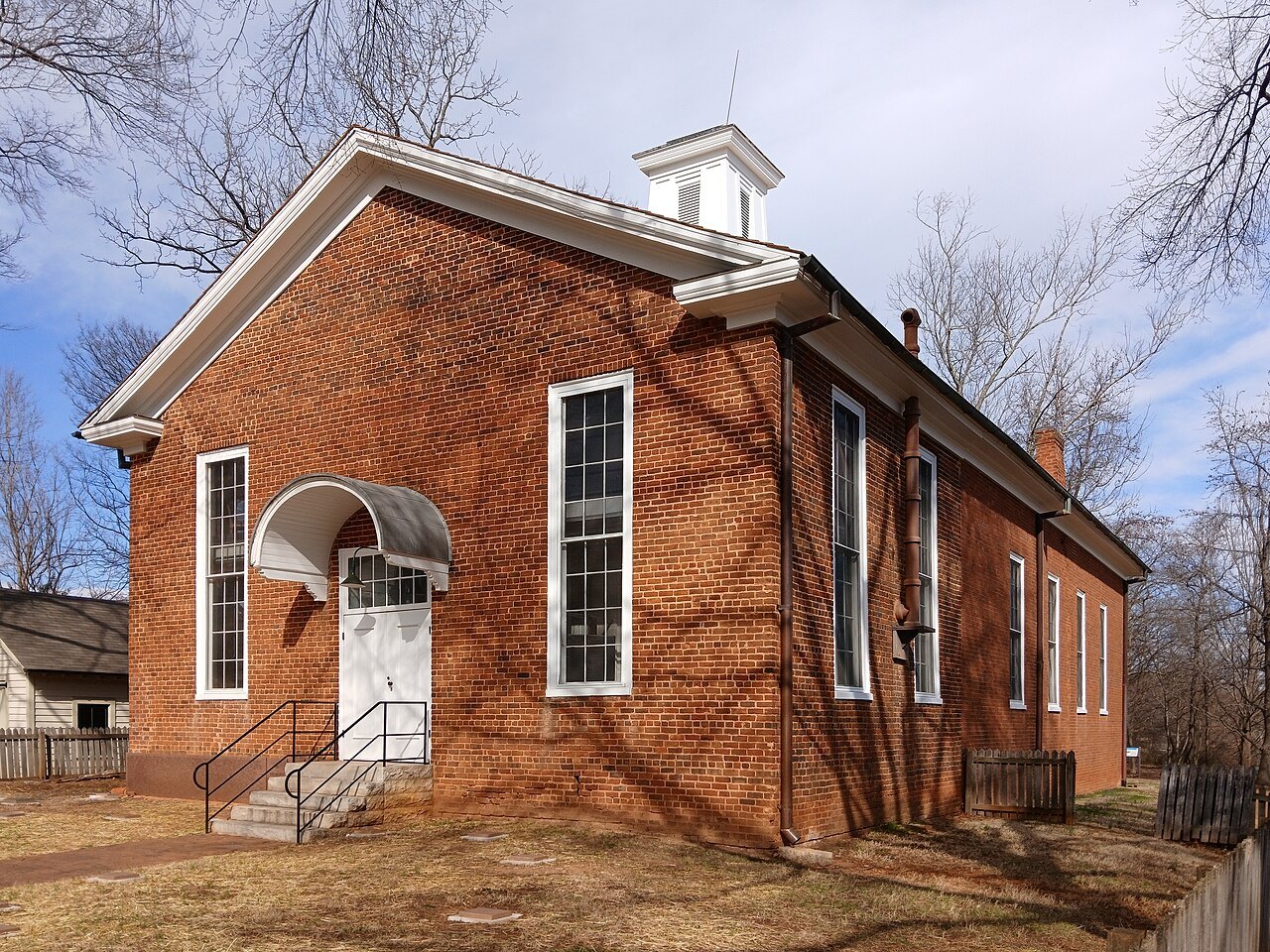
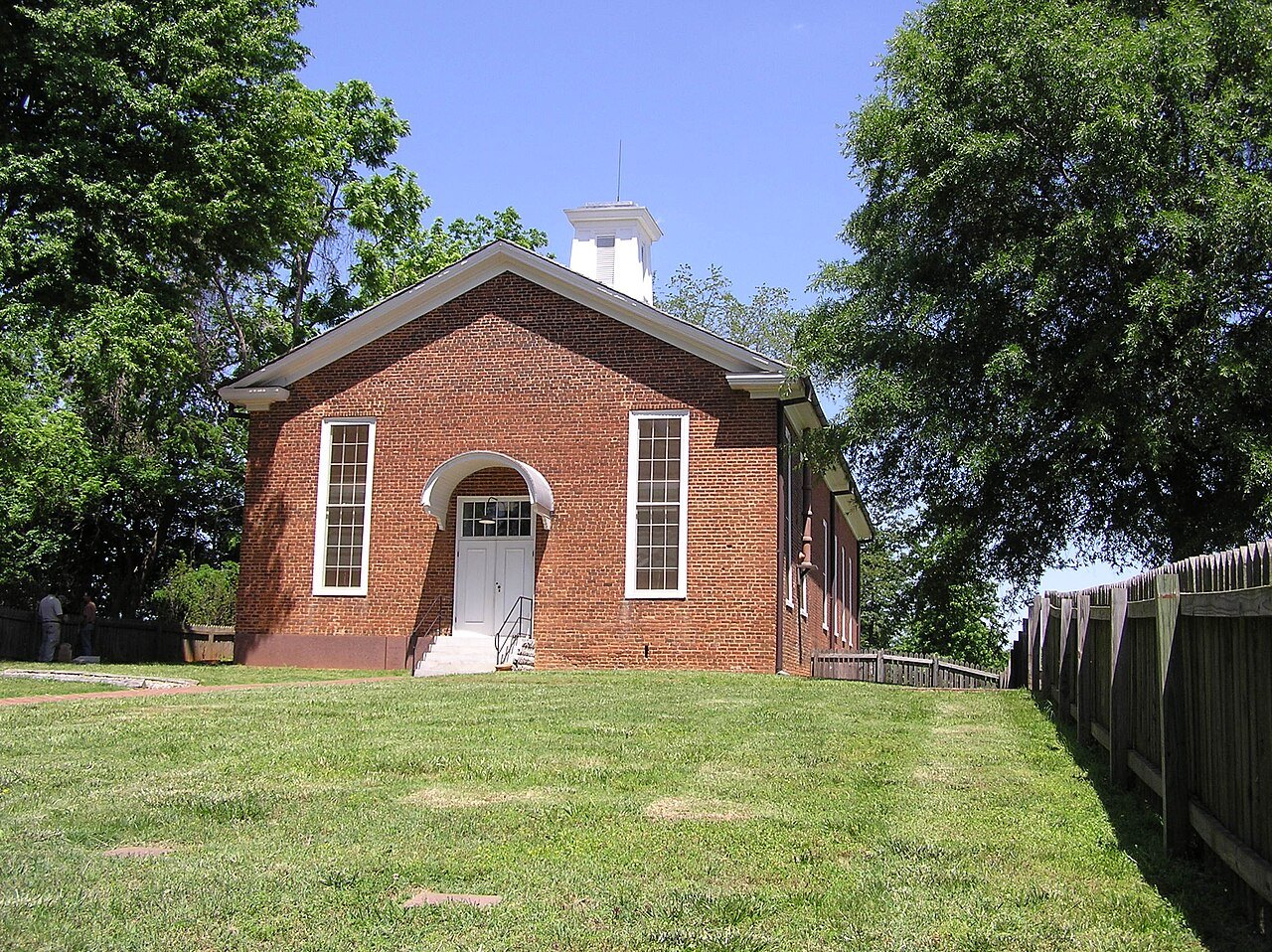
In 1816 the Moravian congregation voted to segregate worship, acting in keeping with state law, and in 1823 built a separate church for Salem's Black members, both enslaved and free. That building was later replaced by the brick St. Philip's Church, completed in 1861, which still stands in the historic district today.
St. Philip's is the oldest surviving African American church built for that purpose in North Carolina. Its plain brick walls and modest proportions reflect its original congregation rather than the more elaborate buildings nearby on Main Street, and the church remains part of the story the Hidden Town Project has worked to restore to view.
The building carries a specific date in the history of emancipation: in 1865 the chaplain of the 10th Ohio Regiment read the Emancipation Proclamation to the congregation inside St. Philip's. Services returned to the building in 2019, after years in which it served other uses within the restored district.
Visitors who want to see inside St. Philip's should ask at the Old Salem visitor center about tours and access, since arrangements for the church, part of the same restored district, can differ from the shops and workshops along Main Street that make up the rest of a typical visit.
What the research has added
The totals the Hidden Town Project has produced go beyond the names on a single list. By identifying where enslaved households actually stood within the town plan, researchers have been able to show how closely their lives were tied to the Single Brothers' House, the tavern and other buildings visitors already tour.
The project's work has also reshaped the count of enslaved people in Salem across the decades between 1790 and 1860, correcting figures that earlier histories understated or omitted. That fuller account is used in staff training and in the material now offered to visitors at the square and in the shops.
None of this is presented as a finished inventory. The project continues to add detail as records come to light, and visitors who want to know what is newly confirmed should ask the interpreters in the trade shops or staff at the visitor center, who follow the project's findings.
Seeing this history in the district
Old Salem's streets are public, so a visitor can walk past St. Philip's Church, the Single Brothers' House and the row of family homes along Main Street without a ticket. Entering the trade shops, the Single Brothers' House interior and the Museum of Early Southern Decorative Arts requires a museum ticket bought at the visitor center.
Salem Square remains the center of the walk, with Salem College rising above it on Church Street, and Home Moravian Church, founded in 1771, nearby. St. Philip's sits within reach of this same core, making it straightforward to combine a visit to the church with the rest of a walk through the district.
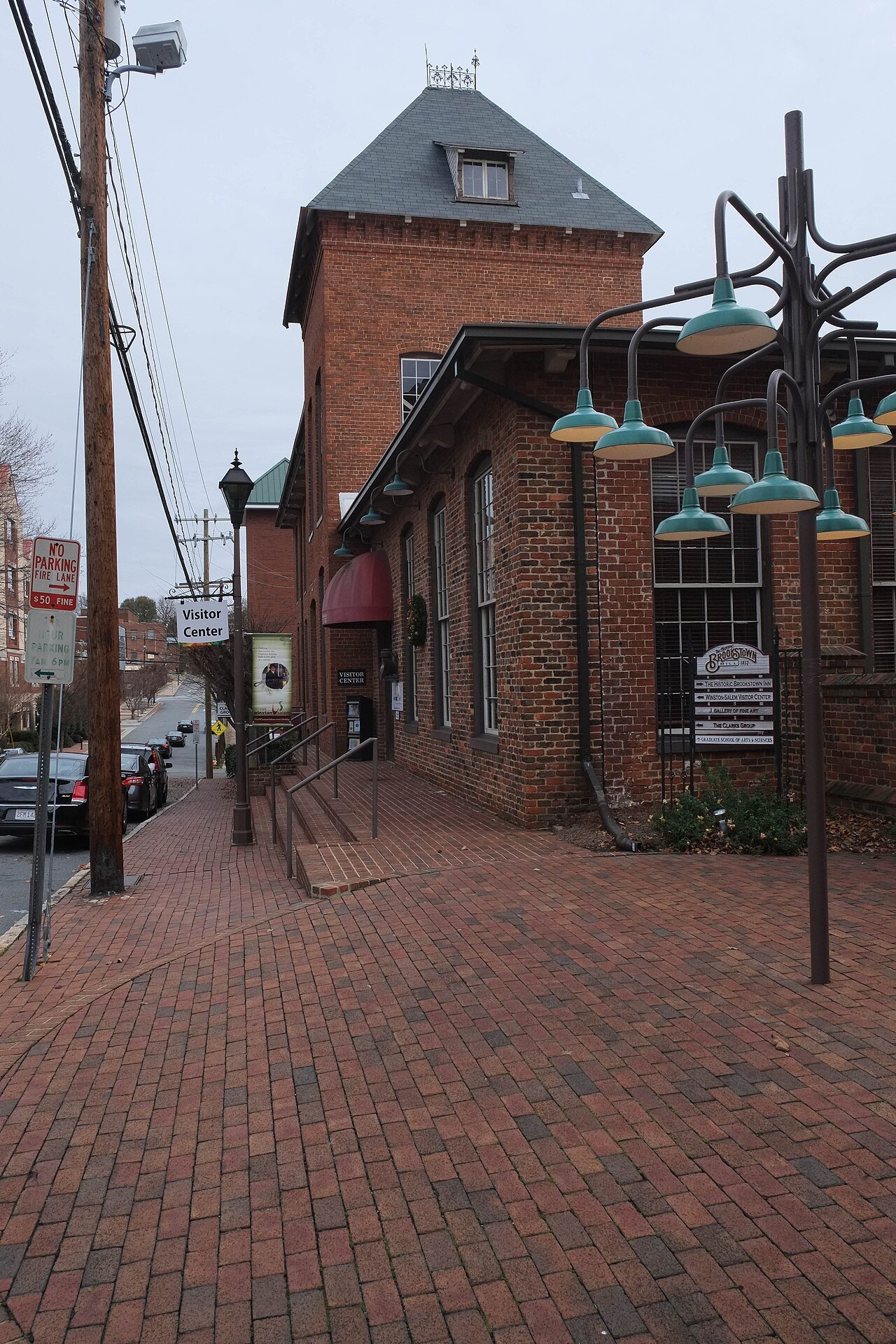
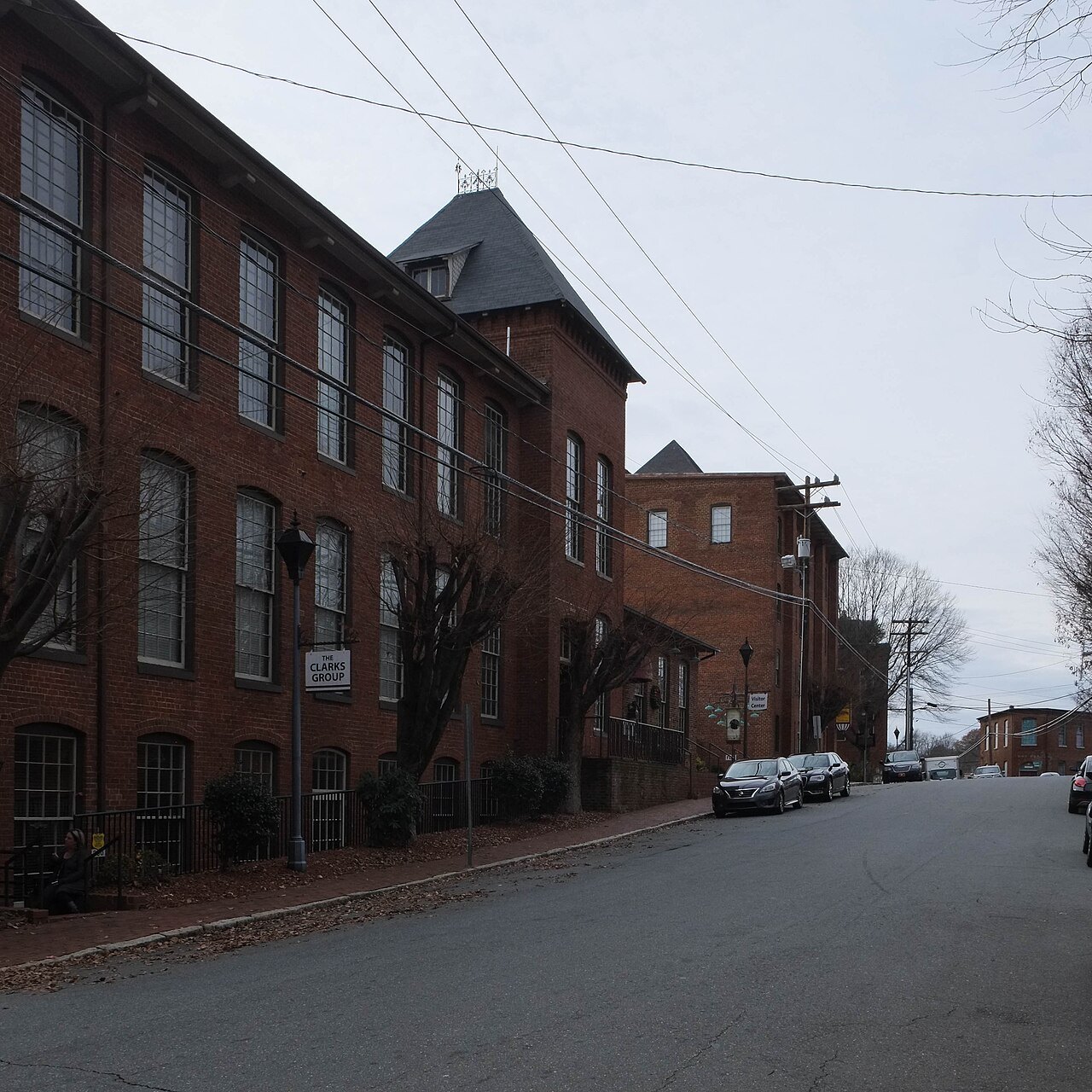
The visitor center itself, built in 2003, sets the context before a visitor reaches the square: a glass wall of panels traces Wachovia's history, and the center is the starting point for the museum's trade shops, taverns and houses, St. Philip's Church among them, as well as for information on the Hidden Town Project's ongoing research into the town's African American population.
Winston-Salem today is one of the two largest Moravian communities in the country, and Old Salem's interpreters draw on that continuity when they talk about the choirs, the trades and the people held in bondage who built and ran much of the town. See Old Salem for the fuller account of the district's buildings and history.
Planning the visit
Give Old Salem most of a day if the Hidden Town sites are part of the plan, since St. Philip's Church sits a short walk from the square and the trade shops along Main Street, and seeing both without rushing, rather than treating the church as an afterthought, takes real time.
Old Salem is a district of Winston-Salem itself, reached by Interstates 40, 74 and 285. Visitors should confirm parking, ticket purchase and tour arrangements directly with Old Salem's visitor center before the trip, since programming tied to the Hidden Town Project can change as research continues.
The district pairs naturally with other stops in the Piedmont: Pilot Mountain rises to the northwest, and the Triad and Triangle lie further east along Interstate 40, with Duke Chapel among the stops worth adding to a longer trip through the region.
Beyond the Hidden Town research, Old Salem keeps its working trades on view, and the thin Moravian spice cookie, native to the town's bakeries, became North Carolina's state cookie in 2026, a small reminder of how far the Moravian community's traditions have spread beyond the restored streets.