COFFEE, BUNS AND CANDLELIGHT
What is a Moravian lovefeast?
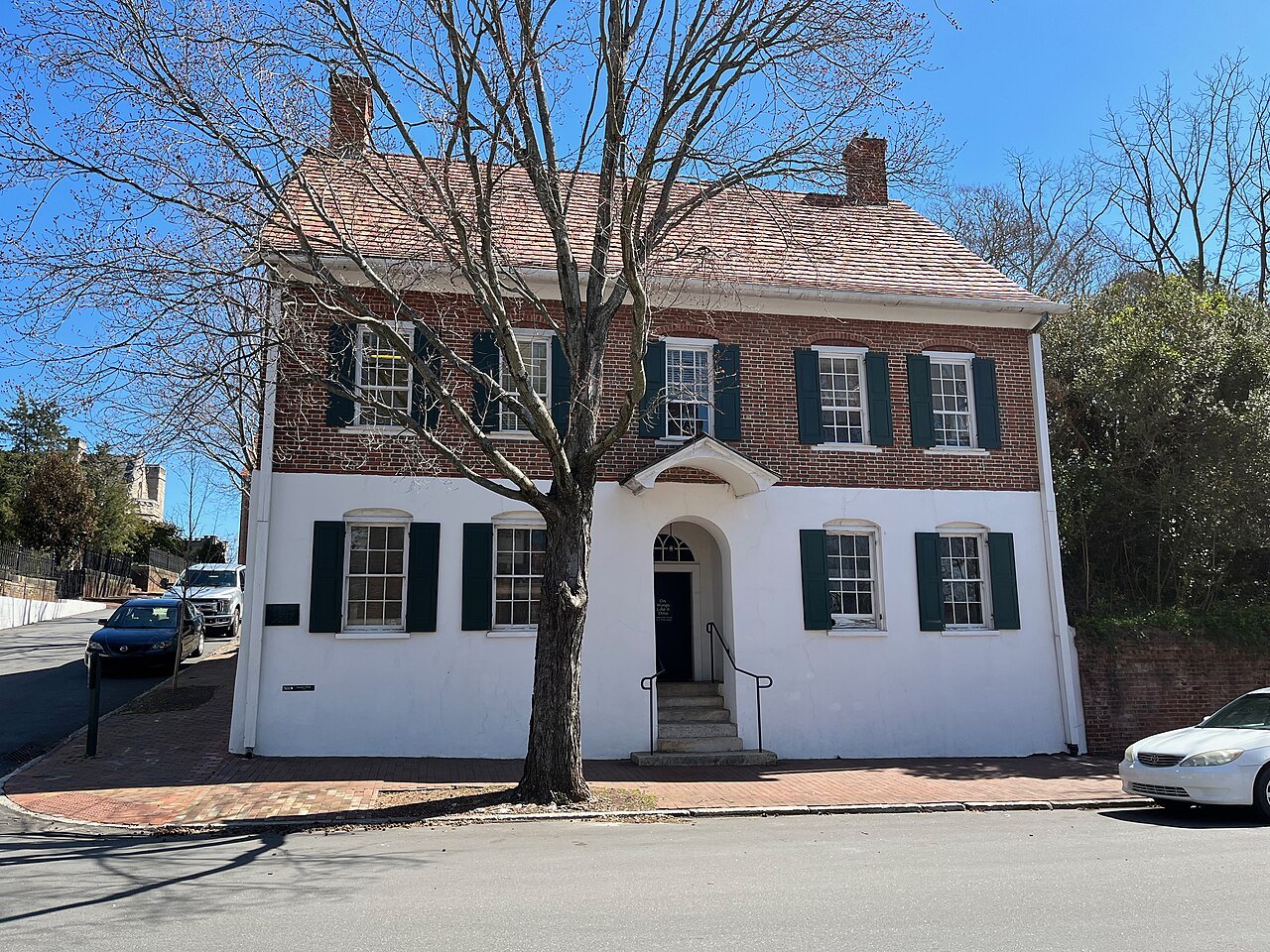
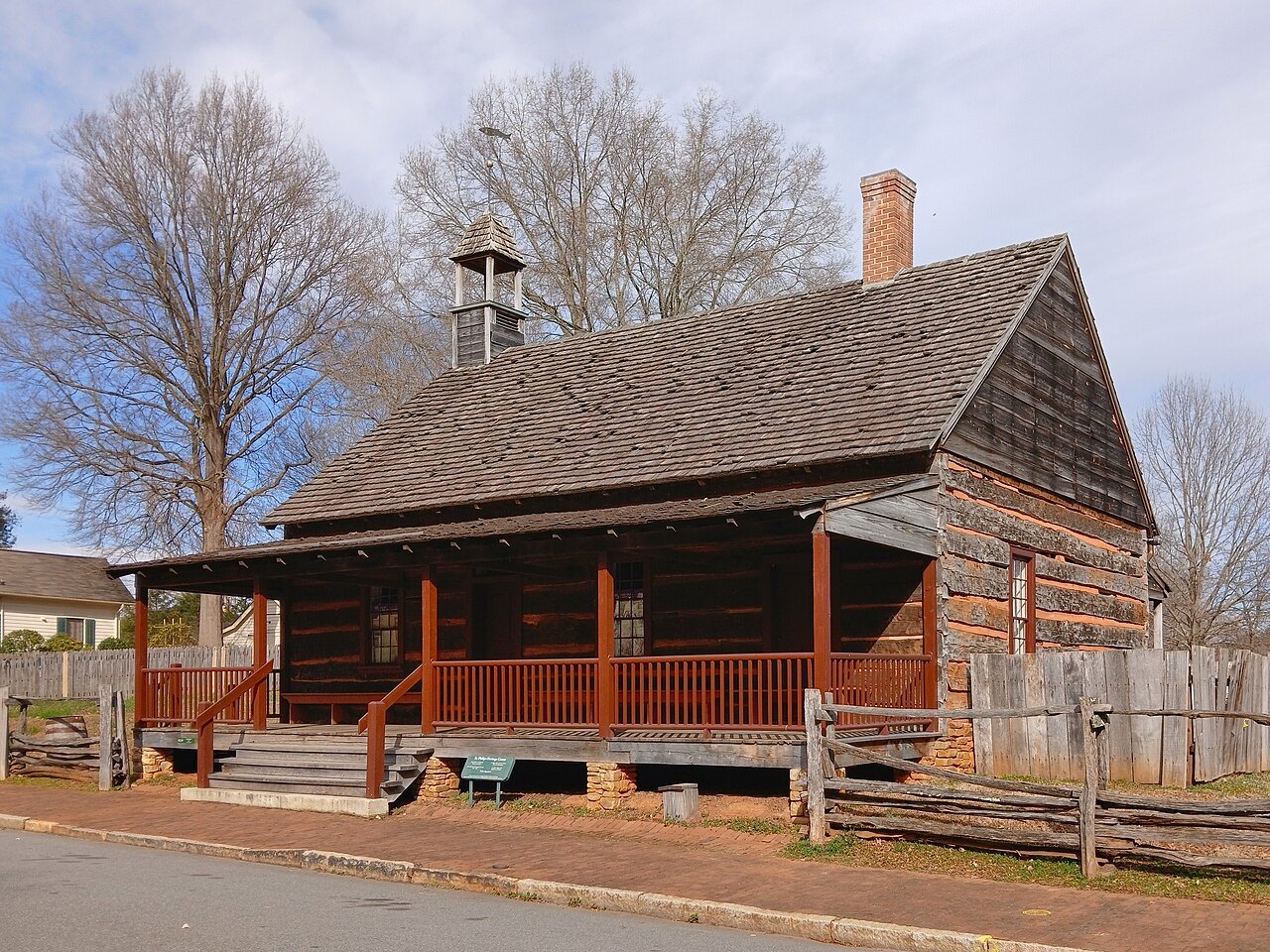
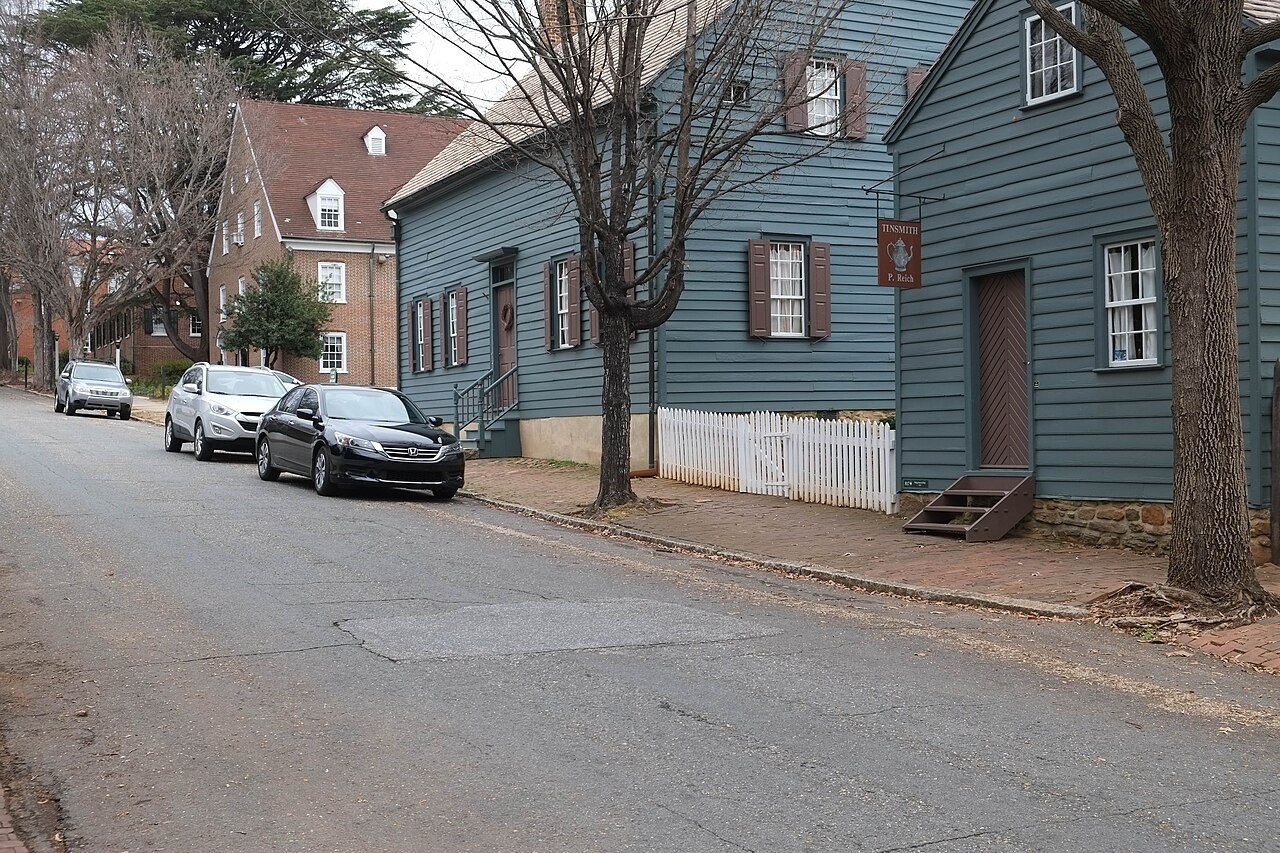
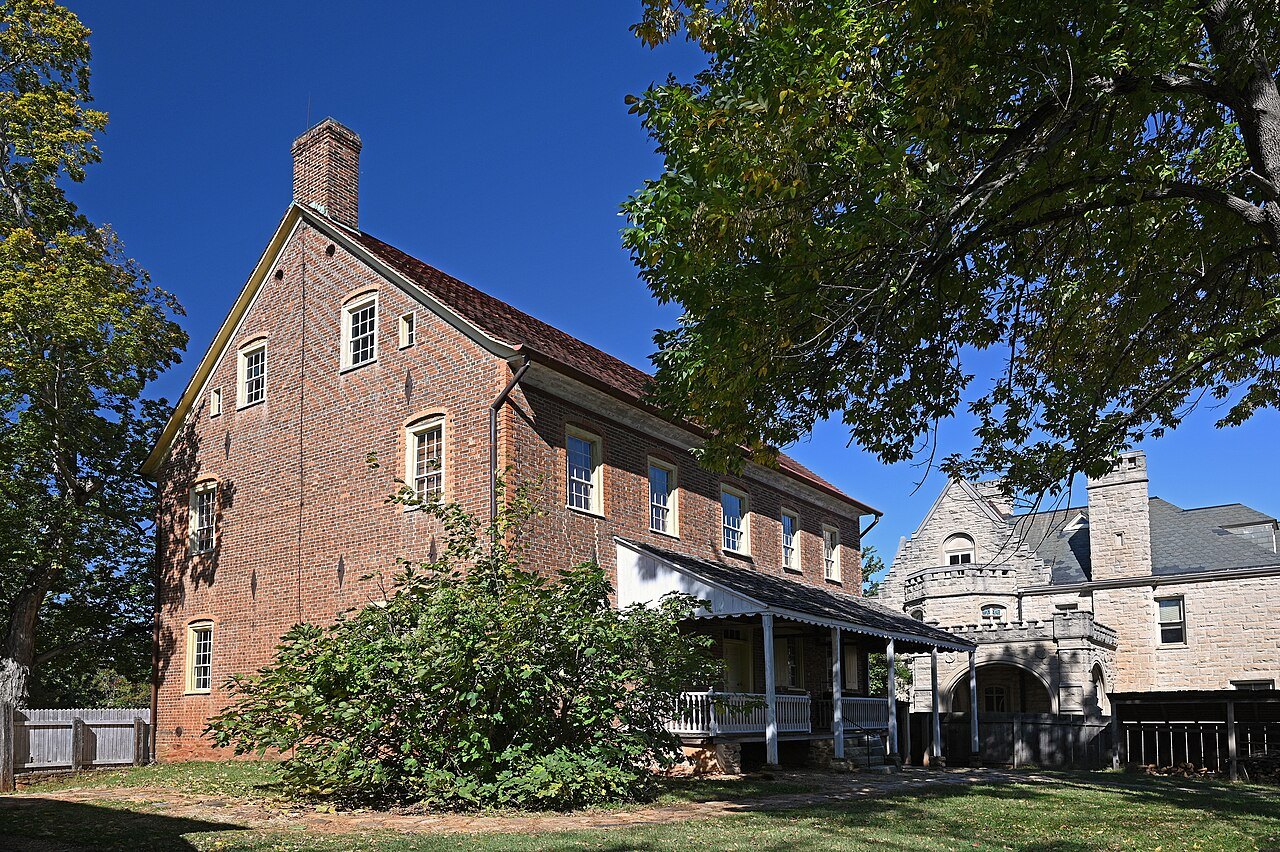
Photographs: Cbaile19, Wikimedia Commons, CC0 · Seasider53, Wikimedia Commons, CC BY-SA 4.0 · Cbaile19, Wikimedia Commons, CC0
What a Moravian lovefeast is, where the custom began, and how to check for one near Old Salem in Winston-Salem.
Why it matters
Old Salem, the restored Moravian town at the heart of Winston-Salem, is where many visitors first hear the word "lovefeast." It names a simple shared meal of coffee and a sweet bun, eaten during a service of hymns and readings, that the Moravian Church has kept since its founding congregations settled Wachovia in the eighteenth century.
A lovefeast is not a sacrament and does not replace communion. It is a plain meal taken together, meant to express fellowship among the congregation rather than mark a particular rite. The custom reaches back to the earliest Moravian settlements and continues at churches connected to the denomination, including Home Moravian Church inside the Old Salem district.
Visitors who plan a trip around Old Salem often want to know whether a lovefeast is scheduled during their stay, whether outside visitors may attend, and how seating works. Those details change from season to season and church to church, so they are worth confirming directly with Home Moravian Church or the Old Salem visitor center before counting on attending one.
What happens at a lovefeast
The pattern is simple. Worshippers sit in pews, and attendants, often members of the congregation, carry trays of coffee or tea and a soft bun to each row. The meal is eaten quietly during the service itself, between hymns and short readings, rather than before or after it. No altar rite accompanies the food.
Singing carries much of the service, often with a band or choir drawn from the congregation, continuing a musical tradition that also produced the organ built by David Tannenberg now kept in the Old Salem visitor center. The hymns are usually plain and congregational, chosen to fit the specific service rather than a fixed liturgy.
At Christmas, candlelight is added: each worshipper is given a beeswax candle, lit near the end of the service, a practice closely tied to Moravian congregations across the country. Because candles and food are handled inside the sanctuary, large lovefeasts are organized with set seating, and congregations reserve places in advance rather than admitting visitors at the door.
Specific dates, seating arrangements and whether a given service welcomes visitors from outside the congregation vary by season and by church, so treat the description above as general background only. Before planning around a lovefeast, visitors should contact Home Moravian Church directly, or ask at the Old Salem visitor center, for the schedule and any seating requirements.
Where the practice began
The word and the custom trace to the Moravian Church, a Protestant body that formed in 1457 among followers of Jan Hus in Bohemia and Moravia, in what is now the Czech Republic. Persecution scattered the congregation for generations before a group of German-speaking exiles found refuge in 1722 on the Saxony estate of Count Zinzendorf.
There they built the village of Herrnhut, and it was in this renewed community, under Zinzendorf's encouragement, that a shared meal modeled on the fellowship meals of the early church became part of congregational life. The same community later sent settlers to North America, first to Georgia, then to Pennsylvania towns including Bethlehem, Nazareth and Lititz.
From Pennsylvania, Moravians moved south, buying land in the North Carolina Piedmont in 1753 and founding Bethabara, then building Salem from 1766 as the administrative and religious center of the Wachovia tract. They carried the lovefeast with them, along with the choir system that grouped single men, single women and widows into separate houses.
The Moravian congregation that kept the lovefeast in Salem also included enslaved and free Black members, who worshipped alongside white congregants until 1816, when the congregation voted to hold separate services in keeping with state law; the brick St. Philip's Church, completed in 1861, is the oldest surviving African American church built for that purpose in North Carolina, and today the Hidden Town Project is recovering the fuller history of that congregation for visitors.
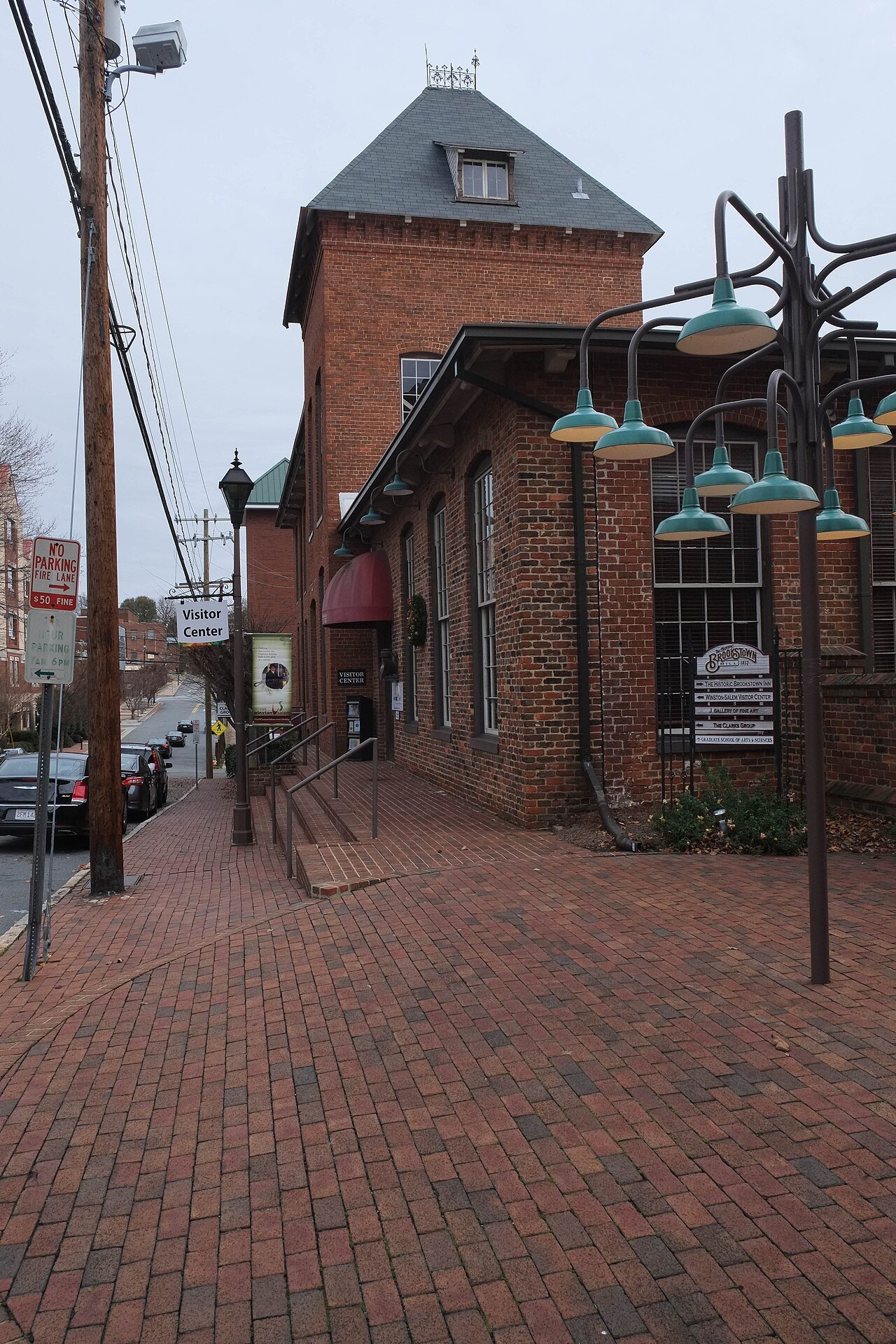
Lovefeast at Home Moravian Church
Home Moravian Church, founded in 1771, stands on Salem Square at the center of the historic district and still holds weekly services for an active congregation, apart from the museum buildings around it. It is the direct descendant of the congregation that settled Salem, and it is the natural place to ask about a lovefeast during a visit.
Because the church serves working members as well as visitors, museum tickets for Old Salem's shops and houses do not cover its services, and a lovefeast, where one is held, follows the church's own calendar rather than the museum's visiting pattern. Visitors should contact the church office, or ask at the Old Salem visitor center, for the schedule.
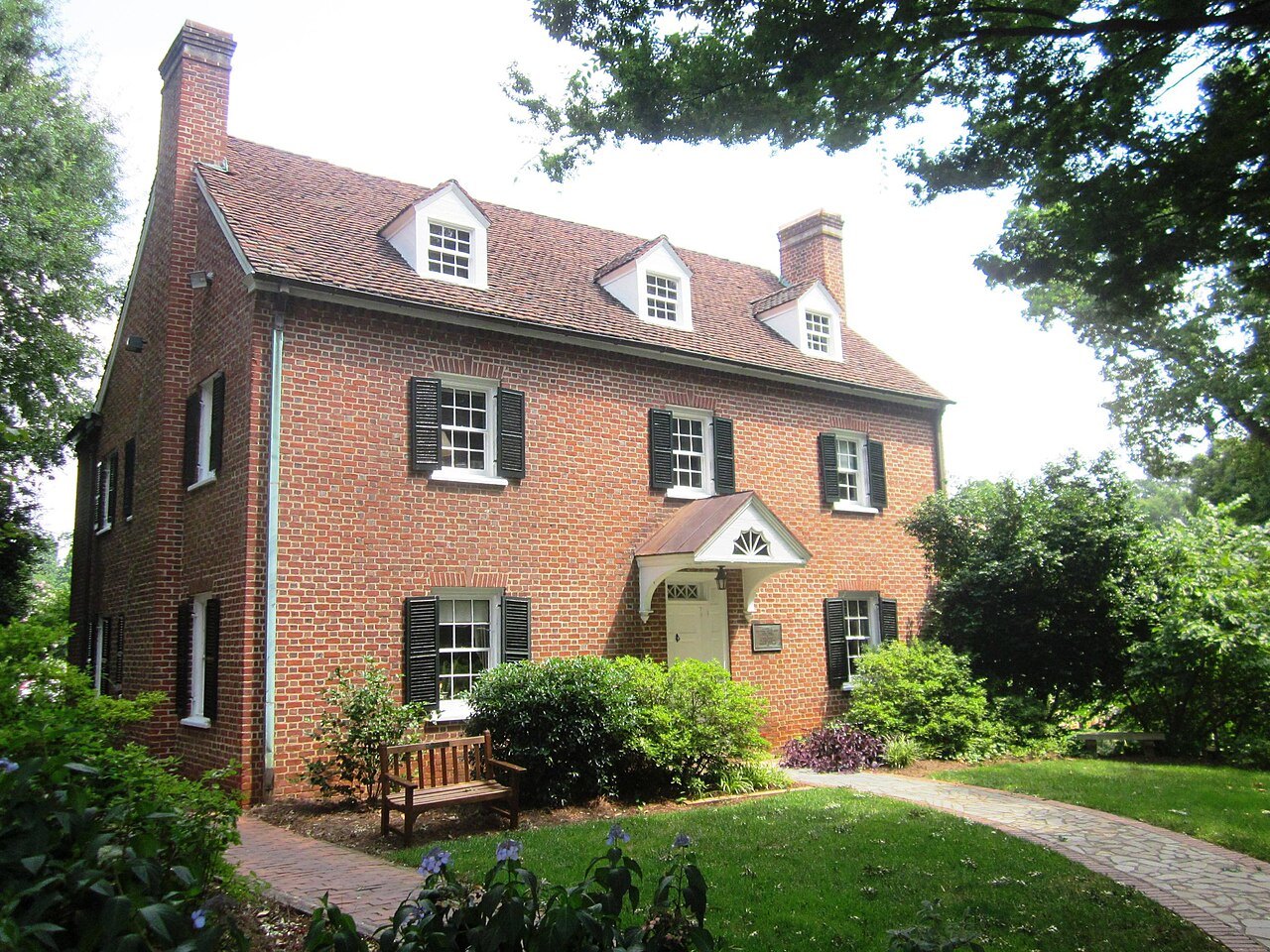
The square itself, with Salem College above it on Church Street, lies along the district's public streets, so visitors can see Home Moravian Church's exterior at any point during a visit, even without attending a service inside, and can return later if a lovefeast has been scheduled and arranged for guests.
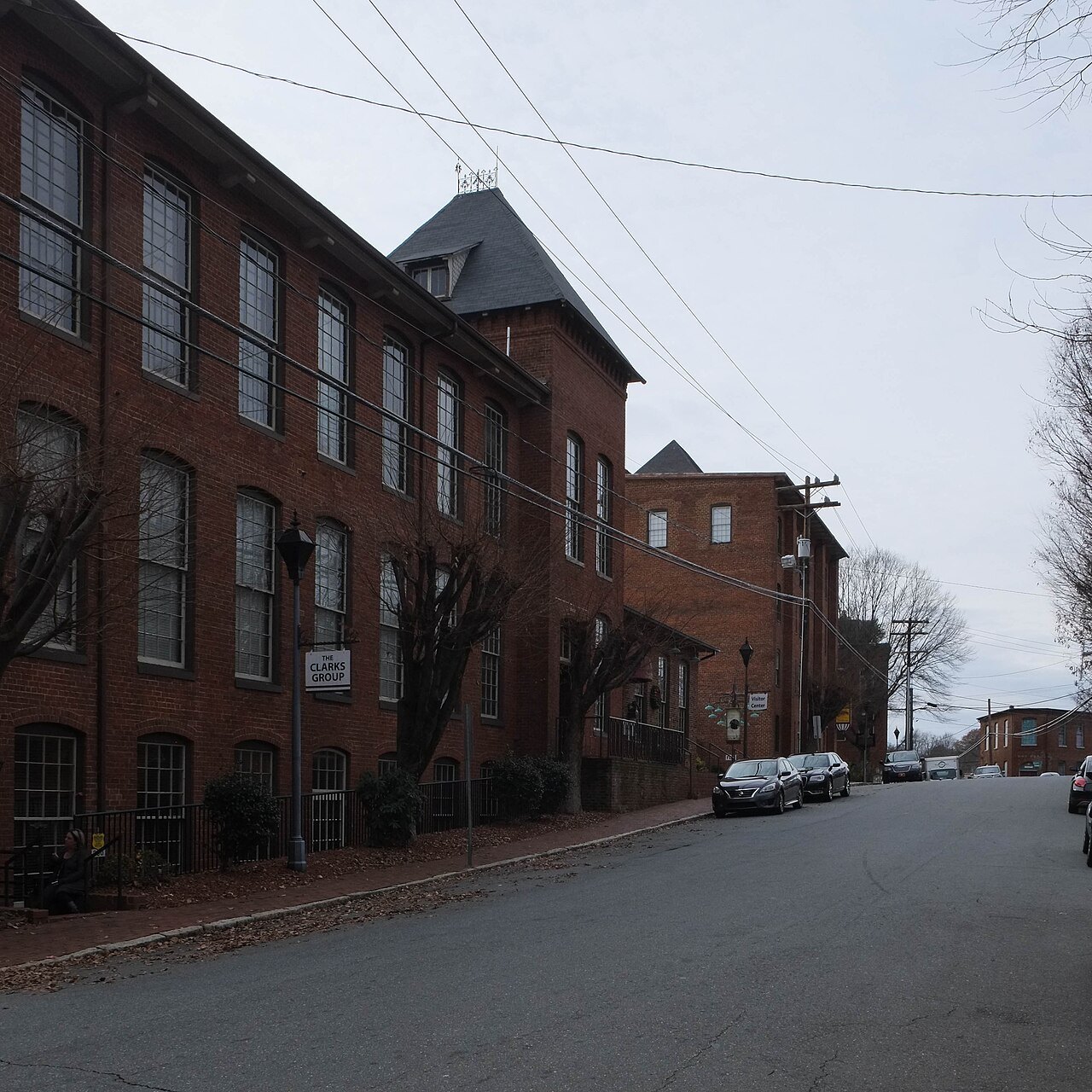
Visiting Old Salem and the church
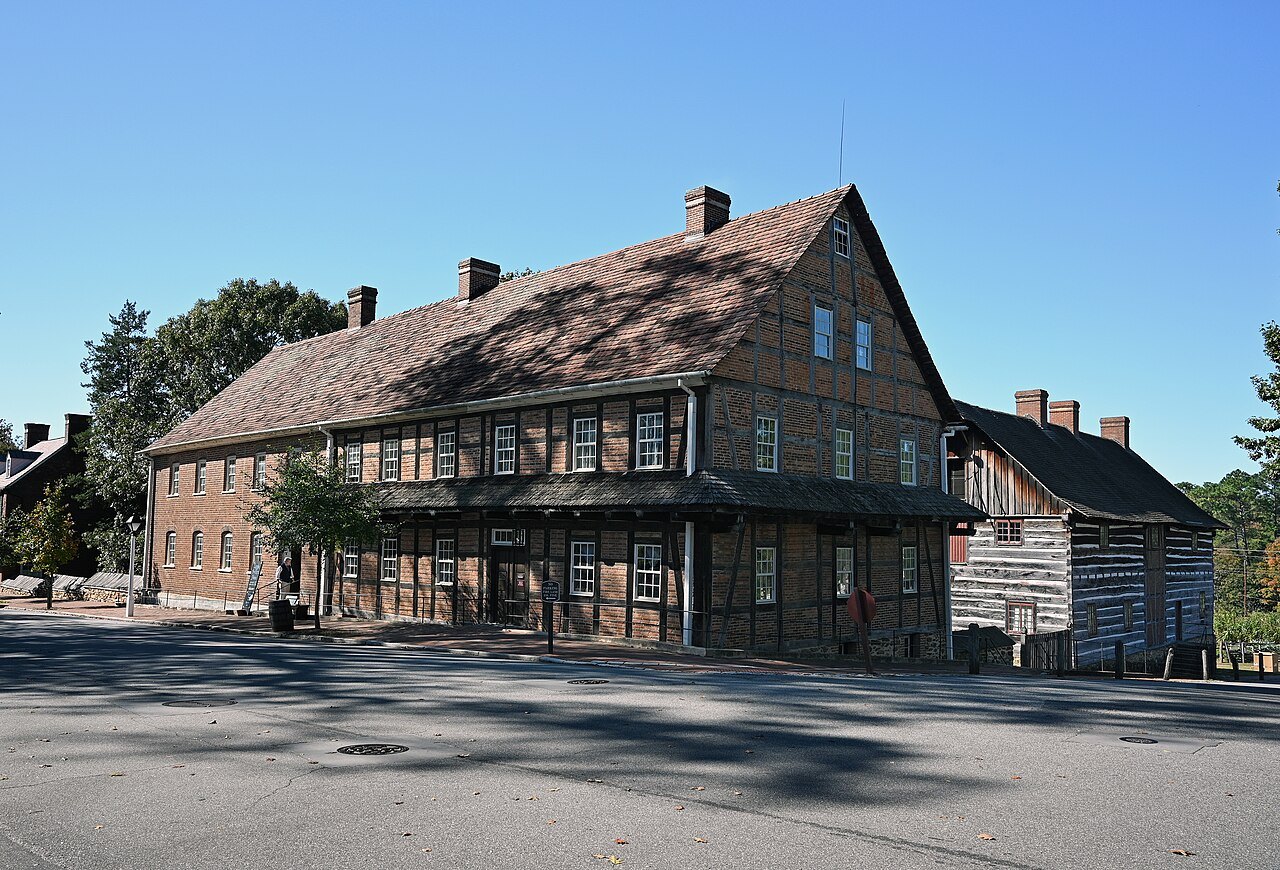
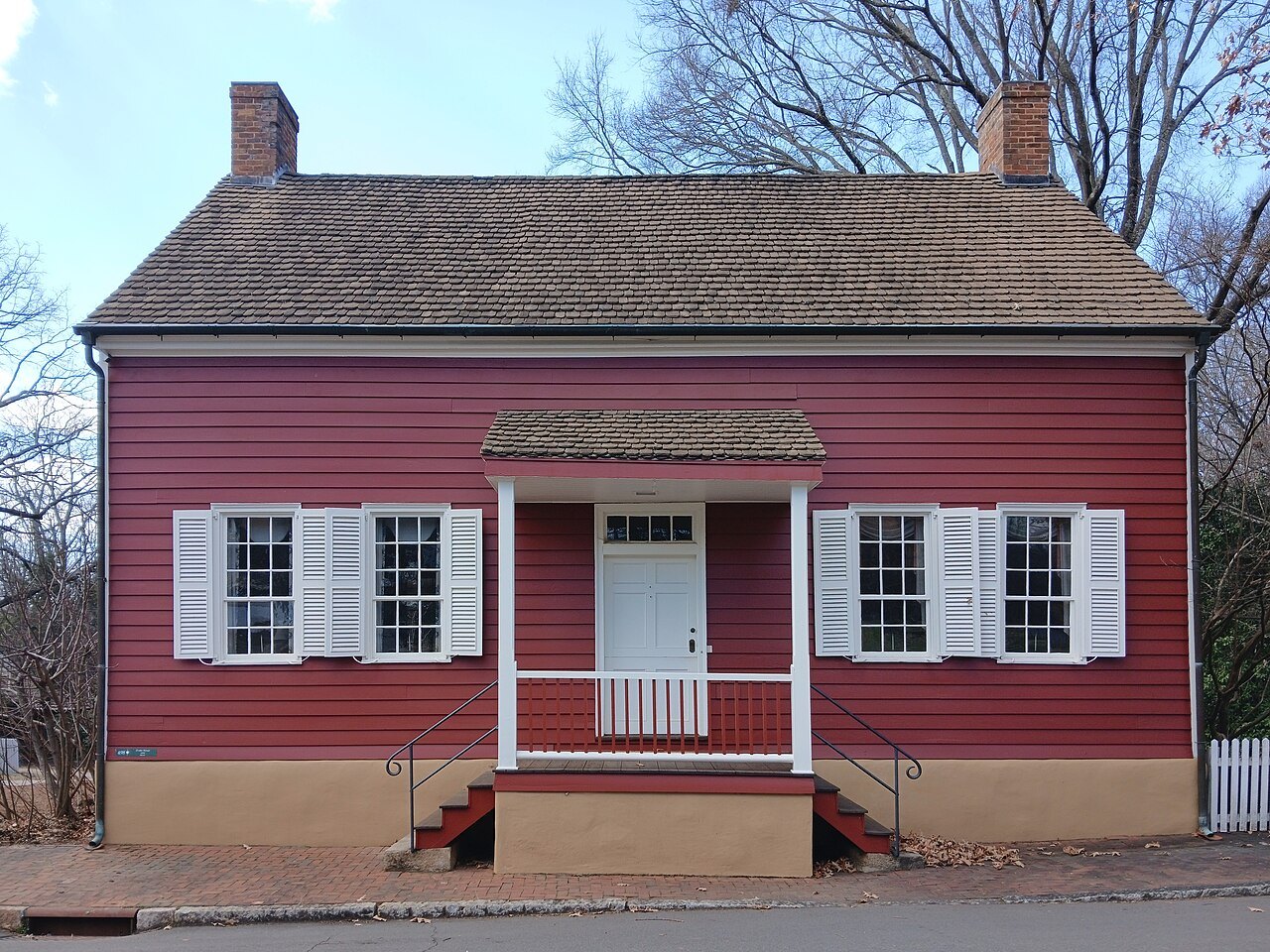
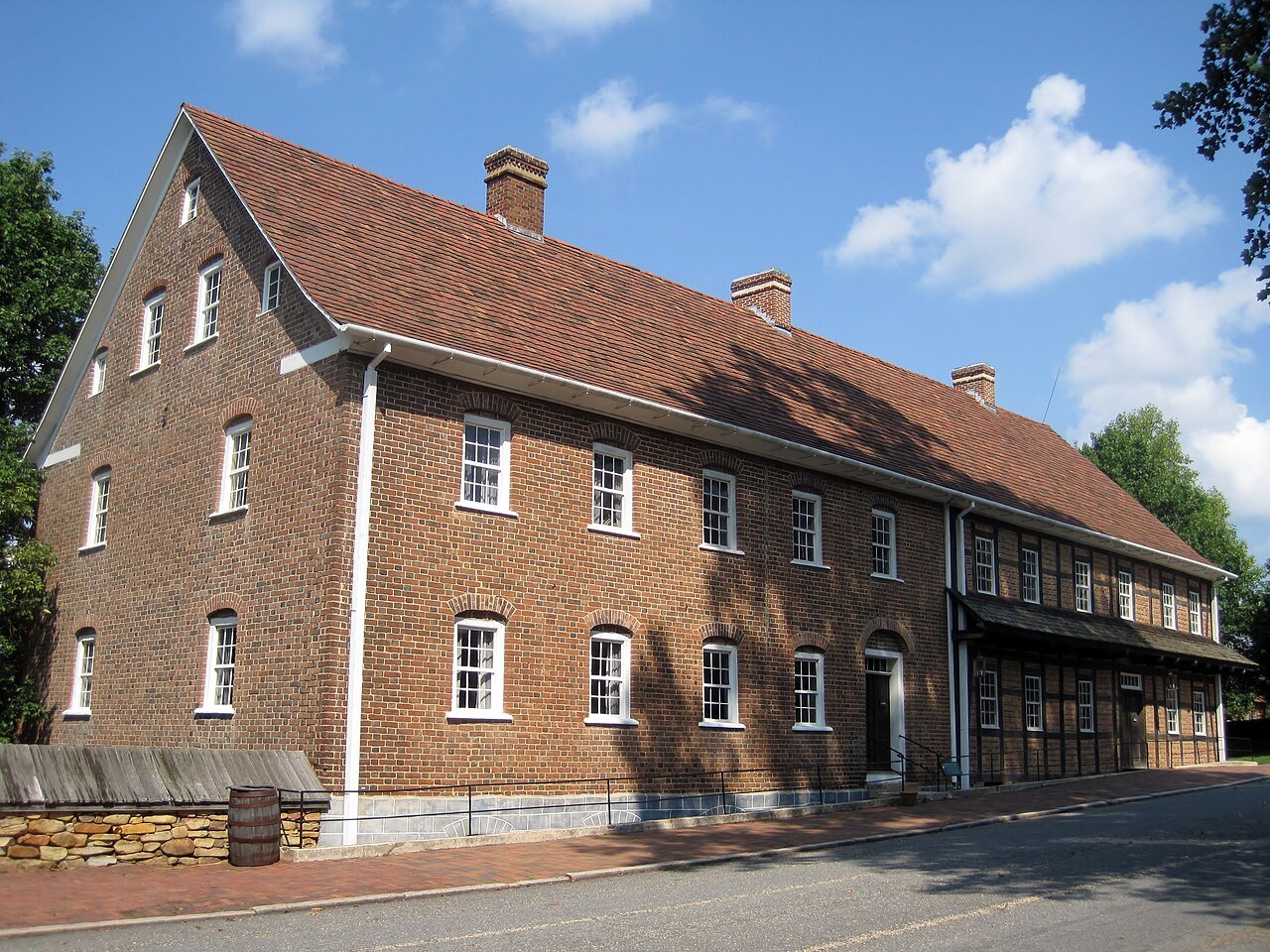
Old Salem's own buildings, the Single Brothers' House, the Salem Tavern and the row of restored family homes on Main Street, are covered by the museum's ticket, bought at the visitor center before walking up to the square. A lovefeast at Home Moravian Church is a separate, church-run event, and neither its schedule nor its seating is part of that museum ticket.
Visitors who want to combine both should start at the visitor center, see the serpentine glass wall on Wachovia's history and the museum's exhibits, then walk the square and Main Street at their own pace, since the streets themselves remain accessible to anyone passing through. Confirm any lovefeast timing with the church well ahead of arrival.
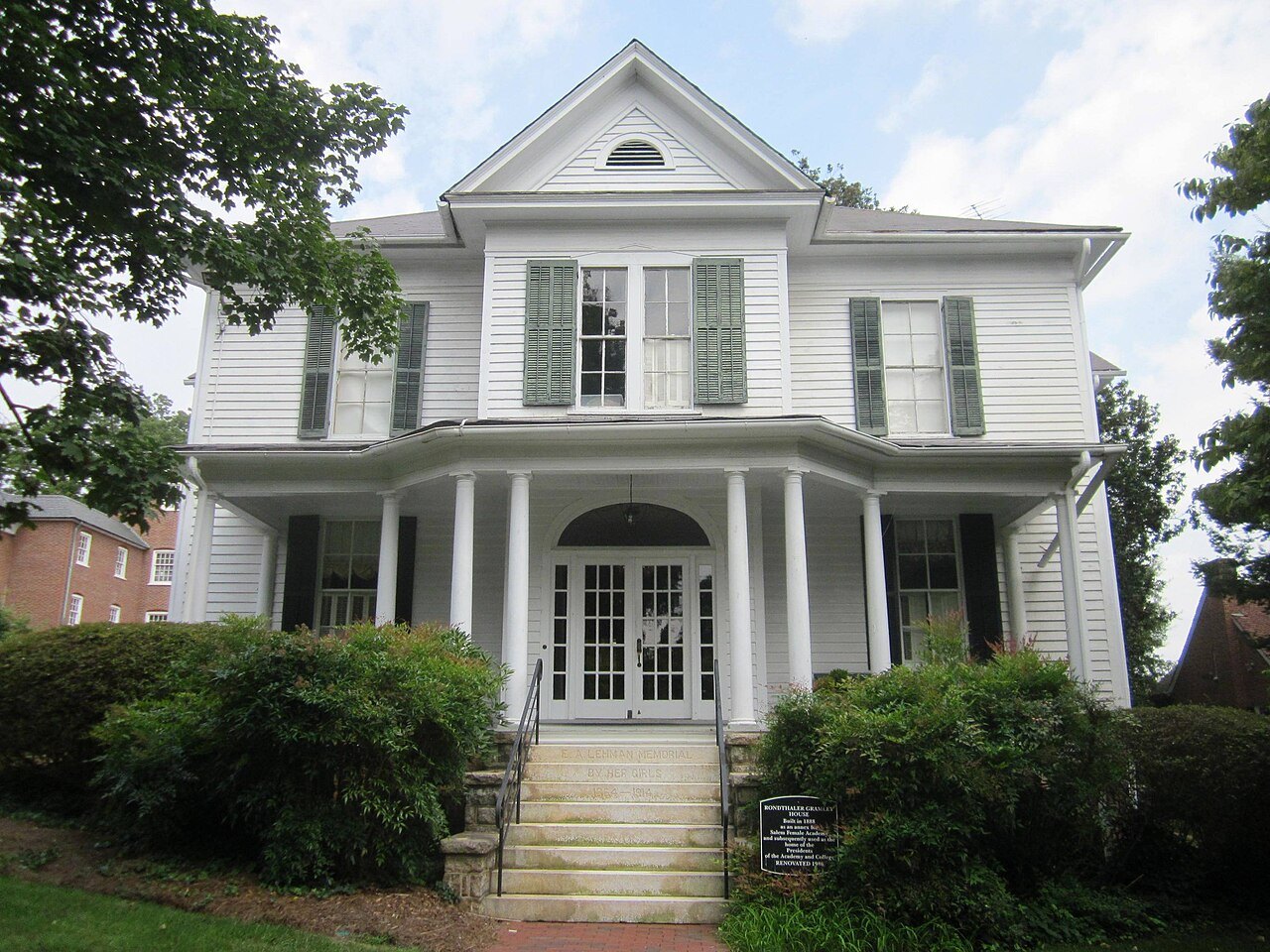
The Museum of Early Southern Decorative Arts, also inside the district, is included in the same museum ticket as the historic houses and shops. A full visit, covering the buildings, the workshops and a lovefeast at the same stop, takes most of a day, so visitors should plan the order of their day and confirm the lovefeast separately with Home Moravian Church.
Pairing the visit
Old Salem sits inside Winston-Salem, reached by Interstates 40, 74 and 285, making it an easy stop alongside the rest of the city. See Winston-Salem for more on the wider city beyond the Moravian district, including where to stay and eat nearby, since this guide's background on the lovefeast covers only the historic district itself.
Travelers heading further can pair a day in Old Salem with Pilot Mountain, rising to the northwest, or continue east along Interstate 40 toward the Triad and the Triangle, where Duke Chapel stands as another landmark built from a different, later chapter of the state's religious architecture, and both make reasonable additions to a longer Piedmont itinerary.
Winston-Salem remains one of the two largest Moravian communities in the country, and the state's thin, paper-like spice cookie associated with the denomination became North Carolina's official state cookie, a reminder that Moravian traditions, including the lovefeast, continue well beyond the museum's restored buildings and into the city's working churches.