CROATOAN, AND WHAT CAME AFTER
What happened to the Lost Colony of Roanoke?
Photographs: NPS Photo, Wikimedia Commons, Public domain · National Park Service, Wikimedia Commons, Public domain · NPS Photo, Wikimedia Commons, Public domain
In 1590 John White came back to Roanoke Island and found his colony gone and one word carved on a post. What the evidence shows, why most historians now think the colonists joined their Native neighbors, and where to see the story on Roanoke Island.
The short answer
Nobody knows for certain. The roughly 120 men, women and children who landed on Roanoke Island in 1587 were never seen again by the English, and more than four centuries of searching have not settled what became of them. But the evidence points one way more than any other: most modern scholars think the colonists, cut off from England and short of food, moved away from Roanoke and joined the Native peoples around them, some probably with the Croatan on what is now Hatteras Island.
The idea is not new. It appears in writing as early as 1605, and it rests on the one clue the colonists left behind.
Who they were
The 1587 colony was Sir Walter Raleigh's second attempt to settle on Roanoke Island. The first, a military outpost under Ralph Lane in 1585, ran short of supplies, quarreled with its neighbors and sailed home in 1586. The second was different: families, led by the artist John White as governor, sent to found a "Cittie of Raleigh" on the Chesapeake Bay. Their pilot, Simon Fernandes, refused to take them farther than Roanoke, and they stayed there.
On August 18, 1587, White's daughter Eleanor, married to Ananias Dare, gave birth to Virginia Dare, the first English child born on what would become United States soil. A few weeks later White sailed for England to bring supplies, expecting to be back in 1588. Before he left, he and the colonists agreed that if they moved, they would carve the name of their destination where he would find it, with a cross above it if they had been forced to go.
The word on the post
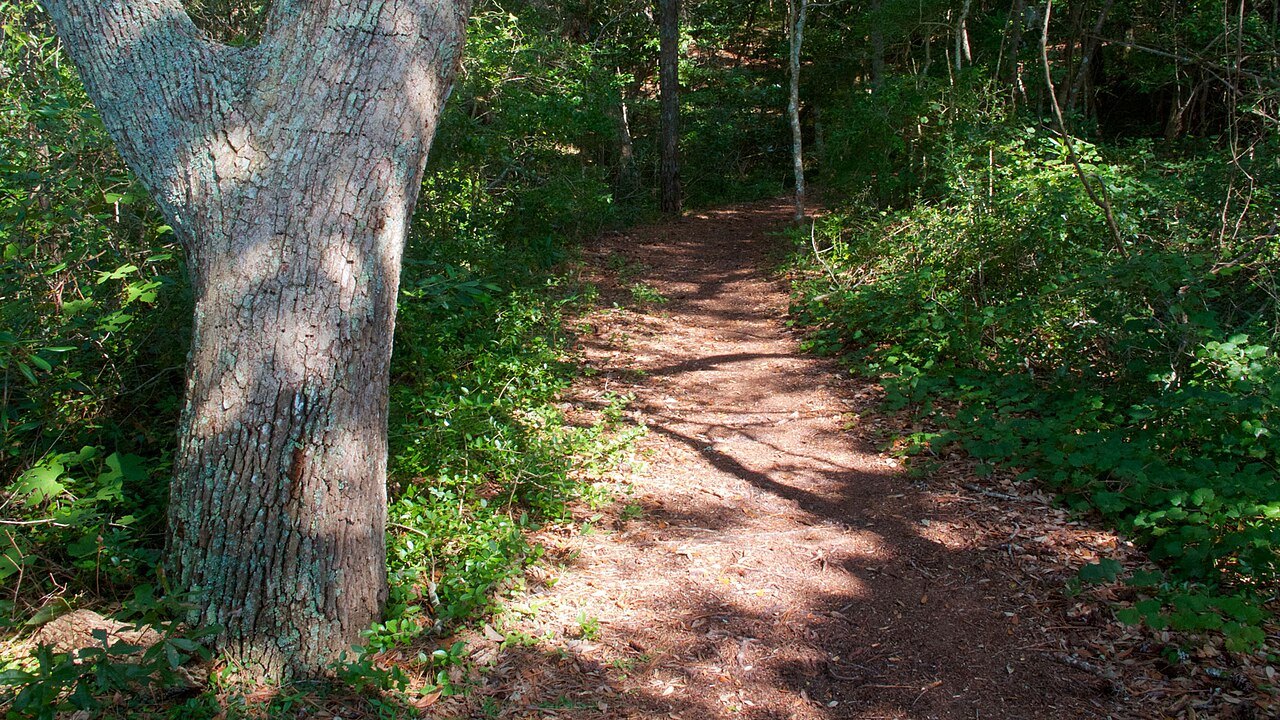
War with Spain kept White in England. With the Spanish Armada preparing to attack, the queen barred any seaworthy ship from leaving, and when White finally set out in 1588 with two small ships, their captains went hunting Spanish prizes, were attacked by French privateers off Morocco and lost the supplies, and had to turn back. The ban on shipping lasted until 1590. When he finally landed, he found tracks in the sand but no one to meet him, and the letters "CRO" carved on a tree. At the colony itself the houses had been taken down and anything portable removed, and the settlement was enclosed by a palisade. On one of its posts, near the entrance, was carved the word "CROATOAN". There was no cross.
White took it to mean that the colonists had moved peacefully to Croatoan Island, the home of the Croatan people and of Manteo, the Croatan man who had sailed to England and back with the English and stayed their ally. There was no sign of a battle, and no graves or human remains were reported. Before White could sail to Croatoan, rough seas and a lost anchor forced his ships home, and he never returned.
The theories
The simplest explanation fits the clue. The colonists were short of food, and tree rings studied in 1998 showed that the worst drought in eight centuries struck the region between 1587 and 1589. Moving in with the Croatan would have been a sensible way to survive, and people cut off from European society in this way were often reluctant to return to it. In the early 1700s the explorer John Lawson visited the Hatteras people, the descendants of the Croatan, who told him that some of their ancestors had been white; some had gray eyes, and Lawson thought the colonists had been absorbed into their community.
Other explanations have been proposed. The Jamestown settlers heard reports that the Roanoke colonists had been killed, and there were stories of people with European features in Native villages, but nothing conclusive was found. More recently, archaeologists of the First Colony Foundation found Tudor pottery and weapon fragments at a site on the mainland about fifty miles west of Roanoke Island, which they called Site X, and concluded that a small group of colonists may have lived there peacefully. The difficulty is proving that such finds did not come from the earlier colony or from later traders.
One famous piece of evidence is false. Between 1937 and 1941 a series of inscribed stones turned up that claimed to be messages from Eleanor Dare describing the colonists' wanderings and deaths. Most historians regard these Dare Stones as a fraud; investigators linked all but one of them to a single stonecutter.
Descendants and memory
Several Native communities in eastern North Carolina have traditions linking them to the Croatan and the colonists. The present-day Lumbee tribe identifies as descended from both the Croatan and the Lost Colonists by way of the Hatteras, though the evidence is circumstantial.
The story itself was largely forgotten until 1834, when the historian George Bancroft cast the colonists, and above all the infant Virginia Dare, as founding figures of American history. Since then the mystery has become one of the country's best known, and Virginia Dare's name turns up across the Outer Banks, not least on the Virginia Dare Trail, the old beach road through Nags Head.
Seeing it on Roanoke Island
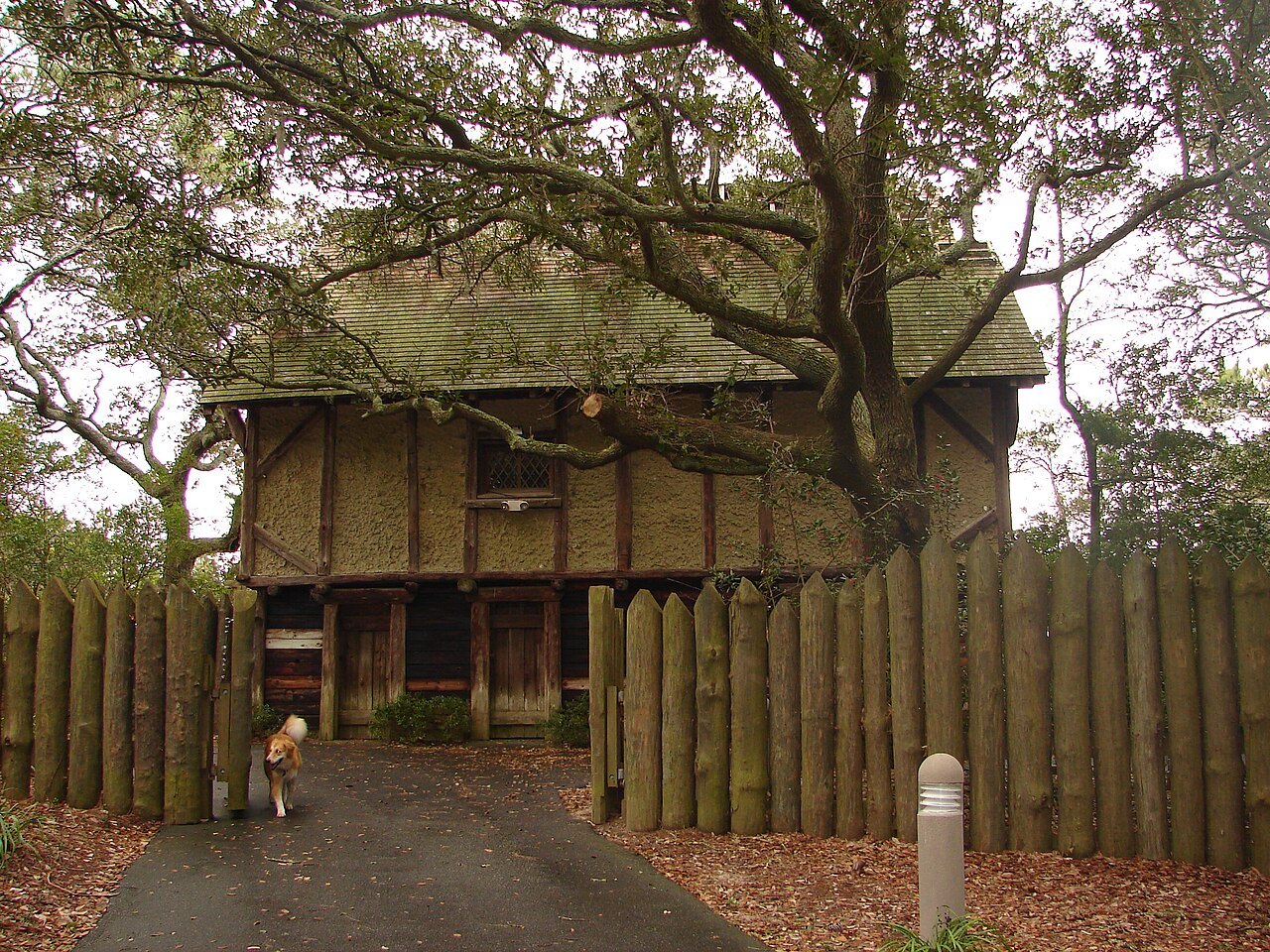
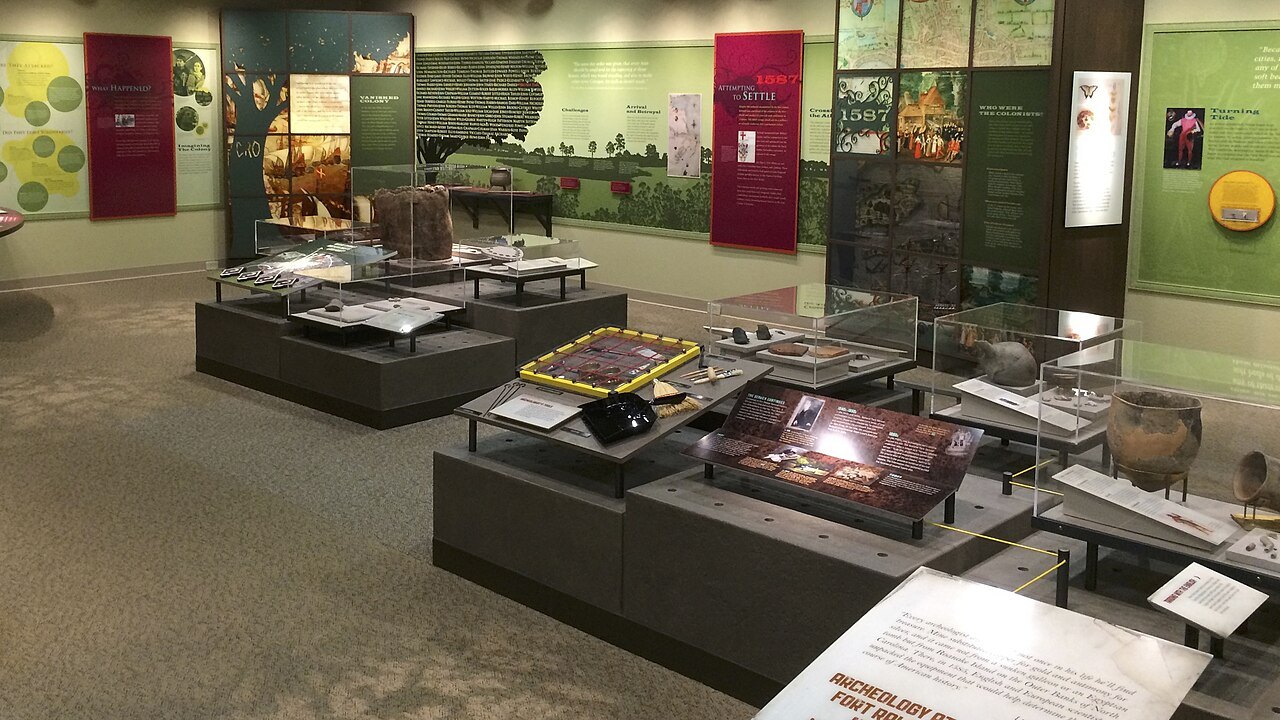
The site is preserved as Fort Raleigh National Historic Site, on the north end of Roanoke Island about three miles north of Manteo. It has a visitor center museum on the English voyages and the Native peoples of the sounds, and a small earthwork fort, reconstructed in 1950 to its original size and shape after visitors and relic hunters had worn it down.
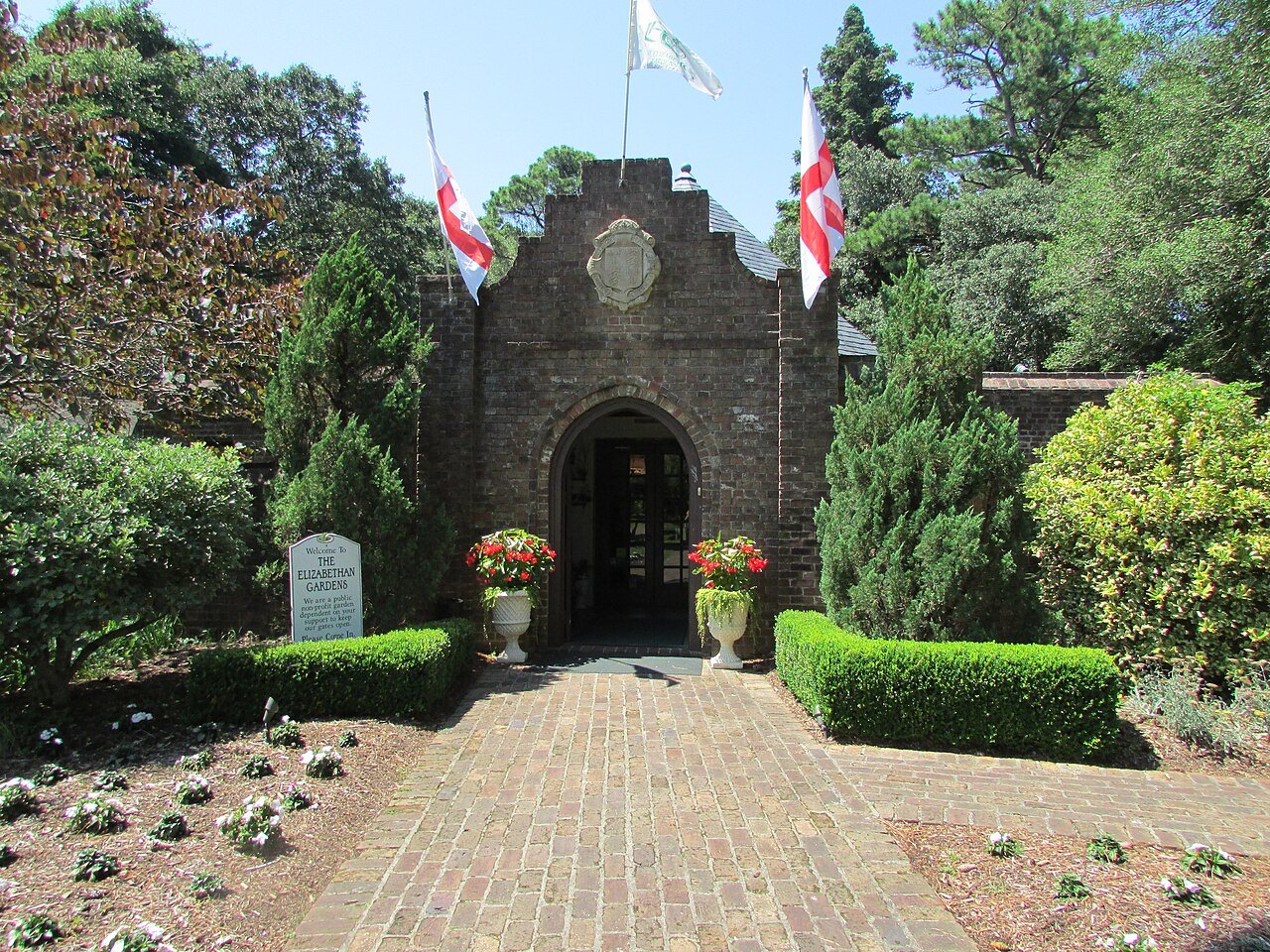
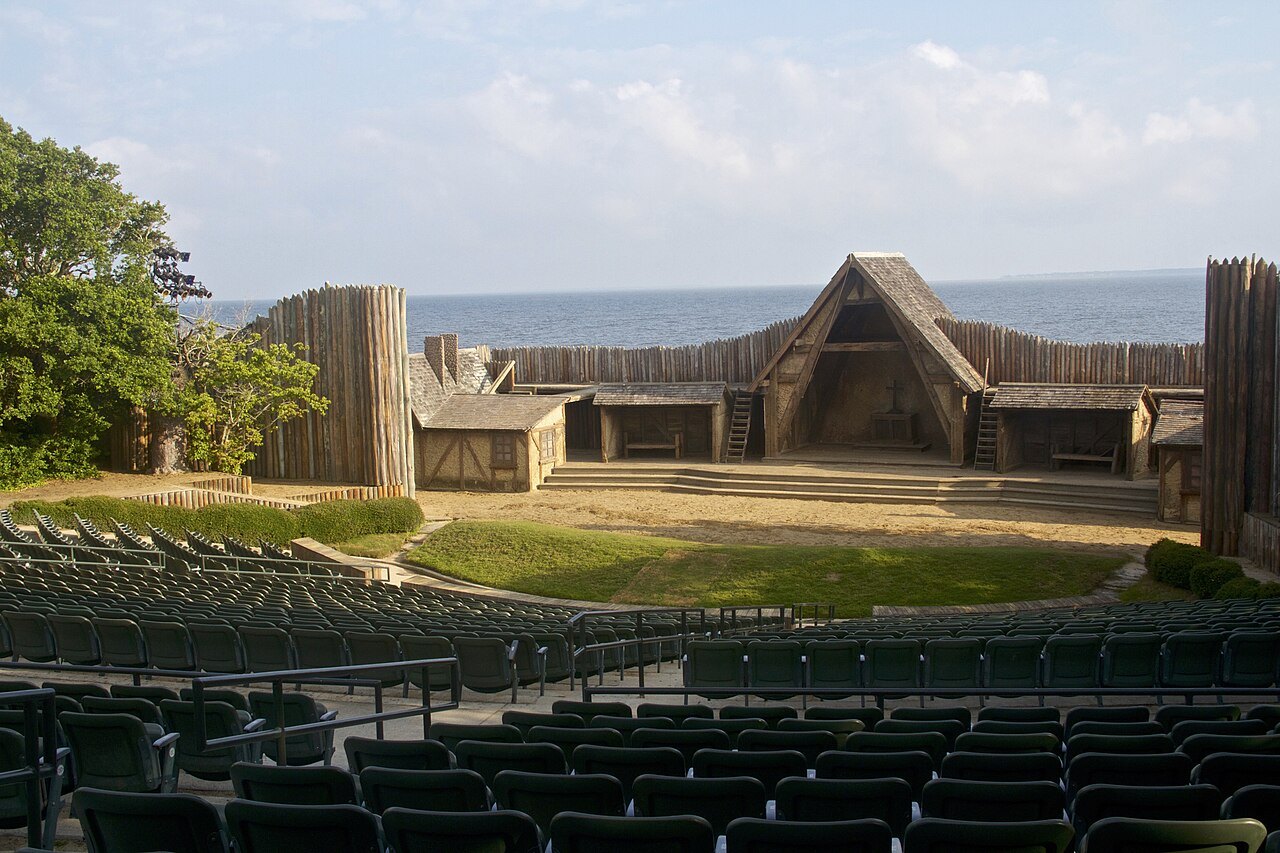
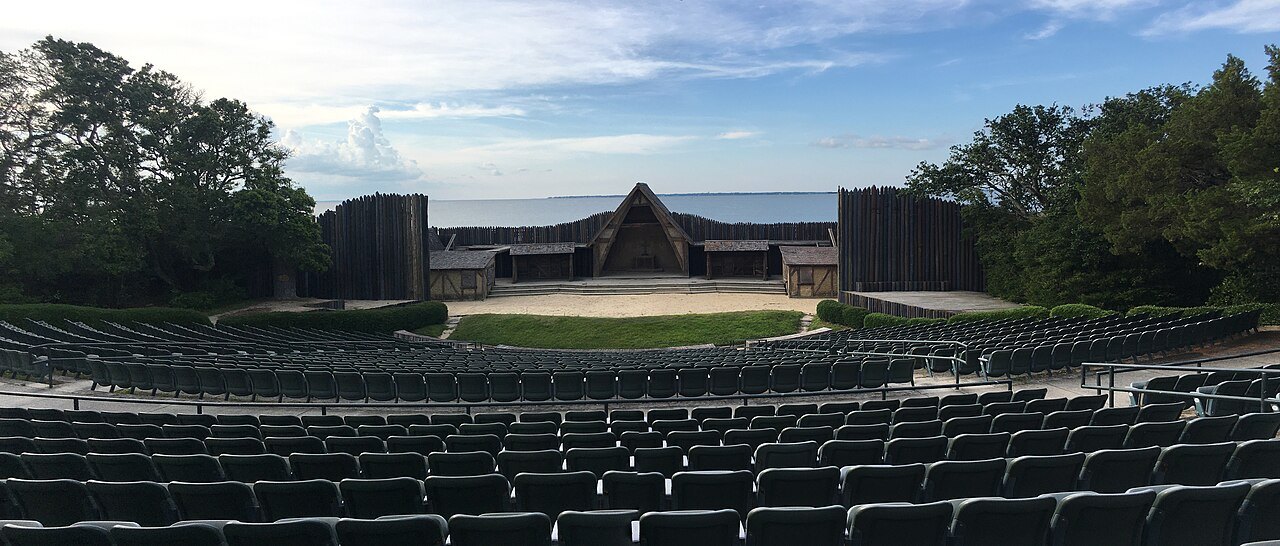
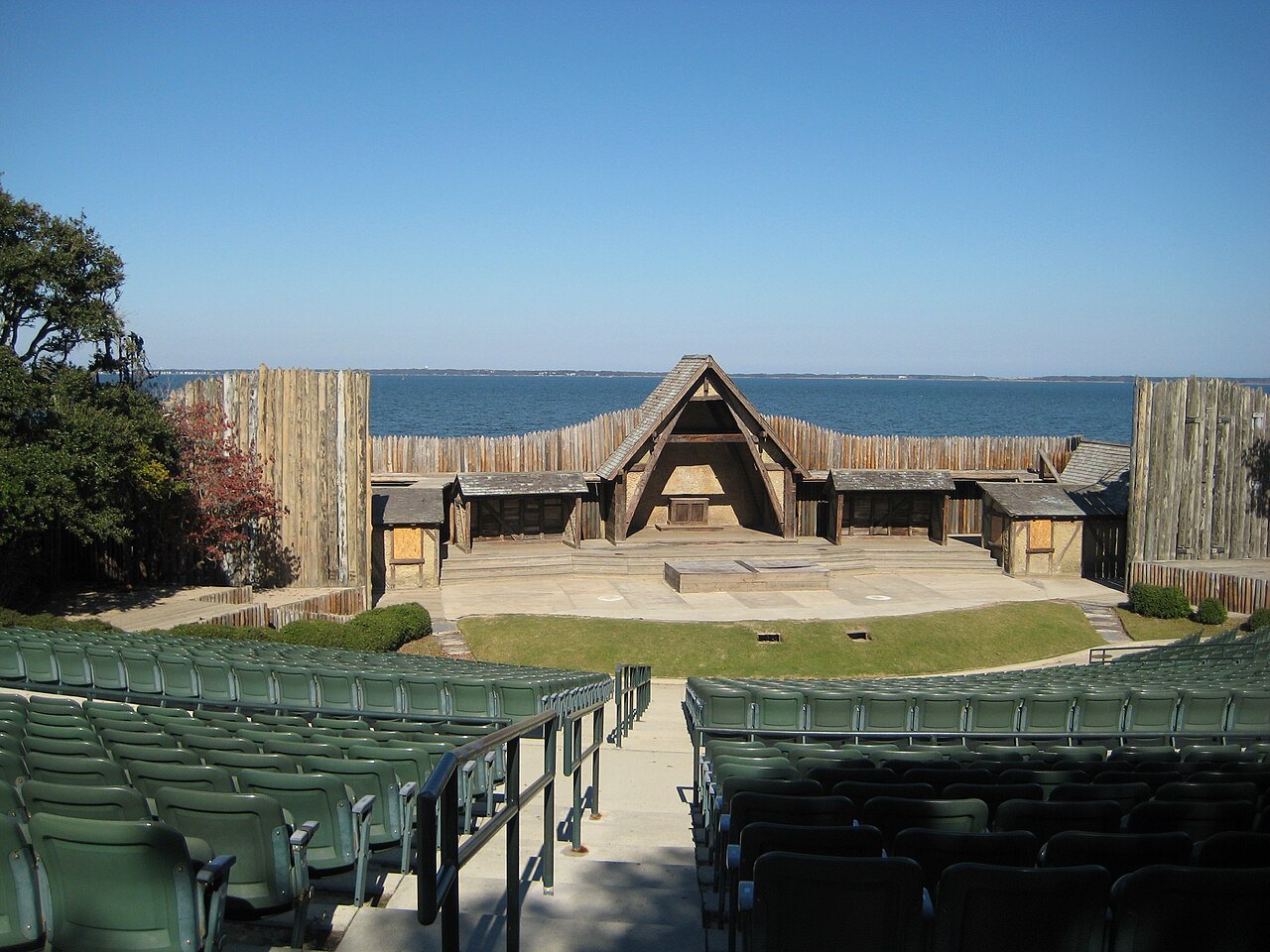
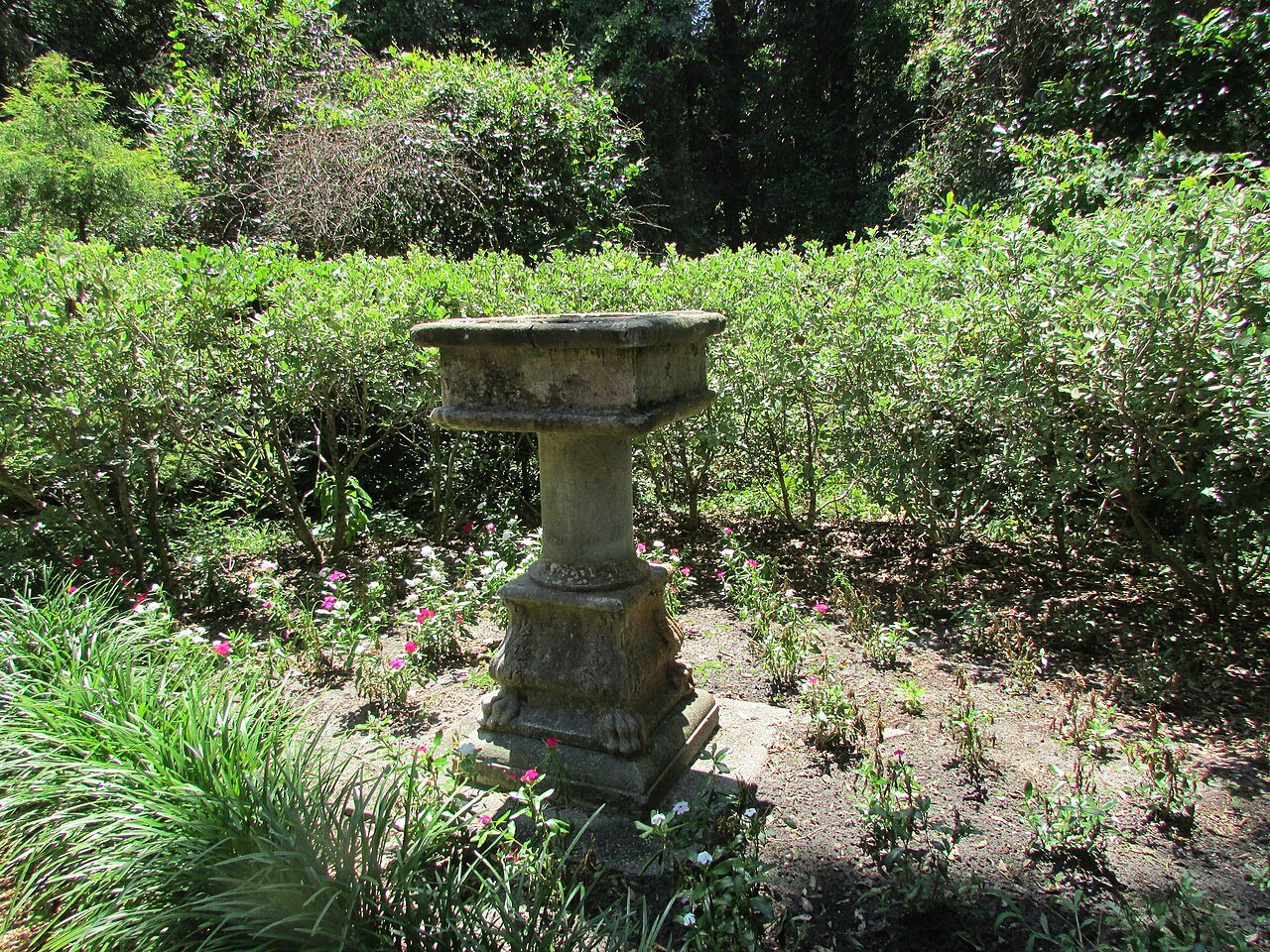
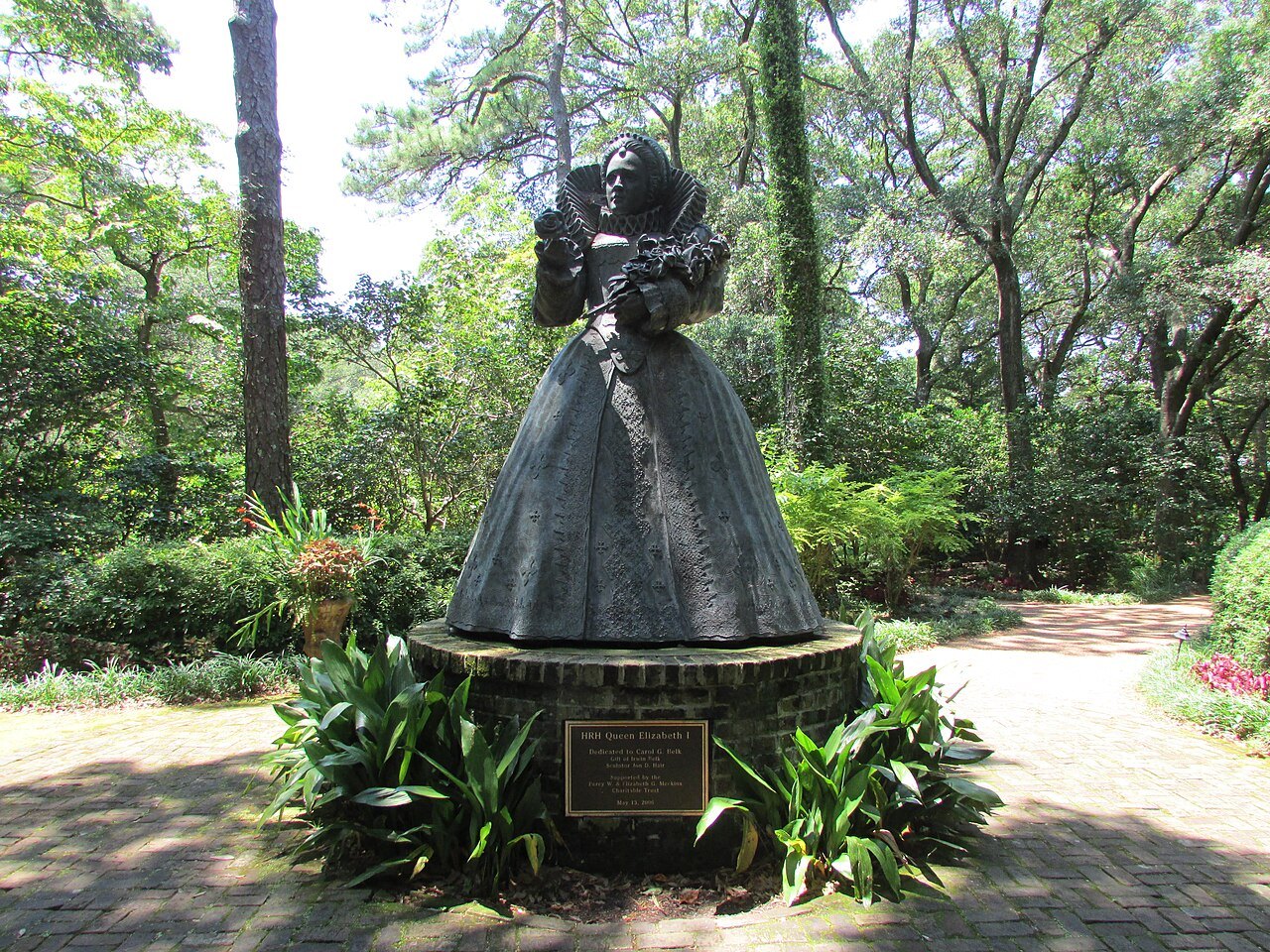
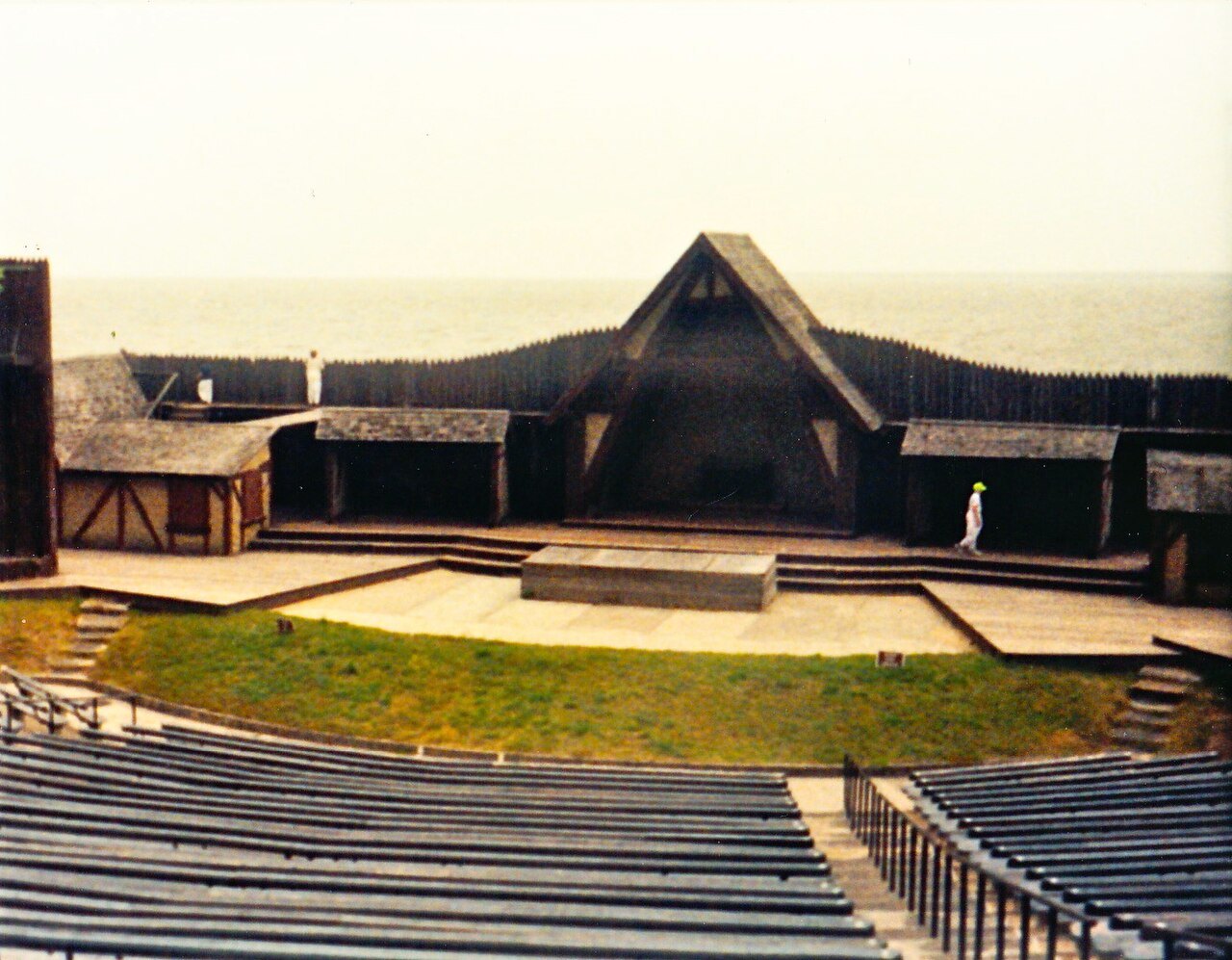
In summer, Paul Green's outdoor drama The Lost Colony is performed in the Waterside Theatre on the site, as it has been since it opened on July 4, 1937; more than four million people have seen it, and in 2013 it received a special Tony Honor for excellence in theatre. Beside it lie the Elizabethan Gardens, planted as a memorial to the colonists.
Roanoke Island is across the sound from the dunes of Jockey's Ridge and a short drive from the Wright Brothers memorial, so the Lost Colony fits easily into a day on the northern Outer Banks.