PLANNING · EATING AND DRINKING
Eating and drinking in North Carolina
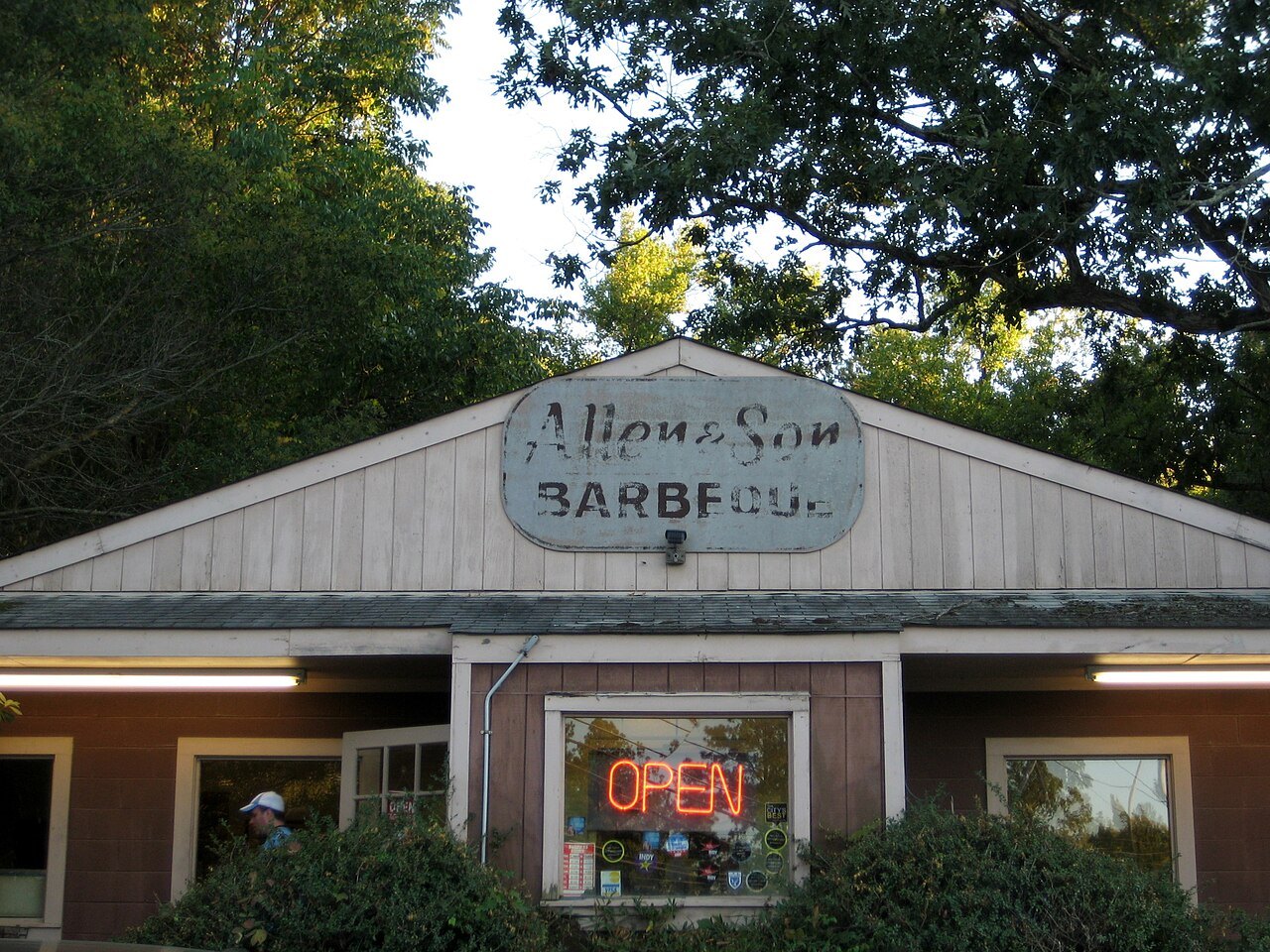
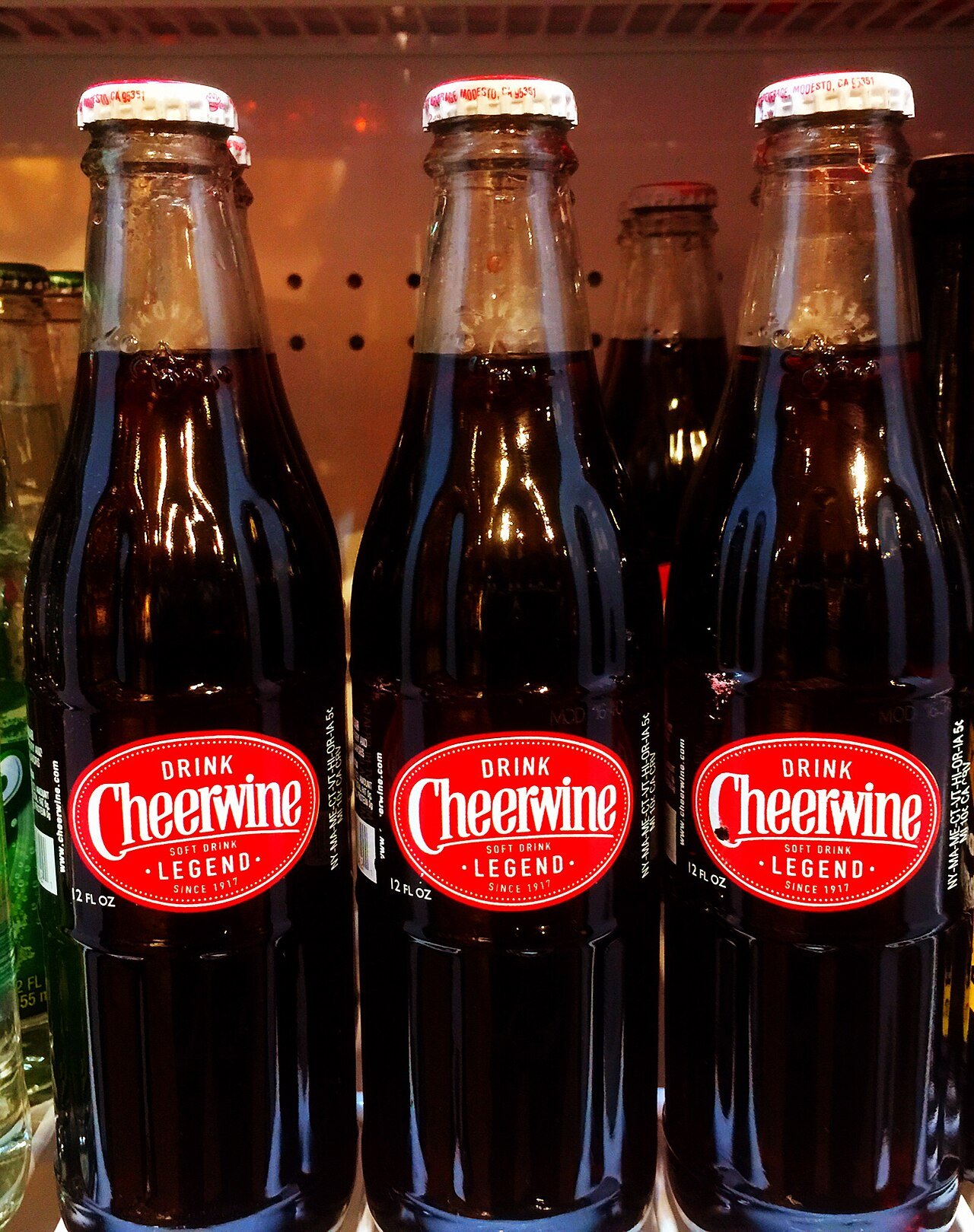
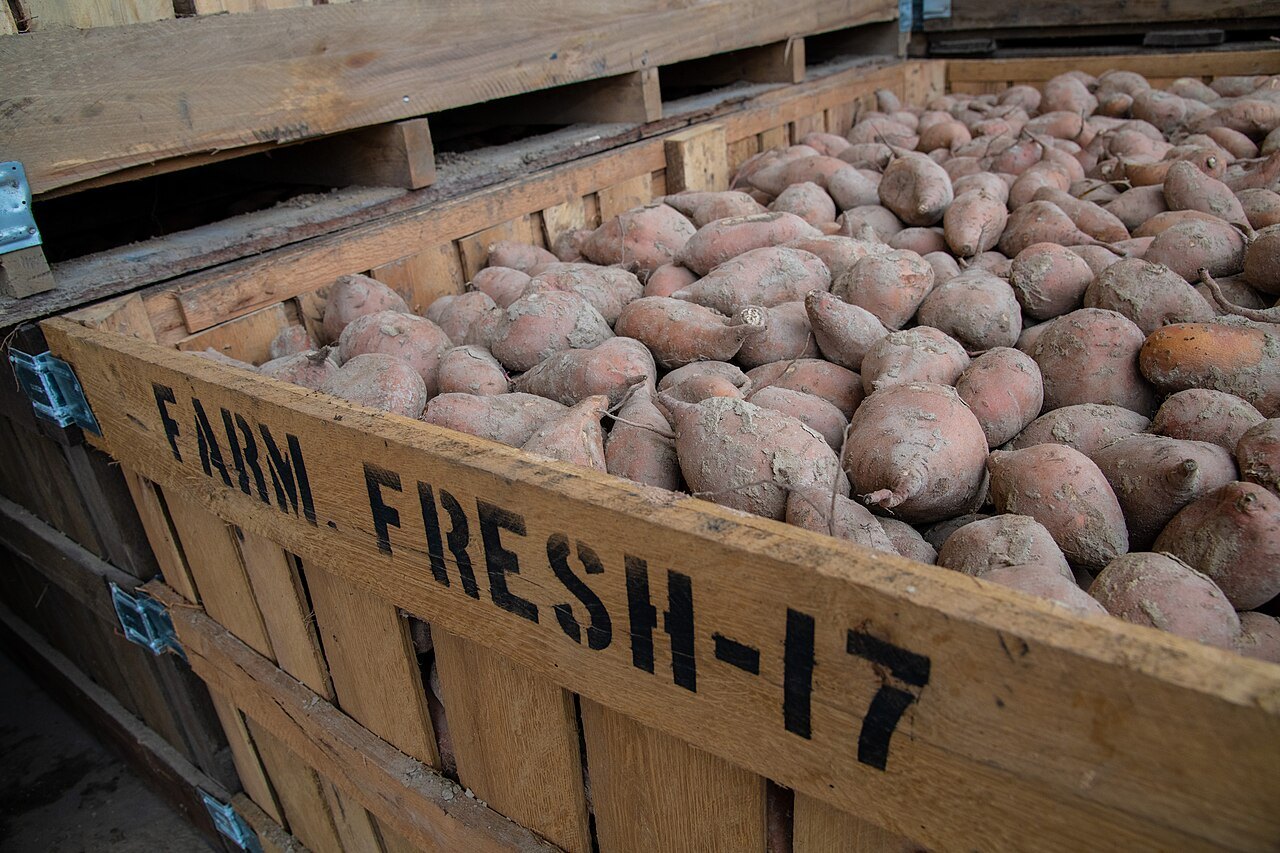
Photographs: yawper, Wikimedia Commons, CC BY 2.0 · F Delventhal, Wikimedia Commons, CC BY 2.0 · Lance Cheung, United States Department of Agriculture, Wikimedia Commons, Public domain
Access North Carolina · At the table
Pork barbecue in two rival styles, hushpuppies and fried seafood on the coast, livermush for breakfast in the mountains, Moravian cookies rolled paper thin, and a state that gave the world Pepsi, Krispy Kreme and Cheerwine. Here is what to eat and drink, and where.
What to eat and drink
Eastern barbecue
Whole hog, chopped fine and seasoned with a thin sauce of vinegar and pepper, with no tomato at all; served with mayonnaise coleslaw.
Lexington barbecue
Pork shoulder only, pulled or lightly chopped, with a red dip of vinegar, tomato and pepper flakes, and red barbecue slaw on the side.
Hushpuppies
Small deep-fried balls of cornmeal batter, served with barbecue and with fried seafood.
Calabash seafood
The lightly fried fish and shellfish named for the little Brunswick County town known as the Seafood Capital of the World.
Livermush
A mountain breakfast of pig liver, cornmeal, pepper and sage, pressed into a block, sliced and fried.
Sweet potatoes
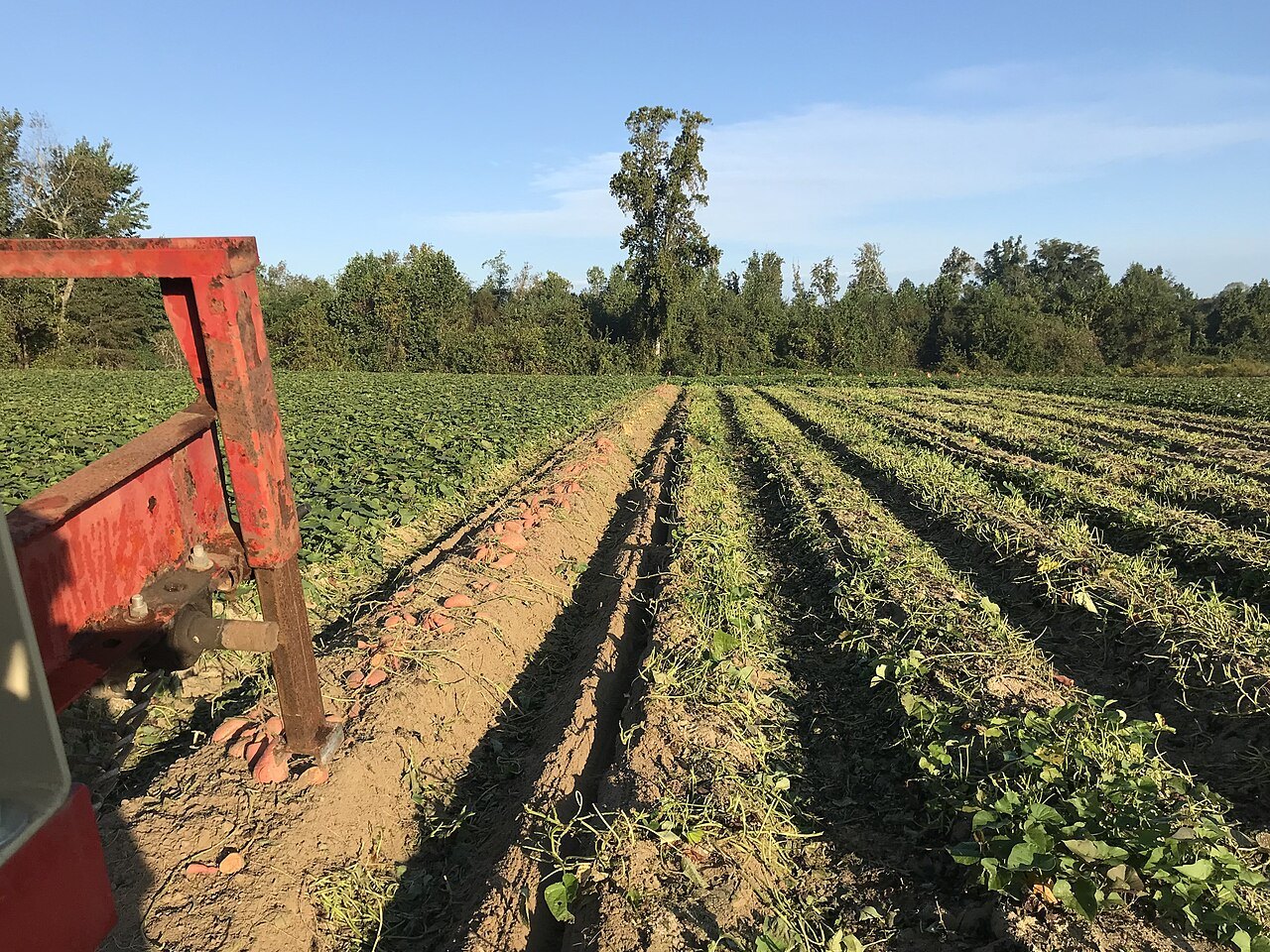
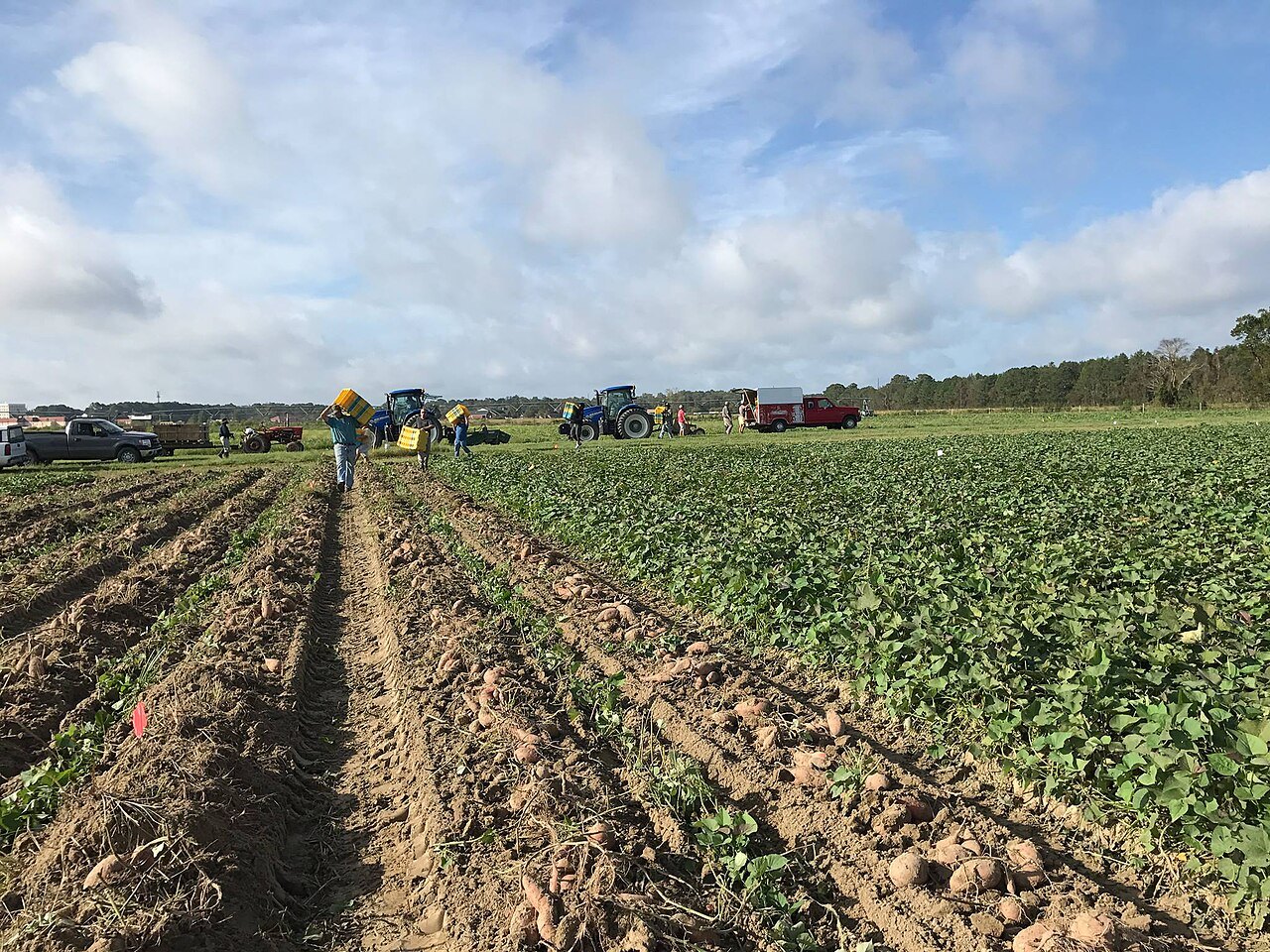
The state vegetable; North Carolina grows more sweet potatoes than any other state.
Moravian cookies
Molasses and spice, rolled paper thin; the state cookie, and a Christmas favorite in Winston-Salem.
Cheerwine
A cherry soft drink made in Salisbury since 1917 by the same family.
Krispy Kreme doughnuts
Hot glazed doughnuts from a company begun in Winston-Salem in 1937.
The barbecue question
Barbecue is the food North Carolina argues about. The state has two distinct native styles, both built on pork, and the rivalry between them is part humor, part politics. In 2006 bills to make the Lexington Barbecue Festival the state's official one caused such a fuss that they were defeated; the compromise of 2007 made it only the official food festival of the Piedmont Triad.
The difference comes down to the cut and the sauce. Eastern barbecue cooks the whole hog, famously using "every part of the hog except the squeal", then chops the meat fine and seasons it with a thin sauce of vinegar and pepper, with no tomato whatsoever. It comes with coleslaw made with mayonnaise, often piled onto the sandwich.
Lexington barbecue, also called Piedmont or Western style, uses only the pork shoulder, pulled or lightly chopped, with a red sauce, or dip, of vinegar, tomato and red pepper flakes. Its slaw is red too, made with the barbecue sauce in place of mayonnaise, and both styles come with hushpuppies. The meat is cooked slowly over hardwood, the smoke doing the cooking, which is what separates barbecue from grilling.
The tradition draws on many influences: Native American cooking, the European settlers, African Americans, and newer equipment and methods. Corn is part of the same story. The Cherokee and other Southeastern peoples brought ground corn into Southern cooking, and the hushpuppy, a fried ball of cornmeal batter, is its descendant; the word is first recorded in 1899, and one story says hunters and fishermen fed them to their dogs to hush them.
Where to eat barbecue
Lexington, a city of some 20,000 people in the Piedmont Triad, is the capital of the western style. Its barbecue festival, held on one day each October, closes several blocks of Main Street and draws more than 100,000 people, and a national magazine once ranked Lexington fourth among American cities for barbecue.
Eastern barbecue is the style of eastern North Carolina, and whole-hog barbecue is still the main course at weddings, church suppers and celebrations across the east, where whole businesses do nothing but cater it. Pork ribs are a common alternative on both sides of the divide, with festivals and competitions every year; baby backs come from the loin, and spare ribs, thicker and longer, from lower on the rib cage.
The coast
On the coast, seafood takes over. The little town of Calabash, in Brunswick County near the state line, calls itself the Seafood Capital of the World; since the 1930s it has been known for its own style of lightly fried fish, and Calabash-style restaurants and buffets are common in coastal towns across the east. In 1983 the town had some thirty restaurants and fewer than two hundred residents.
Morehead City, with its deep-sea fishing fleet and its Big Rock marlin tournament, and the fishing villages of the Outer Banks, such as Ocracoke, where charter boats go after drum and tuna, are the places to eat fish straight from the water. Hushpuppies come with almost everything.
The mountains and the Moravians
In the mountains of western North Carolina, breakfast may include livermush, a block of cooked pig liver, head meat and cornmeal, spiced with pepper and sage, sliced and fried. By state law it must be at least thirty percent liver, and several towns hold festivals in its honor.
In Winston-Salem the Moravians left a baking tradition. Their spice cookies, of molasses and spices rolled paper thin, are said to be the world's thinnest, are related to German Lebkuchen and are eaten above all at Christmas. A few bakeries still roll and cut them by hand, and besides the classic spice there are sugar, lemon, black walnut and chocolate versions; in 2026 the Moravian cookie was adopted as North Carolina's state cookie. The C. Winkler Bakery in Old Salem, commissioned in 1799, still works in the historic town.
What the state grows
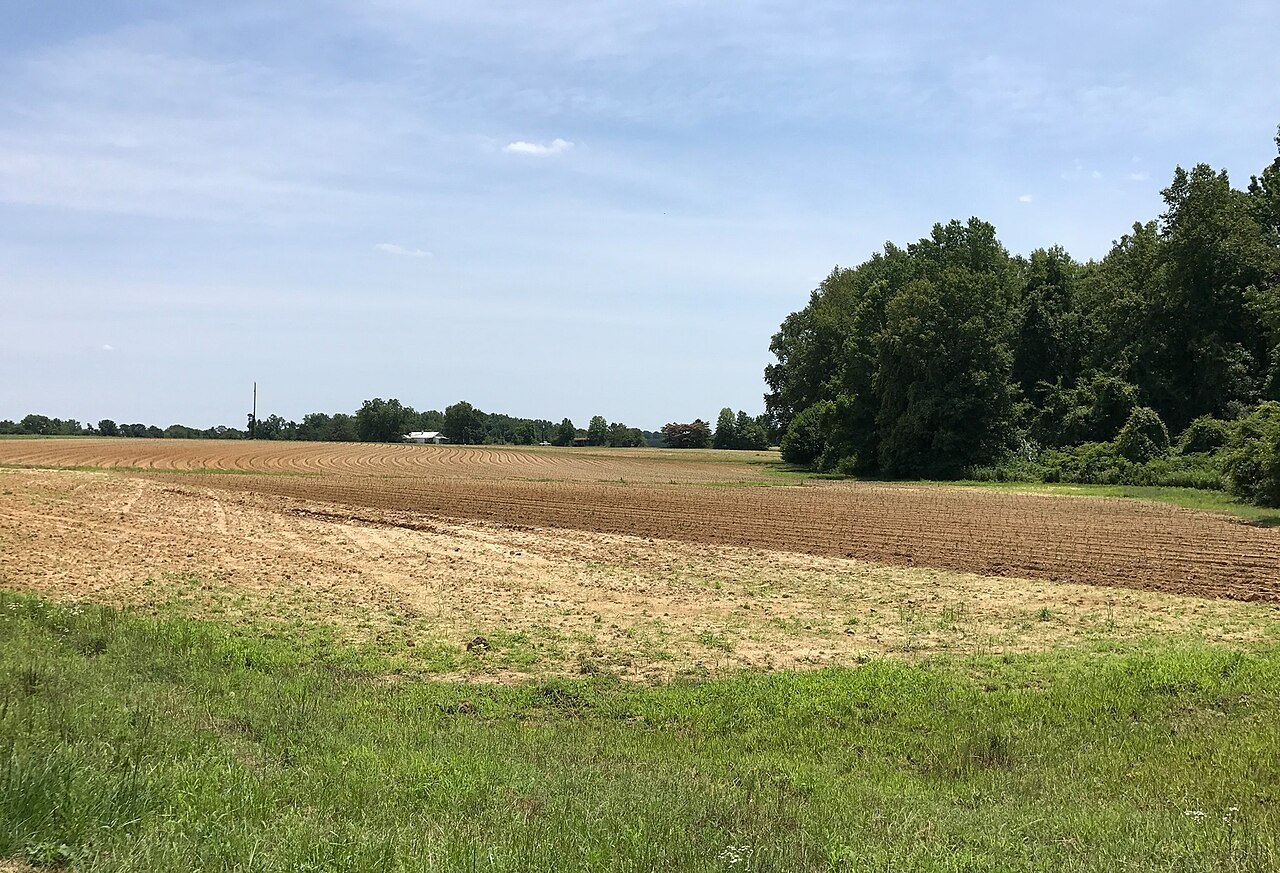
North Carolina leads the nation in growing sweet potatoes, its state vegetable, and in flue-cured tobacco, and it is second in hogs, trout, turkeys and Christmas trees. Sweet potato pie is a Southern favorite, and pork, from the barbecue pit to livermush, is everywhere.
The state's newer farm products have become a draw of their own: former tobacco land in the Yadkin Valley has been planted with vineyards, cheese from Ashe County has won international prizes, and a North Carolina truffle grower has drawn attention abroad.
Drinks and famous names
Pepsi-Cola was first made in 1898 in New Bern by the pharmacist Caleb Bradham. Cheerwine, a cherry soda, has been made in Salisbury since 1917 by the same family and is best known in the Carolinas; its founders bought the recipe from a flavor salesman the year they set up their syrup company. Krispy Kreme was founded in 1937, when Vernon Rudolph rented a building in what is now Old Salem in Winston-Salem and began selling doughnuts to local grocery stores with a yeast-raised recipe bought from a New Orleans chef; the company is still based in the city. Texas Pete hot sauce, despite its name, comes from Winston-Salem too.
The state also gave America Hardee's, founded in Rocky Mount, and Bojangles', founded in Charlotte, and the Mount Olive pickle, made in Mount Olive since 1926. Golden Corral began in Fayetteville in 1973, and Cook Out, known for its milkshakes in a great many flavors, was founded in Greensboro in 1989 and has only lately begun to spread beyond the state.
Beer and wine
Asheville has been named Beer City USA and has the largest number of breweries per person of any city in the country; a loosening of the state's alcohol laws, which raised the strength allowed in beer from six to fifteen percent, helped a brewing boom across the state. Big breweries from elsewhere have opened their eastern headquarters near Asheville.
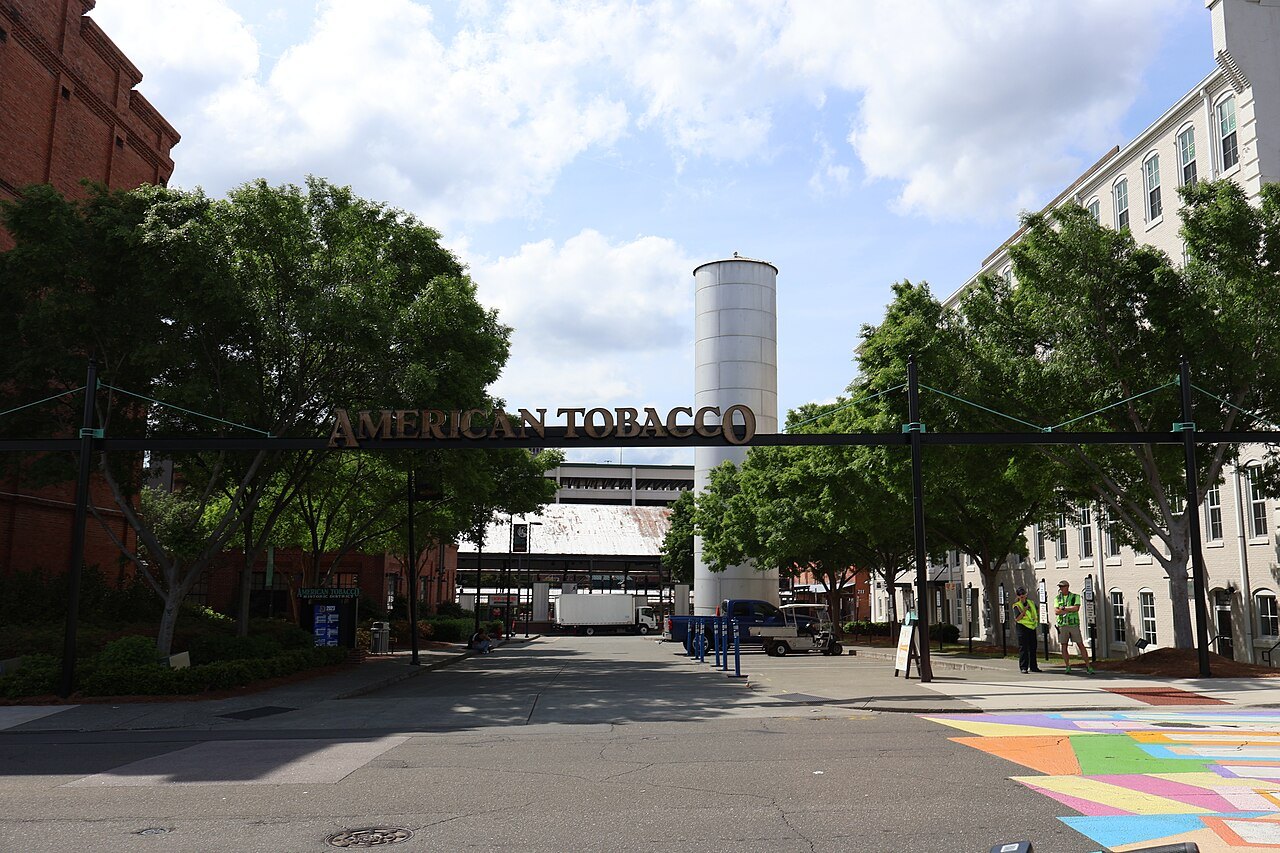
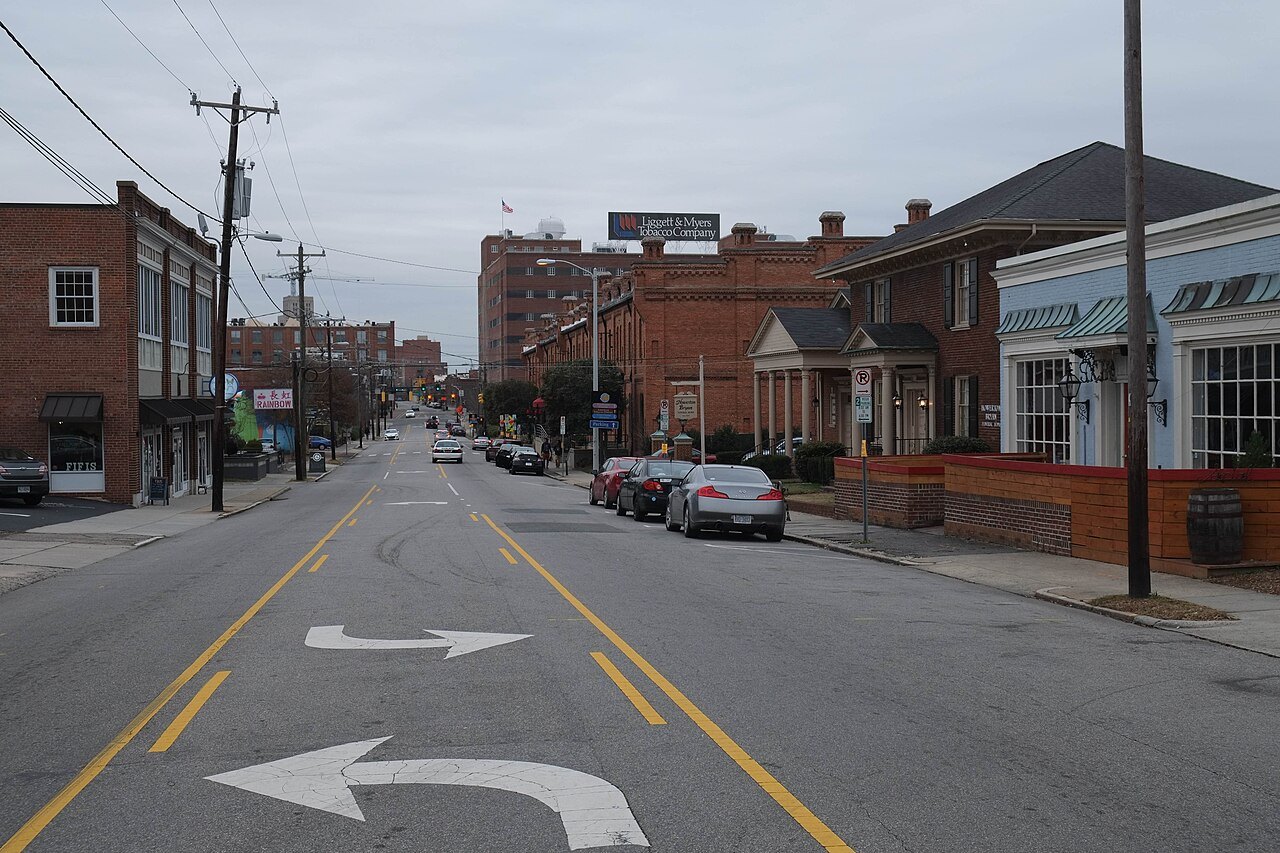
The Yadkin Valley has become the state's wine country, with vineyards where tobacco once grew. Durham and Chapel Hill were named the South's tastiest city by Southern Living in 2013, and Durham's old tobacco warehouses are now full of restaurants.
More for planning
Sources read for this page
- en.wikipedia.org/wiki/Barbecue_in_North_Carolina
- en.wikipedia.org/wiki/North_Carolina
- en.wikipedia.org/wiki/Hushpuppy
- en.wikipedia.org/wiki/Calabash,_North_Carolina
- en.wikipedia.org/wiki/Livermush
- en.wikipedia.org/wiki/Moravian_spice_cookies
- en.wikipedia.org/wiki/Cheerwine
- en.wikipedia.org/wiki/Krispy_Kreme
- en.wikipedia.org/wiki/Sweet_potato
- en.wikipedia.org/wiki/Asheville,_North_Carolina